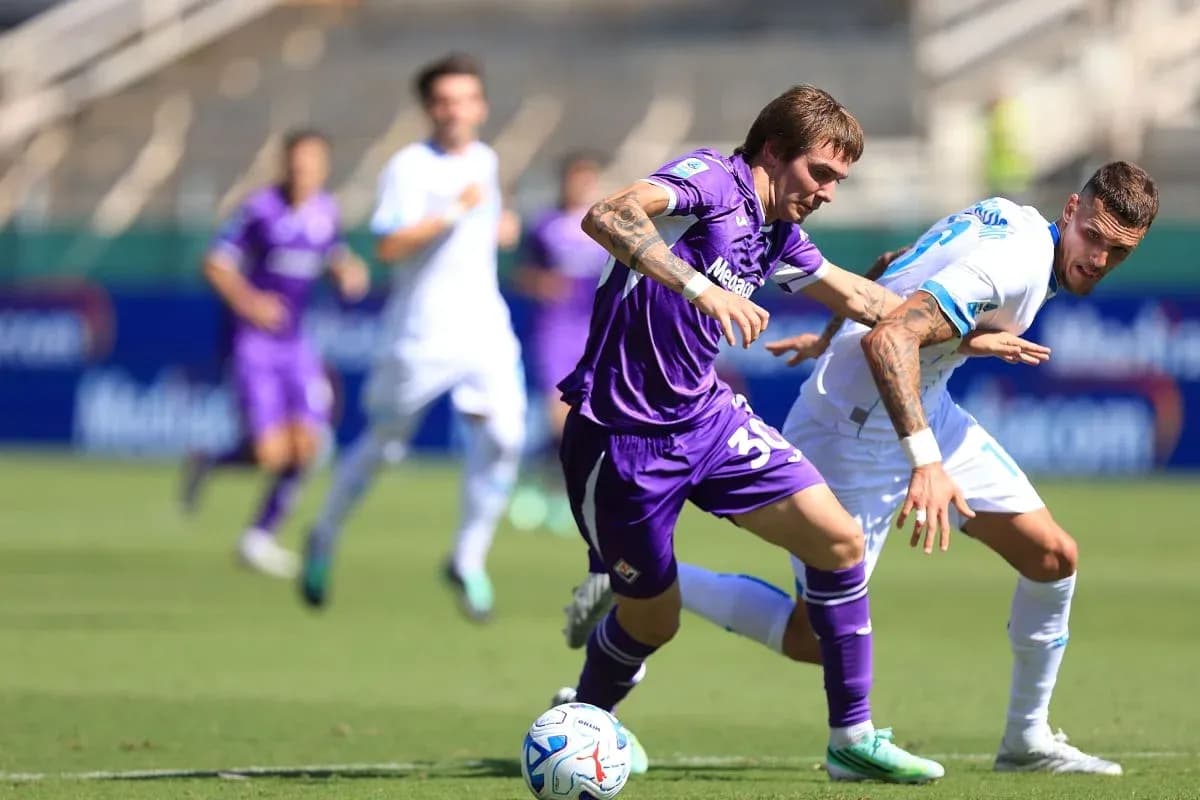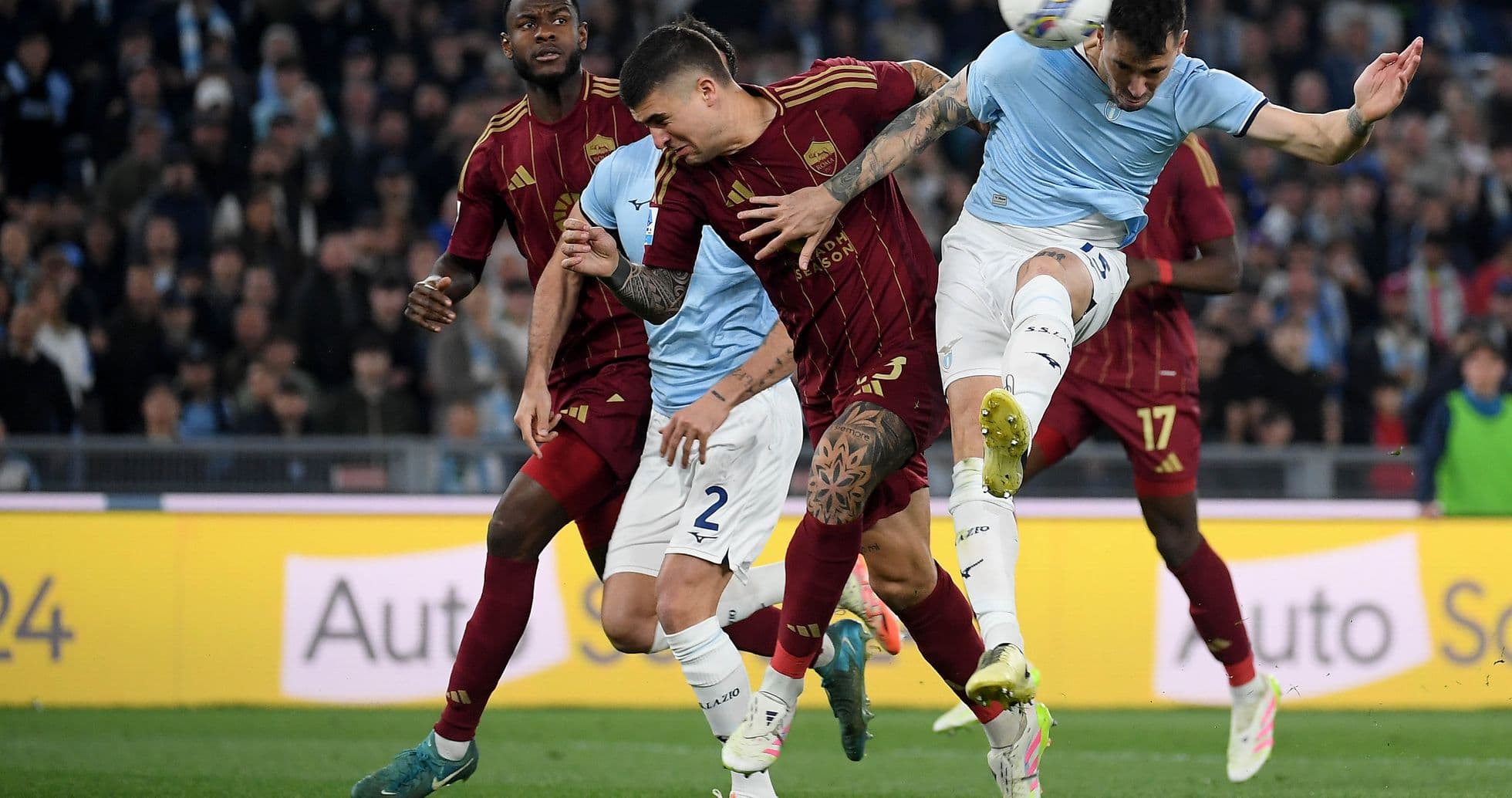
Roma Triumphs Over Lazio in Derby della Capitale
The Derby della Capitale returned to a sun‑drenched Stadio Olimpico with a sense of finality. Round 37 of Serie A, a season’s worth of tension condensed into ninety minutes, and a table that framed the story as clearly as the noise around it. Following this result, AS Roma sit 4th on 70 points, their goal difference of 26 built on 57 goals scored and 31 conceded overall. Lazio, beaten 2-0, remain 9th with 51 points and a perfectly symmetrical goal difference of 0, their 39 goals for exactly matched by 39 against.
Roma’s seasonal DNA under Piero Gasperini Gian has been unmistakable: aggressive, front‑foot football in a back‑three framework, with the 3-4-2-1 used in 29 league games. At home they have been ruthless, winning 13 of 19, scoring 33 and conceding just 10. Lazio, by contrast, have lived on a finer margin under Maurizio Sarri. Their 4-3-3 has been a near constant (35 league outings), but the returns have been modest: 13 wins, 12 draws, 12 defeats, and a blunt attack on their travels, with just 14 away goals from 19 matches.
Into that context stepped a Roma XI that blended steel and invention. Mile Svilar anchored the 3-4-2-1 behind a back three of Gianluca Mancini, Evan Ndicka and Mario Hermoso. Out wide, Zeki Çelik and Wesley Franca were asked to be both full-backs and wingers, while Bryan Cristante and N. El Aynaoui formed the central hinge. Ahead of them, Paulo Dybala and N. Pisilli floated between lines, feeding Donyell Malen as the single striker.
Across the divide, Lazio’s 4-3-3 had a patched, improvised feel. With I. Provedel out through a shoulder injury and A. Romagnoli suspended after a red card, A. Furlanetto started in goal, shielded by a back four of A. Marusic, Mario Gila, O. Provstgaard and N. Tavares. The midfield trio of T. Basic, N. Rovella and K. Taylor tried to give structure, while M. Cancellieri and T. Noslin flanked B. Dia in a mobile but fragile front line.
The absences told their own tactical story. Roma were without E. Ferguson and B. Zaragoza, but their core structure remained intact. Lazio’s were structural wounds: no Romagnoli, no M. Zaccagni, no Provedel, and no E. Motta. Romagnoli’s ball‑playing and penalty‑box authority, Zaccagni’s one‑v‑one threat and ability to draw fouls, and Provedel’s command of the area were all missing. This was a defensive unit stripped of its usual spine.
Disciplinary trends framed the emotional temperature of the contest. Heading into this game, Roma’s yellow cards peaked late, with 23.88% shown between 76-90 minutes and a combined 44.78% between 46-75, reflecting a side that leans into the physical battle as games open up. Their reds, too, clustered in the 46-75 window (one at 46-60, two at 61-75), a reminder of how their aggression can spill over just after half-time.
Lazio’s profile was even more combustible. A massive 26.32% of their yellows arrived between 76-90 minutes, and 22.37% between 61-75. More strikingly, 55.56% of their red cards came in that same 76-90 period. This is a team whose emotional control deteriorates as the clock ticks, and in a derby environment that is a tactical weakness as much as a psychological one.
On the pitch, the key matchups fell neatly into the “Hunter vs Shield” and “Engine Room” narratives.
The Hunter was Donyell Malen, whose 13 league goals and 3 successful penalties in 17 appearances have made him one of Serie A’s most efficient forwards. His movement across the front line, supported by Dybala and Pisilli, constantly asked questions of Lazio’s makeshift shield of Gila and Provstgaard. Gila, a standout this season with 199 total duels and 134 won, plus 17 successful blocks, has been one of the league’s more reliable centre-backs, but without Romagnoli beside him the back line lacked its usual balance and leadership.
Roma’s attacking pattern played to their seasonal strengths. Overall they average 1.5 goals per game, but at home that rises to 1.7, underpinned by a defensive record of just 0.5 goals conceded per home match. That platform allowed Çelik and Wesley to push high and pin Lazio’s full-backs deep. Çelik, with 26 key passes and 62 tackles overall, and Wesley, who has 5 goals, 33 key passes and a heavy duel load of 317 total, formed a relentless right‑sided engine, forcing N. Tavares and K. Taylor into reactive positions rather than proactive overlapping roles.
In the Engine Room, Cristante and El Aynaoui were asked to control Lazio’s central trio. Roma’s season-long ability to dictate tempo is reflected in their 17 clean sheets overall and just 7 games in which they failed to score. Lazio, meanwhile, have failed to score in 17 matches overall and average only 0.7 goals on their travels. That attacking anemia put extra pressure on Rovella and Basic to progress the ball under Roma’s press; too often, they were forced sideways or long into duels that Mancini and Ndicka were happy to contest.
Mancini’s season numbers underline his importance. With 51 tackles, 14 successful blocks and 47 interceptions, he is both the aggressor and the organiser in Roma’s back three. Alongside Hermoso, who adds 36 tackles and 6 blocks of his own, Roma were able to squeeze the pitch, keeping Lazio’s front three away from the most dangerous central zones. Without Zaccagni’s dribbling and ability to draw fouls (he has already missed one penalty this season, a reminder of Lazio’s imperfect edge in big moments), Lazio lacked a natural outlet to destabilise that block.
If we extend the lens into an xG‑style prognosis, Roma’s season-long patterns justify a two‑goal margin. A side that scores 1.7 at home and concedes 0.5, facing an opponent that scores 0.7 and concedes 0.8 away, is structurally set up for a 2-0 or 2-1 type game. Roma’s perfect penalty record this season (5 scored from 5) adds another layer of inevitability when they reach the box. Lazio’s reliance on clean sheets away – 9 on their travels – was always going to be stretched by Roma’s multi‑layered attack and high‑volume wide play.
Following this result, the numbers and the narrative converge. Roma’s 2-0 win is not just a derby triumph; it is the logical expression of a campaign in which their aggressive 3-4-2-1, powered by Malen’s cutting edge, Wesley’s two‑way intensity and Mancini’s defensive authority, has elevated them into the Champions League places. Lazio, stripped of key leaders and undermined by a blunt away attack, played their part in a tactical story that always seemed to be heading one way.