Genoa vs AC Milan: Tactical Analysis of the 2–1 Match
On a late-season afternoon at Stadio Luigi Ferraris, a meeting between two clubs on very different trajectories crystallised the story of their campaigns. Genoa, 14th in Serie A heading into this game with 41 points and a goal difference of -9 (41 scored, 50 conceded), hosted an AC Milan side entrenched in the top four, 3rd with 70 points and a GD of 19 (52 for, 33 against). The 2–1 away win for Milan in regular time did not just underline the gap in quality; it revealed, in 90 minutes, the structural truths of both teams’ seasons.
Daniele De Rossi rolled the dice with a 4-3-2-1 that felt more daring than Genoa’s season-long tactical DNA. Across the campaign, they had leaned heavily on back-three systems – 3-5-2 (18 times) and 3-4-2-1 (9 times) – with only one prior outing in this 4-3-2-1. Here, J. Bijlow stood behind a back four of M. E. Ellertsson, A. Marcandalli, S. Otoa and J. Vasquez, a line asked to hold higher than usual against one of the league’s most efficient attacks.
In midfield, the onus was on M. Frendrup, Amorim and R. Malinovskyi to knit together Genoa’s transitions. Ahead of them, T. Baldanzi and Vitinha floated between the lines, tasked with feeding lone forward L. Colombo. It was a structure designed to add one more creative player between the lines, but it also stripped away some of the protective layers that had occasionally stabilised Genoa in their more conservative 3-5-2.
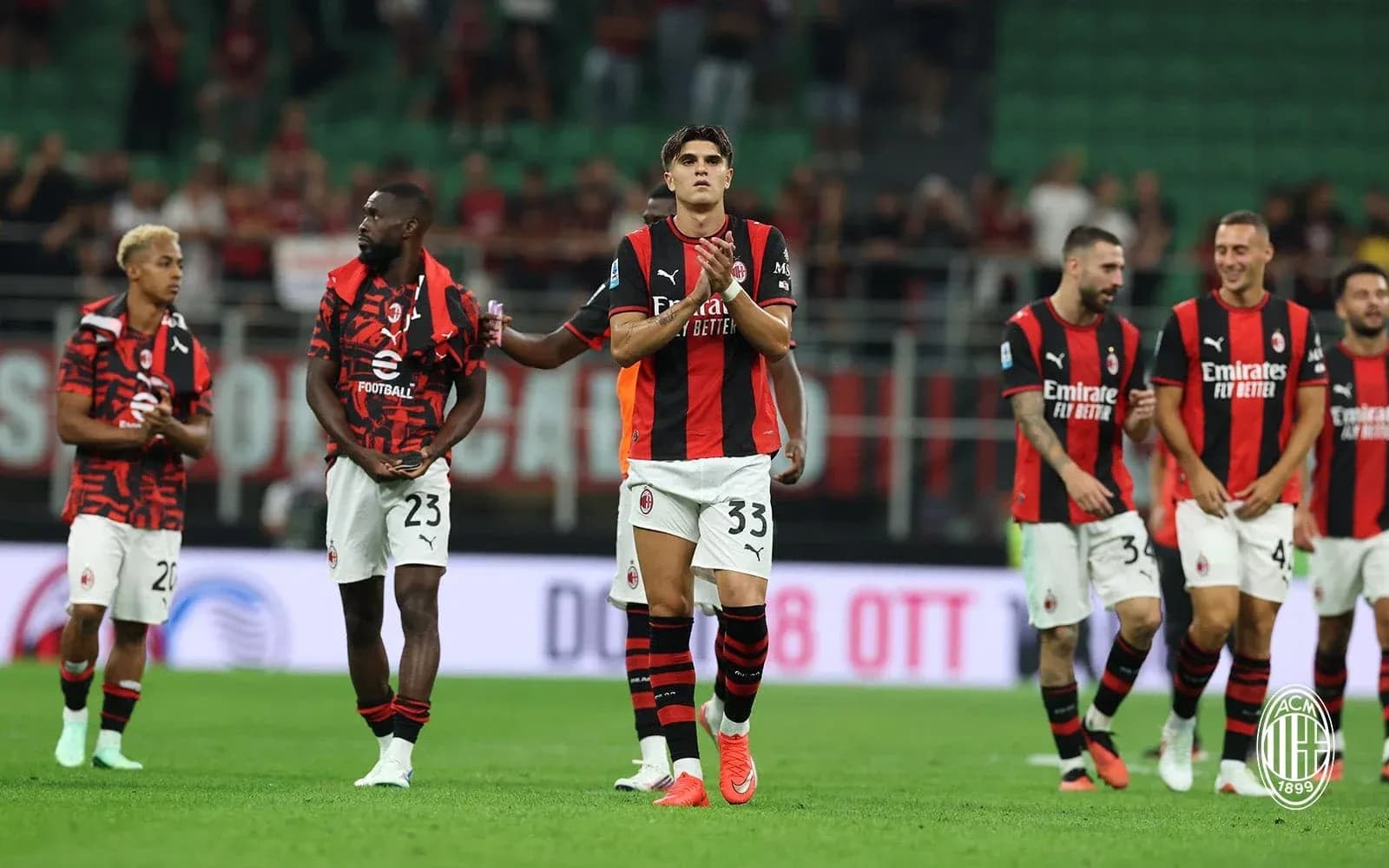
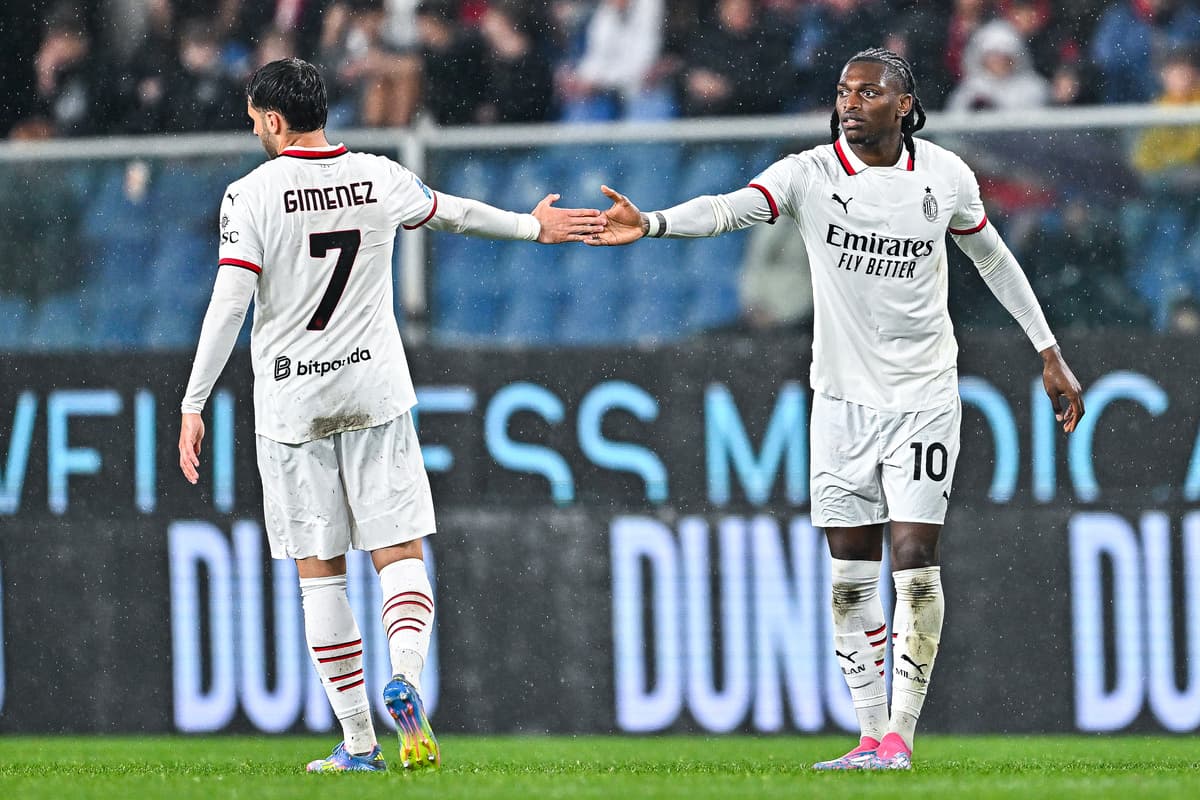
Across from them, Massimiliano Allegri’s Milan arrived with the comfort of a system that had become second nature. A 3-5-2 – the shape they had used 33 times this season – framed the afternoon: M. Maignan behind a back three of F. Tomori, M. Gabbia and S. Pavlovic; a five-man midfield of Z. Athekame, Y. Fofana, A. Jashari, A. Rabiot and D. Bartesaghi; and a strike duo of S. Gimenez and C. Nkunku.
The contrast in seasonal profiles was stark. Heading into this game, Genoa had scored 41 goals in total at an average of 1.1 per match, while conceding 50 at 1.4 per game. At home, they managed 22 goals at 1.2 per match but leaked 26 at 1.4, a mirror of their broader imbalance. Milan, by comparison, were ruthlessly balanced: 52 goals in total at 1.4 per game, with just 33 conceded at 0.9. On their travels, they were even more impressive – 28 goals away at 1.5 per match, while conceding only 14 at 0.7. This was a side built to travel, to suffer without the ball, and to strike with precision.
The absentees sharpened the tactical edges. Genoa were stripped of width and rotation options: M. Cornet (muscle injury), Junior Messias (muscle injury), B. Norton-Cuffy (thigh injury), J. Onana (injury) and L. Ostigard (knock) were all missing. Without Cornet and Norton-Cuffy, De Rossi’s ability to stretch Milan’s back three with natural wide runners was compromised, forcing Baldanzi and Vitinha to drift outward and leaving Colombo more isolated than the formation diagram suggested.
For Milan, the suspensions of P. Estupiñan, R. Leao and A. Saelemaekers due to yellow cards removed three key vertical outlets. Leao’s absence in particular stripped away one of Serie A’s most dangerous transition weapons – a player with 9 total goals and 3 assists this season, whose 45 shots and 24 on target frame him as a constant threat. Without his direct running, Allegri leaned more on structure and collective movement than on individual chaos.
Discipline was always likely to be a subplot. Genoa’s season card profile shows a yellow-card spike between 61-75 minutes at 25.40%, a phase where fatigue and desperation often blend. Milan, by contrast, tend to accumulate their bookings late, with 25.81% of their yellows between 76-90 minutes. It painted a picture of a match where Genoa might grow increasingly reckless just as Milan, protecting a lead, would be forced into cynical fouls to break rhythm.
Within that frame, the “Hunter vs Shield” duel took shape less around a single star striker and more around collective tendencies. Milan’s attack – 28 away goals, 1.5 per game – pressed into a Genoa defence that, at home, conceded 1.4 per match. The numbers foretold a familiar pattern: Milan would not need volume, just clarity. One well-constructed move, one sharp transition, could tilt the match.
In Genoa’s “Engine Room”, Malinovskyi’s presence was pivotal. Across the season he had been both creator and agitator: 6 total goals, 3 assists, 43 shots and a league-leading disciplinary profile with 10 yellow cards. His duel with Milan’s central trio of Fofana, Jashari and Rabiot was less about individual brilliance and more about whether Genoa could disrupt Milan’s metronome. Rabiot’s ability to dictate tempo, combined with Jashari’s energy and Fofana’s vertical running, offered Milan a platform to control the middle third and starve Colombo of service.
On the flanks, the narrative turned to Aarón Martín, Genoa’s top assister this season with 5 total assists and 60 key passes. Though he started on the bench, his profile – 715 passes, 42 tackles, 11 blocked shots – hinted at how De Rossi might try to change the game from the sidelines: introduce a full-back who can both lock down a wing and deliver quality from deep. But against a Milan side that has kept 8 away clean sheets and failed to score only 4 times on their travels, the margin for error was always razor-thin.
From a statistical prognosis standpoint, everything pointed towards a narrow Milan victory. Their away defensive average of 0.7 goals conceded per match, combined with Genoa’s modest home scoring rate of 1.2, suggested Genoa would struggle to create high-quality chances consistently. Milan’s offensive profile – 1.5 away goals per game – aligned almost perfectly with Genoa’s home concessions, projecting a one- or two-goal haul for the visitors.
Following this result, the 2–1 scoreline felt less like a surprise and more like the logical intersection of form, structure and squad availability. Genoa’s willingness to step out of their usual back-three comfort zone gave them moments of promise but also exposed the defensive frailties that have defined a season of narrow margins. Milan, even without Leao and Estupiñan, leaned on their system, their away resilience, and their capacity to manage phases – weathering Genoa’s surges, then striking with the efficiency of a side built for Champions League football.
In the end, this was not just three points for Milan or another home defeat for Genoa. It was a distilled version of their campaigns: one club refining a clear, winning identity, the other still searching for a balance between ambition and protection.