Orlando Pride W Clinches 1–0 Victory Over San Diego Wave W
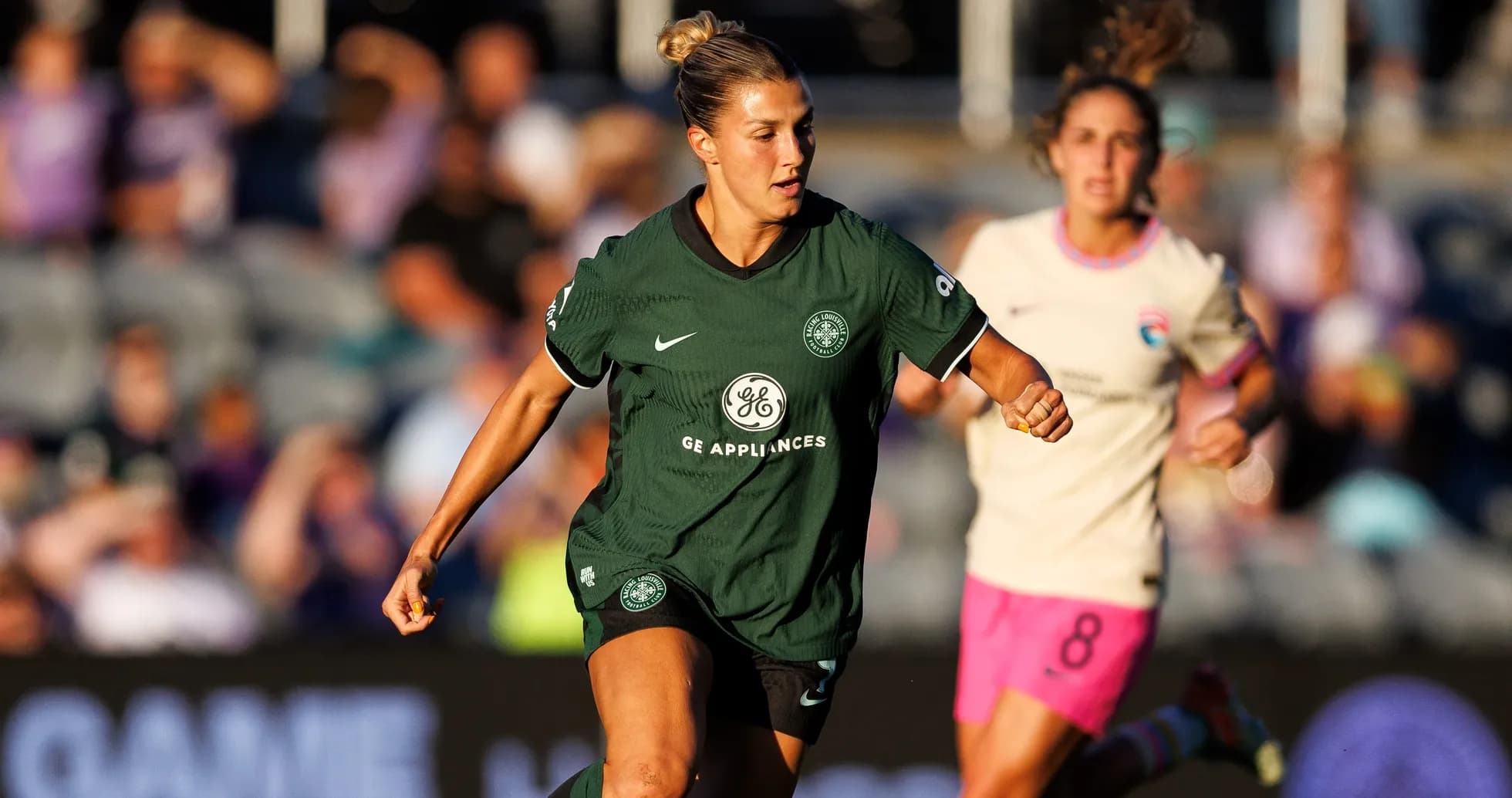
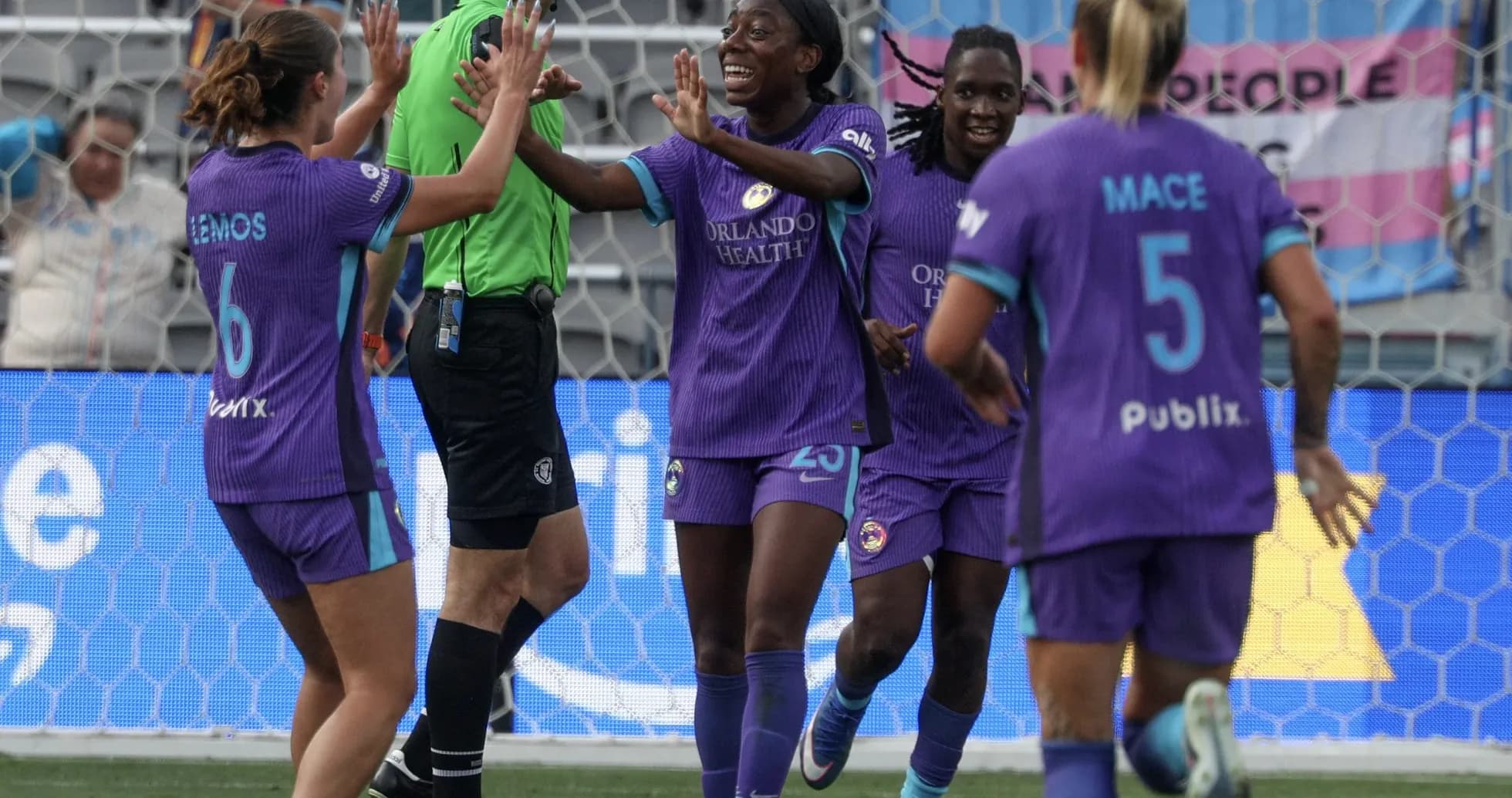
Snapdragon Stadium had barely cooled when the story of this Group Stage clash in the NWSL Women was already clear: Orlando Pride W came to San Diego, absorbed pressure, and left with a clean, clinical 1–0 win over San Diego Wave W. Following this result, it felt less like an upset and more like a clash of identities—Wave’s high-octane, attacking 4-2-3-1 blunted by a compact, disciplined mirror shape from Orlando.
I. The Big Picture – A clash of trajectories
San Diego entered the night as one of the league’s standard-bearers. In total this campaign they sit 3rd with 22 points from 12 matches, built on 7 wins, 1 draw, and 4 defeats. Their overall goal difference of 4 comes from 17 goals for and 13 against—numbers that tell of a side that usually imposes itself rather than reacts. At home they had been more volatile: 3 wins and 3 losses from 6, scoring 7 and conceding 5. The averages underline that balance—1.2 goals scored at home against 0.8 conceded.
Orlando, by contrast, arrived as the dangerous mid-table lurker. In total they are 8th with 14 points from 11 matches, 4 wins, 2 draws, 5 defeats and a goal difference of -1 (15 scored, 16 conceded). On their travels they had been stubborn: 2 wins, 1 draw, 3 losses away, with 8 scored and 8 conceded, an away scoring average of 1.3 and the same 1.3 conceded. Not spectacular, but solid—and increasingly defined by defensive resilience, with 3 away clean sheets in total.
On paper, this was a meeting of one of the league’s most fluid attacks against a side still calibrating its balance. On the grass, it became a test of which 4-2-3-1 could better control the middle third and protect its penalty area.
II. Tactical Voids – What was missing, and where the edges frayed
Neither side was officially stripped of key personnel by the data provided, but the absences were more structural than individual. San Diego’s season-long profile shows a team that can be strangely brittle when the final ball stalls: they have failed to score in total 4 times, with 3 of those blanks coming at home. The 0–1 here fits that pattern—a side that can dominate territory but sometimes runs out of incision.
Their disciplinary profile hints at a team that often has to scramble late. In total their yellow cards are spread, but from 31–45’, 46–60’, 61–75’, 76–90’ and 91–105’ they record 18.18% of their yellows in each of those five ranges, a steady drumbeat of late duels and recovery fouls. That tendency to chase back rather than set the tempo was evident once they fell behind before half-time.
Orlando’s own card map is more volatile. In total, 28.57% of their yellows arrive between 61–75’, with another 21.43% in the 76–90’ window and 14.29% from 91–105’—a clear late-game spike. Their single red card in total this season has also landed in the 61–75’ zone. This is a side that plays on the edge as legs tire and lines compress. Yet on this night, they walked that line without tumbling over it, protecting the 0–1 advantage with calculated aggression rather than chaos.
III. Key Matchups – Hunter vs Shield, and the battle for the engine room
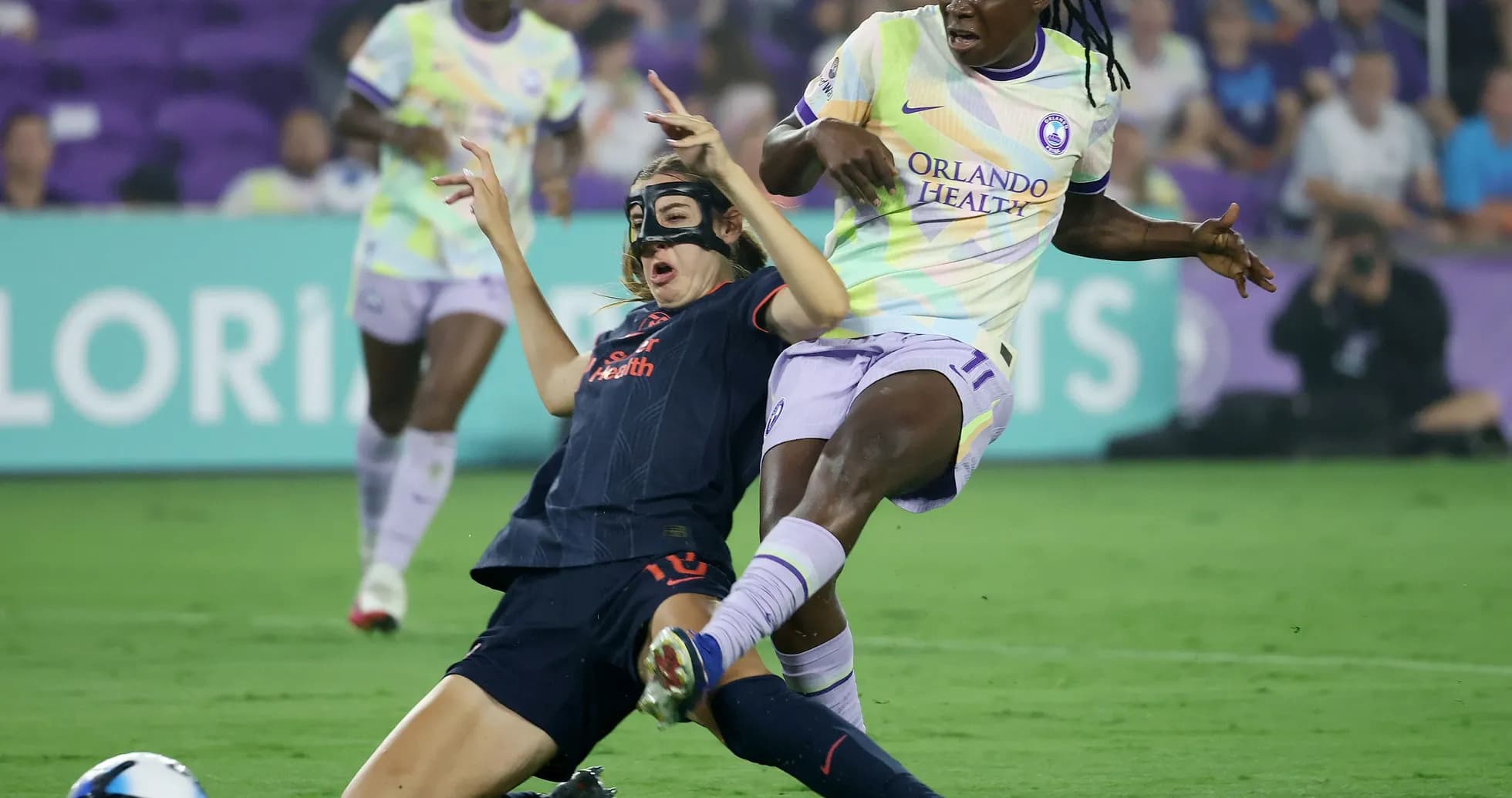
The headline duel was always going to be “Hunter vs Shield”: B. Banda against the Wave defensive structure. Banda arrived as the league’s most ruthless forward, with 8 goals in total from 11 appearances, supported by 41 shots and 23 on target. She draws fouls (25 in total) and commits them (16), presses, duels (102 total, 44 won), and dribbles (25 attempts, 8 successes). She is not just a finisher; she is Orlando’s entire attacking gravity.
San Diego’s back four had to cope without the card-magnet presence of P. Morroni, who does not appear in this specific match’s lineup despite being a central defensive reference in the season data—31 tackles, 2 blocked shots, 9 interceptions, and 4 yellows in total. Instead, the responsibility fell squarely on K. McNabb and K. Wesley in the heart of the defence, flanked by K. Pickett and A. D. Van Zanten. This unit, which has helped hold opponents to an overall average of 1.1 goals against per game, was asked to both track Banda’s runs and manage Orlando’s wide rotations.
Higher up, the “Engine Room” duel was absorbing. For San Diego, the creative core of Dudinha and L. E. Godfrey carried the attacking burden. Dudinha’s season tells of a complete attacker: in total 4 goals and 4 assists, 42 dribble attempts with 26 successes, 104 duels with 54 won. Godfrey adds 4 goals and 2 assists in total, with 17 key passes and an 80% passing accuracy. Together they form the hinge between Wave’s double pivot and lone striker Ludmila.
Facing them, Orlando leaned heavily on A. Lemos and Luana Bertolucci. Lemos, a yellow-card leader for the Pride with 2 in total and 19 tackles plus 2 blocks, is the side’s enforcer and tempo-setter, while Luana provides the connective tissue in possession. Behind them, Rafaelle Souza’s presence at centre-back gave Orlando the authority to step up and squeeze space between the lines, forcing Dudinha to receive under constant pressure rather than on the half-turn.
In wide areas, O. Hernandez’s duel with San Diego’s left side was pivotal. Her season numbers—23 tackles, 3 blocked shots, 18 interceptions in total—speak of a full-back who relishes defensive work. She repeatedly stepped out to disrupt combinations involving Dudinha and Godfrey, ensuring that Wave’s most dangerous creators were often forced wide and away from the central channel where they usually do their best damage.
IV. Statistical Prognosis – What this result really says
Following this result, the numbers reinforce the narrative of two contrasting arcs. San Diego remain a top-three side in total, but their home volatility is a tactical concern. They score 1.2 at home on average and concede 0.8, yet they have already failed to score at home 3 times. Their reliance on individual brilliance from Dudinha and Godfrey, rather than a multi-layered chance creation structure, makes them vulnerable to well-drilled low blocks like Orlando’s.
Orlando, meanwhile, continue to lean into their identity as away spoilers. On their travels they average 1.3 goals for and 1.3 against, but the 3 away clean sheets in total suggest a defensive unit that is learning to bend without breaking. Their disciplinary profile still hints at late-game risk—especially in that 61–75’ window where both yellows and their only red cluster—but here they managed the final phase with maturity.
From an xG and defensive solidity standpoint, the shape of the match fits the season-long data. Orlando’s attack is concentrated through one elite finisher—Banda—while San Diego’s is more distributed but can be neutralised if the creative lanes into the No. 10 and half-spaces are clogged. Over a long campaign, Wave’s superior goal difference of 4 in total versus Orlando’s -1 will usually tell, but in a single 90-minute snapshot, the side with the clearer defensive identity and the sharper hunter in the box prevailed.
In the broader narrative of the NWSL Women season, this 0–1 feels like a statement that the middle of the table is closing on the elite. San Diego Wave W still look like play-off certainties; Orlando Pride W are starting to look like the kind of opponent no one wants to draw when everything is on the line.