Netherlands vs Japan: Tactical Analysis of the 2-2 Draw
The 2-2 draw between Netherlands and Japan at AT&T Stadium unfolded as a clear clash of structures and phases: Netherlands’ 4-3-3, built on territorial control and passing volume, against Japan’s 3-4-2-1, oriented around vertical transitions and late-game punch. Across 90 minutes, the statistical profile underlined that contrast: Netherlands owned 60% of possession, completed 525 passes to Japan’s 342, and generated slightly higher xG (0.79 to 0.54), yet Japan’s reshaped front line in the final quarter tilted momentum back to level the game.
Netherlands' Structure
Ronald Koeman’s 4-3-3 was textbook: Bart Verbruggen in goal, a back four of Denzel Dumfries, Jan Paul van Hecke, Virgil van Dijk and Micky van de Ven, a technical midfield of Ryan Gravenberch, Frenkie de Jong and Tijjani Reijnders, and a mobile front three of Crysencio Summerville, Donyell Malen and Cody Gakpo. The structure aimed to pin Japan’s wing-backs deep and create central overloads against Daichi Kamada and Kaishu Sano.
Japan's Structure
Hajime Moriyasu’s Japan, in a 3-4-2-1, accepted long defensive phases. Zion Suzuki anchored a back three of Tsuyoshi Watanabe, Shogo Taniguchi and Hiroki Itō, with Ritsu Doan and Keito Nakamura as wide midfielders, Sano and Kamada inside, and a front trio of Takefusa Kubo, Daizen Maeda and Ayase Ueda. The plan was to compress central zones, concede certain wide spaces, and spring Kubo and Nakamura on turnovers.
Shot Profile
The game’s rhythm is reflected in the shot profile: both sides finished with 10 total shots and 1 blocked effort each, but Netherlands took all 10 inside the box and none from distance, underscoring a deliberate attempt to work high-quality positions rather than speculative efforts. Japan split their attempts more evenly (6 inside the box, 4 outside), consistent with a counter-attacking side occasionally forced into lower-probability shots.
Second Half Developments
The second half opened the tactical narrative. At 51', van Dijk’s goal, assisted by Gravenberch, was the payoff of sustained Dutch pressure and set-piece or crossing dominance from their centre-backs stepping into advanced zones. It showcased how Netherlands used their back line not only to recycle possession but to attack the box against a three-man Japanese defence that struggled with aerial and physical presence.
Japan’s response at 57' through Keito Nakamura, assisted by Kubo, highlighted their transition threat. With Netherlands pushed high, Kubo’s ability to receive between the lines and release Nakamura into space punished the Dutch rest defence, especially the large distances left behind Dumfries and van de Ven when both full-backs advanced.
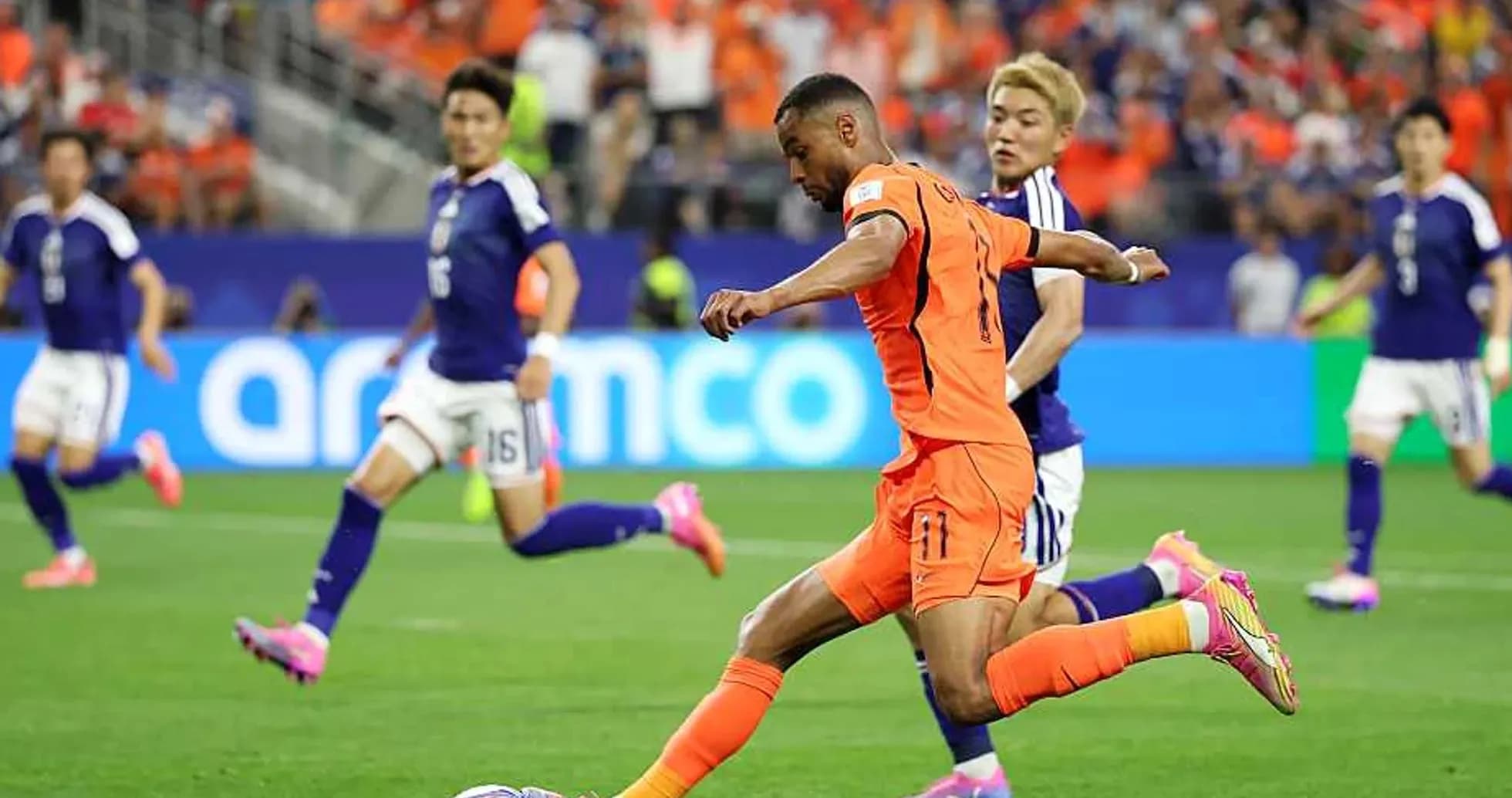
Crysencio Summerville’s yellow card for “Foul” at 61' came in the context of Netherlands trying to counter-press immediately after losing the ball, a sign of their aggressive defensive posture in the middle third. Just three minutes later, at 64', Summerville himself restored the lead, again assisted by Gravenberch. That action underlined Koeman’s idea of wide forwards attacking the half-spaces, supported by an advanced No.8, to overload the channels outside Japan’s central centre-back.
Substitutions and Tactical Changes
Substitutions from 66' onward reshaped the tactical picture. For Japan, Junya Ito (IN) came on for Daizen Maeda (OUT) at 66', adding direct running on the flank. At 75', Koki Ogawa (IN) replaced Kubo (OUT), and Takehiro Tomiyasu (IN) came on for Doan (OUT), while Yukinari Sugawara (IN) replaced Watanabe (OUT). Moriyasu effectively shifted towards a more orthodox back four with fresh legs wide and a penalty-box presence in Ogawa, trading some ball security for more aggressive occupation of the Dutch area.
Koeman’s triple change at 70'—Teun Koopmeiners (IN) for Reijnders (OUT), Quinten Timber (IN) for Summerville (OUT), and Memphis Depay (IN) for Malen (OUT)—was aimed at consolidating control and adding a reference point between the lines in Depay. Later, Nathan Aké (IN) for Gravenberch (OUT) at 81' suggested a tilt towards protecting the lead, shifting one midfielder for a more defensively minded player who can operate as a left-back or left centre-back in a back five in the last phase. Brian Brobbey (IN) for Gakpo (OUT) at 85' added physicality up front for hold-up play and defensive pressing.
Discipline and Game State
Discipline also reflected game state. After Summerville’s earlier booking, Memphis Depay’s yellow card for “Foul” at 83' came as Netherlands increasingly had to disrupt Japan’s quicker attacks in midfield. Micky van de Ven’s caution for “Professional foul” at 90+1' was a clear manifestation of emergency defending in transition as Japan chased the equaliser.
Goalkeeping Performance
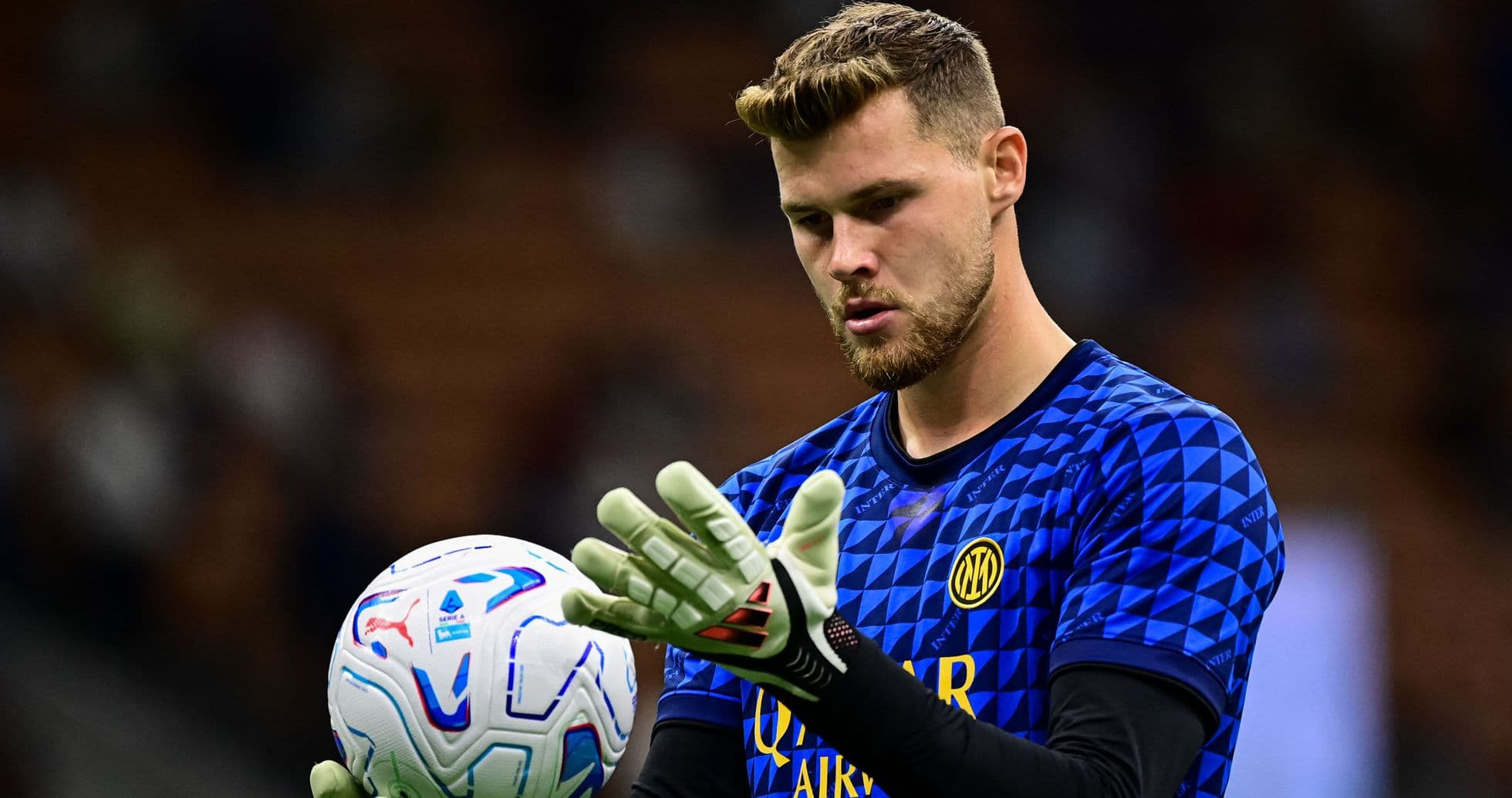
In goal, Bart Verbruggen (Netherlands) was statistically quiet, credited with 1 save, which aligns with Japan’s 3 shots on target but also suggests that some attempts were either blocked or off frame. Zion Suzuki (Japan), by contrast, made 4 saves against 6 Dutch shots on goal, and with a goals prevented figure of 0.62, he was an important factor in keeping the game within reach whenever Netherlands broke into clear shooting positions.
Decisive Moments
The late substitution of Kento Shiogai (IN) for Ueda (OUT) at 84' preceded the decisive Japanese surge. At 89', Kamada’s goal, assisted by Ogawa, rewarded Japan’s structural tweaks: with more forwards occupying the last line, Kamada could arrive from midfield into pockets of space that had opened as Netherlands’ block dropped and compacted centrally.
Statistical Overview
Statistically, Netherlands’ 60% possession and 525 passes, with 464 accurate at 88%, illustrate a side comfortable circulating the ball and building patiently. Japan’s 342 passes with 287 accurate (84%) show a more direct, vertical approach, where possession phases were shorter but purposeful. Both sides committed 7 fouls, but Netherlands collected all 3 yellow cards, underlining that their higher defensive line and proactive pressing exposed them to more last-ditch or tactical infringements.
The xG numbers—0.79 for Netherlands and 0.54 for Japan—confirm a marginal Dutch edge in chance quality, yet Japan’s finishing and Suzuki’s shot-stopping balanced the ledger. Corner counts (5 for Netherlands, 4 for Japan) were close, but the Dutch use of set plays and crosses into van Dijk and van de Ven was more structurally central to their attack than Japan’s more transition-oriented strategy.
Overall, the match was a study in how a possession-dominant 4-3-3 can be matched by a compact 3-4-2-1 that leans on substitutions, verticality, and late-arriving midfielders. Netherlands’ control and structured attacks produced a narrow statistical advantage, but Japan’s adaptive changes and efficient use of their limited shots inside the box ensured that, tactically and on the scoreboard, the contest finished perfectly balanced at 2-2.