Spain vs Argentina: A Tactical Showdown in the World Cup Final
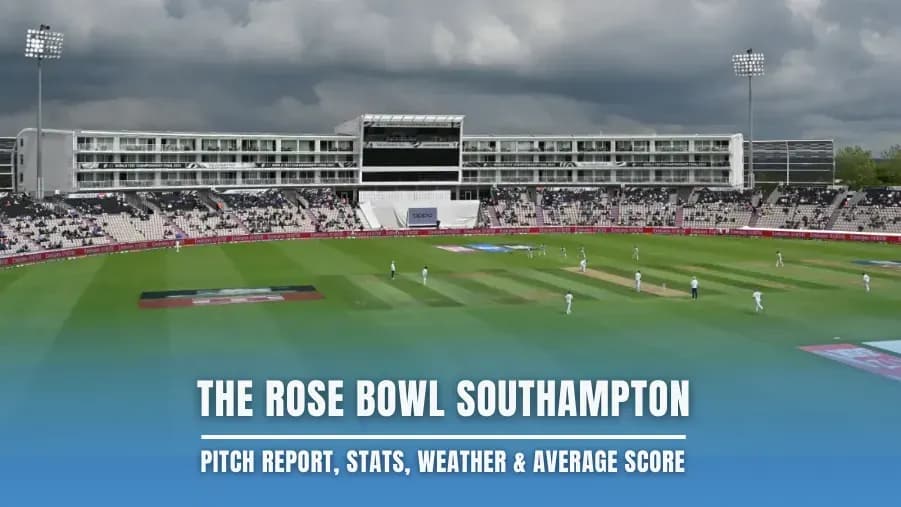
MetLife Stadium becomes the axis of the football world as Spain and Argentina walk out for a World Cup Final that feels less like a match and more like a clash of footballing ideologies. The scoreboard will eventually read Spain 1–0 Argentina after extra time, but the tactical story begins long before the decisive strike in the added 30 minutes.
I. The Big Picture – Two Perfect Beasts Collide
Heading into this game, both sides had carved near-perfect paths through the tournament. From the group phase, Spain arrived as the meticulous machine of Group H: 1st place with 7 points, a goal difference of +5 built on 5 goals scored and none conceded in 3 matches. Across the entire campaign, Spain had been even more ruthless. Overall they had played 8 fixtures, winning 7 and drawing 1, with no defeats. They scored 14 goals in total and conceded just 1, an overall average of 1.8 goals for and 0.1 against per game. At home they averaged 2.0 goals for and 0.2 against; on their travels they still carried 1.3 goals for and 0.0 against. Seven clean sheets overall and only one match in which they failed to score underscored a side with balance and control.
Argentina, crowned kings of Group J, arrived with a different kind of authority. They topped their group with 9 points, a +7 goal difference, scoring 8 and conceding 1 in 3 games. Across 8 fixtures overall they were similarly dominant: 7 wins and just 1 defeat, with 19 goals scored and 8 conceded. Their overall attacking output of 2.4 goals per game was heavier than Spain’s, but they allowed 1.0 goal per match on average, far more porous than Luis de la Fuente’s side. At home Argentina averaged 2.8 goals for and 1.0 against; away from home 1.7 for and 1.0 against. Where Spain’s record whispered control, Argentina’s roared volatility.
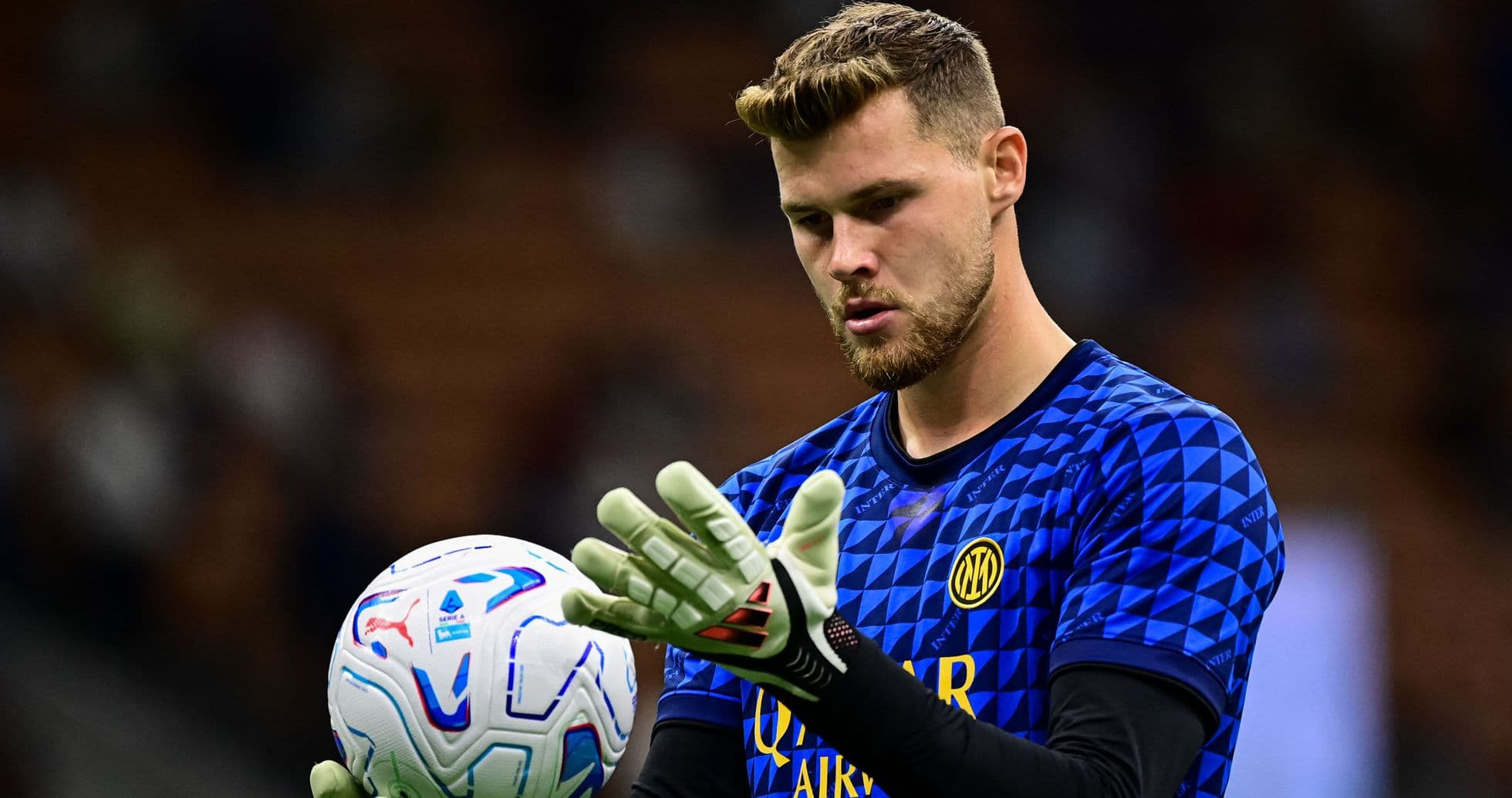
The formations told the story of those identities. Spain lined up in their trusted 4-2-3-1, a structure they had used in 6 matches this campaign, with Unai Simón behind a back four of Pedro Porro, Pau Cubarsí, Aymeric Laporte and Marc Cucurella. Rodri and Fabián Ruiz anchored midfield, with Lamine Yamal, Dani Olmo and Álex Baena supporting Mikel Oyarzabal as the lone forward. Argentina, under Lionel Scaloni, stayed loyal to their 4-4-2, their most-used shape with 5 appearances: Emiliano Martínez in goal; Gonzalo Montiel, Cristian Romero, Lisandro Martínez and Nicolás Tagliafico at the back; a midfield band of Rodrigo de Paul, Enzo Fernández, Alexis Mac Allister and Nicolás González; Lionel Messi and Julián Álvarez up front.
II. Tactical Voids and Discipline – Edges at the Margins
There were no listed absentees heading into this fixture, a rarity for a final of this intensity. That meant full tactical arsenals for both coaches – but also full disciplinary baggage.
Spain’s card profile this tournament had been concentrated in moments of tension rather than chaos. Their yellow cards peaked late in regulation and early in extra time: 33.33% of their cautions came between 31–45 minutes, 16.67% between 46–60, and a striking 50.00% between 91–105. That late spike hinted at a side willing to foul to protect a lead or survive a storm once legs and minds tired.
Argentina’s discipline, by contrast, had often walked the edge of the cliff. Their yellow cards were spread across the second half and extra time, but the sharpest spikes came deep into the night: 33.33% of their yellows arrived between 91–105 minutes and 20.00% between 106–120, with another 13.33% in each of the 31–45, 46–60 and 76–90 windows. Crucially, they had already seen one red card in the 91–105 interval. In a final expected to stretch to 120 minutes, that tendency to lose control in extra time loomed large.
III. Key Matchups – Hunter vs Shield, and the Engine Room
The headline duel is obvious: Lionel Messi, the tournament’s most devastating creator-finisher, against the tightest defensive unit in the competition.
Messi came into this final with 8 goals and 4 assists in 8 appearances, having taken 28 shots with 18 on target. He had created 26 key passes, completed 348 passes at 81% accuracy, and won 60 of 102 duels. His dribbling success – 27 completed from 38 attempts – made him Argentina’s primary line-breaker between the lines. Yet there was a crack in his otherwise peerless profile: from the spot, he had missed 2 penalties and scored none this campaign. For a side whose penalty record was already fragile – 3 penalties overall, just 1 scored and 2 missed – that mattered in a final where fine margins and potential spot-kicks often decide destinies.
Facing him was a Spanish defensive block that had conceded just 1 goal in 8 matches overall, with 7 clean sheets. At home they had let in only 1 goal across 5 fixtures; away from home they had not conceded at all. The central pairing of Pau Cubarsí and Aymeric Laporte, shielded by Rodri, formed the “Shield” in this hunter-versus-wall narrative. Spain’s biggest home win, 4-0, and their biggest away win, 2-0, both came with defensive control intact; their worst defensive outing at home still saw them concede just once.
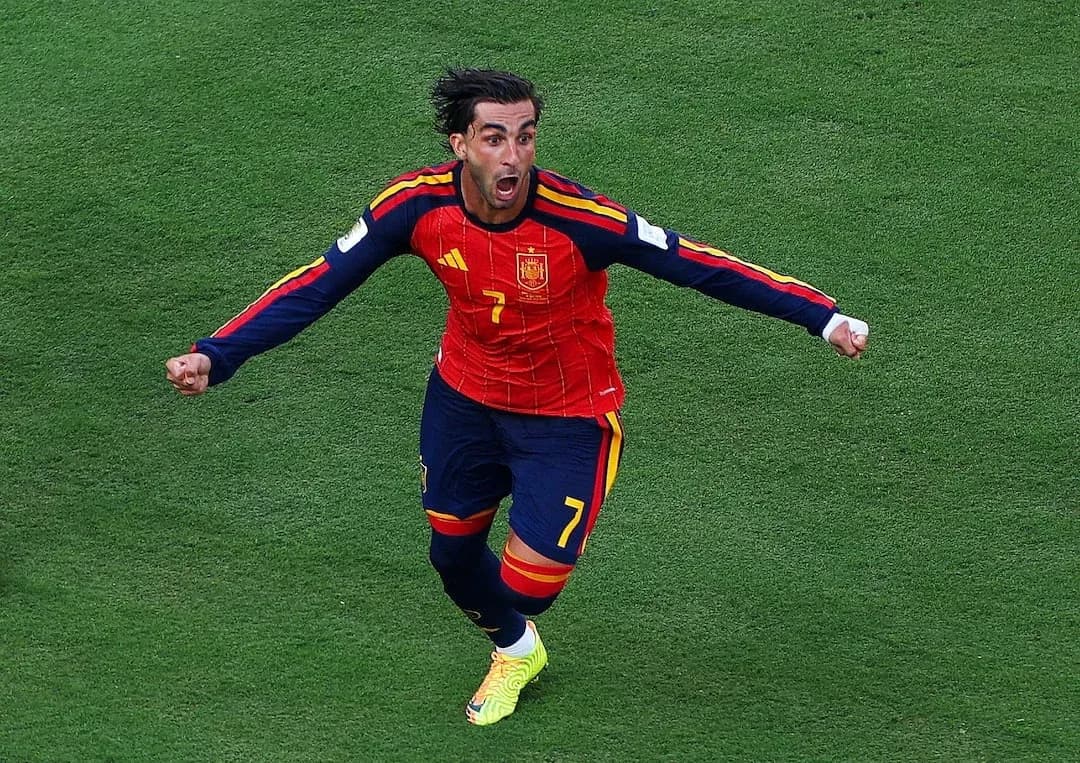
On the other side, Spain’s “Hunter” was Mikel Oyarzabal. With 5 goals and 1 assist in 8 appearances, 21 shots (12 on target), and a 1-from-1 record from the penalty spot, he was Spain’s most reliable finisher. His off-ball work – 6 tackles, 1 interception, 47 duels contested – fit perfectly into de la Fuente’s pressing structure. Behind him, Lamine Yamal and Dani Olmo added creativity and unpredictability, tasked with pulling Lisandro Martínez and Cristian Romero into uncomfortable spaces.
Argentina’s back line, however, was not a passive target. Romero had been one of the tournament’s standout defenders: 15 tackles, 3 blocked shots, 10 interceptions, and 33 duels won from 50. Lisandro Martínez added 12 tackles, 1 block, 6 interceptions and 30 duels won from 46. Both carried 2 yellow cards each, a sign of aggression that could either suffocate Oyarzabal or invite danger if mistimed. In front of them, Enzo Fernández – with 11 tackles, 1 block and 5 interceptions – and Alexis Mac Allister were asked to disrupt Spain’s rhythm, while also avoiding the disciplinary trap that had already seen Enzo pick up a yellow and a yellow-red combination earlier in the tournament.
The engine-room clash, then, pitted Rodri and Fabián Ruiz against Enzo Fernández and Rodrigo de Paul. Spain’s double pivot was built to recycle possession and control tempo; Argentina’s pair to inject verticality and bite. Over 8 matches, Spain’s midfield had helped engineer a side that rarely needed to chase games, while Argentina’s had powered a team comfortable in chaos, trading blows at a higher scoring rate but with more exposure at the back.
IV. Statistical Prognosis – Control vs Chaos
Strip away the names and history, and the numbers sketch a clear tactical prognosis.
Spain’s overall defensive record – 1 goal conceded in 8 matches, 7 clean sheets, 0.1 goals against per game – suggests that even Argentina’s 2.4 goals per game attack would struggle to find their usual rhythm. Spain’s own attack, at 1.8 goals per match overall and 2.0 at home, is not as explosive as Argentina’s, but it does not need to be when the back line is this watertight.
Argentina’s defensive profile – 8 goals conceded in 8 games, 1.0 per match, and only 2 clean sheets – points to vulnerabilities, especially against a side that can sustain pressure for long spells. Their disciplinary curve, peaking in extra time with both yellows and a previous red, collides ominously with Spain’s habit of tightening their grip late on and using tactical fouls in the 91–105 window.
Add in the penalty narratives and the margins tilt further. Spain have taken 1 penalty this campaign and scored it, a 100.00% conversion with no misses. Argentina have taken 3 and scored only 1, missing 2 – with Messi himself having failed to convert twice from the spot. In a final that indeed stretches to 120 minutes and finishes 1-0 after extra time without a shootout, the statistical script holds: Spain’s control, discipline and defensive solidity gradually suffocate Argentina’s chaos and firepower.
In the end, the squads on the MetLife pitch tell the story. Spain’s 4-2-3-1, honed across the tournament, bends but does not break under Messi’s artistry and Julián Álvarez’s movement. Argentina’s 4-4-2 lands its punches but cannot pierce the Shield often enough. The late spikes in Argentine cards, the fragility from the spot, and the cumulative strain of facing a side that almost never concedes all feed into a finale where one precise Spanish blow in extra time is enough to settle a World Cup Final that always felt destined to be decided on the smallest of tactical details.