Iran and New Zealand Battle to 2-2 Draw at SoFi Stadium
Iran and New Zealand produced a tactically balanced 2-2 draw at SoFi Stadium, a match that evolved from New Zealand’s early control to a more chaotic, transition-heavy second half. The contrasting structures—Iran’s 4-4-2 under Amir Ghalenoei against New Zealand’s 4-2-3-1 from D. Bazeley—created clear zones of superiority that shifted as the game wore on, with both sides leaning heavily on their key forwards and full-backs to tilt the contest.
First Half
New Zealand’s 4-2-3-1 set the initial tone through control of possession (52%) and cleaner circulation: 446 passes, 377 accurate (85%). The double pivot of Joe Bell and Marko Stamenic provided a stable platform to progress the ball, allowing the attacking midfield trio of Callum McCowatt, Sarpreet Singh and Elijah Just to occupy the half-spaces and pull Iran’s flat midfield line apart. The opening goal at 7'—E. Just finishing from a C. Wood assist—reflected this structure: Wood’s presence as a single striker pinned Iran’s centre-backs, while Just attacked from a wider starting position into the channel between full-back and centre-back.
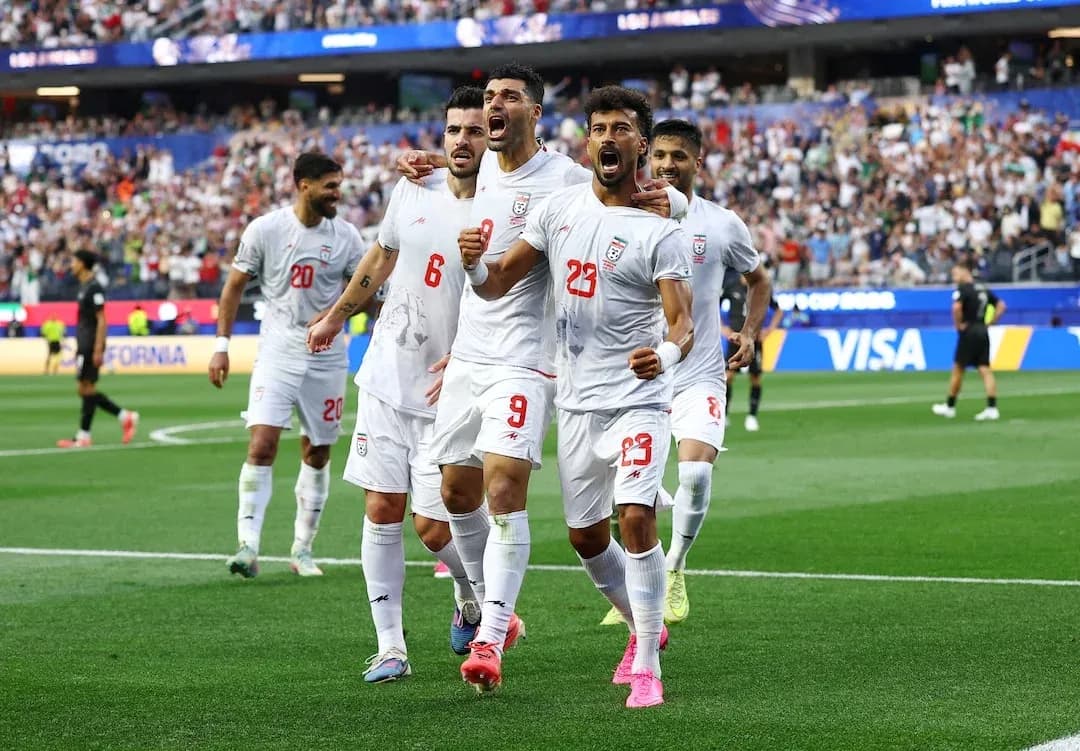
Iran’s 4-4-2, by contrast, was more vertical and direct. With two strikers, Shahriar Moghanlou and Mehdi Taremi, and wide midfielders willing to run beyond, Iran generated more overall attempts (17 total shots to New Zealand’s 14) and more blocked efforts (5 to 2), suggesting frequent shooting under pressure around the box. The equaliser at 32' from right-back Ramin Rezaeian illustrated Iran’s tendency to push full-backs high to compensate for being outnumbered centrally. Once in advanced zones, Iran’s wide players and overlapping full-backs tried to overload New Zealand’s full-backs, particularly down Rezaeian’s flank.
Tactical Analysis
The xG profile underlines the tactical balance: Iran’s xG of 1.5 versus New Zealand’s 1.24 shows Iran creating slightly higher-quality chances despite having less of the ball. New Zealand were more selective but efficient in their shot locations—10 of their 14 attempts came inside the box, matching Iran’s 10 shots inside the box but with a superior shots-on-goal return (8 to Iran’s 4). This speaks to New Zealand’s structured approach in the final third, often working the ball into central areas for Wood or late-arriving midfielders, rather than relying on low-percentage efforts.
Out of possession, Iran accepted longer spells without the ball, committing only 10 fouls and collecting a single yellow card. Their defensive line, anchored by Shoja Khalilzadeh and Ali Nemati, tried to stay compact, but the 4-4-2 shape occasionally left the pivot Saeid Ezatolahi exposed when New Zealand rotated through the half-spaces. New Zealand, with just 8 fouls and no bookings, defended with more ball-oriented shifting, using their double pivot to screen passes into Iran’s forwards and trusting their back four in aerial duels and crosses.
Goalkeeper Dynamics
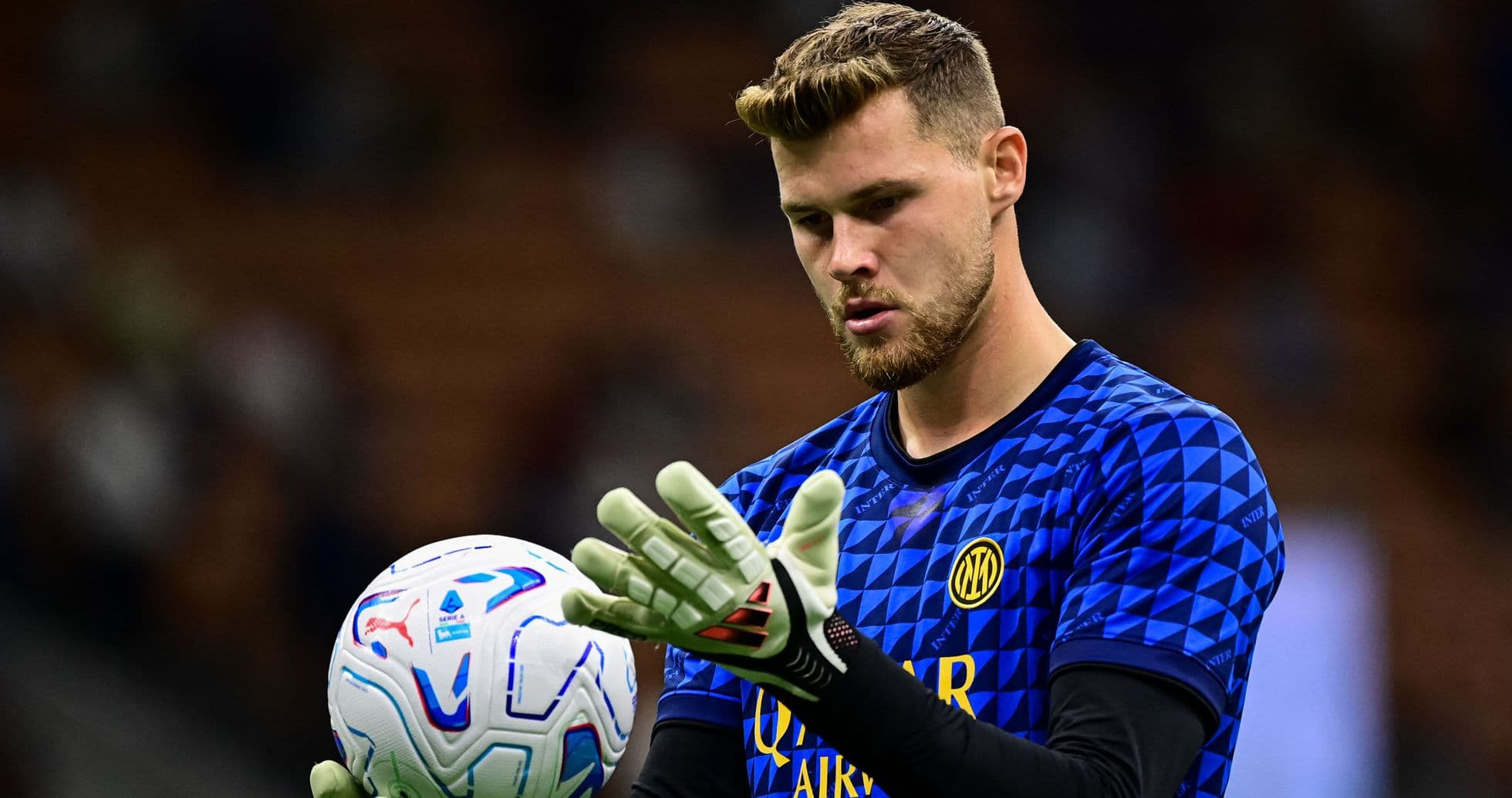
Goalkeeper dynamics were revealing. Alireza Beiranvand (Iran) faced sustained pressure phases and made 6 saves, a figure that matches New Zealand’s 8 shots on goal but also reflects Iran’s willingness to allow New Zealand to reach shooting positions before closing. His workload suggests that while Iran limited the total shot count, the shots that did come were often on target, placing responsibility on the last line. At the other end, Max Crocombe (New Zealand) made 2 saves against Iran’s 4 shots on goal, indicating that Iran’s finishing was less accurate despite their higher volume of attempts. Both goalkeepers are credited with goals prevented of -0.2, implying that, relative to the xG of shots faced, each conceded slightly more than an average keeper might be expected to.
Substitution Patterns
The substitution patterns show how both coaches tried to adjust the tactical picture. For Iran, the 46' change—Mehdi Ghayedi (IN) came on for Aria Yousefi (OUT)—signalled a shift toward more attacking width and dribbling threat, aiming to stretch New Zealand’s defensive block. At 53', Ali Alipour (IN) came on for Shahriar Moghanlou (OUT), refreshing the front line to maintain depth runs behind New Zealand’s defence. The 65' change, Ehsan Hajsafi (IN) for Saman Ghoddos (OUT), added more balance and experience on the flank, and later at 80' Amirhossein Hosseinzadeh (IN) replaced Mehdi Taremi (OUT), suggesting a desire for fresh legs and pressing intensity in the final minutes.
New Zealand’s changes were more about maintaining structural integrity while adding energy. At 68', Benjamin Old (IN) came on for Liberato Cacace (OUT), and Ryan Thomas (IN) for Callum McCowatt (OUT), moves that refreshed both flank and central creativity. At 78', Callan Elliot (IN) came on for Tim Payne (OUT), keeping the right side defensively stable. In added time, Jesse Randall (IN) came on for Sarpreet Singh (OUT) and Tyler Bindon (IN) for Marko Stamenic (OUT) at 90+2', late adjustments likely aimed at preserving the draw and adding defensive solidity.
Set Pieces and Tactical Split
Set pieces and territorial pressure also reflected the tactical split. Iran’s 4 corner kicks to New Zealand’s 1 underline how often Iran managed to pin New Zealand back in phases, especially after falling behind 2-1. Yet New Zealand’s cleaner build-up and superior passing accuracy allowed them to escape pressure and construct more controlled attacks rather than relying on second balls.
In the end, Iran’s 405 passes, 312 accurate (77%), versus New Zealand’s 446 and 377 (85%), encapsulate the story: New Zealand as the more controlled, possession-oriented side, Iran as the more direct, volume-based attacking threat. The 2-2 scoreline is consistent with the underlying metrics: Iran’s slightly higher xG and shot volume balanced by New Zealand’s better shot quality and more frequent testing of Beiranvand. Tactically, both systems functioned broadly as intended, but neither side could impose enough sustained superiority to turn structural advantages into a decisive win.