France Dominates Sweden in World Cup Round of 32
MetLife Stadium in New York staged a Round of 32 tie that felt more like a statement of intent. France arrived as the World Cup’s form side, top of Group I with a perfect record and an overall goal difference of +8 from the group phase (10 scored, 2 conceded). Sweden, second in their section with 7 goals for and 7 against overall, came in as dangerous underdogs. By full time, the scoreline – France 3, Sweden 0 – underlined the gulf in efficiency, but it was the structural contrast between the sides that truly told the story.
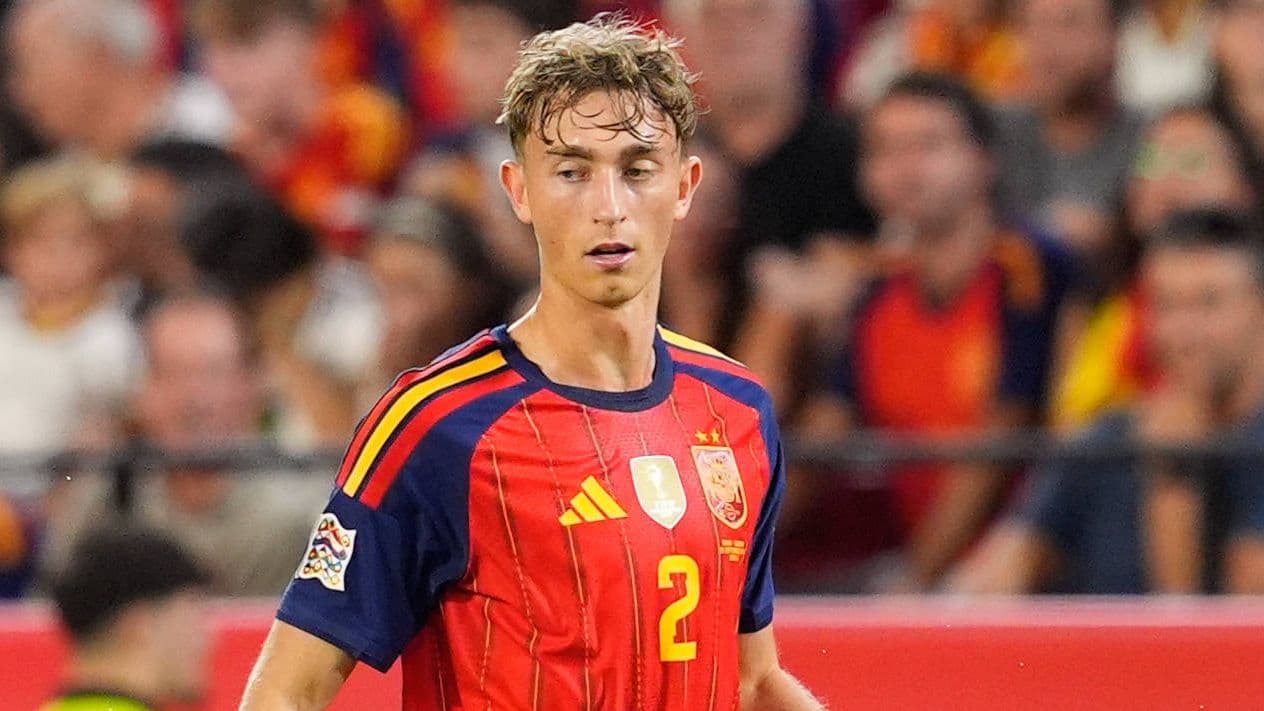
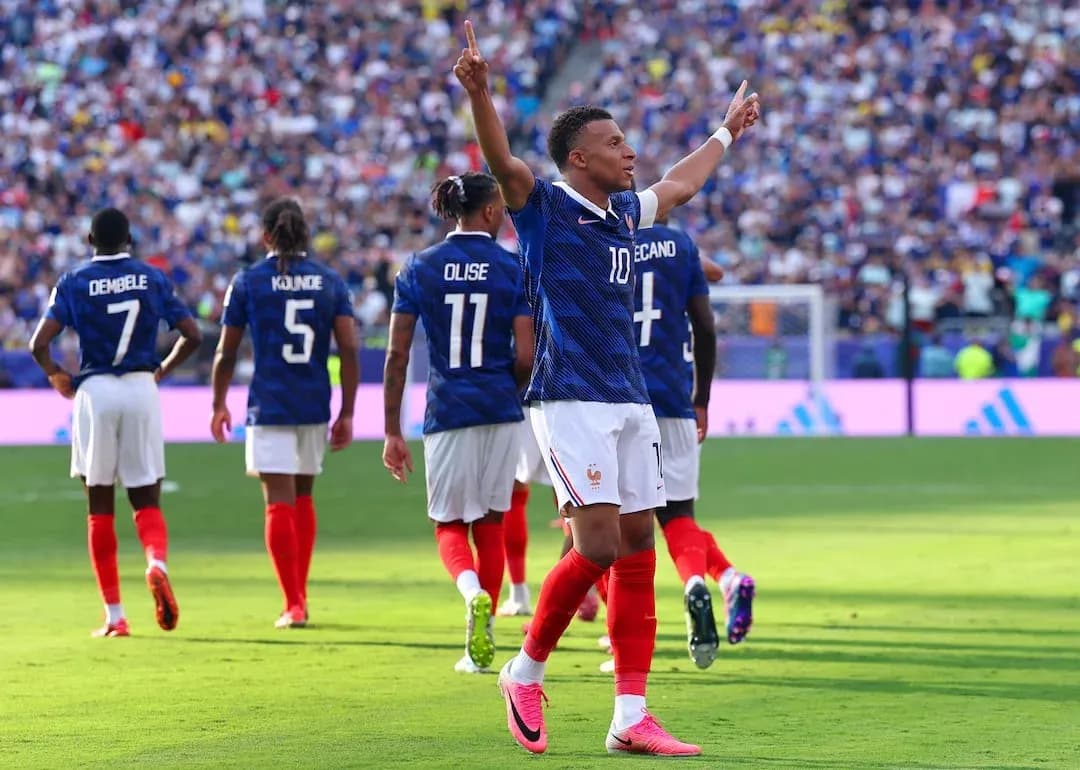
Didier Deschamps stayed loyal to what has become France’s tournament blueprint: a 4-2-3-1 that is far more aggressive than the label suggests. Mike Maignan anchored a back four of Jules Koundé, Dayot Upamecano, William Saliba and Lucas Digne. Ahead of them, Aurélien Tchouameni and Adrien Rabiot formed a double pivot designed less to sit and more to spring. The three in front – Ousmane Dembélé on the right, Michael Olise centrally, Bradley Barcola from the left – acted as accelerants for Kylian Mbappé, the lone nominal forward but in reality a roaming, devastating spearhead.
The numbers France brought into this tie framed the intent. Heading into this game, they had played 4 fixtures overall, winning all 4. At home they had played 3 and won 3; on their travels they had played 1 and won 1. They had scored 13 goals overall – 9 at home and 4 away – at an overall rate of 3.3 goals per match, with a 3.0 average at home and 4.0 away. Defensively, they had conceded just 2 overall – 1 at home and 1 away – an overall average of 0.5 per match (0.3 at home, 1.0 away). Two clean sheets overall and no failures to score painted the picture of a side that imposes itself regardless of venue.
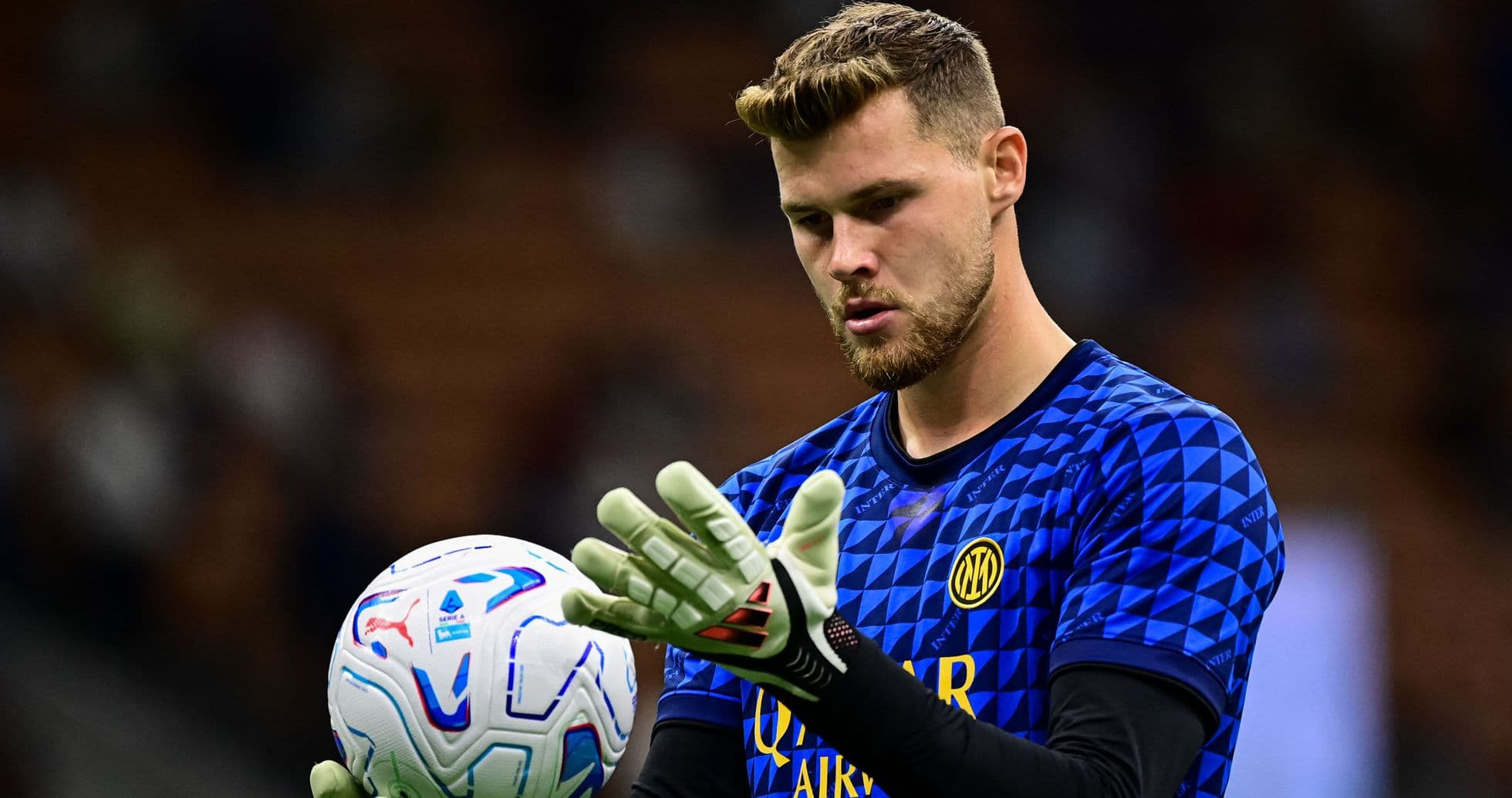
Sweden, by contrast, arrived as a team still searching for equilibrium. Graham Potter opted for a 4-4-2 here, a departure from the back-three shapes he had used most often in the tournament. Jesper Widell Zetterström started in goal behind a back four of Daniel Svensson, Gustaf Lagerbielke, Victor Lindelöf and Gabriel Gudmundsson. The midfield line of Anthony Elanga, Lucas Bergvall, Yasin Ayari and E. Stroud sat behind a front pair of Viktor Gyökeres and Alexander Isak.
Their broader tournament data suggested volatility. Heading into this match, Sweden had played 4 fixtures overall: 1 win, 1 draw and 2 defeats. At home they had played 1 and won it; on their travels they had played 3, drawing 1 and losing 2. The attack was oddly split: 7 goals overall, but 5 of those at home and just 2 away. That translated to an overall scoring rate of 1.8 goals per match, but 5.0 at home and only 0.7 on their travels. Defensively, the imbalance was stark: 10 goals conceded overall, 1 at home and 9 away, for an overall average of 2.5 per match – 1.0 at home, 3.0 on their travels. No clean sheets overall and 1 match overall in which they failed to score completed the portrait of a side that opened up but often bled at the back.
In that context, Deschamps’ selection felt ruthless. Mbappé arrived as the tournament’s most devastating finisher: 6 goals and 2 assists overall from 4 appearances, with 19 shots and 13 on target, and an 8.65 average rating. He had also created 10 key passes with an 88% passing accuracy, a reminder that his threat is as much about gravity as goals. Dembélé, with 4 goals and 2 assists overall, had been almost as incisive, marrying 7 shots (5 on target) with 9 key passes and 8 successful dribbles. Olise, the competition’s leading creator with 5 assists overall, had quietly become the metronome in the half-spaces: 211 passes overall at 87% accuracy, 9 key passes, 11 attempted dribbles with 8 completed, and 34 duels contested, 19 won. Together, this trio turned the nominal 4-2-3-1 into a fluid front four that constantly overloaded the channels around Sweden’s centre-backs.
On the other side, Sweden’s hopes rested on the “Hunter vs Shield” axis of Gyökeres and Isak against France’s miserly defence. Gyökeres entered with 1 goal and 2 assists overall, 9 shots (6 on target) and 40 duels contested, winning 16 – a physical focal point who thrives on chaos. Isak, with 1 goal and 3 assists overall, 7 shots (6 on target) and 7 key passes, offered a subtler threat between the lines. But they were running into a French unit that, heading into this game, had allowed just 2 goals overall in 4 matches, with Upamecano and Saliba largely untroubled in open play and Maignan scarcely tested.
The “Engine Room” duel centred on Olise against Sweden’s young organiser Bergvall. Bergvall had emerged as a combative presence: 84 passes overall at 88% accuracy, 3 tackles, 2 interceptions and 23 duels contested, winning 10. He also carried a disciplinary edge, with 1 yellow card overall and 7 fouls committed. That profile mattered against a French side that, heading into this tie, had only 1 yellow card overall, all of it concentrated in the 61–75 minute band – a late-game spike of aggression rather than a chronic issue. Sweden’s card pattern was more diffuse: 5 yellows overall, spread across 31–45, 46–60, 61–75 and 76–90, with a clear late-game surge – 40% of their yellows arriving from 76–90. Against France’s relentless tempo, that hinted at a risk of Sweden losing composure just as Mbappé and Dembélé typically turn the screw.
Tactically, Potter’s switch to a back four looked like an attempt to gain more width in midfield and protect the half-spaces, but it also stripped Sweden of the extra central defender that might have been essential against Mbappé’s diagonal runs and Dembélé’s one‑v‑one isolations. Lagerbielke and Lindelöf were repeatedly asked to defend large gaps, with Ayari and Bergvall forced to choose between screening Tchouameni and Rabiot or closing down Olise between the lines. Every time they stepped, France found the spare man.
France’s season-long statistical DNA suggested that once they scored, they rarely allowed opponents back into the game. With no losses overall, no failures to score overall, and an overall goals-for to goals-against ratio of 13:2 heading into this match, their xG profile – while not explicitly stated – could confidently be inferred as superior to their opponents’ in most outings. Sweden’s away figures – 2 goals for and 9 against on their travels, with an away average of 0.7 scored and 3.0 conceded – pointed to a side that struggled to create high-quality chances while conceding plenty.
In the end, the 3–0 scoreline felt like the logical intersection of those trends. France’s attacking core – Mbappé the finisher, Dembélé the disruptor, Olise the architect – overwhelmed a Swedish back line that has been porous on their travels throughout the tournament. Gyökeres and Isak, starved of sustained possession and facing a defence that had conceded only 2 goals overall before this tie, were reduced to half-chances and isolated runs.
Following this result, France’s profile hardens into that of the tournament’s most complete side: structurally stable, tactically coherent, and led by individual talents whose numbers back up their aura. Sweden exit with flashes of promise – particularly from Bergvall, Isak and Gyökeres – but also with a clear mandate: if they are to trouble the elite in future tournaments, their defensive architecture on their travels must be rebuilt from the ground up.