Fiorentina Upsets Juventus with Tactical Brilliance
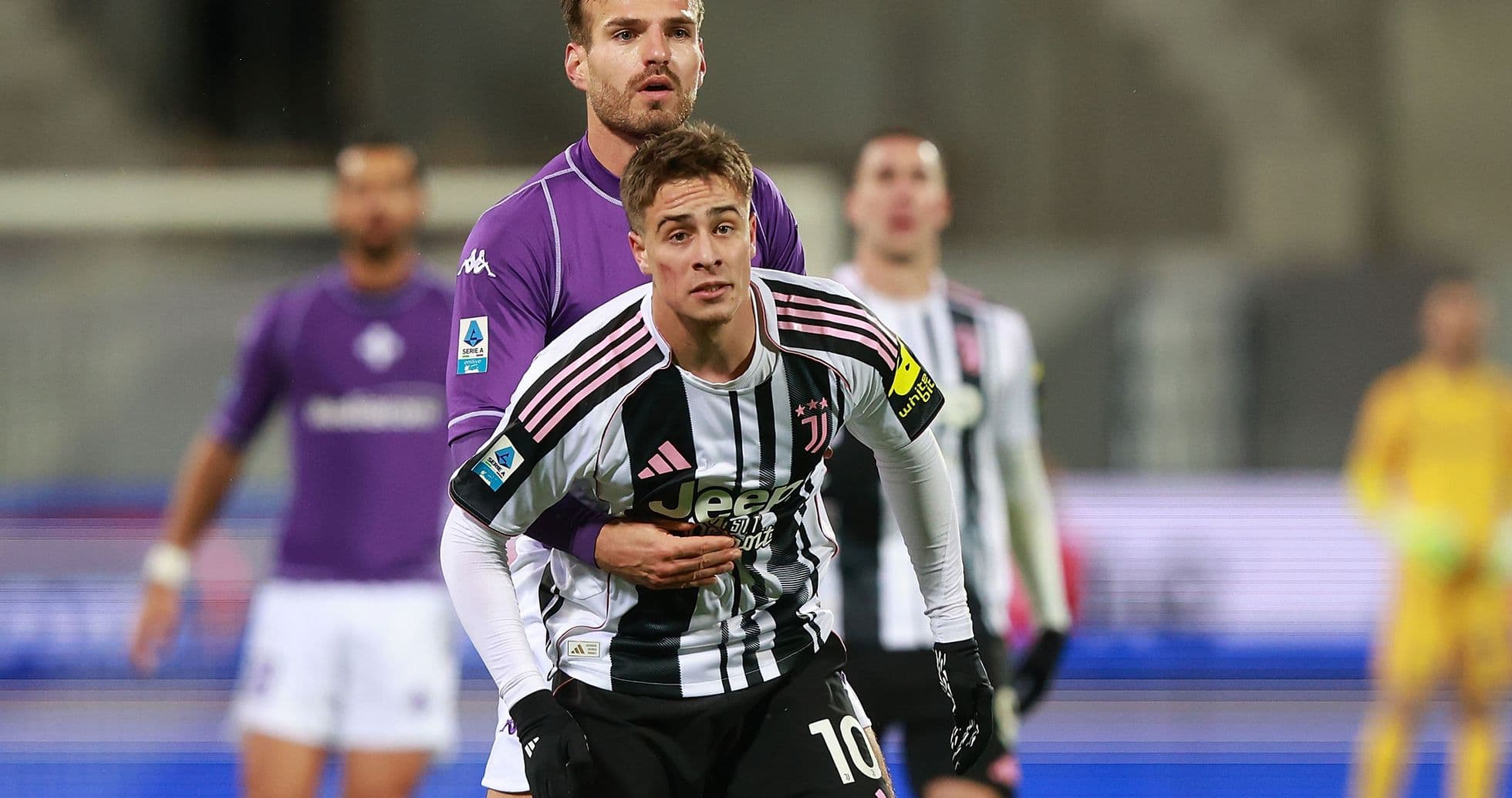
Allianz Stadium felt unusually subdued at full time. Under the bright Turin sun, a Juventus side that has built its season on control and defensive certainty were picked apart 2–0 by a Fiorentina team that arrived as underdogs but left with a statement win. Following this result in Serie A’s Round 37, the numbers tell of a gap in sharpness more than in structure: Juventus remain 6th on 68 points with a goal difference of 27 (59 scored, 32 conceded overall), while Fiorentina, 15th with 41 points and a goal difference of -9 (40 for, 49 against overall), showed why league position doesn’t always capture tactical clarity on the day.
I. The Big Picture – Structures and Seasonal DNA
Juventus lined up in a 4-2-3-1 under Luciano Spalletti, a shape they have used only 6 times this league campaign compared to 23 outings in a 3-4-2-1. The back four of P. Kalulu, Bremer, L. Kelly and A. Cambiaso sat in front of M. Di Gregorio, with M. Locatelli and T. Koopmeiners anchoring midfield. Ahead of them, a creative trio of F. Conceicao, W. McKennie and K. Yildiz supported lone striker D. Vlahovic.
The shape was designed to tilt Juventus’ season-long strengths further forward. Heading into this game, they had scored 35 goals at home (an average of 1.8 per match at home) and conceded just 16 (0.8 per match at home), with 8 home clean sheets. Overall, 59 goals for and 32 against (a 27 goal difference) had underpinned a campaign of control rather than chaos.
Fiorentina, by contrast, arrived with a 4-3-3 under Paolo Vanoli – a system that has been their most-used structure this season with 14 league appearances. D. de Gea marshalled a back four of Dodo, M. Pongracic, L. Ranieri and R. Gosens. In midfield, C. Ndour, N. Fagioli and M. Brescianini formed a compact, hard-running trio behind a front line of F. Parisi, R. Piccoli and M. Solomon.
On their travels this season, Fiorentina had been fragile: 20 goals scored and 29 conceded away (an average of 1.1 for and 1.5 against away). Yet the 4-3-3 promised verticality in transition and numbers around the ball – exactly what you need to disrupt Juventus’ rhythm.
II. Tactical Voids and Discipline
The only officially listed absentee was M. Kean for Fiorentina, ruled out with a calf injury. Interestingly, his absence forced Vanoli to lean fully into mobility and pressing from the front rather than a more direct focal point. Piccoli’s running, Parisi’s work rate and Solomon’s drifting between lines allowed Fiorentina to defend from the front and prevent Locatelli from dictating tempo.
Juventus came into the match with a clear disciplinary profile. Across the season, their yellow cards peak between 61–75 minutes at 22.00% and 76–90 minutes at 20.00%, a clear late-game surge in aggression once control begins to slip. Red cards have been rare but telling: 50.00% of their reds arrive between 31–45 minutes and another 50.00% between 76–90 minutes, highlighting emotional spikes around half-time and full-time.
Fiorentina’s card map is even more volatile. Their yellow cards spike late: 25.30% between 76–90 minutes, and another 15.66% in 91–105 minutes, underlining how often they are hanging on in the closing phases. Red cards are also heavily clustered: 66.67% between 76–90 minutes, with an additional 33.33% in the undefined range, reinforcing the image of a team that can lose control when games stretch.
In this match, though, Fiorentina’s discipline held long enough to allow their structure to do the work. Juventus, chasing the game after going behind, leaned into that familiar late urgency – but without the payoff.
III. Key Matchups – Hunter vs Shield, Engine Room vs Enforcer
The headline duel was always going to be Juventus’ attacking core against Fiorentina’s shaky away defence. Heading into this game, Fiorentina had conceded 29 goals away (1.5 per match away). On paper, that should have been fertile ground for K. Yildiz, Vlahovic and the advanced midfielders.
Yildiz, one of Serie A’s standout young attackers, came in with 10 league goals and 6 assists overall, supported by 64 total shots (40 on target) and 76 key passes. His 149 attempted dribbles with 78 successes underline his role as the primary ball-progressor between the lines. Against a centre-back pairing of Pongracic and Ranieri – both high-volume defenders – the duel was always going to be about whether Yildiz could unbalance them before they could set their line.
Pongracic, the league’s leading yellow-card collector with 12 yellows, is an aggressive front-foot defender: 32 tackles, 26 blocked shots and 35 interceptions overall speak of a player who steps out rather than sits back. Ranieri adds 34 tackles, 13 blocks and 24 interceptions, plus a red card and 8 yellows, underlining a similarly combative approach. Together, they formed a shield that, on the day, stayed just the right side of the disciplinary line.
In midfield, the “engine room” battle pitted Locatelli and Koopmeiners against Fagioli and Brescianini. Locatelli’s season has been immense: 2720 passes with 46 key passes, 99 tackles, 23 blocks and 38 interceptions overall, plus 9 yellow cards. He is Juventus’ metronome and enforcer in one. Fiorentina’s response was collective rather than star-driven. Fagioli and Brescianini compressed space centrally, while Ndour shaded across to block passing lanes into McKennie and Yildiz.
McKennie’s own profile – 5 goals, 5 assists, 47 key passes and 39 tackles overall – normally gives Juventus a late-arriving threat in the box. But Fiorentina’s compact 4-3-3, with wingers diligently tracking back, forced him into wider, less dangerous positions, disconnecting him from Vlahovic.
IV. Statistical Prognosis – Why the Game Tilted
From a season-long lens, Juventus’ overall averages (1.6 goals scored and 0.9 conceded per match overall) against Fiorentina’s 1.1 scored and 1.3 conceded overall would normally project a home win, especially at a venue where Juventus have lost only 2 of 19 league matches this campaign. Their 16 clean sheets overall and just 7 total defeats underline a side built to suffocate opponents.
Yet the tactical snapshot of this match tells a different story. Fiorentina’s 4-3-3, already their most stable formation this season, found its perfect expression: compact between the lines, aggressive in duels, and ruthless when chances came. With Fiorentina having scored 20 goals away overall (1.1 per match away), the 2 goals in Turin represent an overperformance against their typical attacking output – a spike you would associate with a side beating its xG on the day through efficiency rather than volume.
Juventus, by contrast, fell into the trap that sometimes haunts possession-heavy sides late in the season: sterile control. Their structural switch away from the more familiar back three removed one line of progression and made them more predictable in the half-spaces where Yildiz usually thrives. The underlying season metrics still paint Juventus as the stronger, more balanced side, but this fixture was a reminder that defensive solidity and xG trends only set the stage; execution, on the day, writes the script.
Following this result, Fiorentina’s survival instincts and tactical clarity at Allianz Stadium will be remembered less as an upset and more as a blueprint: compress the Juventus engine room, channel Yildiz into traffic, and trust that, even against a defence that has conceded only 16 goals at home overall, precise, vertical attacks can bend the numbers in your favour.