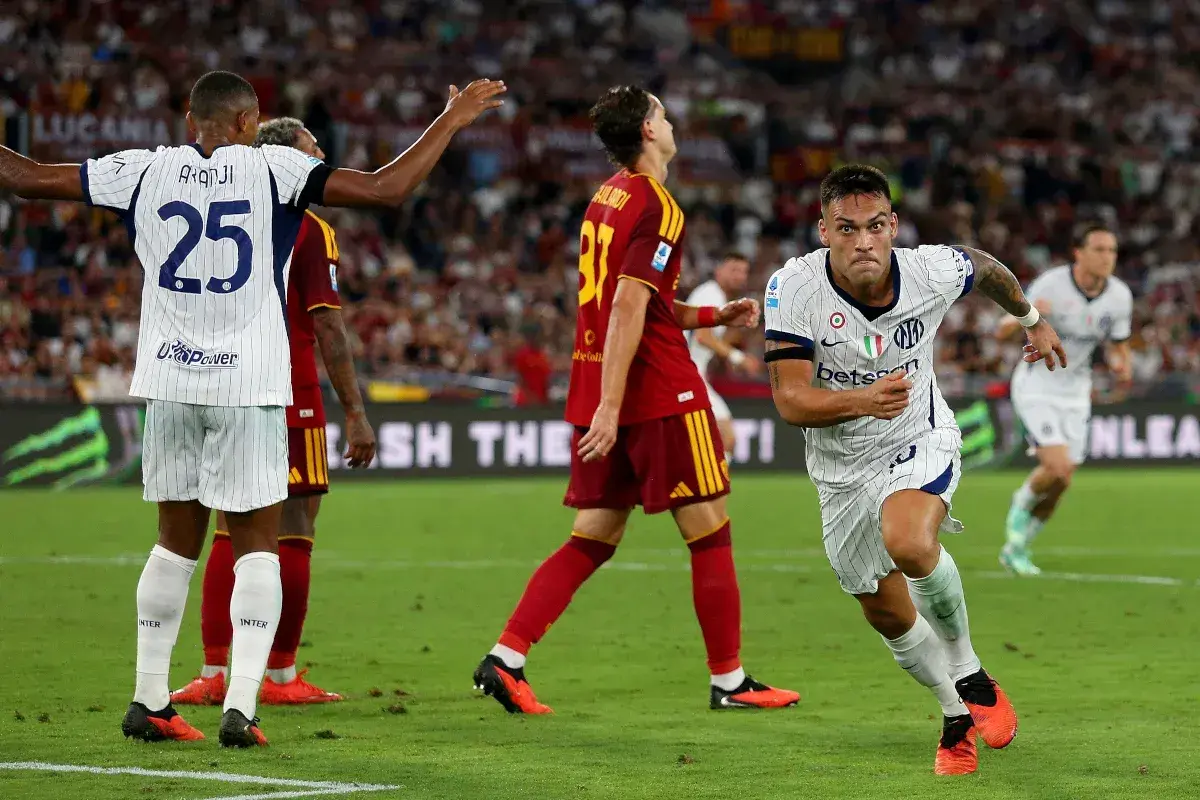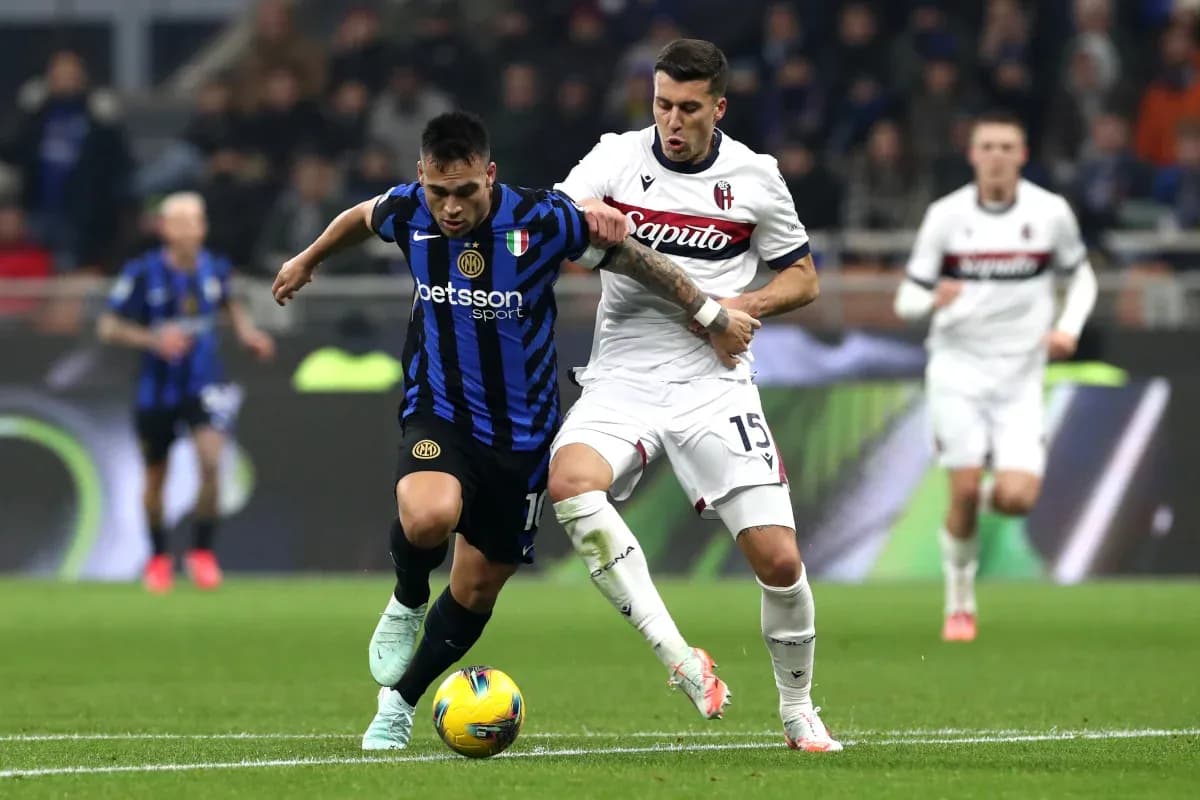
Bologna vs Inter: Tactical Exhibition in Serie A Finale
Stadio Renato Dall’Ara closed its Serie A season with a match that felt more like a tactical exhibition than a dead rubber. Bologna, finishing 8th on 56 points with a goal difference of 3 (49 scored, 46 conceded), went punch for punch with champions Inter, who ended top on 87 points and a towering goal difference of 54 (89 scored, 35 conceded). The 3-3 draw encapsulated both teams’ seasonal DNA: Bologna’s volatility and courage, Inter’s relentless attacking structure and occasional defensive looseness on their travels.
I. The Big Picture – Structures and Season Identities
Vincenzo Italiano’s Bologna lined up in a 4-3-3, a shape they had used less often than the 4-2-3-1 across the campaign but one that suited the occasion. L. Skorupski sat behind a back four of L. De Silvestri, E. Fauske Helland, J. Lucumi and J. Miranda. The midfield triangle of L. Ferguson, R. Freuler and T. Pobega offered a blend of running power and vertical passing, while the front three of F. Bernardeschi, S. Castro and J. Rowe promised mobility and interchange rather than a fixed reference point.
Heading into this game, Bologna’s season had been defined by contrast: solid overall but oddly fragile at home. Overall they averaged 1.3 goals scored and 1.2 conceded per match. At home they managed only 19 goals in 19 games (1.0 per match) while allowing 23 (1.2 per match). They failed to score at home 8 times, yet still stitched together 16 wins in total, driven largely by an impressive away record. This volatility underpinned the boldness of Italiano’s selection: if his team were going to live on the edge, they would do it with the ball.
Cristian Chivu’s Inter, by contrast, arrived with the clarity of a side that had lived in one system all year. The champions used their trademark 3-5-2, with J. Martinez in goal, a back three of Y. Bisseck, S. de Vrij and Carlos Augusto, a five-man midfield featuring A. Diouf, N. Barella, P. Sucic, P. Zielinski and F. Dimarco, and a front pair of F. Esposito and L. Martinez. Over the season, Inter’s numbers were those of a juggernaut: overall 2.3 goals scored per game, only 0.9 conceded, with 18 clean sheets and just 2 matches in which they failed to score. On their travels, they still averaged 2.1 goals for and only 1.0 against, a profile of a side that imposes itself even away from San Siro.
II. Tactical Voids – Absences and Discipline
The absences shaped the story before a ball was kicked. Bologna were without K. Bonifazi, N. Cambiaghi, N. Casale, R. Orsolini and M. Vitik. The loss of Orsolini was particularly significant: 10 league goals and 4 penalties scored (with 2 missed) made him their primary end-product threat and a natural wide outlet. Without him, the responsibility to create and finish shifted onto Bernardeschi and the youthful front line, forcing Bologna into more collective patterns rather than individual brilliance on the right flank.
Inter’s missing names were equally telling: M. Akanji, H. Calhanoglu, D. Dumfries and M. Thuram. Thuram’s 13 goals and 6 assists had been central to Inter’s vertical punch, while Calhanoglu’s 9 goals and 4 assists, plus his 4 penalties scored with 1 missed, usually gave the champions a metronome in deep midfield. Their absence nudged more creative burden onto Zielinski and Barella and more finishing pressure onto Lautaro Martinez.
From a disciplinary standpoint, both sides carried risk. Bologna’s yellow-card distribution showed a clear late-game spike: 26.87% of their yellows came between 61-75 minutes and 25.37% between 76-90, underlining how their intensity often tipped into rashness as legs tired. Inter, too, leaned into late aggression, with 31.25% of their yellows in the 76-90 window and another 20.31% between 61-75. It was no surprise that the final phase of the match became a chaotic, stretched contest, the kind of environment in which both attacks thrive and both defensive structures are strained.
III. Key Matchups – Hunter vs Shield, Engine Room Battles
The headline duel was obvious: Lautaro Martinez, Serie A’s top scorer for Inter with 17 goals and 6 assists, against a Bologna defence that, at home, conceded 1.2 goals per game and had shipped 23 in 19 at Dall’Ara. Without Bonifazi and Vitik as depth options, the central responsibility fell squarely on Lucumi and Fauske Helland. Lautaro’s 69 shots (39 on target) and 253 duels contested over the campaign spoke of a forward who never stops asking questions. Against a back line that has shown it can be opened up on its own pitch, his movement between the lines and into the channels was always likely to generate high-quality chances – reflected in a scoreline that did little to flatter Inter’s attacking output.
On the flanks, the “hunter vs shield” dynamic inverted. F. Dimarco, Serie A’s leading assist provider with 16, operated as a wide playmaker from the left of Inter’s five. His 96 key passes and 46 shots underlined how he functions almost as a hybrid winger and deep-lying forward. De Silvestri, on Bologna’s right, was tasked with containing him while also providing width. Every time Bologna’s right-back stepped out to press Dimarco, space opened for Esposito and Lautaro to dart into the half-space behind him.
In midfield, the “engine room” duel pitted Inter’s Barella and Sucic against Bologna’s Freuler and Ferguson. Barella’s 8 assists and 72 key passes framed him as Inter’s tempo shifter, constantly looking for vertical lanes. Freuler, Bologna’s positional anchor, had to screen central zones without the safety net of a double pivot, given Italiano’s 4-3-3. Ferguson’s role, shuttling to press Inter’s deep playmakers and then arriving late in the box, was crucial in turning Bologna’s spells of pressure into goals – a pattern borne out by their ability to hit three past a side that had conceded only 35 all season.
IV. Statistical Prognosis – xG Logic Behind a 3-3
Following this result, the 3-3 felt less like an anomaly and more like an inevitable collision of profiles. Inter’s season-long attacking numbers suggested they would generate multiple big chances regardless of venue; Bologna’s home record suggested they would concede but also, with Italiano’s aggressive shape, find ways to hurt even the league’s best defence.
Inter’s away average of 2.1 goals for and Bologna’s overall 1.3 suggested a baseline expectation of a high-scoring encounter, even before factoring in the absence of Calhanoglu’s control and Orsolini’s cutting edge. The late-card tendencies for both teams pointed to a game that would grow more open and error-prone in the final half-hour – precisely when fatigue frays pressing structures and xG spikes through transitions and broken play.
In tactical terms, Inter’s 3-5-2 still produced its usual volume of chances, with Dimarco and Barella supplying Lautaro and Esposito. Bologna’s 4-3-3, however, was brave enough to keep three forwards high, pinning back Inter’s wing-backs and forcing the champions’ back three into more one-v-one defending than they typically face. The result was a contest where both Expected Goals tallies would have been robust, and where a six-goal share felt like the logical outcome of two sides leaning fully into their identities on the final day.