England’s Tactical Shift Secures 2-1 Victory Over Congo DR
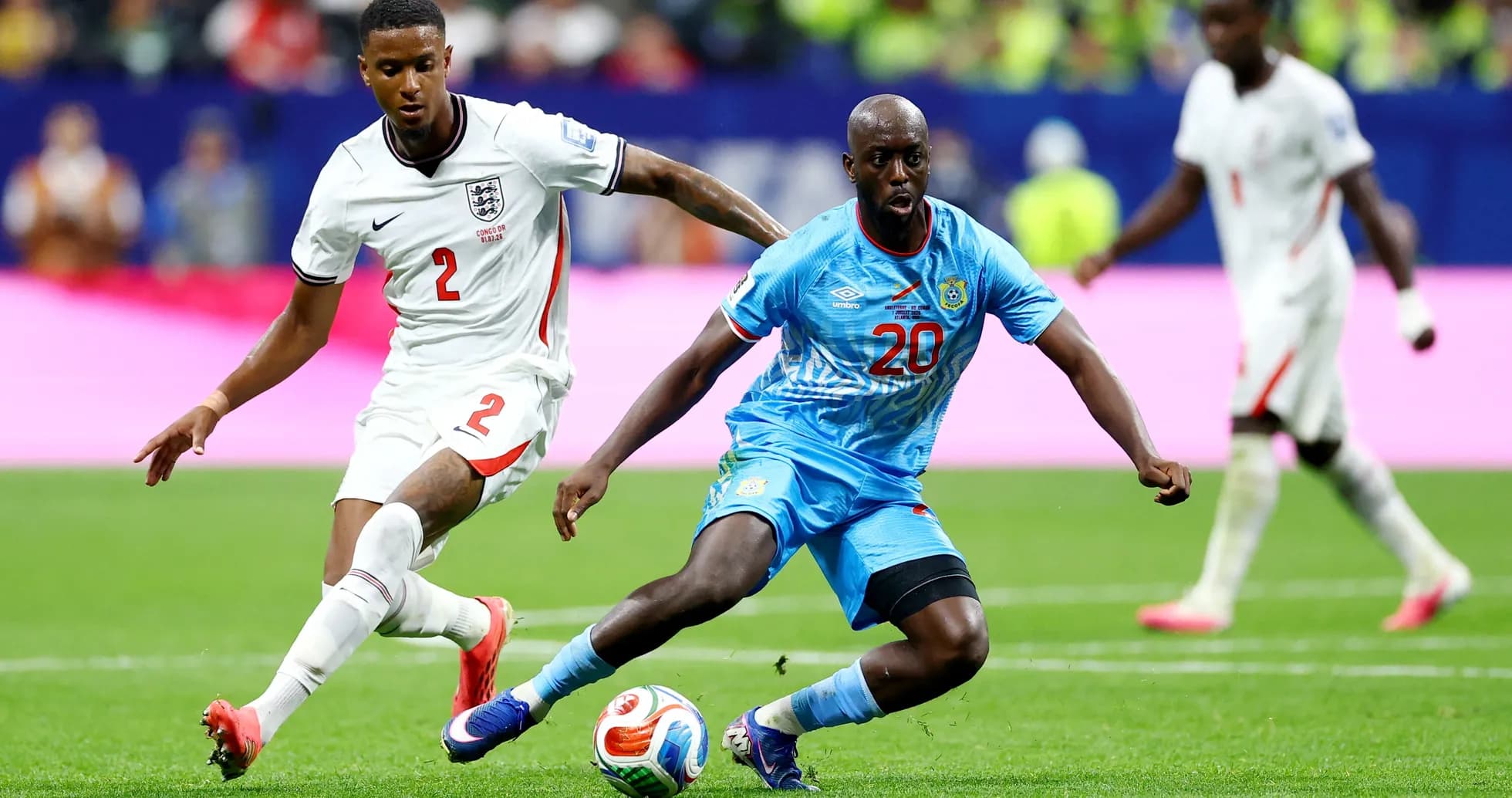
England’s 2-1 comeback win over Congo DR at Mercedes-Benz Stadium was a tactical arm-wrestle that England eventually bent to their will through structure, control and a decisive reshaping of the attacking unit on the hour. The Round of 32 tie began with England in a 4-2-3-1 under Thomas Tuchel against Sebastien Desabre’s 4-3-3, but the story of the match is how England’s possession platform slowly suffocated Congo DR’s early threat and then, via targeted substitutions, converted territorial dominance into scoreboard control.
Congo DR struck first and exposed England’s initial structural vulnerability. In the 7th minute, a direct pattern from the visitors’ 4-3-3 saw Brian Cipenga peel into an advanced left-sided pocket, with Chancel Mbemba stepping out from the back to link play. The move ended with Cipenga finishing a “Normal Goal” action, underlining Congo DR’s plan to use their wide forwards against England’s full-backs in isolation. With England’s double pivot of Declan Rice and Elliot Anderson initially conservative, the hosts were too flat in their 4-2-3-1 rest defence, leaving the back four exposed when Congo DR broke the first line.
From there, the game tilted almost entirely into England’s half of the pitch in terms of territory and the ball. England finished with 60% possession and a pronounced passing advantage: 517 passes, 468 accurate (91%), against Congo DR’s 365 passes, 299 accurate (82%). That differential reflects England’s controlled build-up through Marc Guéhi and Ezri Konsa, using Rice as the main circulation hub. Jude Bellingham operated between the lines as the central “10”, but Congo DR’s compact midfield three of Ngal’ayel Mukau, Samuel Moutoussamy and Noah Sadiki narrowed the central lanes effectively in the first half, forcing England wide and limiting the quality of central entries.
The early yellow card for Bellingham on 19' (“Foul”) slightly tempered his out-of-possession aggression and may have contributed to England’s caution when counter-pressing. Congo DR’s own booking for Sadiki on 27' (“Foul”) highlighted how often England were able to pin them back and force last-ditch interventions in midfield. Still, Congo DR’s 4-3-3 remained vertically dangerous: with only 7 total shots, they were highly selective, but they forced England to respect transitions and contributed to England’s relatively modest 3 blocked shots despite their territorial dominance.
The turning point in the game’s tactical narrative arrived around the hour mark. At 44', a potential penalty for Harry Kane was cancelled by VAR (“Penalty cancelled”), a warning that England’s box occupation was improving but still not yielding returns. Tuchel reacted decisively on 60', using a double substitution that fundamentally rebalanced the attacking line:
- Bukayo Saka (IN) came on for Noni Madueke (OUT).
- Anthony Gordon (IN) came on for Marcus Rashford (OUT).
This switch sharpened England’s wide threat and pressing. Saka’s tendency to receive to feet and combine inside, and Gordon’s direct running from the left, gave Kane clearer reference points to drop off and link. England’s 4-2-3-1 now looked more like a 2-3-5 in sustained attack: full-backs Djed Spence and Nico O’Reilly pushed high, Rice anchored the rest defence, and Bellingham plus Anderson attacked the half-spaces.
The statistical impact of England’s structural superiority is stark in the shot profile. England generated 16 total shots to Congo DR’s 7, with 13 of those English efforts coming inside the box. Their xG of 2.04 closely mirrors the final tally of two goals, indicating that the volume and quality of chances were broadly in line with the outcome. Congo DR, by contrast, produced 0.8 xG from just 2 shots on target and 2 shots inside the box, underlining how much of their attacking threat came from lower-probability efforts from distance once England settled.
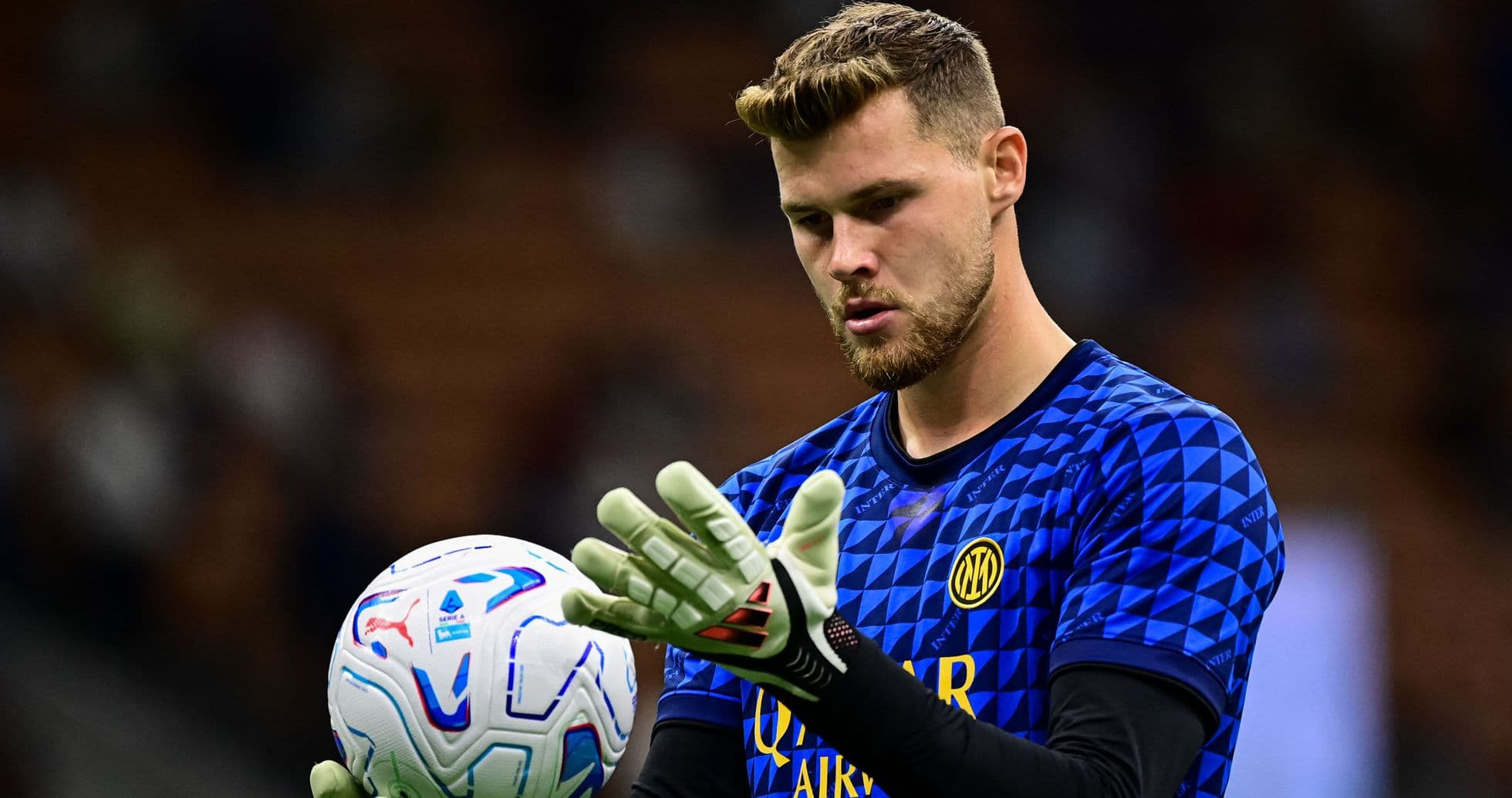
Defensively, England’s control meant Jordan Pickford (England) was rarely called into action, registering just 1 save. That low number is consistent with Congo DR’s limited shots on goal and England’s improved counter-press once Saka and Gordon entered. On the other side, Lionel Mpasi Nzau (Congo DR) made 5 saves, and that workload reflects both England’s territorial dominance and Congo DR’s increasingly deep defensive block. Notably, Congo DR’s goals prevented figure of -0.04 suggests their goalkeeper conceded roughly in line with the quality faced, while England’s identical -0.04 indicates that Pickford (England) also performed to expectation rather than over- or under-performing.
The substitutions from Desabre on 64' and 76' were reactive rather than transformative. For Congo DR:
- Meschak Elia (IN) came on for Nathanaël Mbuku (OUT) at 64'.
- Théo Bongonda (IN) came on for Brian Cipenga (OUT) at 76'.
- Edo Kayembe (IN) came on for Ngal’ayel Mukau (OUT) at 76'.
- Fiston Mayele (IN) came on for Samuel Moutoussamy (OUT) at 89'.
- Joris Kayembe (IN) came on for Arthur Masuaku (OUT) at 89'.
These changes freshened legs but did not alter the fundamental 4-3-3 shape. Congo DR remained pinned back, with their 3 corner kicks to England’s 5 further highlighting the imbalance in territorial pressure.
England’s decisive phase came between 71' and 86'. On 71', Eberechi Eze (IN) came on for Djed Spence (OUT), a bold move that effectively converted England into a more aggressive, attack-heavy structure with an extra creative midfielder. This increased central overloads around the edge of the box and directly preceded the equaliser: at 75', Kane finished a “Normal Goal” for England, assisted by Anthony Gordon. The pattern encapsulated the new dynamic: Gordon attacking from the left, Kane finding pockets between centre-backs, and England flooding the box with runners.
Congo DR’s subsequent changes at 76' could not stem the tide. England continued to create, and the winning goal on 86' followed a near-identical pattern: Kane again scored a “Normal Goal” for England, again assisted by Anthony Gordon. The repeated combination underscores how Tuchel’s wide-forward adjustments specifically targeted the channels around Mbemba and Axel Tuanzebe, pulling Congo DR’s back line apart and isolating Kane against a retreating defence.
Desabre’s late double change on 89' and Tuchel’s own closing substitution — John Stones (IN) came on for Declan Rice (OUT) at 90' — signalled both managers’ priorities in the final minutes. Congo DR sought a more direct presence with Mayele and additional width with Joris Kayembe, while England added a centre-back to lock down the lead, shifting towards a more conservative 5-4-1 in the closing phase.
Discipline remained controlled despite the stakes: 10 fouls for England and 12 for Congo DR, with just one yellow card each and no reds. That relative cleanliness, combined with England’s 5 corner kicks to Congo DR’s 3 and a significant passing superiority, paints a picture of a match where England’s structure, patience and in-game tactical adjustments gradually overpowered Congo DR’s early punch. The 2-1 scoreline, the xG balance, and the shot distribution all align: England were not just resilient; they were systematically superior once Tuchel recalibrated the front line.