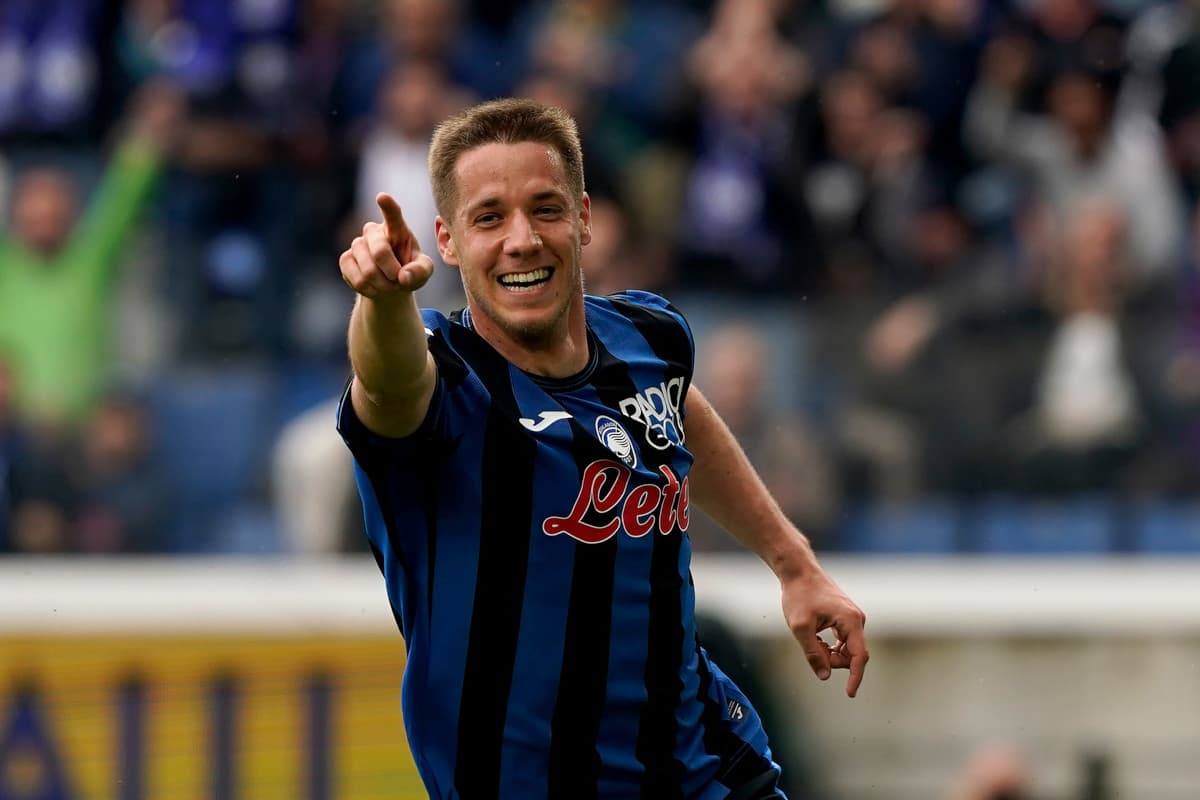
Atalanta vs Bologna: Tactical Insights from Serie A Clash
The New Balance Arena emptied under a low Bergamo sky with a sense of opportunity missed. Following this result, Atalanta’s 0–1 home defeat to Bologna in Serie A’s Round 37 felt less like a simple setback and more like a tactical lesson delivered at the worst possible moment for a side chasing European security.
I. The Big Picture – Structure versus Steel
This was a meeting of neighbours in the table with very different seasonal identities. Atalanta, heading into this game, sat 7th on 58 points, built on a strong goal difference of 15 (50 scored, 35 conceded overall). They have been one of the league’s more balanced outfits: in total this campaign they averaged 1.4 goals for and 0.9 against per match, with the New Balance Arena a solid base where they scored 25 and conceded only 15 across 19 home games.
Bologna arrived as the league’s great travellers. Heading into this game they were 8th with 55 points and a far slimmer goal difference of 3 (46 for, 43 against overall), but their away record was formidable: on their travels they had already won 10 of 19, scoring 30 and conceding 23. Where Atalanta’s strength lay in control and structure, Bologna’s lay in resilience and punch away from home.
On the day, those identities held. Raffaele Palladino’s 3‑4‑2‑1 was recognisable: M. Carnesecchi behind a back three of G. Scalvini, B. Djimsiti and H. Ahanor, wing-backs D. Zappacosta and N. Zalewski stretching the pitch, with M. De Roon and Ederson anchoring the middle. Ahead of them, C. De Ketelaere and G. Raspadori floated behind lone striker N. Krstovic.
Across from them, Vincenzo Italiano pivoted Bologna into a more orthodox 4‑3‑3 than their usual 4‑2‑3‑1, trusting a back four of Joao Mario, E. Fauske Helland, T. Heggem and J. Miranda in front of L. Skorupski. The midfield triangle of L. Ferguson, R. Freuler and T. Pobega was built for graft and vertical running, feeding a front three of F. Bernardeschi, S. Castro and J. Rowe.
II. Tactical Voids – Absences and Edges
Both squads were scarred by absences that subtly reshaped the contest.
Atalanta were without L. Bernasconi (knee injury), O. Kossounou (thigh injury) and, crucially, I. Hien through yellow-card suspension. In a side that leans heavily on a stable back three, losing Hien’s aggression and recovery pace forced Palladino to trust H. Ahanor from the start. The back line still reflected a unit that, heading into this game, conceded only 0.8 goals per match at home, but the chemistry was different: Djimsiti became organiser-in-chief, while Scalvini was dragged into more duels than usual.
Bologna’s defensive absences were even more pronounced. K. Bonifazi (inactive), N. Casale (calf injury), J. Lucumi (yellow-card suspension) and M. Vitik (ankle injury) stripped Italiano of depth and continuity at centre-back. That made the clean structure of the 4‑3‑3 even more impressive; T. Heggem and E. Fauske Helland had to grow into unfamiliar leadership roles in the heart of the defence.
In disciplinary terms, the season-long profiles of both teams hinted at a nervy, card-strewn second half. Atalanta’s yellow cards peak late: 24.14% of their bookings arrive between 76–90 minutes, part of a broader late-game surge that also sees 22.41% between 61–75 minutes. Bologna mirror that volatility: 26.87% of their yellows land between 61–75 minutes and 25.37% between 76–90 minutes. This was always likely to be a contest decided in the final quarter, with tired legs and tactical fouls shaping the rhythm.
III. Key Matchups – Hunter vs Shield, Engine Room Battles
The headline duel was the “Hunter vs Shield” confrontation between Atalanta’s attacking spearhead and Bologna’s away defence.
N. Krstovic, one of Serie A’s top scorers for Atalanta, entered the fixture with 10 league goals and 5 assists in total this campaign. His profile is that of a complete front man: 75 shots with 34 on target, 21 key passes and 39 dribble attempts underline a striker who does more than just finish. In a 3‑4‑2‑1 built around service from half-spaces, Krstovic is both target and connector.
Facing him was a Bologna unit that, on their travels, conceded 23 goals in 19 matches – an average of 1.2 per away game. Italiano’s back four narrowed aggressively whenever the ball approached Krstovic, with E. Fauske Helland and T. Heggem stepping tight while Joao Mario and J. Miranda tucked in. The plan was to suffocate the Montenegrin’s space between the lines and force Atalanta’s wing-backs to deliver from deeper, more predictable zones.
Behind Krstovic, C. De Ketelaere carried the creative burden. Across the season he delivered 5 assists and 3 goals in total, with 62 key passes and 102 dribble attempts marking him out as one of Serie A’s most influential advanced playmakers. His rating of 7.28 reflects that influence. But Bologna’s “Engine Room” trio were built to counter him. R. Freuler, once an Atalanta metronome himself, sat in the pocket to screen those central pockets, while L. Ferguson and T. Pobega alternated between pressing De Ketelaere and tracking G. Raspadori’s movements.
On the other side, Bologna’s main attacking reference on the season sits on the bench in this fixture: R. Orsolini, another 10-goal man with 1 assist and 26 key passes, also carries the psychological weight of having missed 2 penalties despite scoring 4. Even from the sidelines, his profile influences how Atalanta prepare: De Roon and Ederson had to be ready for a late, direct threat cutting inside from the right if Italiano turned to him.
Instead, Bologna leaned on width and verticality from Bernardeschi and J. Rowe, with S. Castro as the pivot. The absence of Lucumi and Casale meant Bologna could not afford an open, stretched game; the front three were tasked with punishing transitions rather than sustaining long spells of possession.
IV. Statistical Prognosis – Edges, Margins, and xG Logic
Following this result, the numbers tell a story of a match that tilted towards Bologna’s away blueprint.
Atalanta’s season-long home average of 1.3 goals scored per game collided with Bologna’s away average of 1.6 goals for and 1.2 against. In pure Expected Goals logic, this fixture always leaned towards a narrow, high-leverage contest: one where a single clinical moment or a defensive lapse would decide it.
Atalanta’s overall defensive record – 35 goals conceded across 37 games, just 0.9 per match in total – suggests they usually keep xG against under control. Their 13 clean sheets in total this campaign underline that solidity. But Bologna’s ability to win 10 of 19 away matches, coupled with a total of 46 goals scored and a penchant for late surges in intensity (with 26.87% and 25.37% of yellows in the 61–75 and 76–90 minute windows), hinted at a side comfortable living on the knife edge.
In the end, the 0–1 scoreline at the New Balance Arena felt like the logical intersection of those trends. Atalanta’s structure and star quality in Krstovic and De Ketelaere promised control, yet the absence of Hien and the slight reconfiguration of the back three reduced their margin for error. Bologna, shorn of key defenders but drilled in a compact 4‑3‑3, leaned on their away-hardened resilience and seized the decisive moment.
From a tactical lens, the prognosis is clear: Atalanta remain a side whose xG profile should keep them in European contention, but their reliance on rhythm and stability at the back makes them vulnerable to well-organised, transition-focused travellers like Bologna. For Italiano’s men, this result reinforces an identity: on their travels they are not simply survivors, but calculated hunters, capable of turning tight, balanced fixtures into three-point heists.