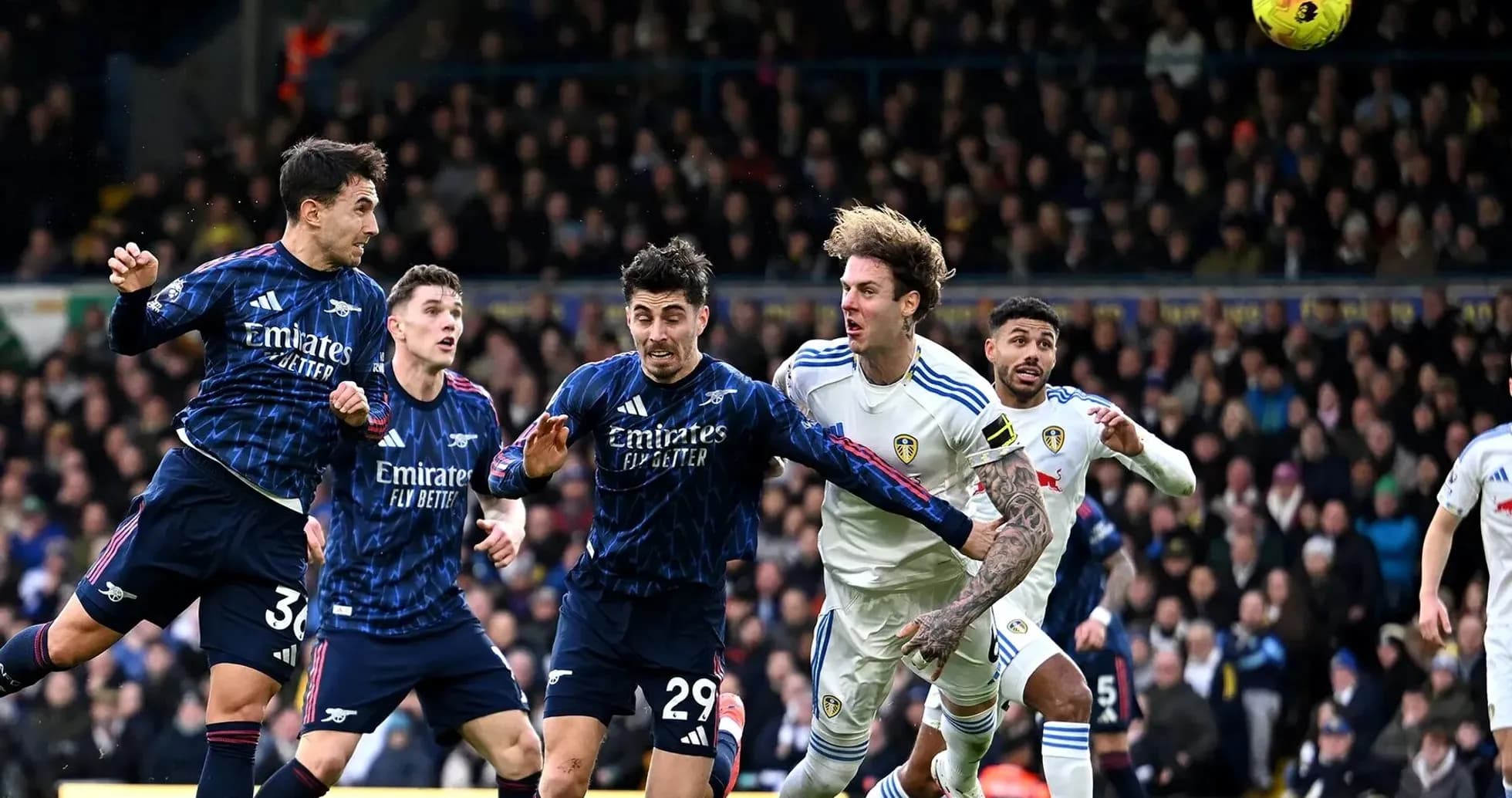
Wolves vs Fulham: A Match of Survival and Tactical Struggles
Molineux Stadium felt caught between farewell and defiance as Wolves, already mired in a relegation-bound season, ground out a 1-1 draw with Fulham in Round 37 of the Premier League. Following this result, the table still tells a stark story: Wolves anchored in 20th with 19 points and a brutal overall goal difference of -41 (26 scored, 67 conceded), Fulham steadier in 13th on 49 points with a goal difference of -6 (45 for, 51 against). Yet for ninety minutes, those numbers gave way to something more nuanced: two 4-2-3-1 systems wrestling for control, identity and, in Wolves’ case, a measure of redemption.
I. The Big Picture – Two 4-2-3-1s, Different Worlds
Rob Edwards matched Marco Silva’s preferred 4-2-3-1, but the shared shape masked very different seasonal DNA. Heading into this game, Wolves had played 37 league matches, winning just 3 in total, with only 19 home goals and a home scoring average of 1.0. Their defensive record at Molineux was equally grim: 34 home goals conceded, an average of 1.8 per game. Fulham arrived with a more balanced profile: 14 wins overall from 37, and a clear split between a strong home side and a more fragile away outfit. On their travels they had scored 17 goals (0.9 away average) and conceded 31 (1.6 away average), a team capable of fluency but vulnerable when stretched.
Within that frame, the 1-1 scoreline felt almost inevitable: Wolves’ chronic struggle to sustain attacking pressure against Fulham’s habit of giving opponents a foothold away from home.
II. Tactical Voids – Absences and the Discipline Shadow
The absences subtly reshaped both squads. Wolves were without L. Chiwome and E. Gonzalez, both sidelined by knee injuries, and S. Johnstone through a knock. The impact was less about star quality and more about depth; Edwards’ bench options for late-game disruption and rotation were thinned, especially in the attacking third.
Fulham’s single major absentee was far more structurally significant: J. Andersen, suspended by a red card. A near ever-present this season, Andersen’s profile – 33 league appearances, 2884 minutes, 2275 passes at 86% accuracy, 45 tackles, 19 blocked shots, 36 interceptions – underpins Fulham’s build-up and defensive organisation. His absence forced Silva to lean on I. Diop and C. Bassey as the central pairing. Both are capable defenders, but neither offers Andersen’s combination of aerial dominance, distribution and calm under pressure. The result was a Fulham back line more reactive than authoritative, especially when Wolves managed to turn the game into a series of duels rather than structured phases.
Disciplinary trends loomed over the contest. Wolves’ season-long yellow card distribution shows a pronounced spike between 46-60 minutes (28.21%) and sustained aggression through 61-75 (20.51%) and 76-90 (19.23%). Fulham, by contrast, accumulate a heavy share of their yellows late: 20.55% between 76-90 and a striking 23.29% in 91-105. Even without extra time here, that pattern hints at a side that often finishes games under stress and strain.
III. Key Matchups – Hunter vs Shield, Engine Room Wars
With no Wolves attacker among the league’s top scorers, the attacking “hunter” role was more collective than individual. A. Armstrong led the line, supported by Hwang Hee-Chan, R. Gomes and M. Mane. Their task was to exploit Fulham’s away frailties: 31 away goals conceded, and a tendency to suffer when the midfield screen is bypassed.
The notional “shield” for Fulham was the Lukic–Berge double pivot. S. Lukic and S. Berge were asked to both protect Diop and Bassey and initiate transitions into the advanced trio of O. Bobb, E. Smith Rowe and A. Iwobi behind Rodrigo Muniz. Without Andersen stepping out to break lines, the responsibility for progression shifted more heavily onto those midfielders. When they succeeded, Fulham’s structure looked coherent; when they were pressed by Wolves’ central pairing, the away side’s build-up lost clarity.
The true star quality in this fixture, though, hovered on the bench: H. Wilson, Fulham’s creative and scoring fulcrum this season. Across the campaign he has produced 10 total league goals and 6 assists, from 35 appearances and 2674 minutes, with 50 shots (25 on target), 769 passes and 38 key passes at 81% accuracy. His 7.12 rating reflects a player who both finishes and creates. Even when not starting, his presence in the squad shapes how opponents defend – they must plan for his introduction, for his left-footed threat cutting inside and his set-piece delivery. In narrative terms, Wilson is the hunter-in-waiting, the game-changer Fulham can unleash if the initial plan stalls.
In Wolves’ engine room, the tone was set by Andre and Joao Gomes. Andre’s season has been defined by relentless engagement: 34 appearances, 2676 minutes, 1285 passes at 91% accuracy, 78 tackles and 12 blocked shots. His 12 yellow cards underline how often he operates on the edge. Joao Gomes adds even more bite: 35 appearances, 2843 minutes, 108 tackles, 36 interceptions and 449 duels contested, winning 227. Together, they form a combative axis whose primary mission is to disrupt, harry and drag the game into Wolves’ preferred chaos.
Against them, Fulham’s creative core – Smith Rowe between the lines, Bobb drifting inside from the right, Iwobi knitting play from the left half-space – had to find pockets away from that storm. When they did, Muniz could pin the Wolves centre-backs, particularly testing S. Bueno and Y. Mosquera, the latter already one of the league’s more combative defenders with 268 duels (154 won) and 14 blocked shots this season.
IV. Statistical Prognosis – xG Shadows and Defensive Realities
We do not have explicit xG values from the data, but the season-long profiles sketch a clear expected-goals landscape. Heading into this game, Wolves’ total scoring average of 0.7 per match against a concession rate of 1.8 suggests they typically generate low-probability chances while yielding a steady stream of opportunities. Fulham, with a total scoring average of 1.2 and 1.4 conceded, operate in a slightly higher offensive band but are far from watertight, especially away.
Translating those trends into an xG-style prognosis, Fulham would usually be expected to edge the chance quality, perhaps in the region of a narrow advantage in expected goals, especially with their superior attacking patterns and Wilson’s underlying numbers. Yet Wolves’ midfield ferocity and Fulham’s missing defensive lynchpin in Andersen tilted the balance back toward parity. The 1-1 outcome fits a scenario where Fulham’s structured attacks meet resistance in central zones, while Wolves exploit moments of disorganisation in a back four deprived of its best organiser.
For Wolves, the draw does little to alter the brutal arithmetic of their season, but it reinforces the identity Edwards has leaned into: a side that, even from the foot of the table, refuses to go quietly, driven by Andre and Joao Gomes’ ceaseless work. For Fulham, it is another reminder that their ceiling is capped until their away defensive numbers – 31 conceded on their travels – are tightened, and until they can consistently convert the underlying quality of players like Wilson into control, not just moments.
In the end, this was a match where systems mirrored each other, but the stories diverged: Wolves fighting the inevitable, Fulham wrestling with their own limitations. The numbers, and the narrative, suggest that the draw was not just fair – it was foretold.