USA vs Belgium: World Cup 2026 Knockout Clash
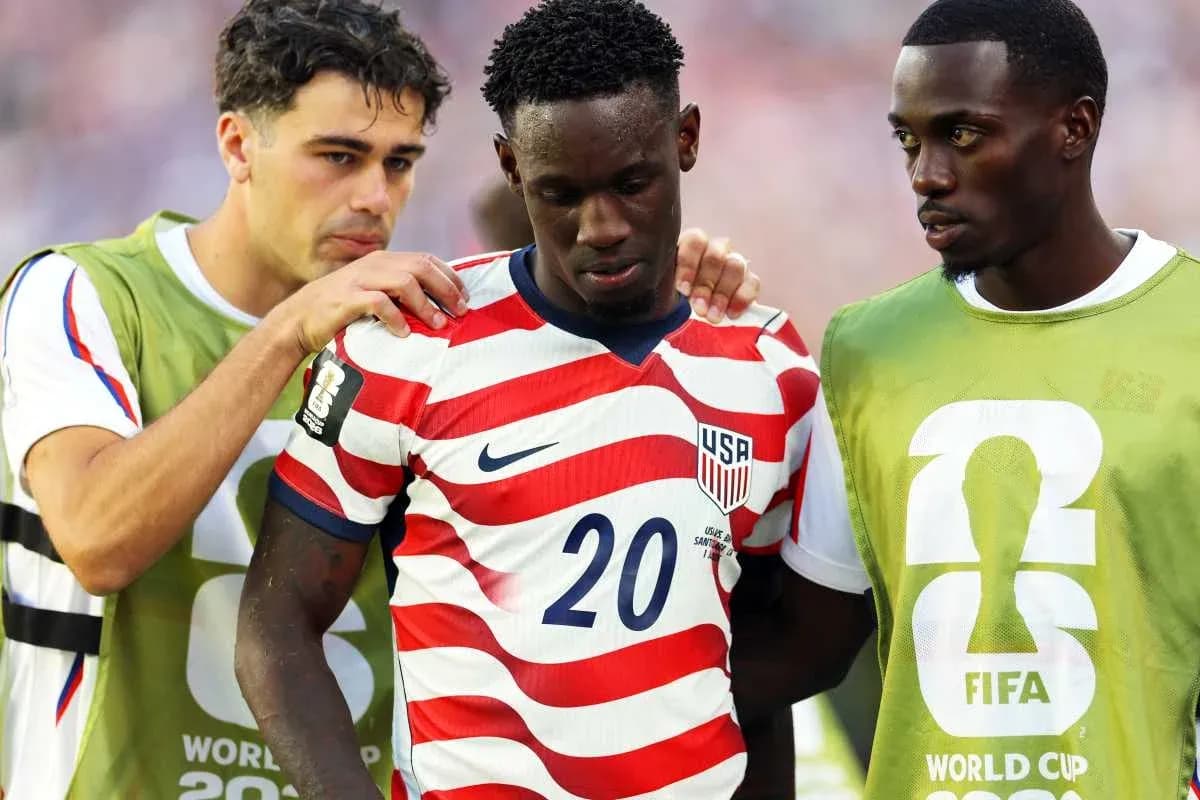
At Lumen Field, USA and Belgium meet in a high-stakes World Cup 2026 1/8 final, with both group winners now facing a straight knockout test that will define whether their strong group-phase work translates into a deep run or ends abruptly in the first elimination round.
Head-to-Head Tactical Summary
The most recent meeting came on 28 March 2026 in Atlanta, where USA hosted Belgium in a friendly at Mercedes-Benz Stadium. USA led 1-0 and went in 1-1 at half-time before Belgium’s attacking quality told in a 5-2 away win, underlining Belgium’s capacity to punish in transition and sustain scoring pressure over 90 minutes. Their last World Cup clash was on 1 July 2014 in Salvador in a Round of 16 tie, with Belgium as the home side on neutral soil. That match finished 0-0 in regular time before Belgium edged a 2-1 win after extra time, a tactical battle where Belgium’s depth and late-game physicality eventually broke down a resilient USA block.
Global Season Picture
- League Phase Performance: In the group stage, USA topped Group D with 6 points from 3 matches, scoring 8 goals and conceding 4, a positive goal difference of +4 that reflects a proactive, front-foot approach. Belgium also finished first in Group G with 5 points from 3 matches, scoring 6 and conceding 2 for a +4 goal difference, pointing to a more balanced but slightly tighter defensive structure.
- Season Metrics: Across all competitions in this World Cup cycle, USA have been attack-minded and open: 10 goals scored and 4 conceded in 4 fixtures, averaging 2.5 goals for and 1.0 against per match. They have yet to fail to score and have kept 2 clean sheets, but their biggest away defeat (3-2) hints at vulnerability when stretched. Belgium’s numbers show controlled efficiency: 9 goals scored and 4 conceded in 4 matches, averaging 2.3 for and 1.0 against, with one clean sheet and one match without scoring. USA have mixed formations (4-3-3, 4-2-3-1, 3-5-2), signalling tactical flexibility, while Belgium have consistently used 4-2-3-1, indicating a stable structure built around a double pivot and three advanced creators. Disciplinary patterns suggest both sides accept aggressive phases: USA’s yellow cards cluster between minutes 16-60 and late on, with a red card appearing between 61-75, while Belgium also carry a red card in the 61-75 window and early yellow cards, meaning game-state and emotional control around the hour mark could be decisive.
- Form Trajectory: In the group stage, USA’s form line of WLWW shows a brief setback followed by back-to-back wins, suggesting they arrive in the knockout rounds on an upward curve with momentum and confidence restored after an early loss. Belgium’s WWDD pattern indicates a fast start with two wins followed by two draws, pointing to an unbeaten but slightly plateauing trajectory where control and defensive stability have been maintained, but their attacking edge has recently translated more into shared points than outright dominance.
Tactical Efficiency
Across all phases of this World Cup cycle, USA’s profile is that of a high-ceiling, high-variance side: they have produced a 4-1 home win and a 3-2 away defeat, combining strong offensive output with exposure when the game becomes stretched. Their flexible use of 4-3-3, 4-2-3-1 and 3-5-2 indicates a willingness to adjust pressing height and midfield density, but also a potential risk of losing structural familiarity under pressure. Belgium, by contrast, are tactically efficient through repetition: four matches in the same 4-2-3-1, with a biggest away win of 1-5 and a 3-2 home victory, show a system that reliably generates goals without sacrificing overall defensive numbers (1.0 goal conceded on average). In a knockout context, Belgium’s stable platform and proven ability to manage USA’s attack, as seen in both the 2014 World Cup and the 5-2 friendly in March 2026, suggest a slight edge in attack and defense indices: they are more likely to convert territorial control into goals while keeping their back line compact, whereas USA’s efficiency will depend on how well their chosen shape protects against Belgian counters and late surges.
The Verdict: Seasonal Impact
This 1/8 final is a hinge point for both campaigns. For USA, elimination here would frame 2026 as a solid but ultimately standard World Cup: winning their group and then falling at the first knockout hurdle, echoing the 2014 pattern of pushing a top European side but not progressing. Victory, however, would mark a clear step-change in status — moving beyond the Round of 16 against a European group winner would reframe them as genuine contenders for at least the 1/4 final and potentially deeper, validating their attacking evolution and tactical flexibility. For Belgium, going out in the Round of 16 after topping their group would be read as underperformance and a sign of regression from their previous golden-generation peaks; advancing would keep them on track with expectations, reinforcing the narrative that their consistent 4-2-3-1 and balanced metrics are sufficient to navigate early knockout rounds. In seasonal terms, this match will decide whether USA’s upward momentum becomes a defining breakthrough or a familiar near-miss, and whether Belgium’s unbeaten control evolves into another serious title push or is remembered as a stable but ultimately limited campaign.