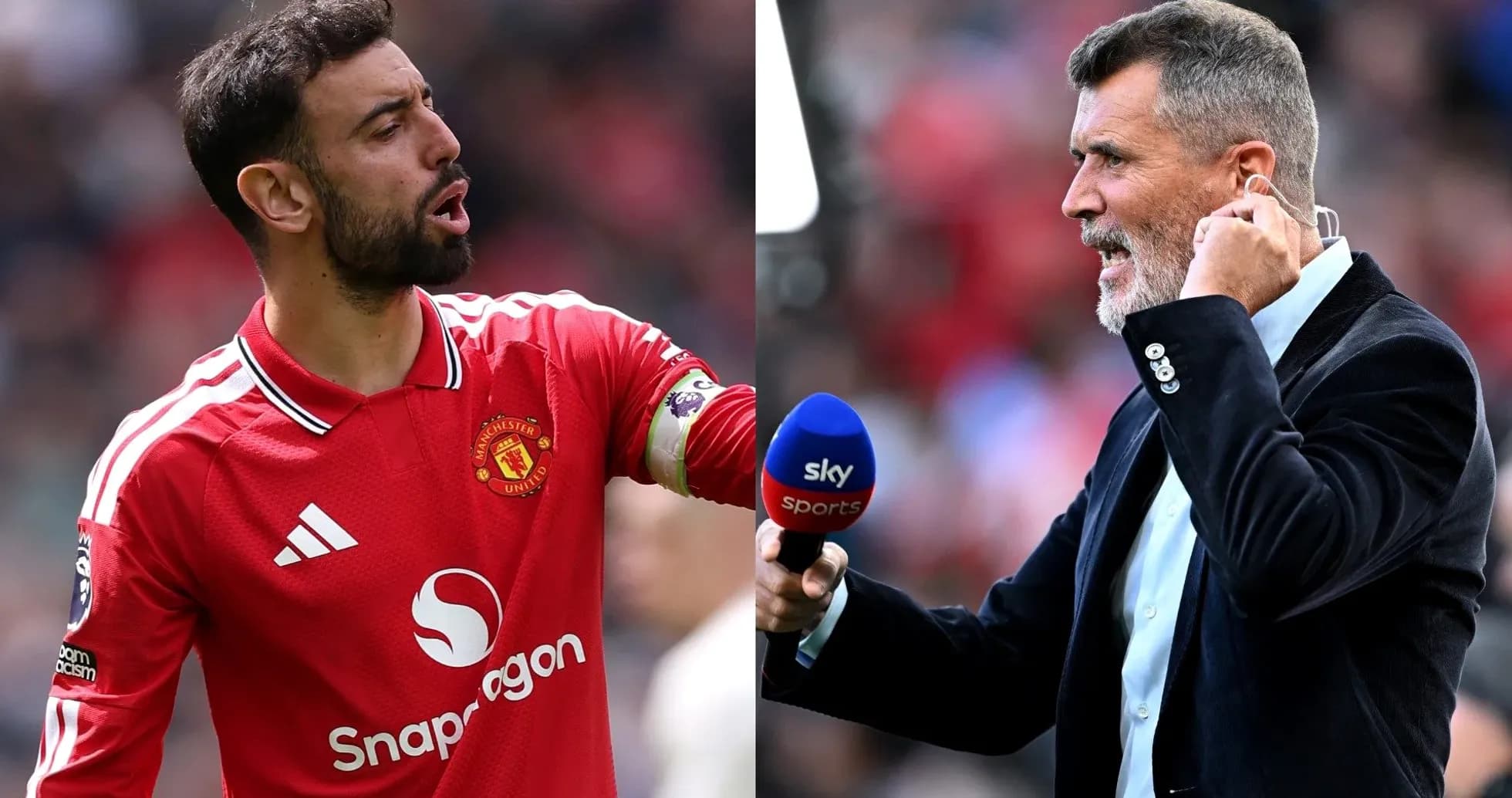
Roy Keane vs Bruno Fernandes: Leadership Debate at Manchester United
The assist record was supposed to be a neat little footnote to Manchester United’s season. Instead, it has turned into a full-blown argument about truth, leadership and what it actually means to captain the club.
It started with Roy Keane. It usually does.
Keane’s Fury Over “Assist Talk”
On The Overlap last Monday, Keane let rip over the way Bruno Fernandes’ late‑season form had been framed, particularly the focus on him equalling the Premier League’s single‑season assist record in a win over Nottingham Forest.
For Keane, the whole thing stank of self‑interest.
“When you're the captain of a club and you're supposed to be driving the club forward, do not be getting bogged down by just your role in the team, just assists,” he said, describing himself as “raging” at the narrative around the Portuguese playmaker.
What really set him off was what he believed Fernandes had said after the game. Keane claimed United’s captain openly admitted prioritising the record over the result.
“The whole chat about his assists... Everyone, the players were [talking about it], the game was about his assists,” Keane argued. “After the game he got interviewed and he said, the captain of Manchester United, said: ‘A few times, I probably should have... shot but I made the passes.’ Wow. How can your mindset be not to win the match but be about an individual record?”
For a former United captain who built a career on snarling contempt for personal glory, it was a damning verdict.
Bruno Bites Back
Fernandes has now answered, and he did not bother with diplomacy.
Speaking on The Diary of a CEO podcast, the 29‑year‑old challenged Keane’s version head‑on, insisting the quote used to question his mentality simply did not happen.
The actual post‑match line from Fernandes, as highlighted on the podcast, was the mirror image of Keane’s claim: “There were probably moments today when I should have passed instead of shot. I'm very happy for the assist, but more than that, I'm happy for the win and to finish the season on a high.”
In other words, the captain said he might have been too eager to shoot, not too eager to pass for an assist.
That distinction matters to him. A lot.
Addressing Keane directly through host Steven Bartlett, Fernandes said: “I don't mind criticism. I always take criticism from everyone and never reply to anyone whatsoever. People have an opinion, they think it's good, bad or whatever.
“What I don't like is when people lie about things, and in this case, what you said about Roy Keane, basically, what he said is a lie. Luckily for me everything is on record, imagine if it wasn't, then people will think Bruno is always the guy going for the assist.”
Those are strong words aimed at a club legend, and Fernandes revealed he even tried to take it private.
“I even asked Ole [Gunnar Solskjaer] his number to text him to have a word with him,” he added, “to say ‘I don't mind the criticism, I don't like when people lie about the things that I say, because this goes over the top of the things I think are acceptable.’”
This is not the usual polite shrug from a modern player absorbing pundit fire. This is a captain accusing a former captain of crossing a line.
Leadership on Trial
The clash taps into a wider debate that has stalked Fernandes since he took the armband: is he really United captain material?
Keane has long been sceptical of his body language and emotional volatility. The Forest assist row only deepened that suspicion in his eyes, reinforcing the idea of a player drawn too easily into personal milestones and visible frustration.
Inside Old Trafford, though, the picture looks very different.
New permanent manager Michael Carrick has nailed his colours firmly to Fernandes’ mast. Fresh from signing a new two‑year deal himself, Carrick has made it clear the Portugal international sits at the heart of his rebuild as United gear up for a return to the Champions League.
Speaking about his skipper’s influence and future, Carrick said: “He’s such an influence for us and he’s been the captain and led by example in different ways. I’ve got no reason to think otherwise [regarding him staying]. We’ve loved what he’s done and he loves being here, I think you can see that.”
So while Keane questions his leadership from the studio, the man now in the dugout is building around him.
A Captain Between Eras
Strip away the noise and you are left with a familiar fault line at Manchester United.
On one side stands the old guard, embodied by Keane: hard‑edge, unforgiving, suspicious of any whiff of individualism. On the other, a modern captain in Fernandes, judged not just on tackles and roars but on creativity, output and his ability to carry a fractured team through difficult seasons.
The assist record was meant to underline his value. Instead, it has exposed the cultural tension around him.
Fernandes has made his stance clear: he will accept criticism, but not what he calls “lies” about his words and motives. Keane is unlikely to soften his view of a captain who does the job in a very different way to his own.
Carrick, meanwhile, has a Champions League campaign to plan and a dressing room to protect.
The arguments will roll on in studios and on podcasts. The real verdict on Bruno Fernandes’ captaincy will be delivered under the floodlights, when the games start to matter again and there’s nowhere left to hide.