Leicester City Up for Sale as King Power Engages Citigroup
Leicester City, once the miracle champions of England, are officially on the market.
The Thai-based King Power group, led by chairman Aiyawatt “Top” Srivaddhanaprabha, has instructed US investment bank Citigroup to oversee the sale of the club, according to BBC Sport. An eight-page sales brochure, bluntly titled “Project Lineup”, is already circulating among potential investors.
It is not a modest package.
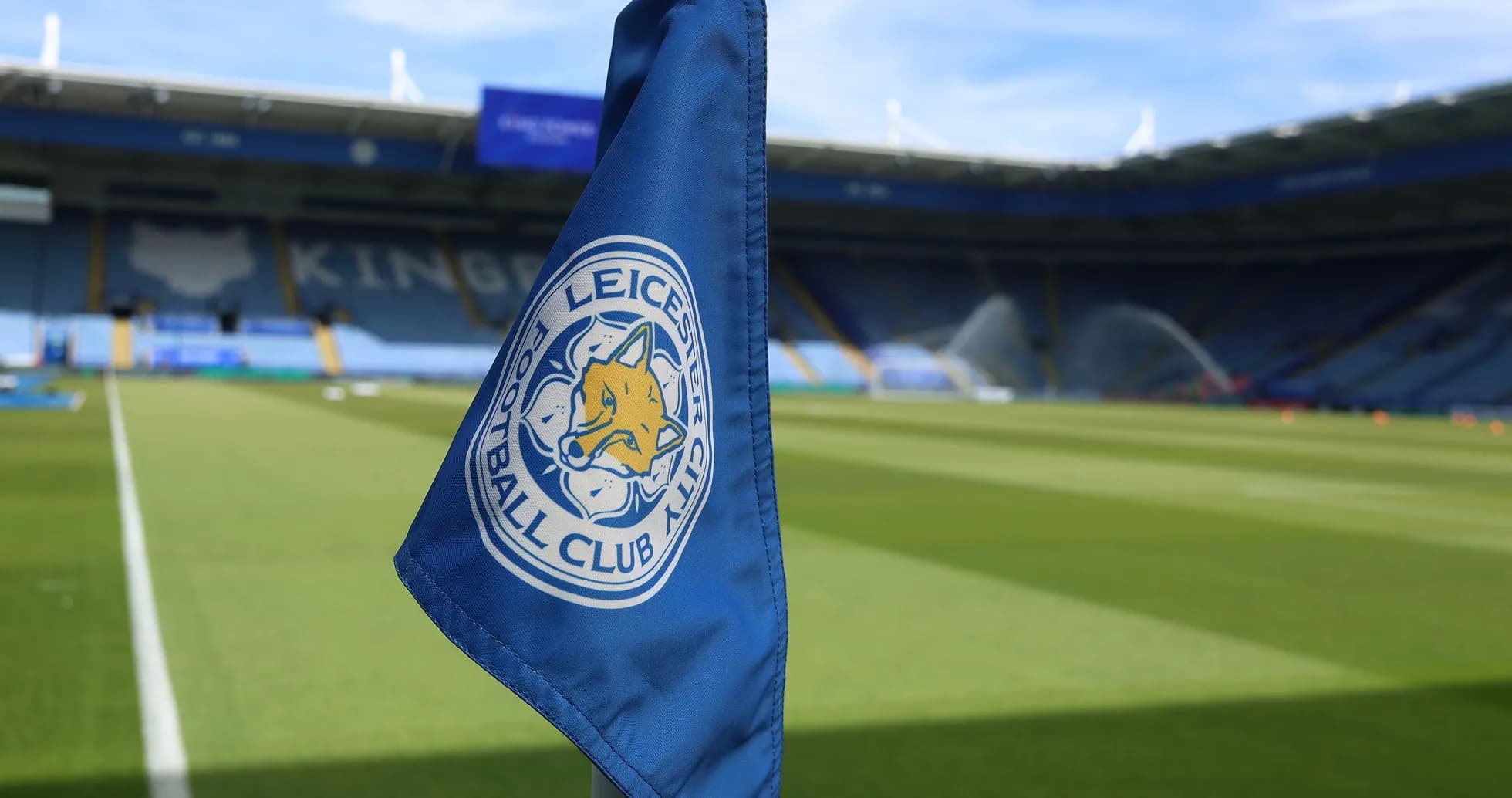
The document rolls out the full Leicester portfolio: the men’s first team, the women’s side, the 32,000-seat King Power Stadium, and the Seagrave training complex that only opened in 2020 and has quickly been hailed as one of the best facilities in the country. On paper, the physical assets alone are valued at more than £200 million, with Seagrave carrying a £121 million tag.
What “Project Lineup” does not do is pin down a clear price for the playing squads. Instead, Citigroup leans on narrative and history, pitching Leicester as “a rare opportunity to acquire a club with an excellent track record of winning promotions to higher divisions.” The sales pitch talks up a projected turnover of more than £97 million for the 2026 financial year.
Strip away the forecasts, though, and the numbers show why King Power is ready to walk away.
Between 2023 and 2025, Leicester racked up financial losses of more than £180 million during a turbulent spell on and off the pitch. The 2025 accounts laid bare a heavy debt load, including £103.6 million in bank loans. For a club that once looked like a model of smart, sustainable growth, the balance sheet now tells a far harsher story.
King Power itself is under strain. The duty-free business in Thailand, which fuelled Leicester’s rise under the late Vichai Srivaddhanaprabha, has been hit by shifting global markets and changing travel patterns. The tight bond between the business empire and the football club, so powerful during the title-winning years, no longer feels unbreakable.
When the Srivaddhanaprabha family bought Leicester from Milan Mandaric for around £35 million in 2010, they inherited a Championship club with big ambitions and little proof. Sixteen years later, they are trying to sell a global brand that has scaled the sport’s highest peak and then tumbled through the divisions.
The mood around the King Power could hardly be further from those glory days.
Back-to-back relegations have poisoned what was once one of the warmest relationships between owners and supporters in English football. Months of unrest built into open anger, with protests outside the stadium after their latest Championship exit. For many fans, the sale process feels less like a shock and more like an inevitable next step.
Even so, the brochure works hard to remind bidders exactly what Leicester City have become in the modern era. It points out that the Foxes are one of only five clubs to have won all three major English trophies – the Premier League, the FA Cup and the League Cup – since the year 2000. That is the kind of line that lands in a boardroom.
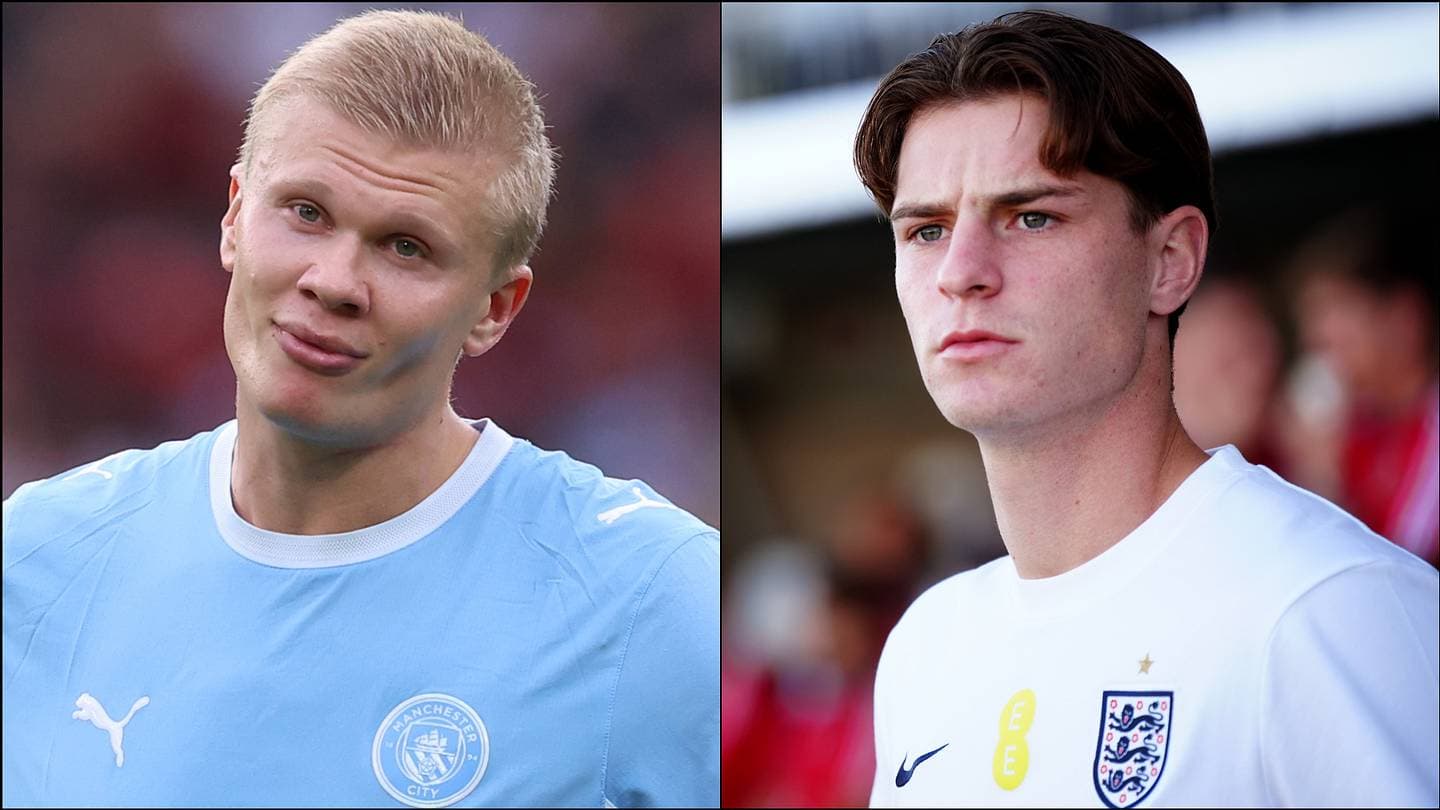
The pitch also leans heavily on Leicester’s academy and recruitment record. Citigroup hails a “strong talent pipeline backed by leading scouting infrastructure, active transfer management and highly developed academy system consistently producing top players.” The recent £10 million sale of academy graduate Jeremy Monga to Manchester City is used as fresh evidence that the pathway still works, even in the midst of upheaval.
While “Project Lineup” does the rounds in financial circles, reality is biting hard on the terraces.
Leicester are preparing for life in League One, the third tier, for only the second time in their history. The campaign begins with a trip to Notts County on Saturday, a fixture that underlines just how far and how fast the club has fallen since lifting the Premier League trophy in 2016.
The stadium, the training ground, the academy, the honours board – all of it is now part of a glossy sales document. The question is who steps up, and whether the next owner can turn a distressed asset back into a story of defiance and ascent, rather than decline.