Kaze's Tactical Battle: Lessons from Sekhukhune's Clash with Chiefs
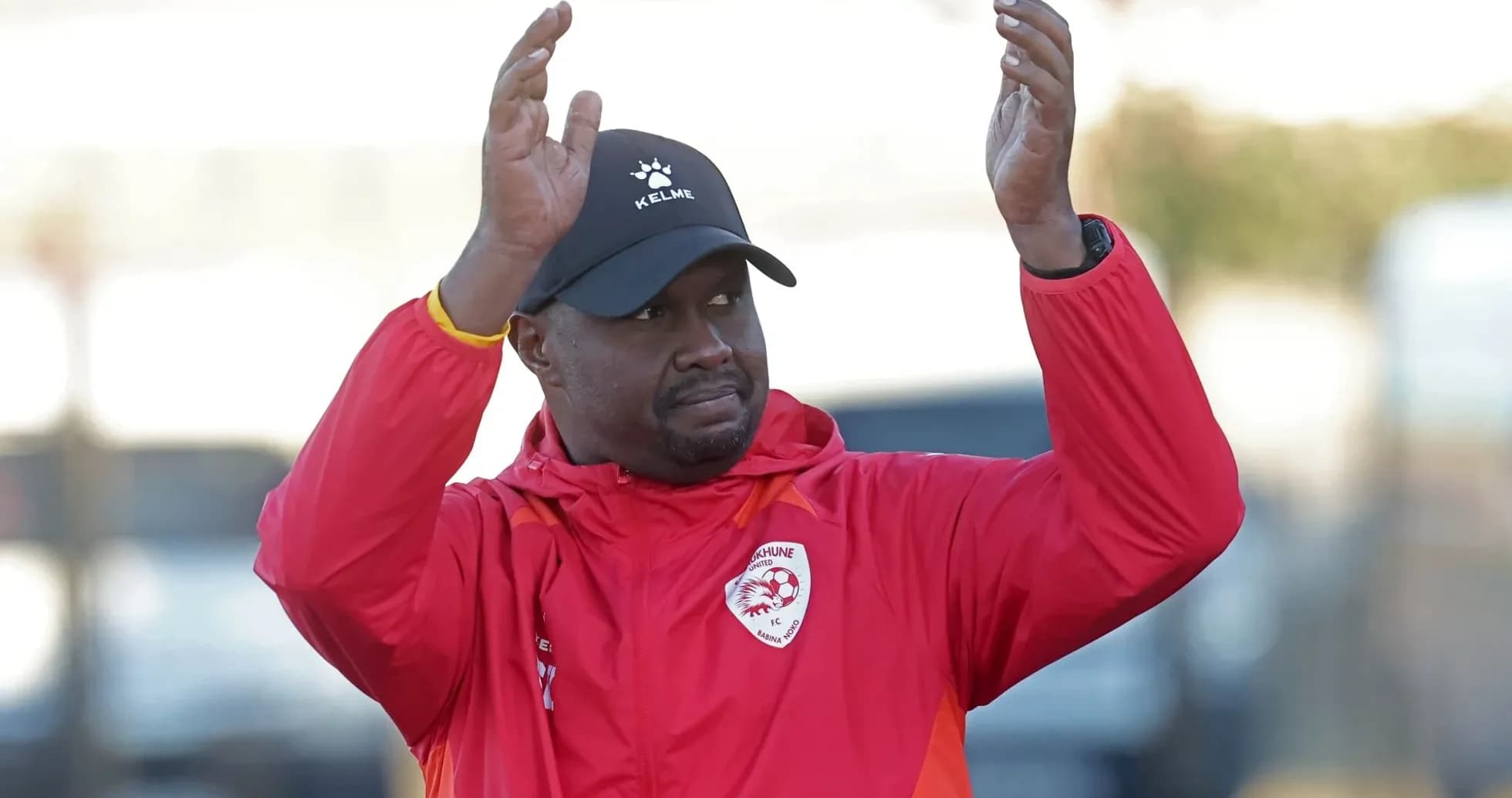
Kaze walked into this fixture with a quiet edge. He knew this Kaizer Chiefs team inside out. Ten of the 11 Amakhosi starters had worked under him at Naturena. Faces, habits, tendencies – all familiar.
And for 45 minutes, that knowledge paid off.
Kaze’s plan: slow it, suffocate it
Sekhukhune United arrived with a clear brief: frustrate, delay, survive. They dropped into a disciplined low block, closing central lanes and strangling the wide spaces that Chiefs love to exploit under Fernando da Cruz.
"We prepared well, and we knew that Chiefs would come out in a bit of a rush because of their defeat in their last game," Kaze said afterwards. The idea was simple: cool the early fire, then feed off the frustration of a side still bruised by their MTN8 exit.
"We knew that we had to slow the game down and not allow them to get space, especially in the wide areas, stopping them from having 1v1 situations and closing the central lines."
For long spells in the first half, it worked. Chiefs probed but rarely pierced. Sekhukhune’s block moved in unison, and the hosts’ rhythm stuttered.
But matches at this level rarely stay in one gear.
The bold call: subbing the substitute
The turning point came not with a goal, but with a decision. A ruthless one.
Chasing more attacking thrust, Kaze turned to 31-year-old winger Mcedi Vandala, recently signed from AmaZulu. Vandala replaced Thato Khiba on the hour mark, tasked with providing the spark Babina Noko had lacked going forward.
Twenty minutes later, he was back on the bench.
Kaze hooked Vandala for Karabo Tlaka, a move that drew sharp intakes of breath from the stands and a flood of questions from pundits. Few things cut deeper for a professional than being substituted after just coming on.
“It was a tactical decision from us, from me and I hope we work it out, the way I wanted him to perform and the impact I wanted from him is not what I wanted to see,” Kaze explained. No dressing it up, no emotional gloss. Just a cold call in the heat of a game slipping away.
That change underlined the urgency in the Sekhukhune technical area. Chiefs were cranking up the tempo, piling on pressure in search of a second goal, and Kaze was scrambling to wrestle back control.
Heavy legs, heavy price
The resistance that had defined Sekhukhune’s first half began to fray. Not through lack of structure, but lack of fuel.
Babina Noko had gone through 120 bruising minutes in an MTN8 clash against AmaZulu over the weekend. Those minutes caught up with them. The sprints became jogs. The presses arrived a second late.
“I feel like in the second half, we were a little bit passive while they increased the tempo of the game,” Kaze admitted. “But it is a well-deserved win for Chiefs; they played well in the second half.
"We didn’t start [the half] well, and we had a lot of heavy legs.”
The pressure finally told. With Sekhukhune’s energy levels dropping, spaces opened. Chiefs took full advantage as Luke Baartman and Mduduzi Shabalala found the net, sealing the points for the Glamour Boys and turning a tight tactical battle into a comfortable home victory on the scoreboard.
Injuries, improvisation and a fading block
The physical strain wasn’t the only problem. Sekhukhune’s defensive structure took another hit with an untimely injury.
“Unfortunately, we also suffered an injury to Vuyo [Letlapa], forcing us to improvise because our regular left-back is already out injured. As a result, our block in the second half was not as compact as we would have wanted,” Kaze said.
That loss on the flank stretched a unit that had been so compact in the opening period. Chiefs, smelling weakness, drove at the gaps with growing confidence.
Kaze didn’t shy away from the core issue. His side’s passivity after the break, he conceded, opened the door. Chiefs, with their tempo raised and crowd behind them, walked through it.
Lessons for Babina Noko
The defeat stings, especially against former employers, but Kaze isn’t walking away empty-handed.
For half a game, Sekhukhune showed they can shut down one of the league’s most high-profile attacks. The structure, the discipline, the organisation – it was all there. The challenge now is sustaining that intensity across 90 minutes in a league where the schedule is unforgiving and the margins thin.
As the Betway Premiership campaign gathers pace, Sekhukhune must find a way to match tactical clarity with a more durable physical output. Recovery, rotation, and sharper game management will be critical.
Because if they can pair that first-half blueprint with the legs to finish the job, how many more “comfortable” wins for familiar faces like Kaizer Chiefs will there really be?