
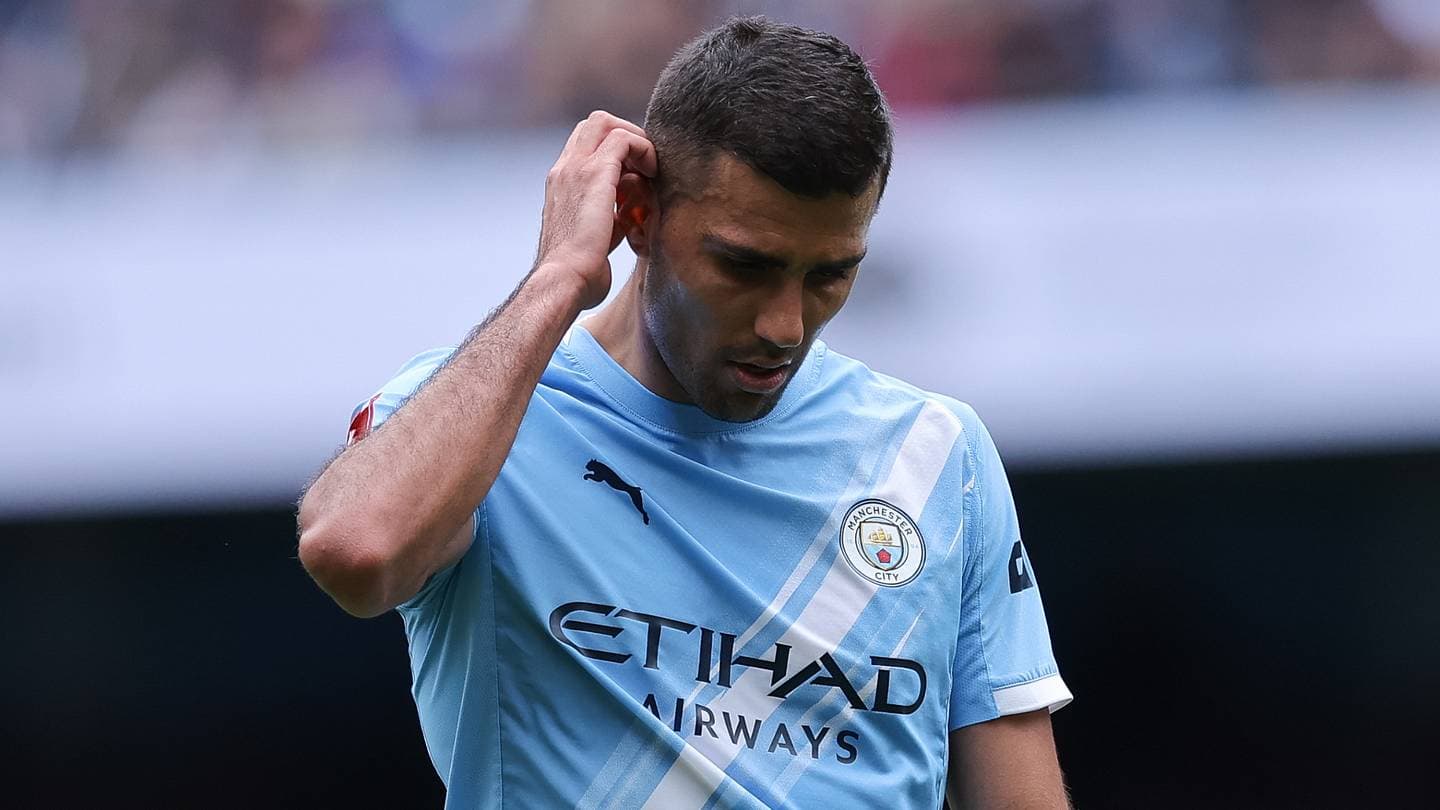
Why Barcelona Should Meet Manchester City's Price for Rodri
Manchester City has raised the asking price for Rodri to $94.5 million (£70 million), after turning down two offers from Barcelona. The Catalan club initially outmaneuvered Real Madrid in the race for the midfielder, but convincing City remains difficult. Their last bid approached the original $81 million (£60 million) valuation, yet it wasn’t enough.
At 30 years old and having struggled with injuries over recent seasons, Rodri represents a hefty investment. Still, City seems unwilling to let go of such an important player without a significant sum. With several key players like Pep Guardiola, Bernardo Silva, and John Stones likely to depart, Rodri’s sale could help fund a midfield overhaul.
Midfield Rebuild Costs Are Soaring
Enzo Fernández and Ayyoub Bouaddi together are expected to cost over $270 million, while Elliot Anderson was bought for $156.5 million. Despite this huge spending spree, City’s financial situation looks much steadier than Barcelona’s. The bigger question might be whether Barcelona can afford to miss out on Rodri rather than if they can afford him.
Barcelona’s Financial Situation and La Liga Rules
Since Lionel Messi’s departure in 2021 due to financial constraints, Barcelona has fought against La Liga’s strict economic regulations. After legal battles and complicated financial maneuvers, the club seems to be turning a corner.
“You’ve gone through some tough years, but now the club is on a positive path,” said La Liga chief Javier Tebas to Joan Laporta after his re-election as president.
The latest reports from The Athletic suggest Barcelona will follow the 1:1 rule this summer, meaning every euro earned can be spent freely. This opens the door to more signings, especially after offloading high earners like Robert Lewandowski and Marcus Rashford. Selling Ferran Torres to Paris Saint-Germain should add further funds.
Why Time Is Running Out for Barcelona
Barcelona will soon face huge expenses linked to their Camp Nou renovation, forcing them to play at Estadi Olímpic Lluís Companys again starting June 2027. Reduced stadium capacity means less matchday income, while renovation costs pile up. The financial flexibility they enjoy now may vanish quickly once these commitments kick in.
From a sporting perspective, urgency also exists. Frenkie de Jong’s serious knee injury during the World Cup leaves a gap in midfield. Rodri could fill that void perfectly and serve as a role model for young talents like Marc Bernal, expected to succeed Sergio Busquets.
Striker Situation Adds Complexity
Barcelona must consider their striking options too. With Lewandowski and Torres likely gone, only 18-year-old Hamza Abdelkarim stands as a natural center forward. Alternatives like Anthony Gordon and Karim Adeyemi can play centrally, while Dani Olmo or Lamine Yamal might fill a false nine role if no deal happens for Julián Alvarez.





