NWSL Women: Portland Thorns W Triumph Over Orlando Pride W
Under the lights at Exploria Stadium, this Group Stage meeting in the NWSL Women felt like a referendum on two very different projects. Orlando Pride W came in as a volatile mid‑table side, 11th with 30 points and a goal difference of -8, a team capable of surging but just as capable of collapsing. Portland Thorns W arrived as a playoff contender in 5th, on 42 points with a goal difference of 8, their season defined by attacking fluency and away‑day chaos.
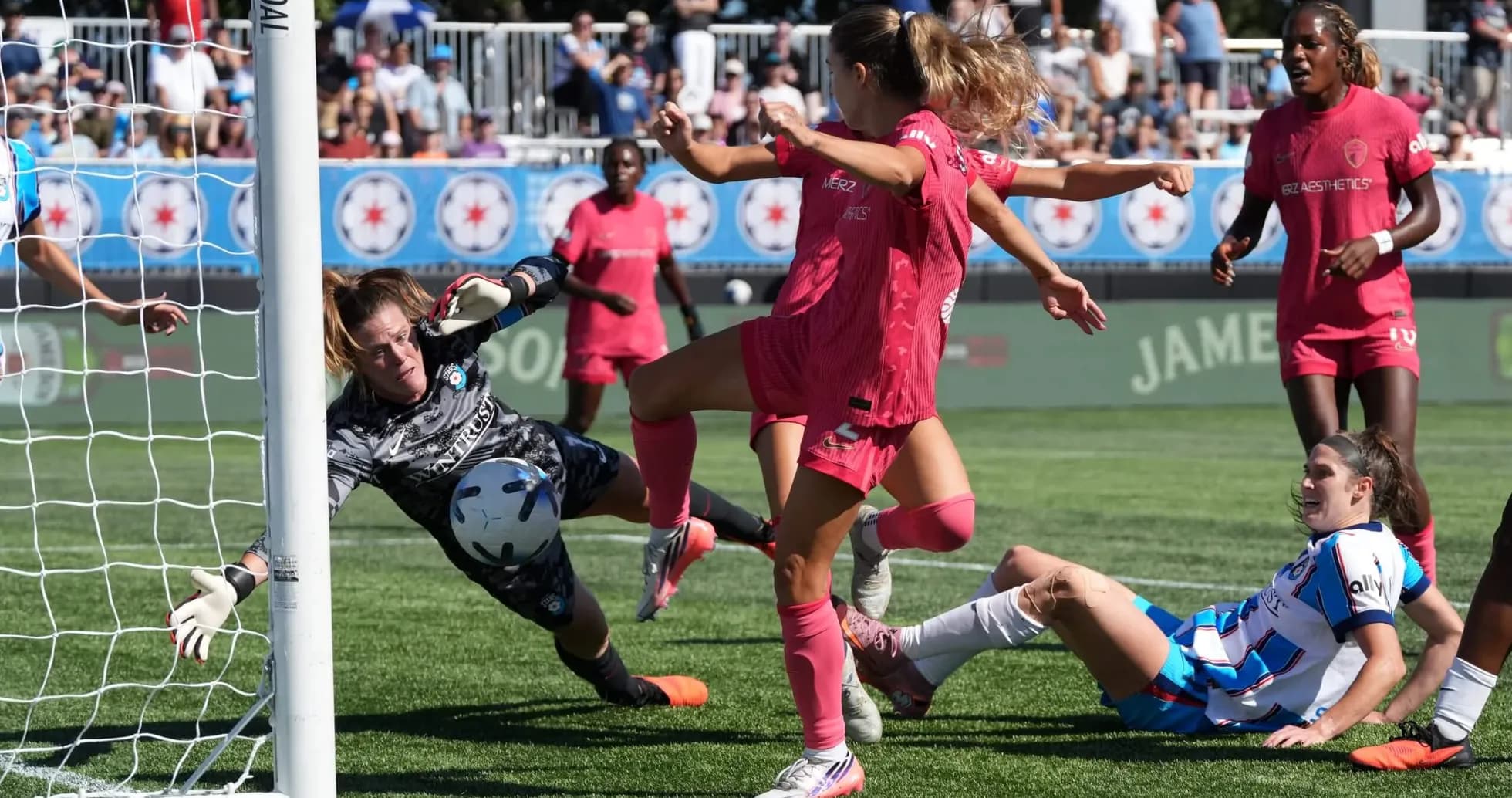
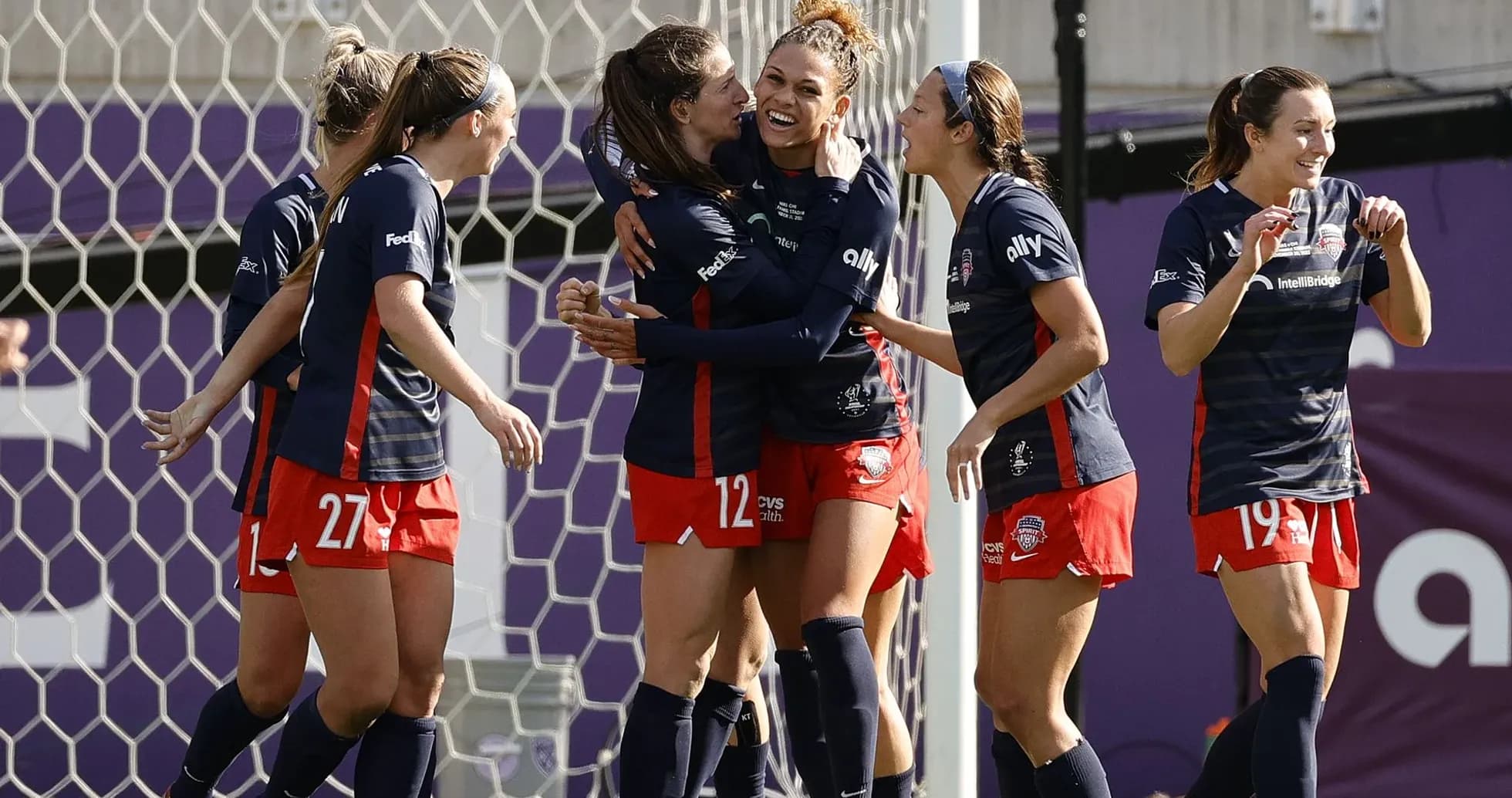
The 4-1 scoreline to Portland, after a 2-1 lead at half-time became a ruthless second‑half separation, told a familiar story: Orlando’s structural fragility against a Thorns attack that, when it travels, scores freely and lives with the risk.
Both sides mirrored each other on paper in a 4-2-3-1, but the shapes carried very different intentions. Seb Hines anchored Orlando with C. Morché in goal behind a back four of Oihane Hernández, C. Dyke, H. Anderson and H. Mace. The double pivot of A. Lemos and Luana was tasked with screening and progressing, while H. McCutcheon, S. Yates and S. Washington supported lone striker B. Banda.
Portland, under Robert Vilahamn (Karlsson), set up the same way numerically but far more aggressively. M. Arnold started in goal, with a back line of R. Reyes, Carolyn Lisette Calzada, J. Perry and M. Müller. In front, N. Nijstad and J. Fleming formed a flexible double pivot, allowing an advanced line of R. Turner, P. Tordin and Caiya Hanks to orbit around central spearhead S. Smith.
Heading into this game, the numbers already hinted at the imbalance. Overall this campaign, Orlando had scored 32 and conceded 40 across 25 matches, while Portland had scored 42 and conceded 34 from the same number of games. The contrasts sharpened when you split home and away: at home, Orlando averaged 1.5 goals for and 1.5 against, a side that turns Exploria into a place of high‑variance drama. On their travels, Portland were scoring 1.6 and conceding 2.0 per game: an away side that pushes the tempo, accepts defensive risk and trusts its frontline to outgun opponents.
That risk‑reward equation was personified by the key figures on each side.
For Orlando, everything still orbits around B. Banda. Heading into this fixture she had 15 goals and 2 assists in the league, from 21 appearances and 18 starts, with a standout rating of 7.65. Her 66 shots, 36 on target, tell of a volume shooter who never stops testing keepers; 22 key passes and 34 fouls drawn show she is also a reference point in link play and a magnet for contact. Banda’s presence at the tip of the 4-2-3-1 demanded that McCutcheon, Yates and Washington run beyond and around her, offering lanes for her to attack the space between centre‑backs and full‑backs.
Behind Banda, McCutcheon is the engine that turns Orlando’s shape from static to dynamic. Across her league campaign she has contributed 3 goals and 2 assists, but her real imprint is defensive: 50 tackles, 10 blocked shots and 28 interceptions, backed by 618 passes at 79% accuracy. She is the player who steps out of midfield to break an attack, then immediately stitches together the first pass of a counter. Her 5 yellow cards underline the edge she brings; when Orlando’s press works, it is usually because McCutcheon has set the tone.
Yet Orlando’s season-long discipline profile hinted at the edge of chaos. Overall, they had taken yellow cards most heavily between 61-75 minutes and 76-90 minutes, both at 24.14%, a late‑game spike that often coincides with fatigue and chasing matches. The single red card this season arriving in the 61-75 range told of a side that can lose control just as games open up. Add in their penalty record — 4 awarded, only 2 scored and 2 missed — and you get a team that has literally left points on the spot.
Portland, by contrast, brought a more rounded, if combustible, identity. S. Smith, with 11 goals and 3 assists from 25 appearances, remains their purest finisher: 75 shots, 44 on target, a constant vertical threat. She is not just a poacher; 35 key passes and 26 fouls drawn show a forward who drops in, combines and provokes pressure. Her penalty record (4 scored from 4) stands in stark contrast to Orlando’s wastefulness.
Around her, P. Tordin is the creative fulcrum. With 6 goals and 7 assists in 25 games, plus 41 key passes at a 72% pass accuracy, she is the connector between midfield and attack. Her 222 duels and 35 tackles reveal a playmaker who also works without the ball, essential in a 4-2-3-1 that expects the “10” to press. Tordin’s presence in the half‑spaces, drifting between Lemos and the Orlando centre‑backs, was always likely to be a fault line.
Behind them, the defensive steel comes with a disciplinary cost. J. Perry, starting at centre‑back, is one of the league’s leading card collectors: 6 yellows and 1 red, but also 5 blocked shots and 12 interceptions, with 564 passes at 82% accuracy. She is aggressive in stepping out, and that front‑foot defending suits Portland’s high line but constantly flirts with danger. R. Reyes on the flank adds 24 tackles and 7 blocked shots, plus her own red card this season, another indicator of Portland’s readiness to defend on the edge.
Team-wide, Portland’s card distribution showed their own late‑game aggression: 23.33% of their yellows arriving between 76-90 minutes, and red cards scattered across 0-15, 46-60 and 61-75. This is a side that does not back down as legs tire; they often double down.
Tactically, the “Hunter vs Shield” duel was clear: Banda against a Portland defence that, away from home, had already conceded 26 goals in 13 matches, even as they scored 21. Orlando’s home attack versus Portland’s away vulnerability offered a narrow window of opportunity. But the inverse was just as stark: Portland’s potent frontline versus an Orlando defence that had conceded 40 overall and 20 at home, with no real protective cushion in midfield once the press was beaten.
In the “Engine Room” matchup, McCutcheon and Luana against Fleming and Nijstad always felt decisive. If Orlando’s double pivot could compress space and funnel Portland wide, Banda’s transitions could hurt a back line that often leaves channels. But if Fleming was allowed to dictate tempo and Tordin to receive on the half‑turn between the lines, Orlando’s back four would be dragged into constant emergency defending.
The eventual 4-1 outcome underlined where the deeper structural truths lay. Portland’s season‑long attacking metrics — 1.7 goals per game overall, 1.6 away — married with a perfect penalty record and multiple high‑end creators in Smith and Tordin, gave them a higher offensive ceiling. Orlando’s 1.3 goals per game overall, combined with a leaky 1.6 against and a 50% penalty conversion rate, meant they were always threading a narrow path to keep up in a shootout.
Following this result, the tactical prognosis for future meetings between these two is clear. Orlando’s path to parity relies on tightening the midfield shield and lowering their late‑game disciplinary spikes, while continuing to build around Banda’s elite output and McCutcheon’s two‑way influence. Portland, meanwhile, can trust that their 4-2-3-1 — with Smith as the hunter and Tordin as the schemer, backed by an aggressive, if combustible, back line — will continue to tilt high‑variance games in their favour, especially when the match opens up and quality in the final third decides the night.