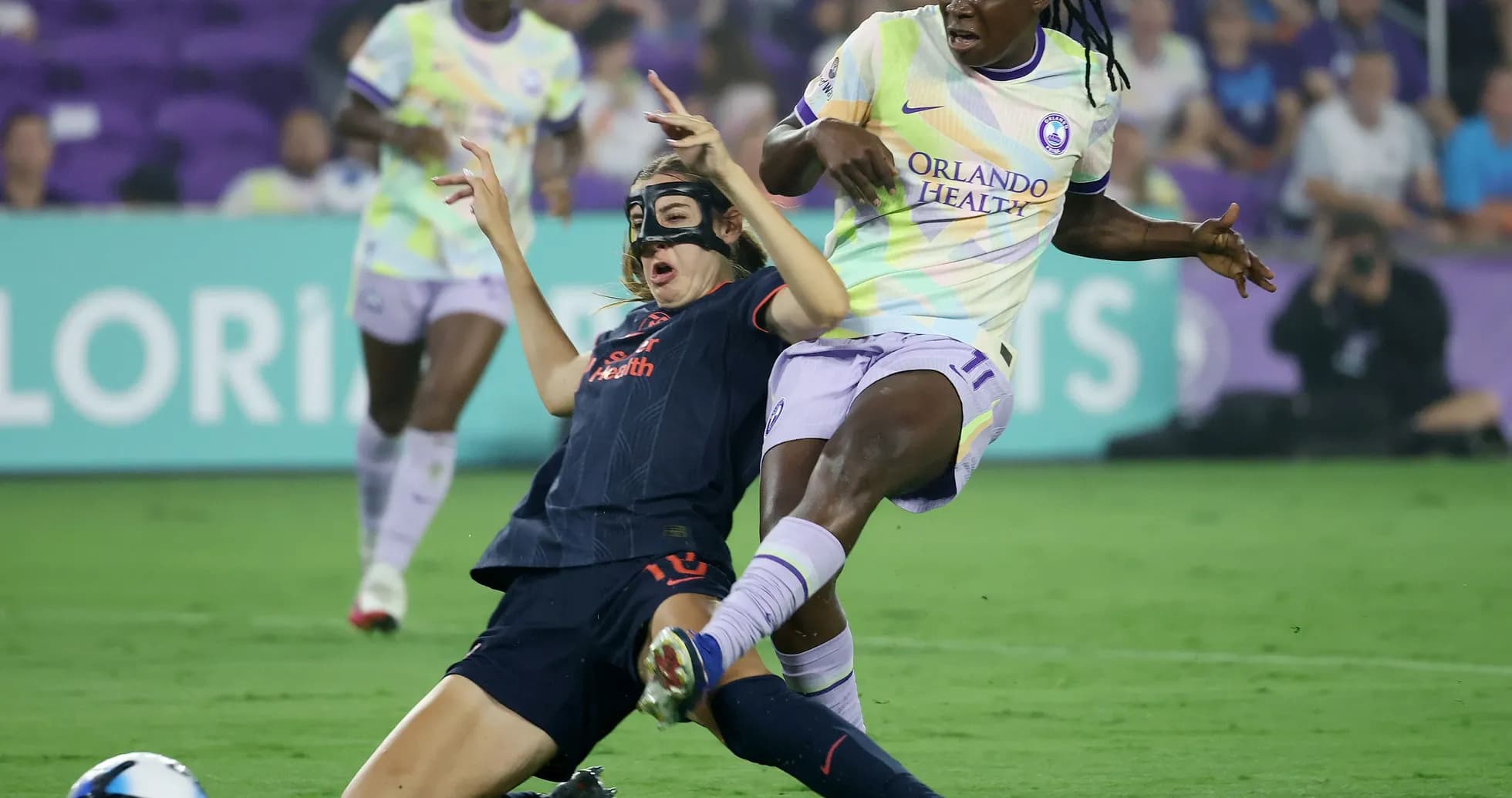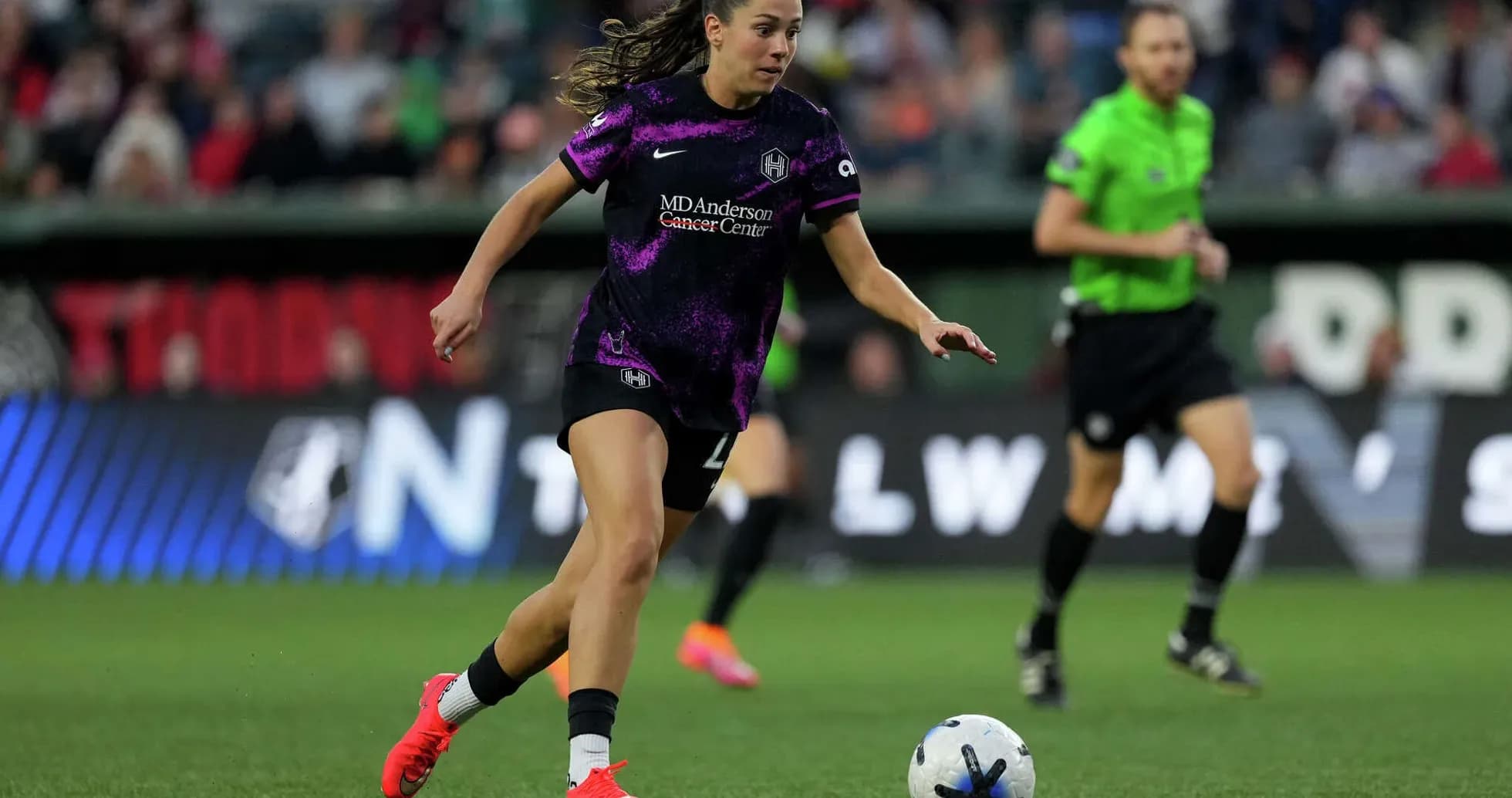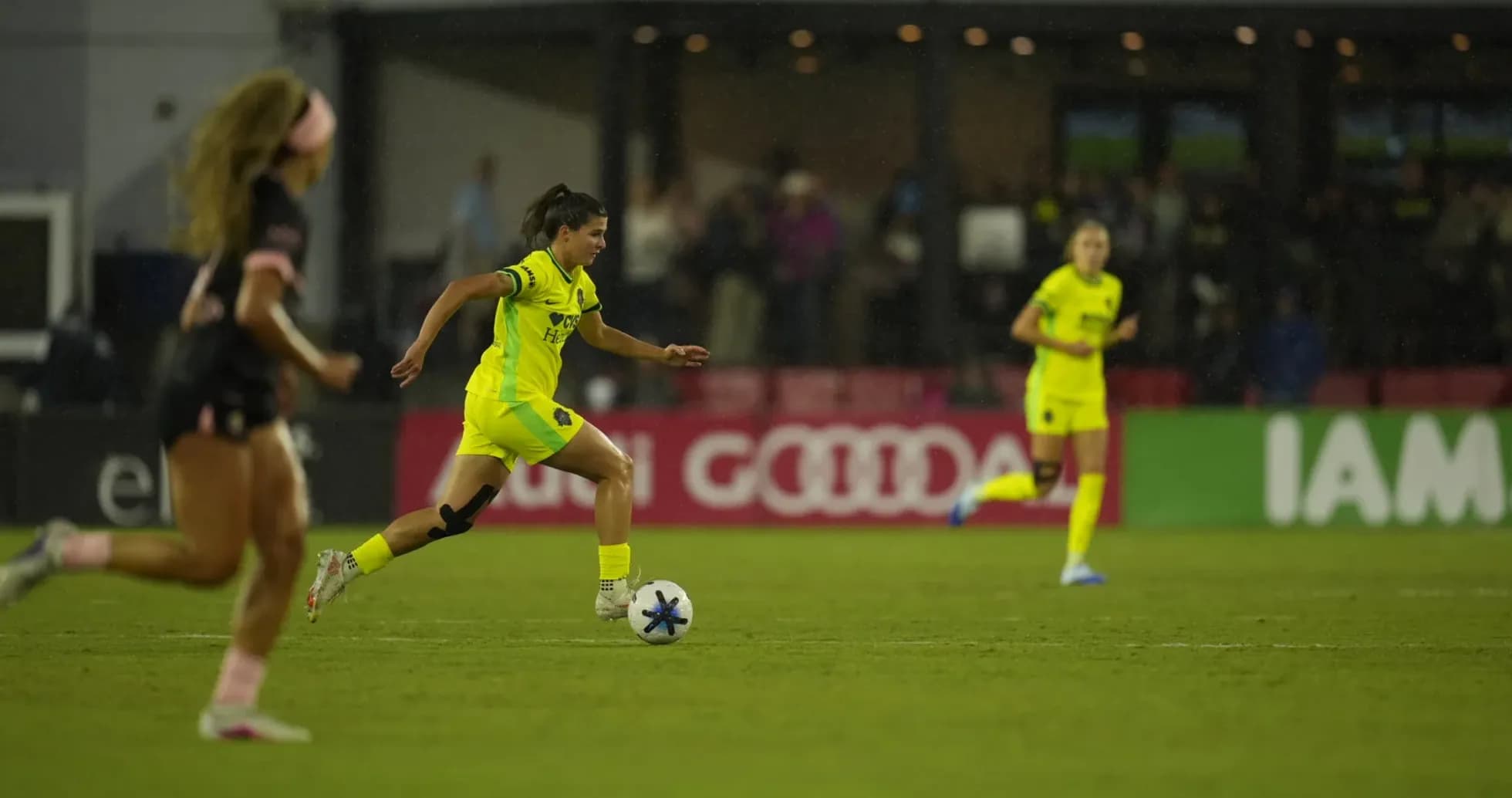
Kansas City Dominates Denver in 4–1 Victory
The lights have already gone out on this one at CPKC Stadium, but the 4–1 scoreline offers a sharp lens into who these two squads really are and what their tactical futures look like.
I. The Big Picture – A home fortress flexes again
Kansas City W arrived into this Group Stage fixture as the league’s seventh‑placed side, defined by extremes: ruthless at home, fragile on their travels. Overall this campaign they have 12 wins, 5 draws and 9 defeats from 26 matches, with 43 goals scored and 37 conceded. That gives them a goal difference of +6, exactly matching the standings snapshot.
At home, though, they are a different animal. Across 13 home games they are unbeaten, with 9 wins and 4 draws, scoring 32 and conceding 13. That is an attacking average of 2.5 goals at home against just 1.0 conceded. The 4–1 dismantling of Denver Summit W fits perfectly into that pattern: a front‑foot side that overwhelms visitors with waves of pressure, especially after the interval.
Denver came in ranked 10th, more balanced but less explosive. Overall they have 9 wins, 8 draws and 9 defeats from 26 matches, with 42 goals for and 37 against, for a goal difference of +5. On their travels they have been competitive but vulnerable: 3 away wins, 4 draws and 6 defeats, with 17 goals scored and 19 conceded. That away average of 1.3 goals for and 1.5 against hints at what unfolded: they can punch, but they struggle to keep the door shut when the tempo rises.
Both coaches leaned into a mirrored 4‑2‑3‑1, creating a chess match of double pivots and narrow tens. Kansas City’s shape was anchored by Lorena in goal behind a back four of E. Ball, G. Robinson, K. Sharples and I. Rodriguez. The double pivot of L. LaBonta and V. DiBernardo sat beneath a fluid line of three – M. Cooper, Debinha and the league’s third‑ranked scorer T. Chawinga – with H. Hopkins leading the line.
Denver mirrored that structure: A. Smith in goal, a back four of A. Oke, Eva Gaetino, K. Kurtz and J. Beckie, with E. Regan and D. Sheehan as the double pivot. Ahead of them, Y. Yamamoto, L. Horan and the creative hub Y. Ryan supported central forward N. Flint.
II. Tactical Voids and Discipline – Edges at the margins
There were no listed absentees, so both sides had close to full decks to play with. The deeper story lies in their disciplinary and psychological profiles.
Kansas City are used to walking a tightrope. Across the season they pick up a heavy share of yellow cards late: 23.81% between 31–45 minutes, another 23.81% between 61–75, and 23.81% again from 76–90. They also have a red‑card spike in the 76–90 window, with 100.00% of their reds arriving in that late stretch. L. Rouse, one of their key defenders this season, has already seen red once, underlining how aggressive their back line can be. That edge fuels their intensity but constantly threatens to tilt them into chaos.
Denver’s disciplinary profile is more controlled but not spotless. Their yellow cards cluster in the second half, with 26.09% between 46–60 and another 26.09% between 76–90, while their single red card this season belongs to J. Beckie, who still started here at left‑back. It is a reminder that even their most composed leaders can be drawn into risky decisions when pinned deep.
Set‑piece psychology is another fault line. Kansas City have been awarded 4 penalties this season and converted only 1, missing 3 – a 25.00% conversion rate that is a glaring weakness. Any future opponent will feel comfortable fouling on the edge of the danger zone, knowing the spot‑kick threat is blunted. Denver, by contrast, have been perfect from the spot: 3 penalties taken, 3 scored, 0 missed. In tight knockout‑style games, that contrast could be decisive.
III. Key Matchups – Hunter vs Shield, Engine Room vs Enforcer
The headline duel was always going to be Kansas City’s attacking trident against Denver’s back four and away defensive record.
Temwa Chawinga is the league’s third‑ranked scorer with 11 goals and 3 assists in 14 appearances, backed by 31 shots and 18 on target. Her movement from the left‑half space in that 4‑2‑3‑1 makes her the “hunter” in this matchup. Behind her, M. Cooper adds 5 goals and 5 assists, while H. Hopkins contributes 8 goals and 3 assists, plus significant defensive work – 38 tackles and 4 blocked shots across the campaign. Hopkins is not just a finisher; she is the first presser and a disruptive force on the opposition build‑up.
Denver’s “shield” is a unit rather than a single player. On their travels they concede 1.5 goals per game, but the minute‑by‑minute profile is damning: 25.00% of their goals conceded arrive between 31–45 minutes, 22.22% between 46–60, and another 22.22% from 76–90. Those are precisely the periods when Kansas City are most dangerous. At home, Kansas City score 32.56% of their goals between 46–60 and 18.60% between 31–45. The second‑half surge that produced a 4–1 full‑time scoreline is a direct expression of this intersection: a side built to accelerate after the break against a defence that fades as the game opens up.
In midfield, the “engine room” battle was rich with nuance. For Kansas City, the creative axis is built around players like Debinha and the wider season contribution of Croix Bethune (4 goals, 10 assists, 31 key passes). Even when Bethune did not start here, the squad’s identity – high tempo, aggressive ball progression, and dribble‑heavy attacking midfielders – is clear. L. LaBonta and V. DiBernardo provide the structure, allowing the advanced trio to rotate and overload half‑spaces.
Denver’s response is centred on Y. Ryan and J. Beckie. Ryan, ranked 16th among scorers and fifth among assisters in the league, has 6 goals and 5 assists, 47 key passes and 62 dribble attempts with 21 successful. She is the conductor and the transition threat, equally capable of breaking lines with passes or carrying the ball herself. Beckie, nominally a defender here, plays like a hybrid full‑back‑playmaker: 6 goals, 5 assists, 35 key passes, 31 tackles and 5 blocked shots. She offers progressive passing from deep but also steps into midfield to create overloads.
The problem for Denver is structural. Their goals against distribution shows only 5.56% conceded in the opening 15 minutes, but the floodgates open around half‑time. Against a Kansas City side that scores 32.56% of their goals between 46–60 and another 11.63% between 61–75, any lapse in concentration after the interval becomes fatal.
IV. Statistical Prognosis – What this result tells us going forward
Following this result, Kansas City’s home aura hardens into something close to myth. They already averaged 2.5 goals at home and just 1.0 conceded; adding a 4–1 win only reinforces the narrative of CPKC Stadium as a place where visiting defences are stretched to breaking point. Their overall attacking average of 1.7 goals per game is powered by a relentless second‑half engine and a broad scoring cast: Chawinga as the spearhead, Hopkins and Cooper as dual threats, and a midfield that floods the final third.
Defensively, they remain vulnerable early – 22.86% of their goals conceded come in the opening 15 minutes – but once they ride out that initial storm, their structure and intensity take over. The major red flag is still discipline and penalties. Late‑game cards and a 75.00% penalty‑miss rate could yet undo them in knockout‑style scenarios, especially if opponents sit deep and play for marginal moments.
For Denver, the 4–1 defeat is less an aberration and more a magnified version of their season trends. Overall they score 1.6 goals per match and concede 1.4, but the timing of those concessions is brutal: 25.00% between 31–45, 22.22% between 46–60 and 22.22% between 76–90. Against elite attacking units, that profile invites exactly the kind of second‑half avalanche they suffered here.
Yet there is a platform to build from. With 42 goals scored overall, 1.9 per game at home and 1.3 away, they have enough firepower. Ryan, Beckie and Flint – who adds 5 goals and 4 assists with 80% passing accuracy – give them a technically gifted spine. Their perfect penalty record (3 scored from 3, 0 missed) means that if they can tighten their defensive structure and survive those vulnerable windows, they are well equipped to edge tight contests.
From a tactical preview perspective, the template is clear. Any future meeting between these sides will hinge on whether Denver can disrupt Kansas City’s second‑half surge and whether Kansas City can avoid gifting early goals or late red cards. The underlying metrics, the timing distributions and the individual profiles all point in the same direction: Kansas City as a high‑ceiling, high‑risk contender whose home ground is a fortress, and Denver as a technically rich but structurally fragile challenger still learning how to manage games when the storm hits after half‑time.