Manchester United's Left-Back Dilemma: A Risky Gamble
As the clock ticked past 23:00 BST on 1 September and the window finally slammed shut, the same thought rippled through Manchester United’s support: what about a left-back?
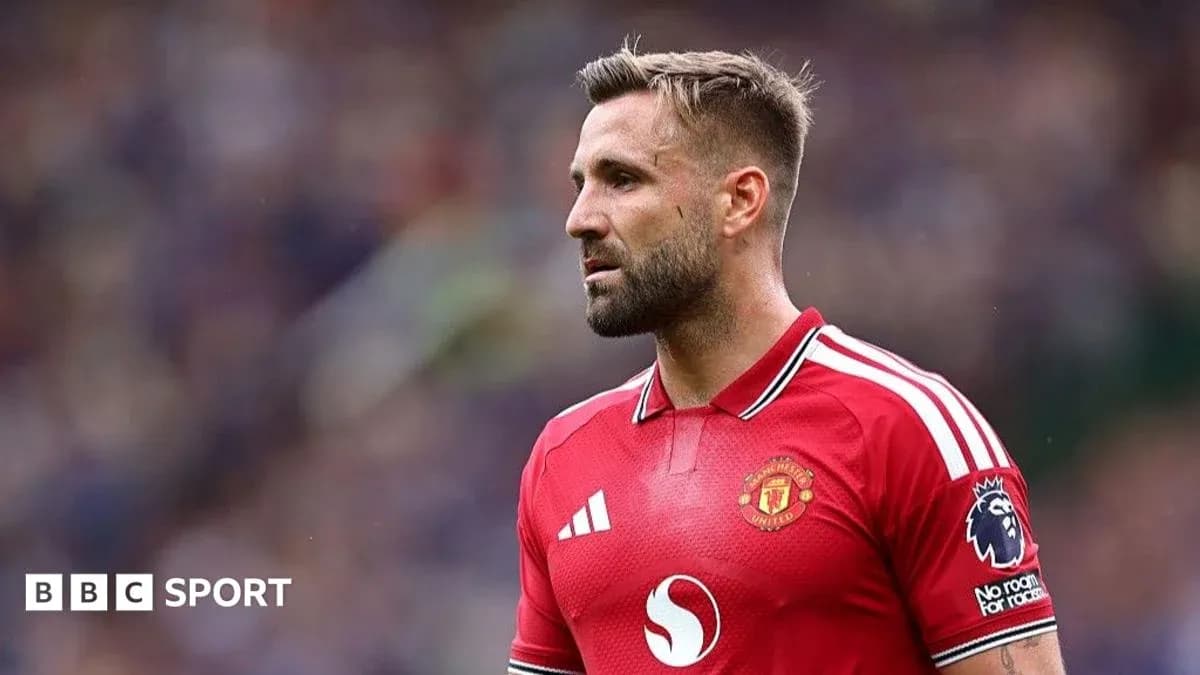
All summer, as arguments raged over Michael Carrick’s first full rebuild and where the money should go, one weakness seemed obvious. Luke Shaw was brilliant last season, starting all 38 Premier League games. Given his history, it was an outstanding effort. It was also highly unlikely to be repeatable.
Tyrell Malacia had gone as expected when his contract ran out in June. Shaw is now 31. United could play well over 60 games this season. Basic logic said a reinforcement had to arrive.
Names came and went. Lewis Hall at Newcastle. Alejandro Balde at Barcelona. Jorge Salinas at Racing Santander. The shortlist narrowed, then twisted into something more awkward. Late on, United tried to prise Rayan Ait-Nouri away from the blue half of the city on loan. Manchester City refused.
To make that move work, United would have had to accept an obligation to buy later. They chose not to. They chose to wait for what they see as their first-choice targets instead.
The window is closed now. Until January, at least, this is a calculated gamble.
The one that got away – for now
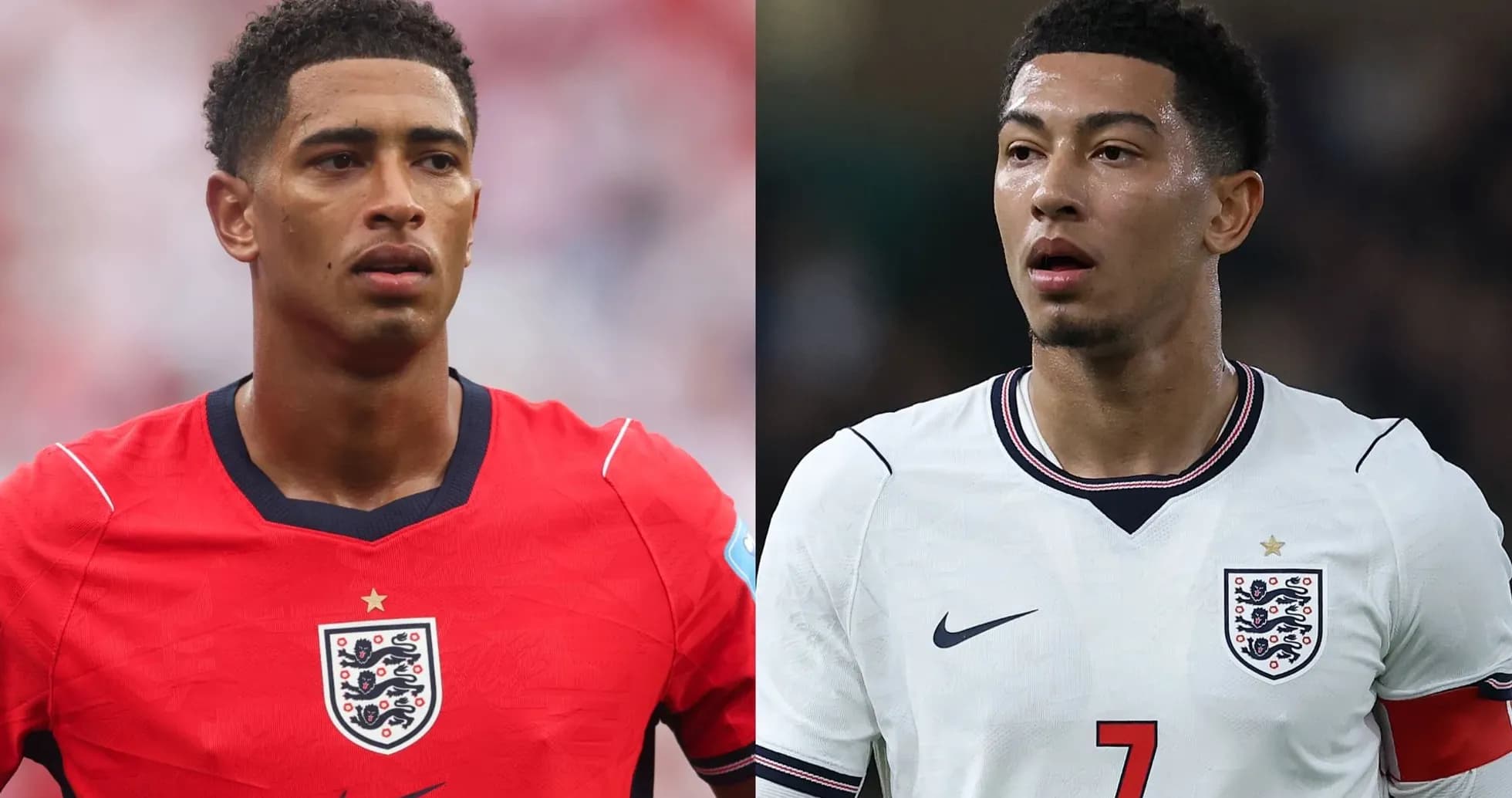
Inside Old Trafford, there is no mystery: Manchester United really like Lewis Hall.
If they could have done a deal with Newcastle, they would have. Talks made one thing clear. With Newcastle already stripped of key players by Premier League rivals this summer, any price for their highly rated 22-year-old full-back would be huge.
United’s budget was not.
Faced with that reality, the club doubled down on what they judged the true priority – midfield. The result was a £70m commitment to Carlos Baleba from Brighton. Internally, the conclusion was simple: Hall is a player worth waiting a year for.
Balde was a different story. United were open to a loan. Barcelona would only sell. Salinas, with a relatively low release clause, looked more attainable, but Atletico Madrid always led that race. By the time United turned to Argentina defender Nicolas Tagliafico, and then missed out on him as well, their own thinking had already shifted.
The late move for Ait-Nouri, prompted by an initial agent approach, told its own story. United were not entirely convinced by the path they had chosen. Yet they stuck to it.
Shaw, makeshift cover and a teenager in limbo
So this is the plan.
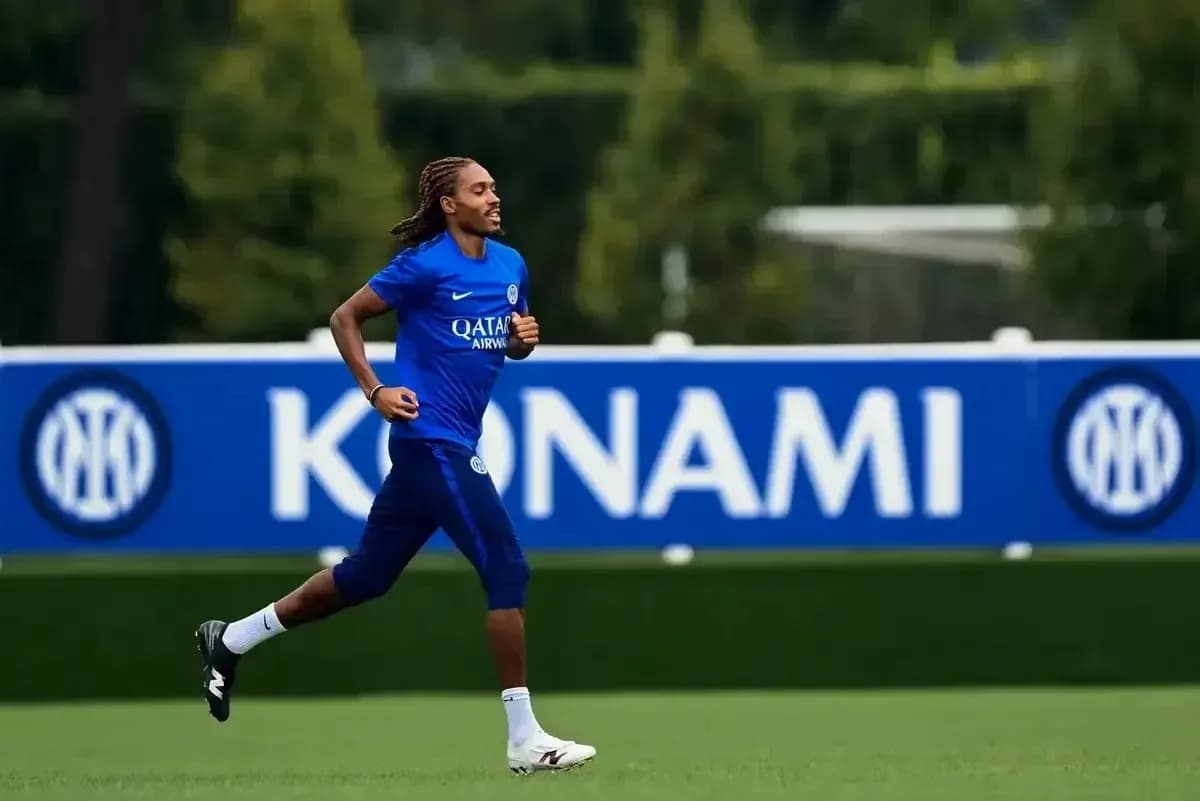
Shaw remains first-choice left-back. Behind him, Carrick leans on Noussair Mazraoui as cover, a role he knows from international duty with Morocco. Diogo Dalot can flip sides if required. And then there is Harry Amass.
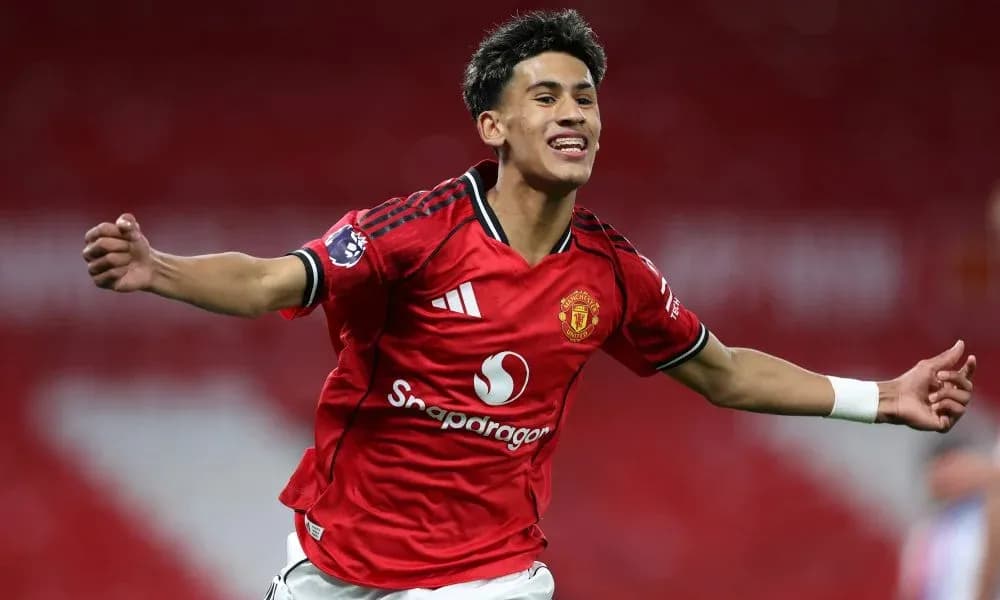
The Amass situation is curious. A natural left-back from United’s academy, he impressed on loan at Sheffield Wednesday last season before injury struck soon after a winter move to Norwich. At 19, he returned this summer and caught the eye in pre-season, often shadowing Shaw and looking at ease.
Yet, for reasons the club has not fully explained, United were prepared to let him go.
The doubts around him are not new. In the summer of 2024, Erik ten Hag left Amass out of his Community Shield squad, despite the teenager having handled himself well against Mo Salah in a pre-season game in the United States a week earlier. Ten Hag’s concern then was physicality. Two years on, Amass should be bigger, stronger, more robust.
Interest has not been in short supply. Multiple clubs asked about him. His absence from United’s Premier League 2 game against Leicester on Monday, as deadline day loomed, only strengthened the belief he would depart, most likely on loan.
He stayed. His exact role in Carrick’s senior squad remains undefined.
Yoro’s switch and the logic of the risk
What helped United live with the idea of Mazraoui at left-back was something else entirely: Leny Yoro’s summer.
Signed from Lille in 2024 for £52m as a central defender, Yoro spent pre-season mostly at right-back. Against Ipswich on Sunday, he came on in that role for Dalot, while Mazraoui simultaneously replaced Shaw on the left. A glimpse, perhaps, of the contingency plan in real time.
Yoro is only 20. He is learning the nuances of playing full-back. But he has pace, power and composure on the ball. United fans do not have to look far for a template. Across the city, Josko Gvardiol has made the same positional shift at Manchester City after arriving as a centre-back, and has turned it into a weapon.
This is where United’s gamble lives: in the belief that intelligent, athletic defenders can adapt, and that short-term patches are better than long-term mistakes.
Because one thing the club were determined to avoid, after holding firm on fees all summer and refusing to overpay, was another Alex Telles. Or Matteo Darmian. Or Sergio Reguilon. Full-backs who arrived with decent reputations but never truly hit the standard United now demand.
On paper, the logic holds. Better no signing than the wrong signing. Better flexibility than another expensive misfit.
But paper does not feel hamstring tightness in December. It does not hear the groan when Shaw goes down, or watch Mazraoui try to adjust mid-season to a new flank, or track a raw Amass stepping into a title race.
The club believes it has made the right call. The numbers and the budget say so. The structure of the squad just about supports it.
The only verdict that will matter, though, will be delivered in the chaos of the coming months – in the weeks when Shaw is unavailable, the games pile up, and that left side of United’s defence either holds firm or finally gives way.