Netherlands vs Germany: New Coaches, High Stakes in Amsterdam
Two giants, two new bosses, one unforgiving stage.
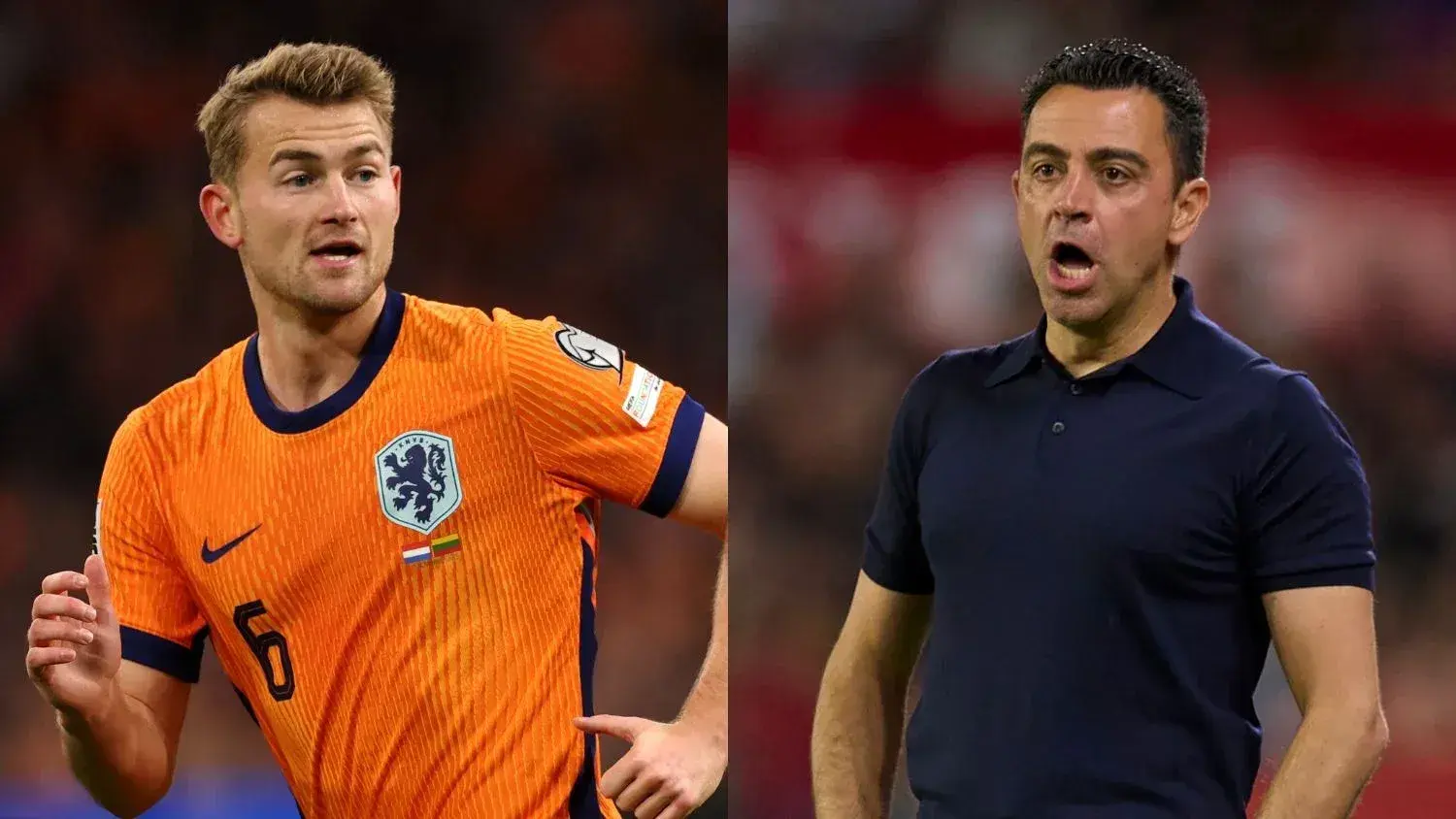
Netherlands against Germany in Amsterdam is never just another fixture, but this time the subplots are stacked. On 24 September 2026, at 14:45 EST (18:45 GMT), the UEFA Nations League throws together a fresh-faced Germany under Jürgen Klopp and a Netherlands side reborn under Xavi.
Both nations crashed out of the World Cup earlier than they care to remember. Both reacted by turning the page. Now they meet to see whose reboot has more bite.
Xavi’s Oranje: Big Calls, Bold Lines
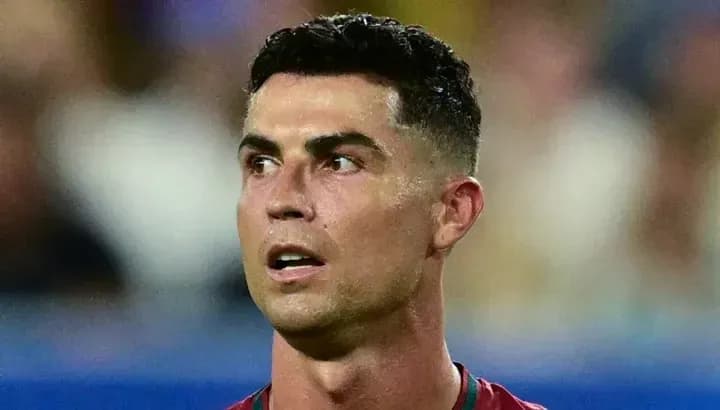
The first shock came before a ball was kicked. Xavi, the Spanish midfield great now in charge of Oranje, has left out Memphis Depay, the country’s all-time record scorer. No injury, no suspension. Just a clean, ruthless football decision.
It sets the tone.
His projected XI is young, aggressive, and built to run:
Netherlands (4-3-3): Bart Verbruggen; Denzel Dumfries, Virgil van Dijk, Micky van de Ven, Nathan Ake; Ryan Gravenberch, Joey Veerman, Tijjani Reijnders; Jeremie Frimpong, Brian Brobbey, Cody Gakpo.
No injuries or suspensions cloud the Dutch build-up. Xavi has a full deck and has chosen pace and verticality over sentiment and status. Van Dijk anchors the defence, but look at the flanks: Dumfries and Ake bombing on, Frimpong and Gakpo driving inside. It screams front-foot football.
Up top, Brobbey is the battering ram. Fresh from a hat-trick for Sunderland in a wild 5-3 defeat to Manchester City and a bruising display against Arsenal, the 24-year-old arrives in Nations League action as a striker in form and in full confidence. He’ll occupy both centre-backs, and he’ll enjoy it.
The Dutch form line backs Xavi’s intent. Three wins, one draw, one defeat in their last five across competitions. Eleven goals scored, six conceded. A commanding 5-1 demolition of Sweden showed their ceiling. A 1-1 draw with Morocco at the World Cup, followed by elimination on progression terms, showed their flaws. Dangerous going forward, occasionally loose at the back.
That balance will be tested by a Germany side that has its own point to prove.
Klopp’s Germany: High Energy, Hard Reset
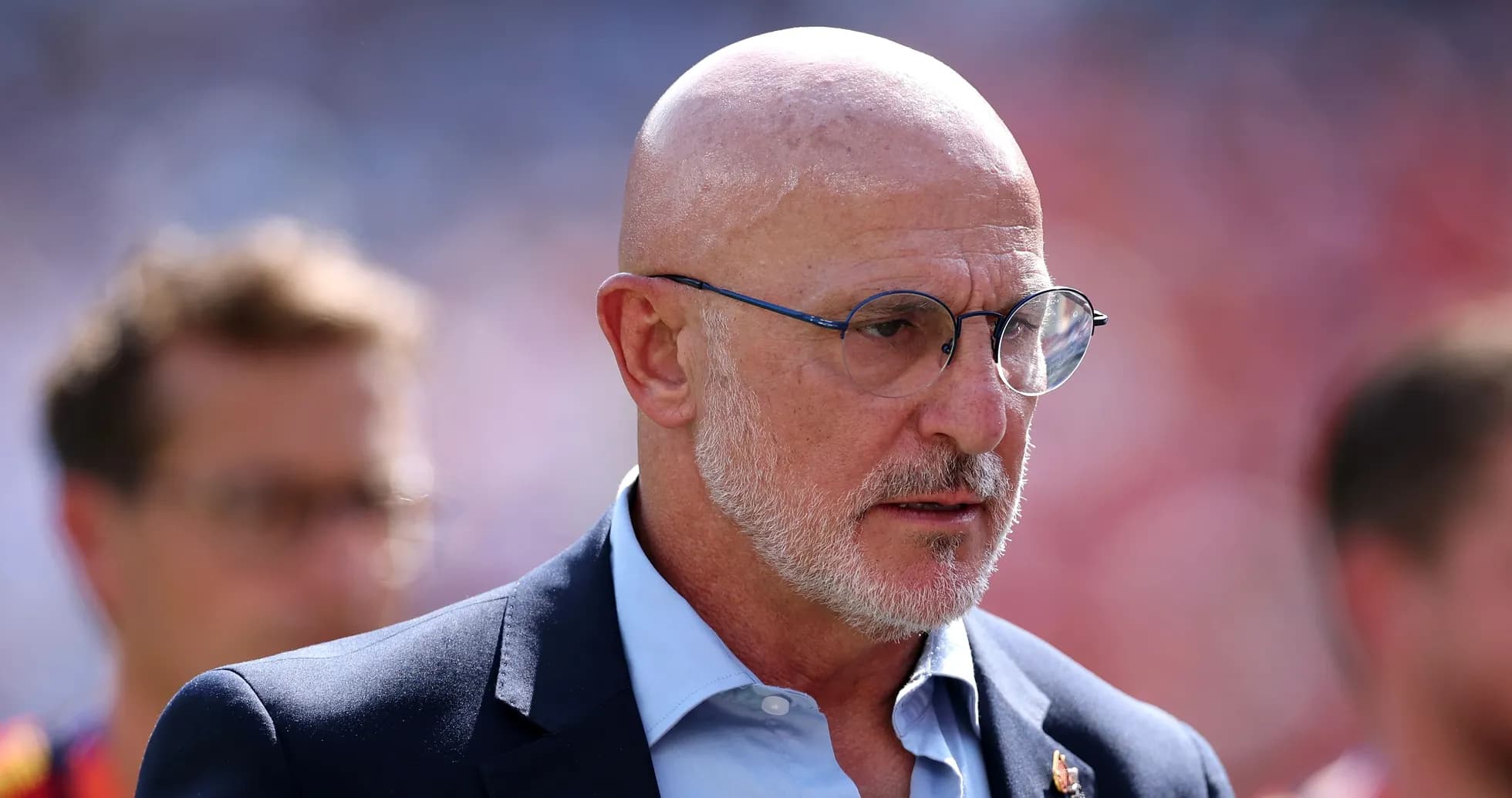
On the opposite bench, a very familiar silhouette. Jürgen Klopp, the Liverpool icon, now wears the tracksuit of Die Mannschaft. He has replaced Julian Nagelsmann after Germany’s World Cup ended with a 1-1 draw against Paraguay and another early exit that stung deeply.
Klopp has not eased himself in gently. He has named two separate 22-man squads to handle four Nations League fixtures in September and October against Netherlands, Greece (twice) and Serbia. This is not tinkering. It’s a full structural reset.
For Amsterdam and the follow-up against Greece, his group includes:
Marc-André ter Stegen, Alexander Nübel, Finn Dahmen, Hennes Behrens, Max Rosenfelder, Philipp Treu, Jonathan Tah, Nico Schlotterbeck, Nathaniel Brown, Josha Vagnoman, Yann-Aurel Bisseck, Joshua Kimmich, Nadiem Amiri, Yannik Engelhardt, Felix Nmecha, Anton Stach, Bambasé Conté, Kai Havertz, Chris Führich, Jamal Musiala, Lennart Karl, Younes Ebnoutalib, Serge Gnabry, Kevin Schade.
It’s an unconventional mix: established stars, Bundesliga regulars, and names that will be unfamiliar to many outside Germany. That’s the point. Klopp is building a squad to run, press, and suffocate opponents, not just to decorate a team sheet.
For this opener, Germany are expected to line up in a 4-2-3-1:
Germany (4-2-3-1): Alexander Nübel; Nathaniel Brown, Jonathan Tah, Nico Schlotterbeck, Joshua Kimmich; Felix Nmecha, Nadiem Amiri; Serge Gnabry, Lennart Karl, Jamal Musiala; Kai Havertz.
No injuries, no suspensions. Just selection calls.
One of the biggest is in goal. Marc-André ter Stegen is back after a serious injury, finally poised to enjoy life as Germany’s undisputed number one after years in Manuel Neuer’s shadow. Yet he may have to start this new era from the bench, with Besiktas goalkeeper Alexander Nübel tipped to get the nod in Amsterdam. It’s a reminder that under Klopp, reputations don’t guarantee minutes.
Higher up the pitch, the attacking spine is clear. Havertz as the focal point, Musiala floating between the lines, Gnabry stretching play. Musiala, in particular, arrives hot: three goal contributions in his last three games for Bayern Munich. If Germany are to quieten the Amsterdam Arena, he will likely be at the heart of it.
Germany’s recent form is patchy but revealing. Two wins, two defeats and that fateful 1-1 with Paraguay across their last five matches. They smashed Curaçao 7-1 and edged Ivory Coast 2-1, but losses to Ecuador and Paraguay knocked them out of the World Cup. Thirteen goals scored, five conceded. When it clicks, they overwhelm. When it doesn’t, they look strangely brittle.
Klopp has been hired to erase that inconsistency. Nights like this will show how far he’s come in a short time.
Injuries, Absences and Opportunity
Both managers have had to tweak their plans. For the Netherlands, Justin Kluivert and Donyell Malen withdrew through injury, trimming Xavi’s attacking options and making his faith in Brobbey and Frimpong even more significant.
Germany lost Brajan Gruda from the squad, a blow to their depth in wide areas, but the overall picture is positive: no major fitness concerns, no suspensions, and a squad full of players eager to impress a new coach.
The absences clear the stage for new protagonists. For Xavi, it’s Brobbey, Gravenberch and Reijnders staking their claim as the next Dutch core. For Klopp, it’s the likes of Brown, Karl and Nmecha trying to turn unfamiliar names into permanent fixtures.
History, Stakes and a Tight Group
Recent history between these two is tight and tense. Germany edged the last meeting 1-0 in the Nations League in October 2024. A month earlier in the same competition, the sides had traded blows in a 2-2 draw in the Netherlands.
Across the last five head-to-heads, Germany lead the mini-series: two wins to one, with two draws. Eleven goals in those games underline the point: when these two collide, something usually happens.
The group table sharpens the edge. In UEFA Nations League Group 2, Germany sit top. Netherlands are third. For the hosts, this is not just about pride or the symbolism of a new era. They need a result to close the gap and keep their campaign on track.
Lose at home to a rival, under a new coach, with the crowd expecting a statement? The pressure would crank up quickly.
Where This Could Be Won
Tactically, the battle lines are clear.
Netherlands will push their full-backs high, trust Van Dijk and Van de Ven to handle transitions, and rely on Brobbey’s physicality to pin Germany’s centre-backs. Frimpong and Gakpo will look to attack the space behind Kimmich and Brown, especially if Germany’s full-backs are dragged inside or caught high.
Germany, under Klopp, will press the Dutch build-up aggressively. Nmecha and Amiri will be asked to disrupt Veerman and Gravenberch, while Musiala roams to exploit any loose passes in midfield. If they can turn Dutch possession into German counter-attacks, Gnabry and Musiala will have room to run at a back line that has shown it can wobble under pressure.
Set pieces could also prove decisive. With Van Dijk, Van de Ven, Tah and Schlotterbeck on the pitch, there will be no shortage of aerial targets and physical duels in both boxes.
A New Chapter, Written at Full Speed
Strip away the storylines and the names on the dugout, and this is still what it has always been: Netherlands against Germany, with points, pride and momentum on the line.
But the context matters. Xavi’s first real test as national-team coach. Klopp’s first competitive step with Germany. Two footballing nations trying to shake off World Cup disappointment and convince themselves that the next cycle will be different.
The whistle in Amsterdam won’t just start a Nations League game. It will mark the beginning of two new projects, both under fierce scrutiny.
By full-time, we’ll know which one has hit the ground running—and which one is already playing catch-up.