Frosinone's Tactical Mastery Shines in 2-0 Victory Over Como
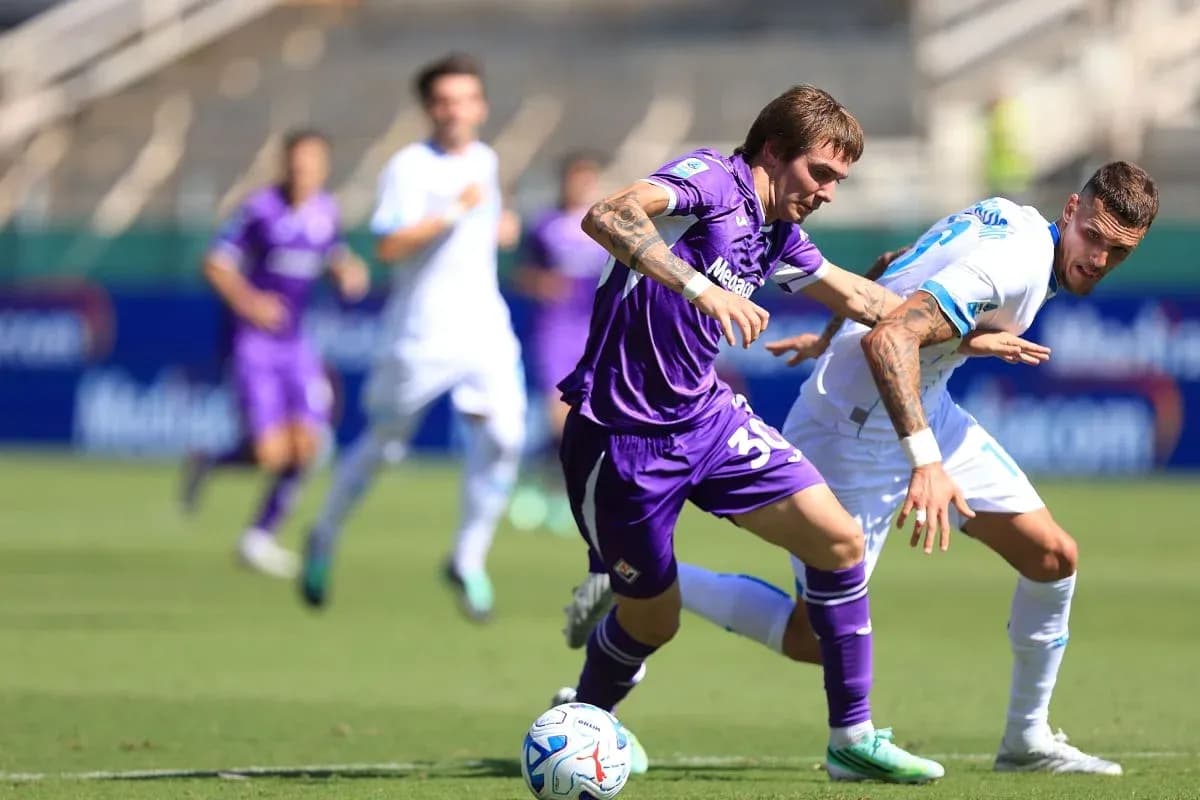
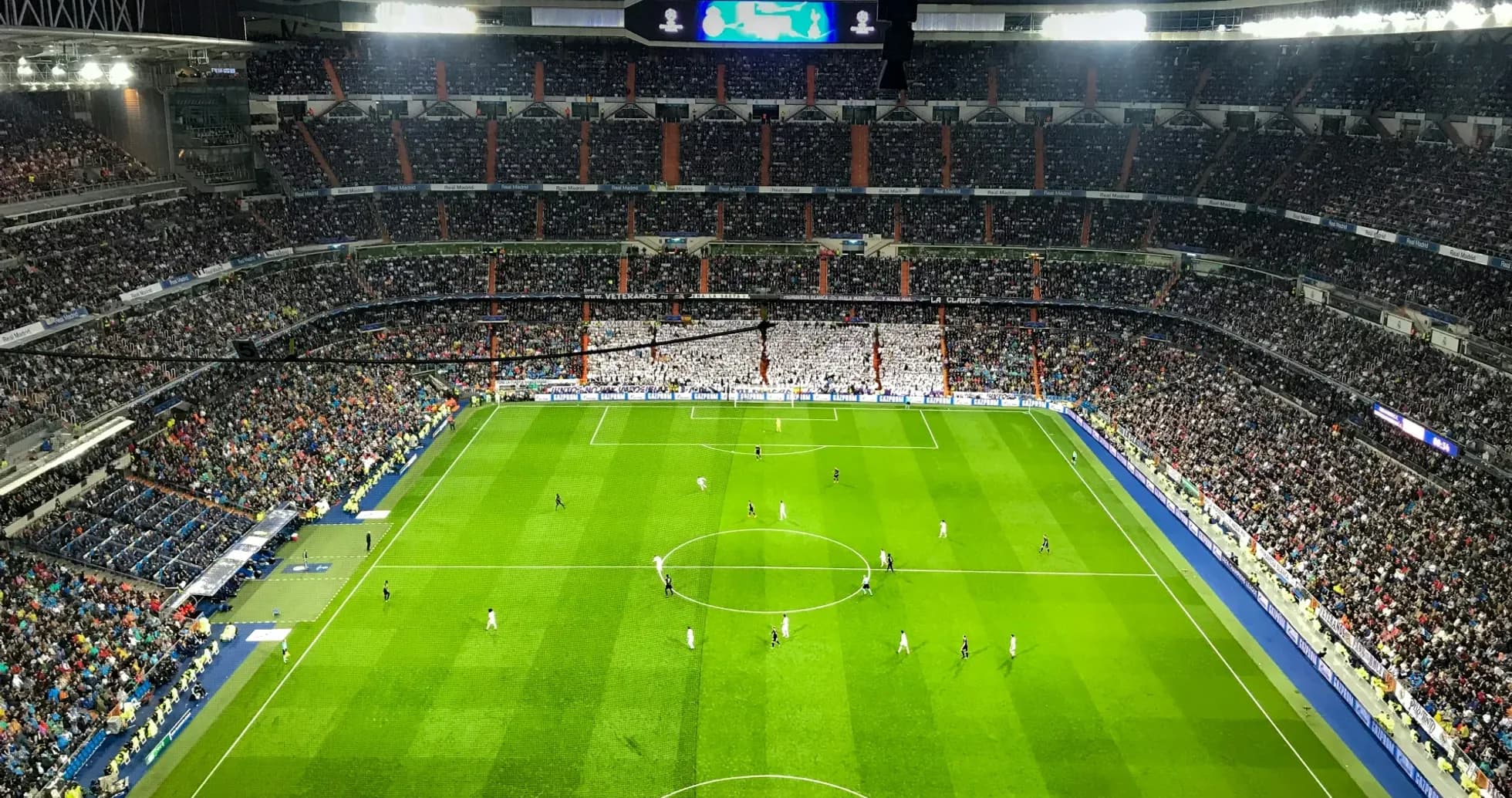
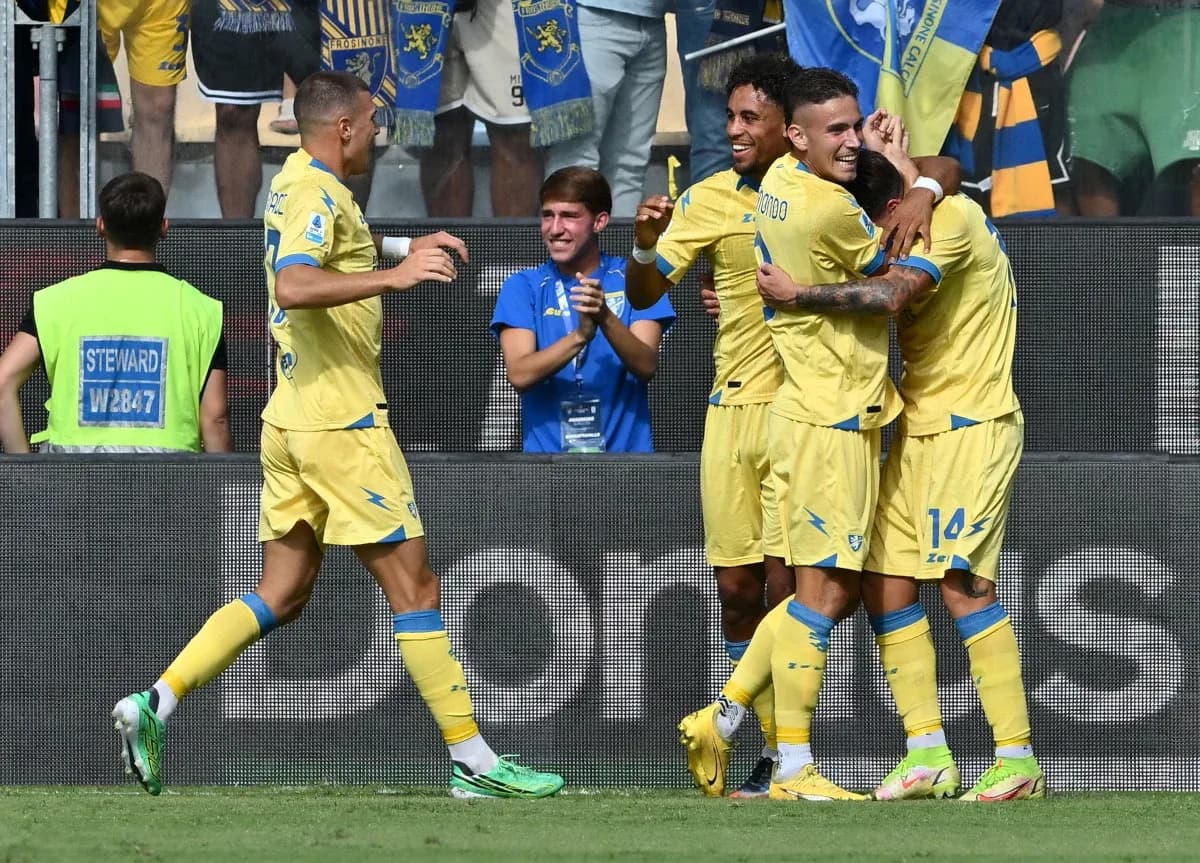
The afternoon at Stadio Benito Stirpe told a clear story: Frosinone are no longer just surviving in Serie A, they are starting to dictate it. In a meeting of early-season upstarts, Massimiliano Alvini’s side dismantled Como 2–0, a scoreline that matched the tactical balance of a game where one 4-2-3-1 looked fully formed and the other still very much in construction.
Heading into this fixture, the table already hinted at how fine the margins were. Frosinone sat 6th with 10 points from 5 matches, a goal difference of +5 (9 scored, 4 conceded overall). Como trailed only slightly in 8th, also on 10 points but with a goal difference of +3 (9 scored, 6 conceded overall). Both had identical overall scoring output, 9 goals in 5 matches, and both had leaned on the same base structure: 4-2-3-1 in all five league games. What unfolded in Frosinone was less about formation labels and more about how those shapes were inhabited.
Alvini’s 4-2-3-1 has a clear seasonal DNA. At home, Frosinone average 1.7 goals scored and 1.0 conceded, with 2 wins and 1 defeat from 3 matches. On their travels they have been even more incisive going forward, averaging 2.0 goals scored and 0.5 conceded. That balance between aggression and control was visible from the first whistle. The double pivot of G. Calo and P. Masini gave structure, while the line of three – G. Kvernadze to the left, R. Schmid central, F. Ghedjemis to the right – constantly rotated around A. Raimondo.
First Half
The opening 45 minutes, ending 2–0 to Frosinone, were a clinic in how to stretch a back four that is not yet fully synchronized. Como’s own 4-2-3-1 under Cesc Fabregas, with L. Milla and L. Da Cunha as the deeper pair and M. Baturina, N. Paz and A. Diao supporting A. Douvikas, has produced 1.8 goals per game overall. Away from home they had been dangerous, scoring 7 times in 4 away fixtures (1.8 per game) but conceding 5 (1.3 per game). That fragility on their travels was ruthlessly exposed here.
The “Hunter vs Shield” duel was always going to be A. Raimondo against a Como defence that had yet to keep a clean sheet this season. Raimondo came into the match as one of Serie A’s standout early forwards: 4 goals in 5 appearances, with 10 shots (6 on target) and a rating of 7.02. He is not just a finisher; his movement and willingness to drop in open channels for runners like Kvernadze make him the reference point of this Frosinone side. Against a centre-back pairing of J. Ramon and T. Chalobah that is still learning each other’s distances, his constant drifting into half-spaces created chaos.
Behind him, the creative axis of Kvernadze and Schmid formed the “Engine Room” battle against Milla and Da Cunha. Kvernadze’s season numbers are those of a modern wide creator: 3 goals, 1 assist, 9 shots (5 on target), 12 key passes and 30 dribble attempts with 16 successful. He is both outlet and instigator. Schmid, meanwhile, is Serie A’s early assist specialist with 3 assists from 130 passes and 4 key passes, operating as the tempo-setter between the lines. Against Como’s double pivot, they repeatedly found pockets where Milla was drawn towards the ball and Da Cunha left too high, leaving the back four exposed.
On the other side, Fabregas’ most potent weapon was supposed to be the left-sided combination of Baturina and Diao. Baturina arrived with 2 goals, 1 assist, 9 shots and 4 key passes, while Diao had mirrored that output – 2 goals, 1 assist, 8 shots and 13 key passes – from the right. Both are comfortable receiving between the lines and driving at defenders. Yet Frosinone’s back four, with G. Calvani and G. Bracaglia at its heart, were prepared for the duel.
Bracaglia, already one of the league’s most combative defenders with 7 successful blocks and 5 interceptions, again stepped out aggressively into those channels. His disciplinary profile – 3 yellow cards in 5 appearances – underlines how on the edge he plays, but here his timing was sharp. Calvani, with 11 tackles, 6 blocks and 7 interceptions across the season, provided the calmer cover. Together, they denied Douvikas the central spaces he thrives in and forced Como’s creators to drift ever wider, away from goal.
If there was a tactical void for Frosinone, it was the absence of F. Grillitsch, ruled out with a thigh injury. In theory, his experience at the base of midfield could have been missed against a technically refined Como side. Instead, Calo and Masini handled the workload with positional discipline, screening passing lanes into Baturina and Paz and allowing the full-backs A. Oyono and G. Bracaglia to be aggressive in their duels.
Disciplinary trends also framed the contest. Frosinone spread their yellow cards across the match, with 25.00% coming between 46–60 minutes and 16.67% in several other ranges, but crucially they have avoided red cards entirely so far. Como, by contrast, cluster their cautions in the middle and late phases – 25.00% of their yellows in each of the 31–45, 46–60, 76–90 and 91–105 minute windows. That pattern hints at a team that struggles to manage game states once under pressure, and in Frosinone that pressure arrived early and did not relent.
From a statistical prognosis standpoint, this match felt like a logical extension of both teams’ seasonal curves. Frosinone’s overall scoring rate of 1.8 goals per game and defensive record of 0.8 conceded were reflected almost exactly in the 2–0 scoreline. Como’s away profile – 1.8 scored, 1.3 conceded – met a back line that has already produced 2 clean sheets overall and is growing in confidence.
Following this result, the narrative around both squads shifts. Frosinone look like genuine contenders for the European places their “Play-offs” description hints at, built on a coherent 4-2-3-1 where Raimondo, Kvernadze and Schmid give them a cutting edge and Calvani–Bracaglia provide a rugged spine. Como, for all the promise of Baturina and Diao, must solve their defensive organisation on their travels if Fabregas’ expansive ideas are to translate into consistent results against the league’s better-drilled sides.