Inter Dominates Lazio in Serie A Clash
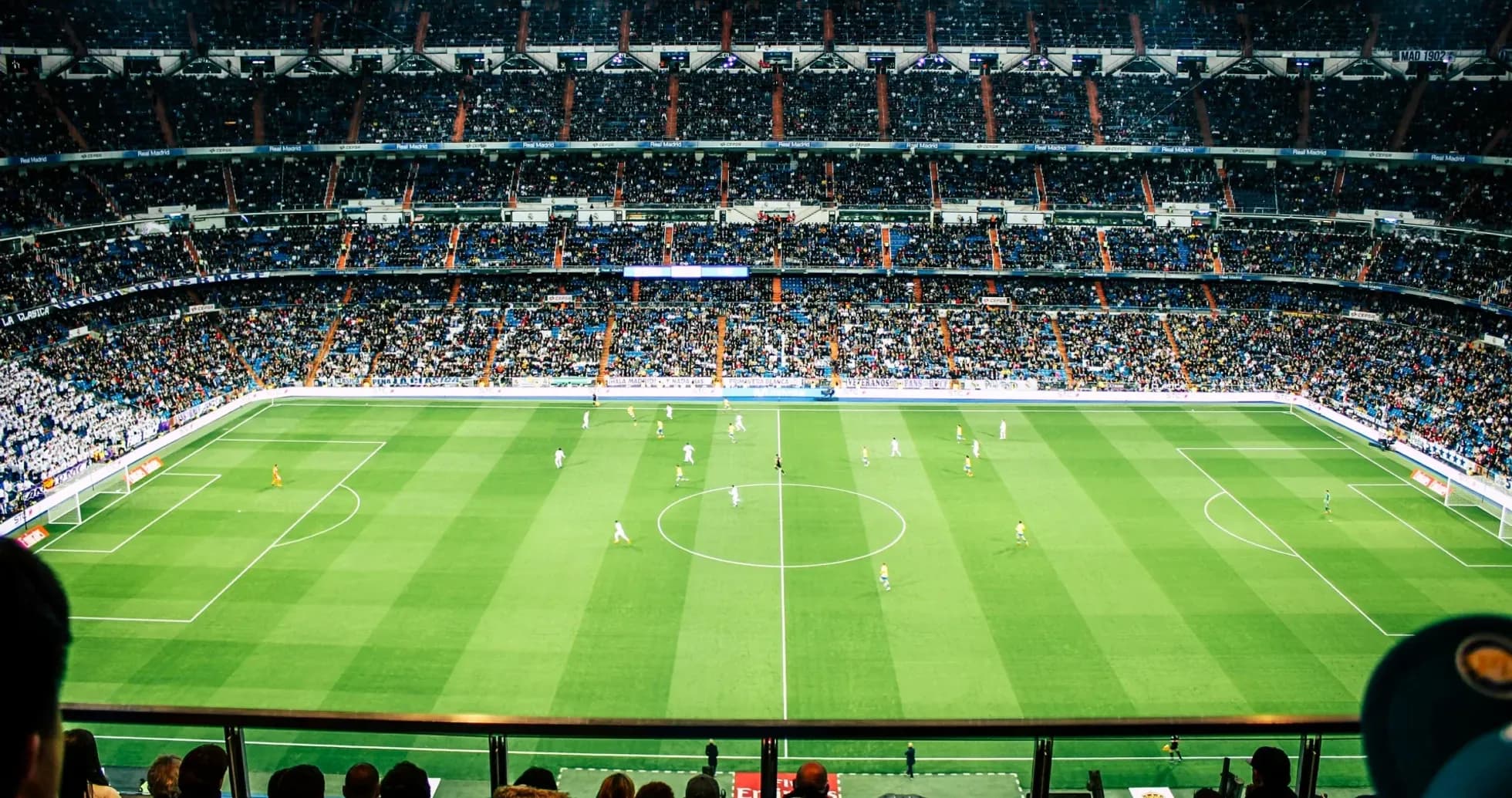
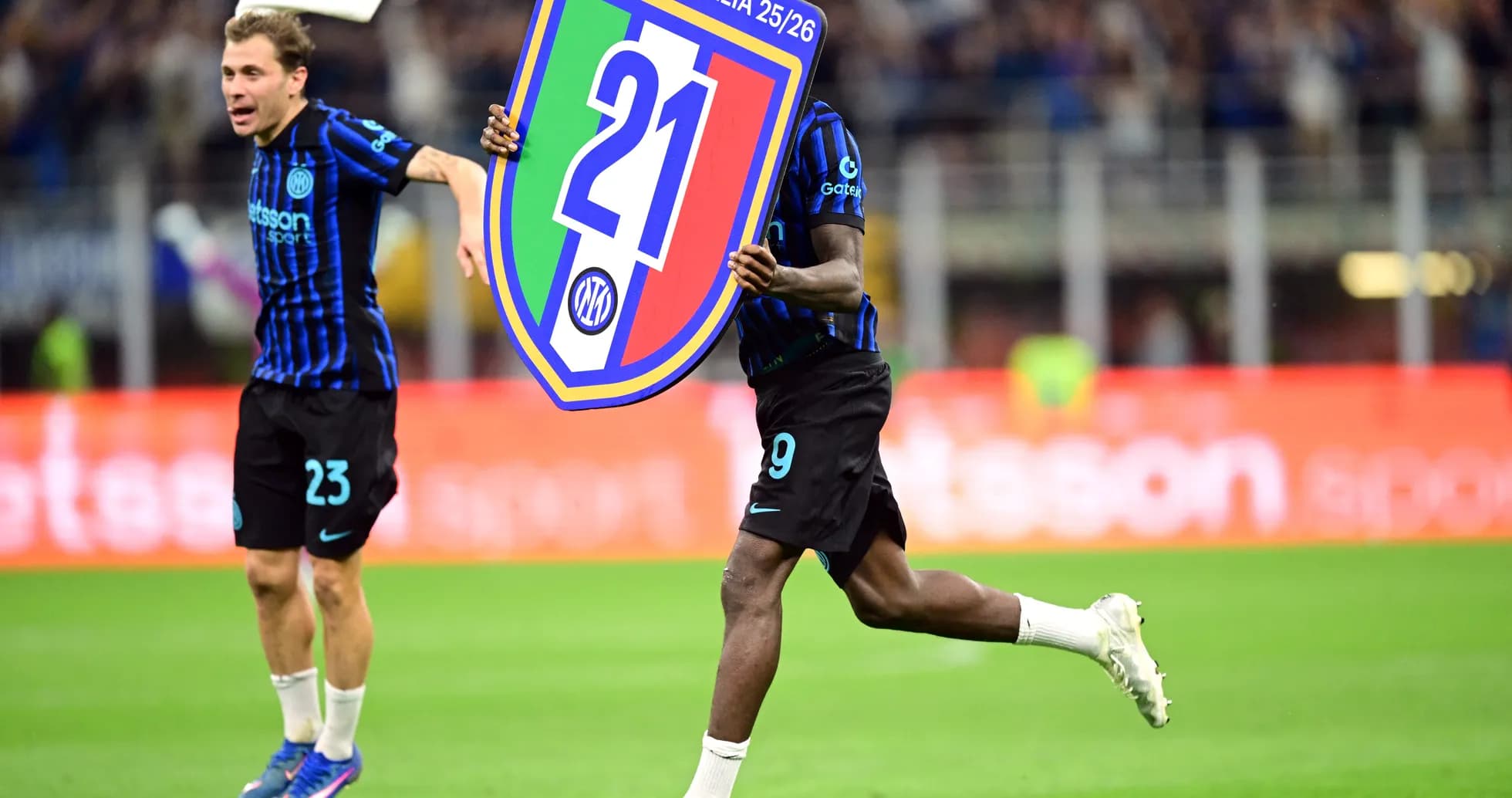
Under a grey Roman sky at Stadio Olimpico, a meeting between two clubs heading in opposite directions ended with the table telling a brutally honest story. Following this result, Inter leave the capital as league leaders on 85 points, while Lazio remain 8th on 51, their late push for Europe checked by a 3–0 home defeat that underlined the structural gap between the sides as Serie A enters its 36th round stretch.
I. The Big Picture – Systems, Context, Control
The scoreline mirrors the season’s DNA. Overall, Inter have been ruthless: 27 wins from 36, with 85 goals for and 31 against, a goal difference of 54 that speaks of dominance in both boxes. On their travels they average 2.0 goals scored and concede just 0.9, an away machine built on control and vertical punch.
Lazio, by contrast, have lived on the margins. Overall they sit at 13 wins, 12 draws and 11 defeats, scoring 39 and conceding 37 for a slender goal difference of 2. At home they average 1.4 goals for and 1.3 against, numbers that capture their identity: competitive, but rarely overwhelming.
Maurizio Sarri stayed loyal to his season’s blueprint, rolling out the 4‑3‑3 that has started 34 league games. E. Motta, deputising in goal, sat behind a back four of A. Marusic, Mario Gila, A. Romagnoli and L. Pellegrini. N. Rovella anchored the midfield with T. Basic and F. Dele‑Bashiru, while the front three of M. Cancellieri, T. Noslin and Pedro were asked to stretch Inter’s back line.
Cristian Chivu’s Inter were the image of continuity: the 3‑5‑2 that has started all 36 league fixtures. J. Martinez in goal, a back three of Y. Bisseck, F. Acerbi and A. Bastoni, wing‑back/half‑space hybrid roles for Carlos Augusto and A. Diouf, and a central trio of N. Barella, P. Sucic and H. Mkhitaryan knitting phases together. Up front, M. Thuram and Lautaro Martínez, Serie A’s most devastating partnership this season, led the line.
II. Tactical Voids – Absences and Discipline
Both managers walked into this fixture with key pieces missing, and the gaps were obvious in the pattern of play.
Lazio were stripped of structure and leadership spine. I. Provedel’s shoulder injury meant Motta’s promotion to the XI; in a side that has kept 15 clean sheets overall, losing the first‑choice goalkeeper was always going to disturb the defensive chemistry. Higher up, the absence of M. Zaccagni with a foot injury removed their most persistent one‑v‑one outlet and pressing trigger. His season profile – 26 appearances, 2114 minutes, heavy involvement in duels and dribbles – underlines how much Sarri’s system leans on his ability to carry the ball and draw fouls. Without him, Lazio’s left side became more predictable, easier for Inter’s block to shift across.
D. Cataldi’s groin problem further thinned the midfield rotation, forcing Rovella into a heavy‑load role against one of the league’s most intense central units. For a team whose disciplinary pattern shows a late‑game spike in yellows (27.40% of their yellow cards arriving between 76–90 minutes) and a worrying 62.50% of reds in that same period, the absence of an experienced tempo‑controller also increased the risk of emotional unraveling once they fell behind.
Inter had their own creative void with H. Çalhanoğlu sidelined by a calf injury. The Turkish playmaker has 9 goals, 4 assists and an elite 90% passing accuracy this season, plus 4 penalties scored and 1 missed – a reminder that even their set‑piece threat was theoretically diminished. F. Esposito’s back injury removed depth, but the real question was how Chivu would rewire the midfield without his primary regista. The answer came in the form of Mkhitaryan dropping deeper and Sucic taking on more progression duties, while Barella’s box‑to‑box profile filled the half‑spaces.
Disciplinarily, Inter arrived with a cleaner record: no reds in the league and a yellow‑card curve that, like Lazio’s, peaks late (30.65% of yellows between 76–90 minutes). In a match that was effectively decided before the closing stages, that late volatility never had a chance to surface.
III. Key Matchups – Hunter vs Shield, Engine Room Wars
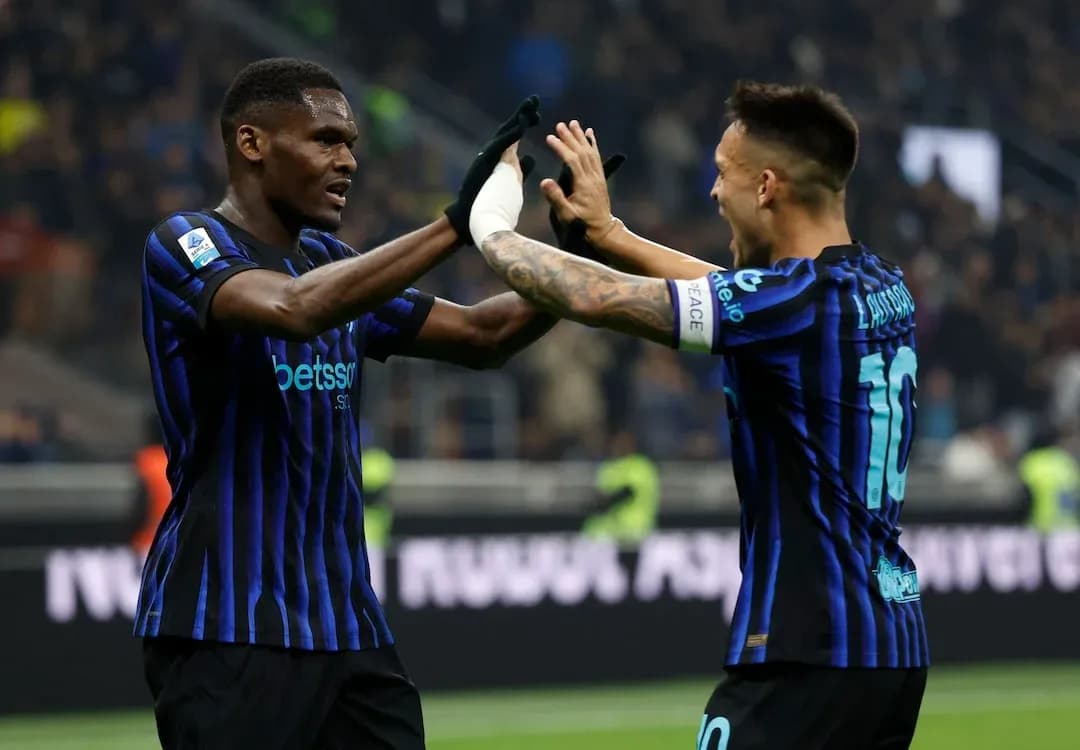
The headline duel was always going to be Lautaro Martínez against Lazio’s central pairing of Mario Gila and Romagnoli. Lautaro’s season – 17 goals and 6 assists in 28 appearances, with 66 shots and 37 on target – frames him as the division’s most reliable finisher. He thrives on half‑spaces, quick combinations and second‑phase chaos.
Opposite him, Lazio’s centre‑backs are high‑volume defenders. Mario Gila’s campaign includes 44 tackles, 16 successful blocks and 23 interceptions; Romagnoli has 23 tackles, 19 blocked shots and 31 interceptions. Both are strong in duels – Gila has won 127 of 188, Romagnoli 101 of 168 – but their partnership depends on compact spacing and a stable screen in front. Without Provedel’s voice and with Inter’s front two constantly rotating, the “shield” was dragged into uncomfortable zones, and the 0–3 full‑time scoreline reflected Inter’s ability to repeatedly access the central channel.
In midfield, the “engine room” battle pitted N. Barella against Rovella and Basic. Barella’s season numbers – 8 assists, 72 key passes, 52 tackles – mark him as both creator and enforcer. His understanding with Mkhitaryan allowed Inter to overload the right interior lane, pulling Dele‑Bashiru and Basic out of shape and isolating Lazio’s full‑backs. Without Cataldi to share the defensive and distribution load, Rovella was often left screening alone, forced to choose between tracking Mkhitaryan or stepping to Sucic.
On the flanks, Carlos Augusto and A. Diouf exploited Lazio’s lack of natural width in midfield. With Zaccagni absent and Pedro more comfortable coming inside, Lazio’s wide forwards could not consistently pin Inter’s wing‑backs deep. That allowed Inter to build 3‑2‑5 structures in possession, with Diouf and Carlos Augusto high and wide, Barella and Sucic between the lines, and Thuram drifting left to attack Marusic and Gila in the channel.
IV. Statistical Prognosis – What the Numbers Say About the Story
Following this result, the numbers harden the narrative. Inter’s overall attacking average of 2.4 goals per game and defensive concession of 0.9 were reflected almost exactly by a three‑goal win and another clean sheet, adding to an already imposing total of 18 shut‑outs. Their away profile – 13 wins from 18, 36 goals scored and just 16 conceded – made a strong away performance at Olimpico less an upset than a continuation of trend.
Lazio’s season‑long tendency to operate on fine margins was exposed against elite opposition. Overall they average 1.1 goals for and 1.0 against; against Inter’s high‑efficiency attack, that balance collapsed. The absence of Zaccagni and Provedel removed two of their most stabilising figures at either end of the pitch, and their replacement structure never fully convinced.
From an Expected Goals perspective, Inter’s season‑long volume of chances, shot numbers for Lautaro and Thuram, and the way they repeatedly accessed central and half‑space zones here suggest they would have comfortably won the xG battle as well. Lazio, who have failed to score in 16 matches overall, again looked like a side that can be blunted if their first line of circulation is disrupted and their wide dribblers are missing.
The tactical verdict is clear: Inter’s continuity in system, the depth to absorb Çalhanoğlu’s absence, and the relentless edge of their front two made this a statement away win that fits perfectly with their title‑chasing metrics. For Lazio, the defeat is less an aberration than a reminder that, heading into the final weeks, bridging the gap to the very top will require more than just marginal gains – it will demand a deeper rebuild of both squad profile and game model.