Xabi Alonso Leads Chelsea's Manager Search
Chelsea’s search for a new manager has a clear leader – and it points to a shift in power at Stamford Bridge.
Alonso rises to the top
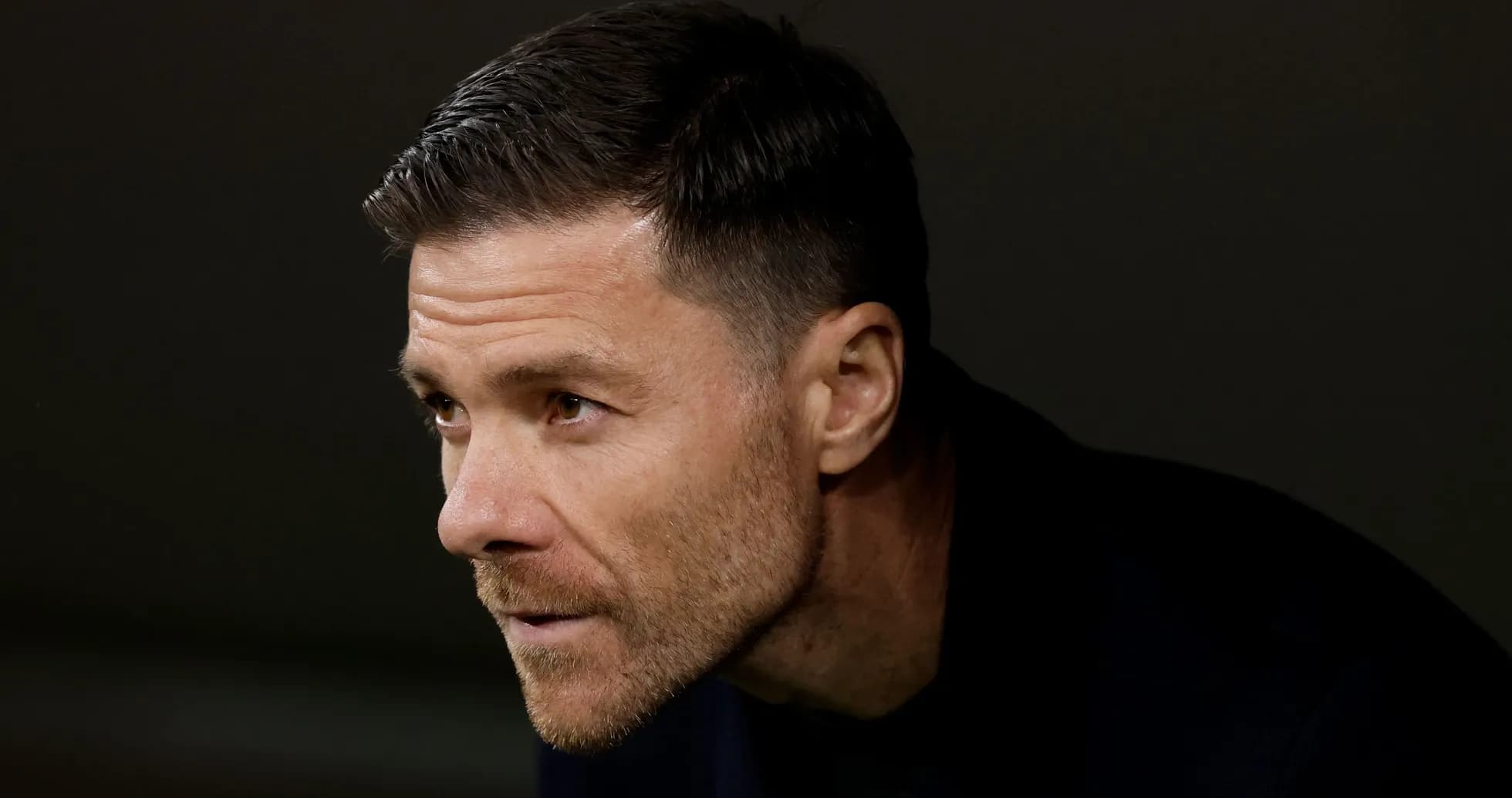
Xabi Alonso has moved ahead of the pack in the race to become Chelsea’s next head coach, a development that signals a willingness from the ownership to hand far greater control over recruitment to the man in the dugout.
The former Bayer Leverkusen and Real Madrid boss is attracting serious interest from the Blues and, crucially, is understood to be open to the job despite the bruising experiences of Enzo Maresca and Liam Rosenior before him. Chelsea’s bench has not been a safe place in recent years. Alonso knows that. He still hasn’t turned away.
Inside the ownership group, he has heavyweight admirers. For a club that has spent two years insisting on a rigid, data-led, multi-club model, the pursuit of one of Europe’s most coveted coaches feels like an admission: the structure alone is not enough. Chelsea need a figurehead.
A potential coup in a crowded market
Chelsea have not put all their chips on one number. Fulham’s Marco Silva and Bournemouth’s Andoni Iraola, who is about to become a free agent, both remain firmly in the frame. Iraola, in particular, has impressed with his aggressive, high-energy football on the south coast and is regarded as a strong contender.
Yet Alonso sits a notch above. His work at Leverkusen has made him one of the hottest properties in management, the kind of name usually linked with clubs in calmer waters than Chelsea’s current churn. Landing him would be a coup for an ownership group still searching for a defining football decision.
His stock is such that he is also seen as a potential option for Liverpool if Arne Slot departs. For now, reports indicate Liverpool plan to keep Slot next season despite signs of regression. That, at least temporarily, clears some of the traffic in front of Chelsea.
Power shift in the boardroom
An Alonso appointment would not be a cosmetic change. It would force a summer of upheaval.
Chelsea’s squad has been assembled by committee, with the manager often asked to make sense of a puzzle he did not design. Alonso would arrive with the clout to demand specific profiles, not just accept what the recruitment department delivers.
That stands in sharp contrast to Rosenior, who was promoted from within the BlueCo network and slotted into the existing framework rather than bending it to his will. This time, the club appears ready to tilt the balance towards a manager’s technical vision, even if it means loosening the grip of the corporate structure that has defined the post-Roman Abramovich era.
The message is clear: if Chelsea want to climb back towards the top of the Premier League, they can no longer treat the head coach as just another interchangeable piece.
Fabregas fades, the field narrows
Supporters have not been shy about pushing their own favourite. Cesc Fabregas, a modern club icon, has been a popular name among the fanbase, his work in Italy catching the eye of those who crave a romantic return.
That storyline is on hold. Fabregas is expected to remain with Como for at least another season, removing one of the more sentimental options from the board and sharpening the focus on three main contenders: Alonso, Silva, and Iraola.
Silva offers Premier League know-how and stability. Iraola brings intensity and tactical edge. Alonso, though, represents something else: the chance to reset the identity of the club around a single, elite coach. Inside Chelsea, that is the option gaining momentum.
Lessons from Maresca’s exit
The urgency to get this appointment right stems from what came before.
Maresca’s departure followed reports of a serious breakdown in relations with the hierarchy and clashes over transfer decisions. The Italian is now being tipped as a possible successor to Pep Guardiola if the Catalan walks away from Manchester City at the end of the season – a pointed reminder that Chelsea’s revolving door can eject high-calibre coaches as quickly as it hires them.
Those tensions have forced a rethink at board level. If they want a world-class manager, they have to offer something closer to a world-class environment. That means clarity over who signs players, who shapes the squad, and who carries the can when it goes wrong.
Alonso would not walk into the same constraints Maresca faced. That is the whole point.
Squad uncertainty and transfer reality
While Chelsea weigh up their next manager, the squad itself sits on uncertain ground.
Key figures such as Enzo Fernandez and Cole Palmer face an uncomfortable reality: without Champions League football next season, senior players will miss out on significant bonuses. That financial hit adds another layer of instability to a dressing room already buffeted by constant change.
The club’s ambitions in the market remain bold. Elliot Anderson is on their radar, a player also being tracked by Manchester City and Manchester United. On paper, it fits Chelsea’s profile: young, talented, with room to grow.
But ambition is one thing. Credibility is another. As long as the club looks fractured off the pitch and drifts outside Europe’s elite competitions, the biggest targets will be harder to land.
Which is why the Alonso pursuit matters so much. This is not just about who stands on the touchline in August. It is about whether Chelsea can convince the game’s best players – and one of its most in-demand coaches – that Stamford Bridge is still a place where careers are built, not broken.