Gueye's Shocking Decision After Senegal's World Cup Exit
Senegal’s World Cup exit was brutal enough. What followed turned it into a full-blown crisis.
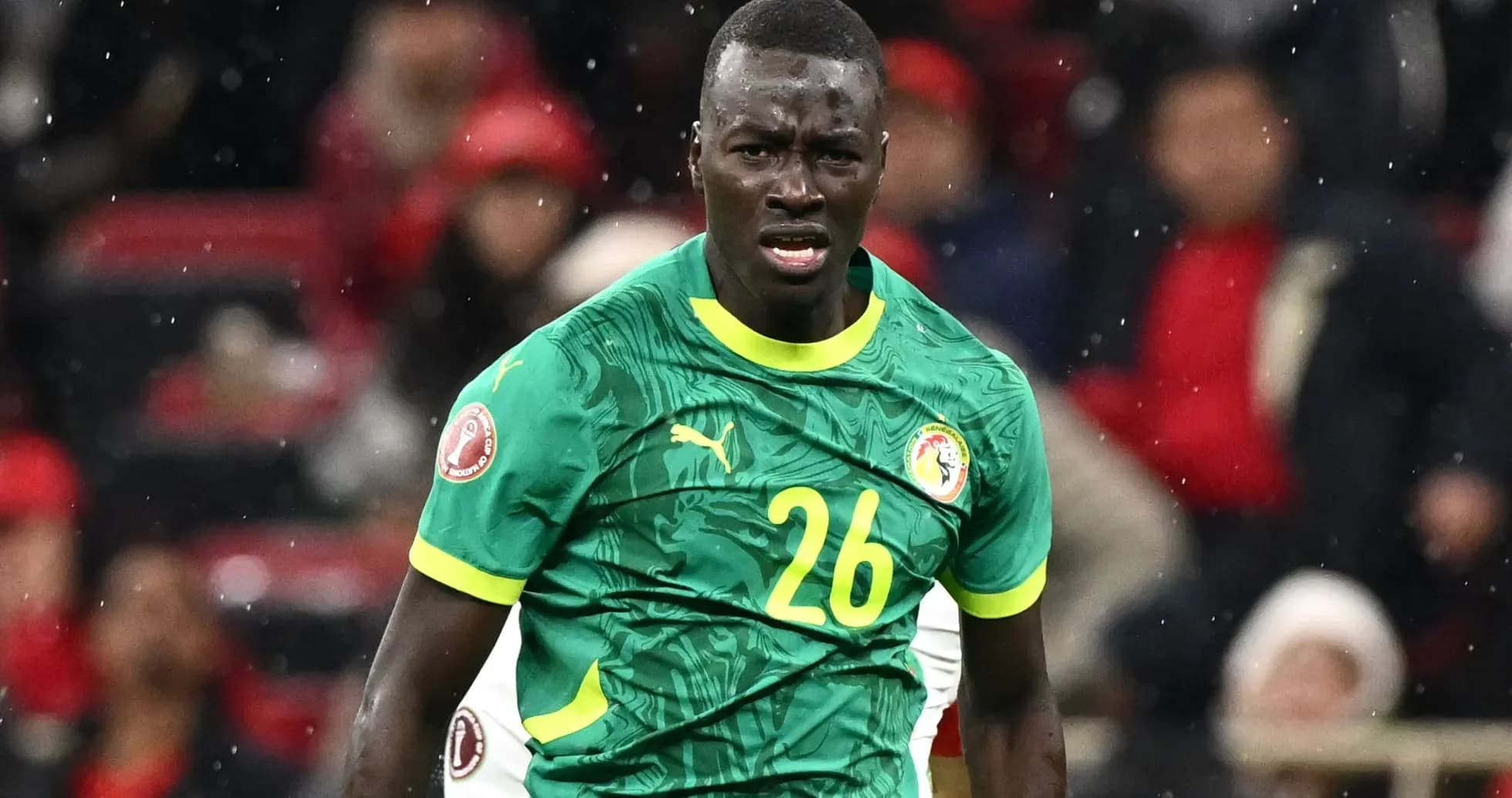
Just hours after the Lions of Teranga crashed out in a 3-2 extra-time defeat to Belgium, midfielder Pape Gueye announced he will no longer play for his country while the current coaching staff remains in charge.
No hints. No soft landing. A straight shot delivered on Instagram.
“I’ll be back to give you a few words regarding elimination... but I announce today that as long as it's this technical staff I’ll take a break from the selection,” he wrote on his story, detonating a bomb under an already wounded camp.
For a player who had been central to Senegal’s run, it was a stunning public break with the bench.
From Cruise Control to Collapse
The backdrop to Gueye’s decision only sharpened the sense of betrayal he clearly feels.
For 64 minutes, Senegal looked like a team on its way to the Round of 16 and a meeting with the USA. Habib Diarra struck, Ismaila Sarr added another, and Pape Thiaw’s side held a commanding 2-0 lead. They were quicker to every ball, more aggressive in the duels, and seemingly in control of the occasion.
Then came the substitution.
Gueye left the pitch in the 64th minute, replaced by Lamine Camara. On paper, a like-for-like change. On the field, the rhythm shifted. Senegal lost a measure of composure and control in midfield, while Belgium, staring at the brink, finally woke up.
The pressure mounted. The clock ticked. The lead, once solid, began to feel fragile.
Romelu Lukaku struck in the final ten minutes. Youri Tielemans followed, dragging Belgium level and forcing extra time. Senegal, who had one foot in the next round, suddenly looked heavy-legged and rattled.
The final blow arrived deep into extra time. In the 125th minute, after a VAR review, the referee pointed to the spot. Tielemans stepped up again and completed the turnaround. From 2-0 up to 3-2 down, Senegal’s World Cup ended in a nightmare they had scripted for themselves.
Thiaw Under Fire
When a team surrenders a two-goal lead on the biggest stage, the head coach is always in the firing line. For Pape Thiaw, the questions came thick and fast.
Why take off Gueye? Why remove other key players with the game seemingly under control?
Thiaw pushed back against the idea that he had overthought it or misread the contest. For him, the decisions were about legs, not tactics.
“They were tired and couldn’t continue. Leaving them on the field would have been unprofessional on our part. We had to replace them, like for like,” he explained. “Of course, when you lose a match after leading 2-0, people inevitably talk about the substitutes. But you can't reduce everything to that. These changes were primarily dictated by fatigue, more than by tactical considerations.”
It was a coach defending his choices, but also revealing the physical limits of his squad. To a furious fanbase, and now to a disillusioned Gueye, that explanation will be a hard sell.
After the defeat, Thiaw cut a dejected figure.
“We just lost a match that was really important to us. We wanted to qualify for the Senegalese people, we thought we deserved it, but unfortunately, we are eliminated. I am sad, the players are sad too, because they really wanted this qualification.”
The sadness is now mixed with something sharper: open dissent from one of his key men.
A Pattern of Turmoil
Gueye’s declaration does not land in a vacuum. It drops into a national setup already living with the scars of controversy.
Thiaw was still under scrutiny after the chaotic Africa Cup of Nations final against Morocco, where he ordered his players off the pitch in protest at a refereeing decision. Senegal returned to finish the match and won it on the field, but CAF later overturned the result, awarding the victory – and the title – to Morocco.
That episode painted a picture of a coach willing to take drastic, emotional stands, even at enormous risk. Now, after a World Cup collapse and a star player effectively going on strike against his own staff, the pressure around his leadership has intensified.
For Senegal, this was supposed to be a tournament that confirmed their rise as a consistent global force. Instead, it has ended with a late penalty, a broken dressing room, and a public rift between one of their leading figures and the men in charge.
The World Cup is over for the Lions of Teranga. The real battle, inside the camp and at federation level, is only just beginning.