Inter Miami's Future Beyond Messi: Urgency for a Succession Plan
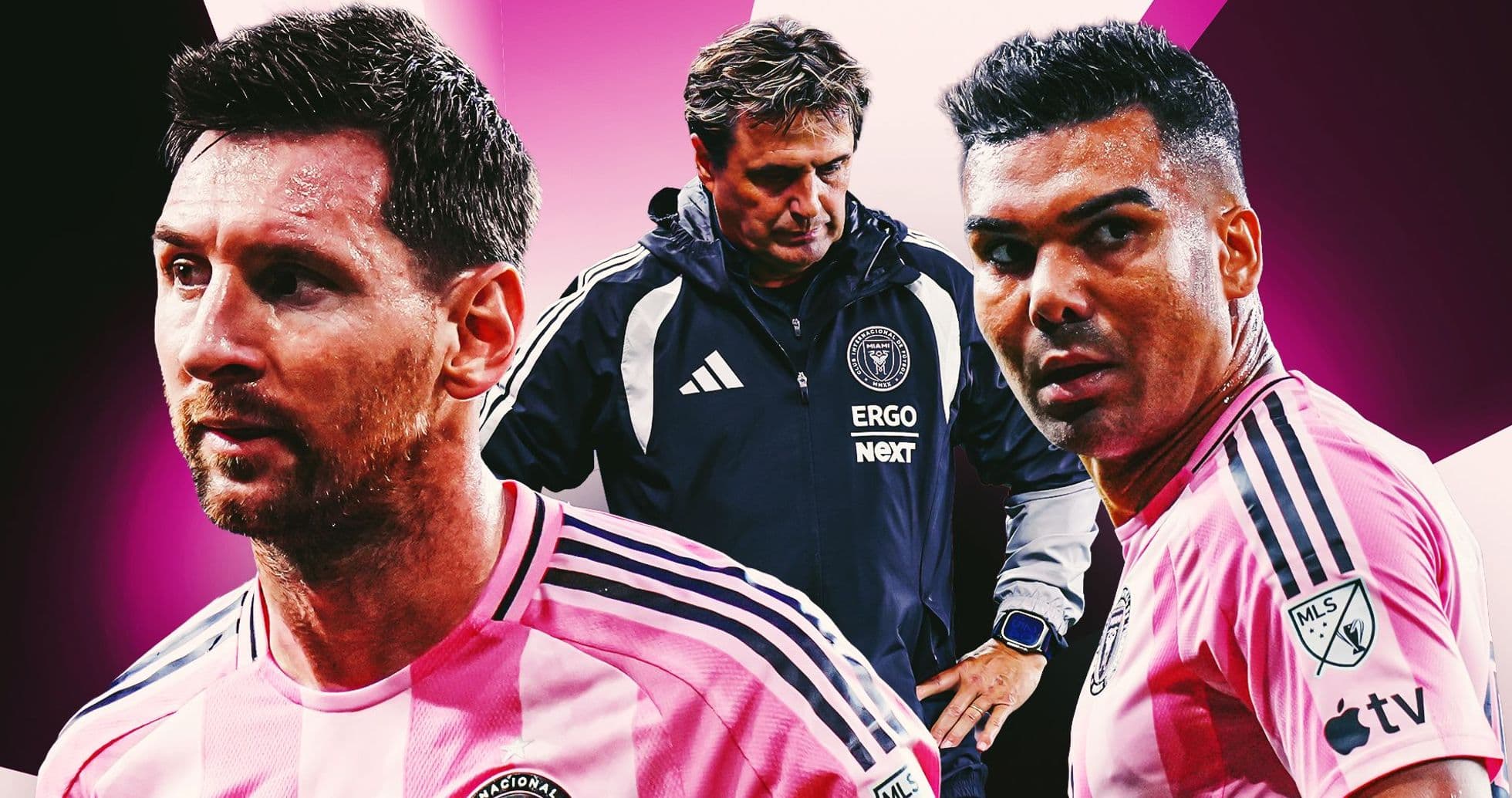
After every game recently, Lionel Messi has tended to quietly exit the pitch without lingering. This simple act feels symbolic given how much Miami’s success depends on him. At 39, Messi remains arguably the greatest player ever, but his career is nearing its natural end. Miami’s transformation from one of MLS’s weakest sides into champions and a global brand owes much to him, alongside the heavy investment from Jorge Mas and the influence of David Beckham. Yet, this winning formula carries an expiration date.
Messi’s contract runs through 2028, but no deal can ensure a player at his age continues until then. The 2026 World Cup is likely his international swan song, and recent personal events hint at an uncertain future. While Messi decides his path, Miami faces pressure to plan for life after him or risk returning to mediocrity.
On-Field Struggles Without Messi
Miami’s current squad doesn’t present as a strong team. Their 4-1 loss to Nashville highlighted major weaknesses: slow midfield, defensive gaps, and poor tactical shape. Despite controlling possession, they were vulnerable on counterattacks. Players like Hany Mukhtar exposed their defense, scoring twice, while others added to the tally. The midfield lacked energy and cohesion, with veterans like Casemiro struggling in heavy conditions and key defenders failing to cover adequately.
Messi’s limited defensive effort and teammates’ waning physical abilities leave Miami dependent on him to carry results. Tactical adjustments haven’t fixed these flaws. Currently, the team resembles an average playoff contender propped up by one superstar.
Flawed Transfer Decisions
Miami’s recruitment so far shows little sign of preparing for a future without Messi. The squad lacks youthful legs and dynamic central midfielders. Although MLS salary caps restrict spending, Miami managed to sign big names, yet some choices seem questionable. For example, spending $15 million on German Berterame, a forward lacking a standout skill, raises concerns. Young talents like Benjamin Cremaschi appeared underutilized and might have offered long-term value.
Messi’s influence appears significant in shaping transfers. The arrivals of Sergio Busquets and Jordi Alba were reportedly aimed at enticing Messi to join. Similarly, Rodrigo De Paul moved partly to play alongside him and prepare for the World Cup. Even Casemiro openly stated he joined to play with Messi, emphasizing the club’s focus on satisfying the star rather than building a sustainable team.
The Challenge of Life After Messi
Whether or not Messi controls transfer decisions, Miami assembled a squad built around him, not one designed for long-term success. MLS is shifting to a Fall-Spring calendar in 2027-28, potentially allowing clubs more flexibility in the transfer market and salary structures. This change could offer Miami a chance to rethink strategy, though time is short.
Messi is contracted through 2028, giving Miami at least one full upcoming season plus part of this year to capitalize on him. But if he leaves sooner, Miami will face difficulties managing costly designated players like De Paul (under contract until 2029) and Berterame, who may not fit well together once Messi is gone.
Potential Successors and Limitations
Miami need a new face to lead both on and off the field. Julian Alvarez stands out as an ideal candidate due to his talent, age, and connection to Argentina. He could begin a true succession plan, even if he would never match Messi’s drawing power. Yet acquiring Alvarez seems unrealistic; Atletico Madrid paid €75 million plus add-ons and recently rejected a €150 million bid from Real Madrid. Miami would have to exceed typical MLS spending limits just to negotiate.
Other options include American stars like Christian Pulisic and Weston McKennie, who hold appeal domestically but lack Messi’s global magnetism. They might fit into Miami’s next era but cannot replace the commercial and sporting impact Messi brought.
The Business Side of Messi’s Departure
Messi isn’t just a player for Miami; he embodies their entire brand. His presence drives ticket sales, sponsorship deals, and international attention. A stadium stand bears his name, and his compensation reportedly includes ownership shares. Losing Messi threatens the foundation of Miami’s sporting and commercial identity. So far, the club hasn’t shown a clear plan for rebuilding once he departs.
Looking Ahead
Before Messi’s arrival, Miami was among MLS’s poorest performers, despite signing stars like Blaise Matuidi and Gonzalo Higuain. Attendance was low, and trophies were nonexistent. With Messi’s arrival in July 2023, expectations soared, but the club still faces a difficult transition ahead.
The risk is slipping back into previous struggles. Miami’s heavy dependence on Messi leaves little preparation time for what comes next. Maybe Messi can drag the team to another trophy, but recent results suggest that will be a tall order for a squad still incomplete.
For now, Miami watches their star exit after each disappointing match, wondering what will remain when he finally walks away for good.