
Egypt Achieves Historic World Cup Knockout Victory with Dual Flags
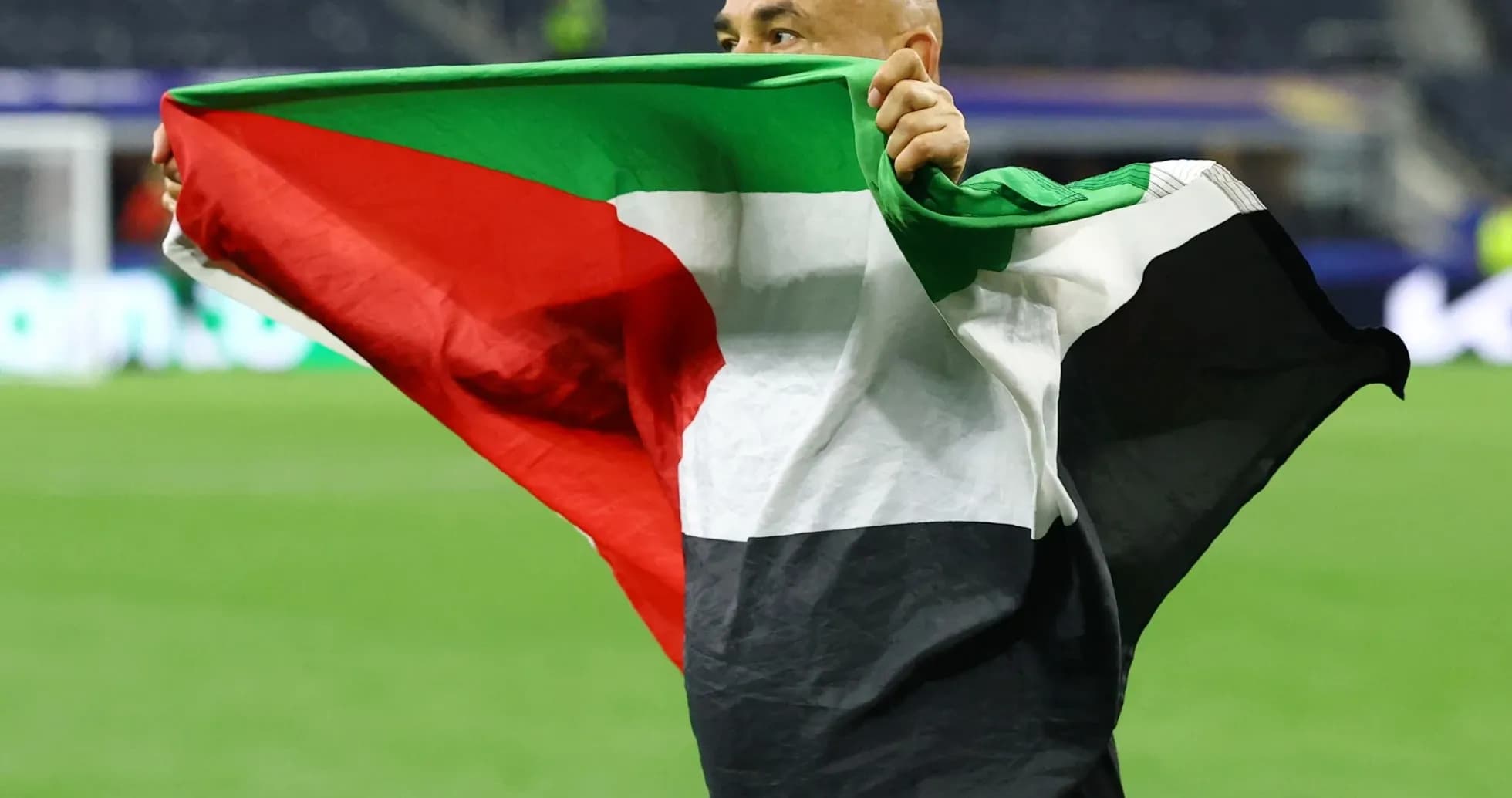
Egypt’s players sank to their knees on the Dallas turf, a circle of green shirts bowing in unison after a night that stretched nerves and history to breaking point. Around them, the noise swirled. On the touchline, Hossam Hassan stepped forward carrying not one flag, but two.
Egypt had just survived Australia and a penalty shootout – 4-2 after a 1-1 draw – to claim the country’s first-ever World Cup knockout victory. Hassan chose to turn the moment outward.
“May God grant them [the Palestinians] victory, may God have mercy on their martyrs,” the Egypt coach told reporters. “I’m saying to them: I’m dedicating this victory to the Egyptian people and Palestinian people, those kind and honourable people.”
On a night of fine margins, his team had delivered a win that rippled far beyond Dallas Stadium.
Ashour strikes, Hany’s misfortune, and a shootout for the ages
The game itself was tight, tense, and often scrappy. Egypt struck first and early, a goal that briefly loosened shoulders and set off celebrations from Cairo to the camps of Gaza.
On 13 minutes, Emam Ashour broke the deadlock with a well-timed header, guiding the ball home to give Egypt the perfect start in this round-of-32 tie. It was the kind of goal that can tilt a knockout game, and for a while it looked like it might.
Australia, though, refused to fold. They leaned on set pieces, second balls, and sheer persistence. Ten minutes into the second half, the pressure finally told in the cruellest way for Egypt. Mohamed Hany, trying to deal with danger in his own box, turned the ball into his own net. The scoreline reset to 1-1, the momentum suddenly jagged and uncertain.
From there, the match tightened. Tackles bit harder, passes grew safer, and both sides played with the knowledge that one mistake could end a World Cup journey. Extra time arrived with more anxiety than ambition. Chances were scarce. Penalties felt inevitable.
In the shootout, Egypt’s composure made the difference.
Hossam Abdelmaguid stepped up for the decisive kick and rolled in the winner with icy calm. By then, Harry Souttar and Lucas Herrington had both missed from 12 yards for Australia, their failures tilting the tie irrevocably Egypt’s way. When Abdelmaguid’s shot hit the net, the night split in two: despair in yellow, delirium in green.
Next up, a last-16 meeting with Argentina or Cape Verde. For Egypt, a new frontier.
Gaza watches amid the rubble
While Egypt’s players embraced and prayed on the pitch, the emotional centre of this victory lay hundreds of miles away.
In Gaza, where bombed-out buildings and makeshift tents now frame daily life, thousands gathered to watch. Social media footage showed crowds huddled around screens, Egypt flags painted on children’s faces, smiles cutting through the dust and darkness.
“For the first time, I’m following the World Cup with this much excitement,” Gaza-based Tamer Nahed wrote on X. He described people pouring out of tents and shattered homes to follow Egypt’s progress.
“I was so happy to see Egypt win a little while ago, but the most beautiful sight was here … thousands of people came out of their tents and from among their destroyed homes to watch the match.
“Faces lit up with smiles, cheers filled the air, and it felt as if everyone had decided to give themselves a moment of life despite everything surrounding them,” he wrote.
The images matched his words: crowds pressed together in the shadow of rubble, eyes fixed on a screen, a rare shared roar for something other than survival. Clips from the besieged strip captured that fleeting joy, people celebrating Egypt’s win with flags, chants, and brief, unguarded laughter.
When Hassan walked back onto the pitch with both the Egyptian and Palestinian flags in his hands, it was more than a gesture. It was a bridge between those scenes in Gaza and the celebrations in Dallas, a visible statement of who this victory was for.
Flashpoint in Dallas, then a reset
The night had not been without friction off the pitch.
Hours before kick-off, members of the Egypt delegation were involved in an altercation with police officers at the team hotel, a confrontation that quickly went viral on social media. According to the Egypt national team, a Dallas police officer pushed team director Ibrahim Hassan and player Trezeguet as they tried to take a photo with a fan.
The incident raised temperatures and threatened to overshadow the build-up. The Dallas Police Department later said the situation had been resolved at the scene, and the focus swung back to the football.
From there, Egypt did the rest. They survived the own goal, outlasted the tension of extra time, and held their nerve in the shootout. History was made in Dallas – and in the streets, camps, and shattered neighbourhoods where people stayed up deep into the night to share it.
Now comes the real question: having finally broken through the World Cup knockout barrier, how far can this Egypt side carry those two flags?





