Barcelona's Striker Dilemma: The Search for a Number Nine
Barcelona have spent the summer behaving like a club determined to stay on top of Spain and push again in Europe. They have strengthened almost every line. Almost.
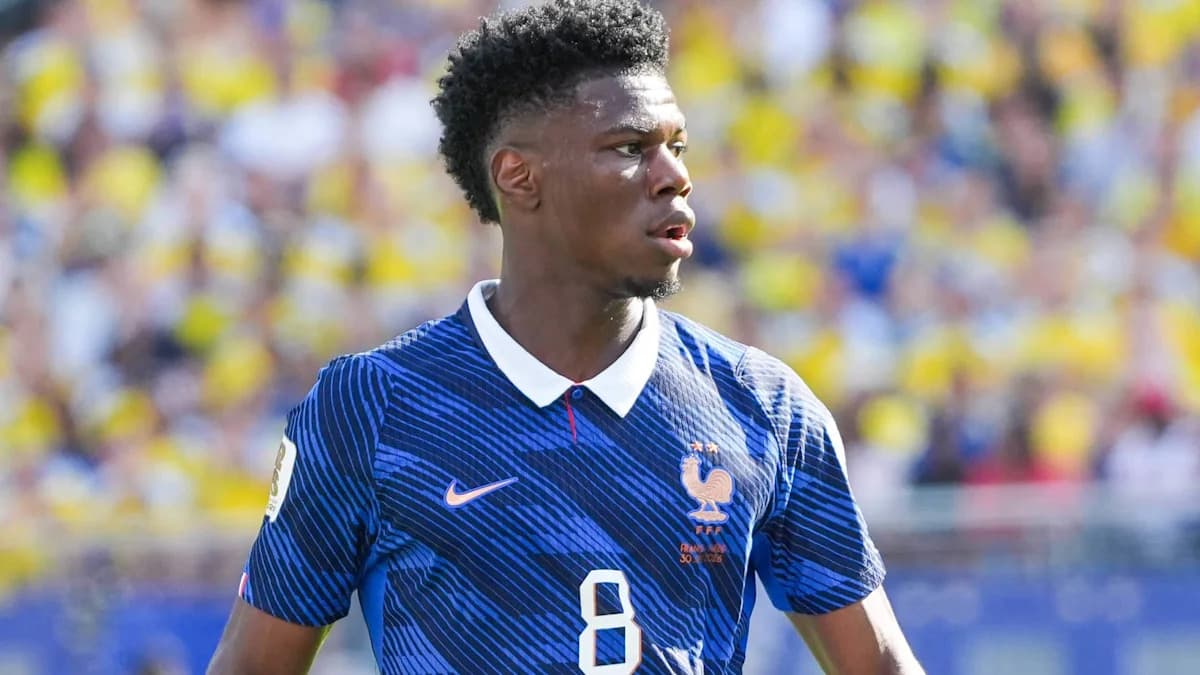
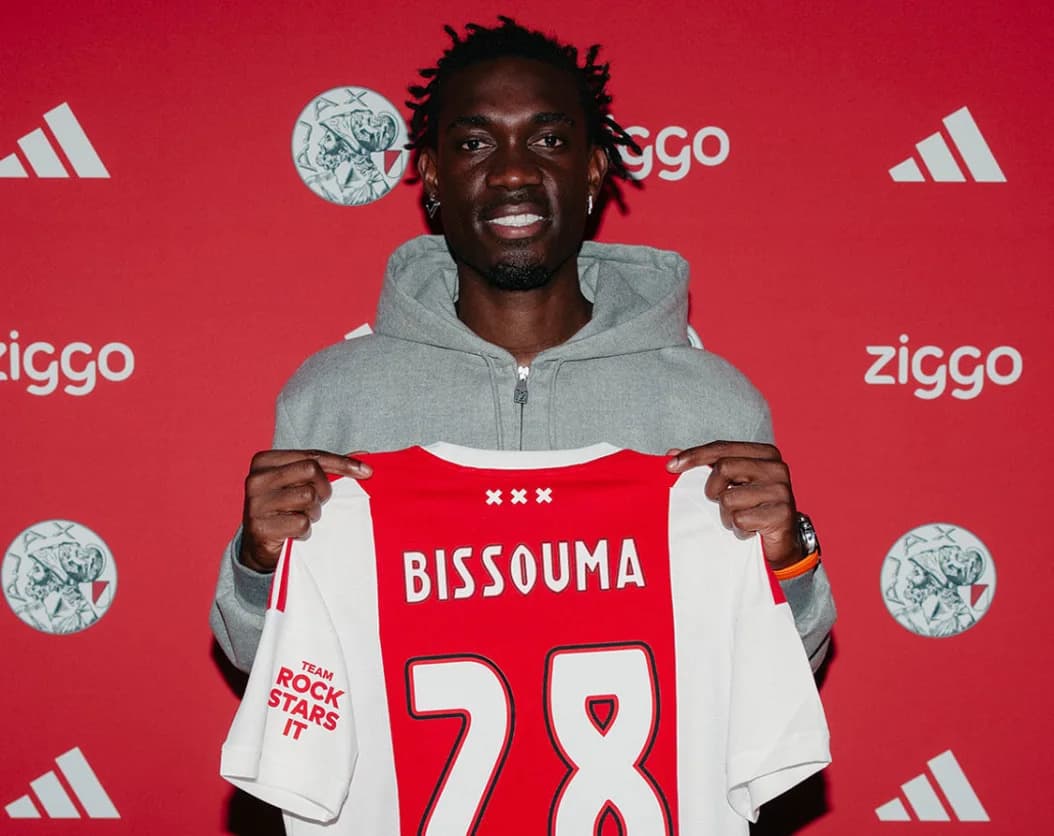
Rodri’s arrival from Manchester City was the headline move: a Ballon d'Or winner and World Cup‑winning captain dropped straight into a midfield already overflowing with technique and control. Around him, the champions have injected speed and unpredictability into their attack with Anthony Gordon and Karim Adeyemi, while 18‑year‑old Belgian winger Jesse Bisiwu has been brought in as one for the future.
Yet for all that work, one glaring question hangs over Hansi Flick’s squad.
A summer of arrivals, a hole through the middle
Barcelona open their La Liga title defence away at Elche on Sunday, 23 August, and as things stand they could go into the entire season without an orthodox centre-forward. The transfer window shuts on 1 September. Time is ticking.
Robert Lewandowski, the reference point of their attack for two seasons, has gone. At 37, the Poland striker chose a final adventure with Chicago Fire in Major League Soccer when his contract expired at the end of last campaign. Ferran Torres, who so often operated as the alternative through the middle, has also departed, joining Paris St‑Germain for about 50m euros (£42.7m).
Torres’ numbers underline the scale of that loss: 21 goals in 49 appearances last season, many of them coming when he stepped into the central role. With both him and Lewandowski gone, Barcelona suddenly find themselves without a single established senior striker in the first-team squad.
For a club built on eras defined by great forwards, it is a jarring sight.
The Alvarez dream – and Atletico’s hard line
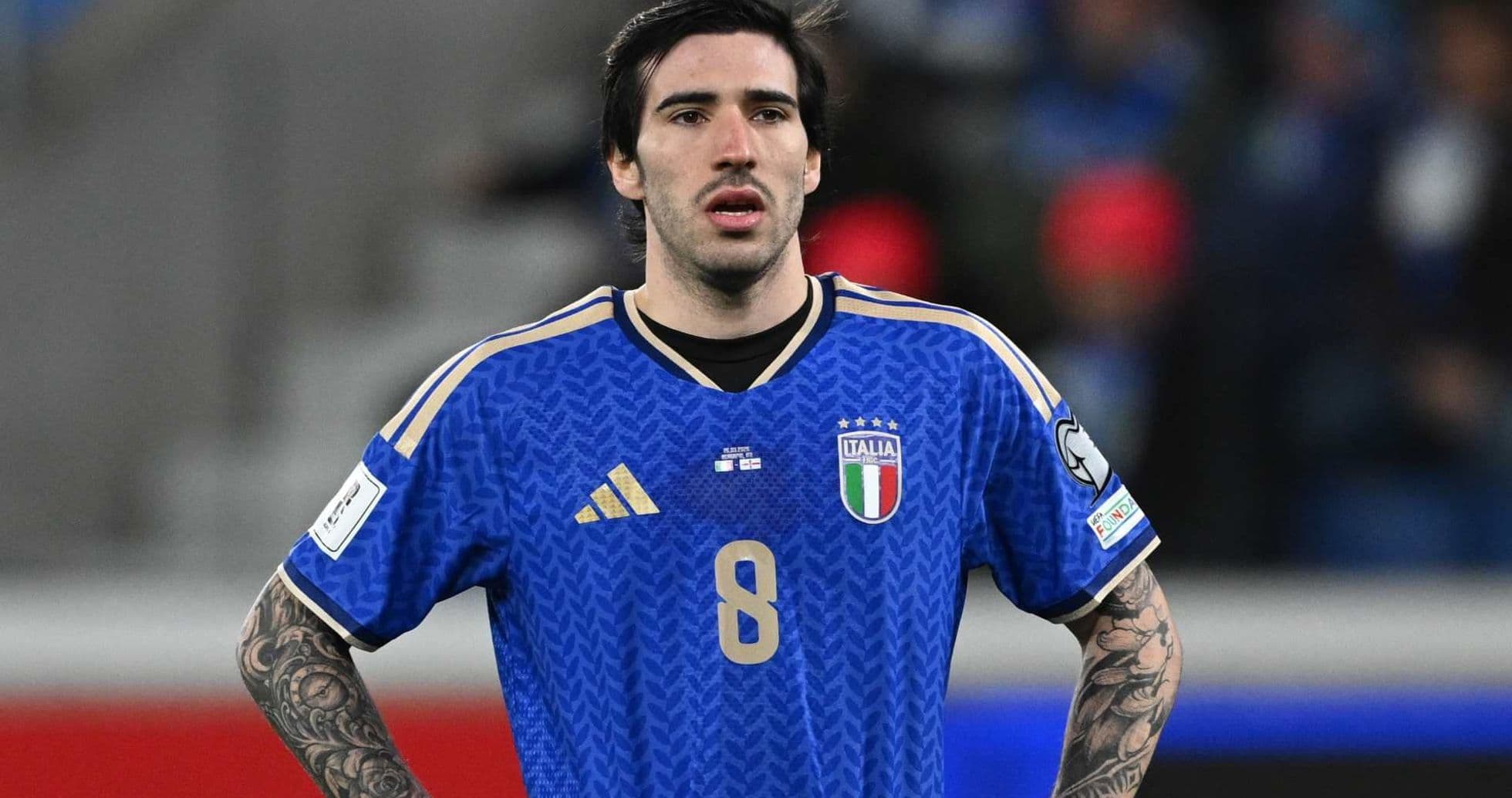
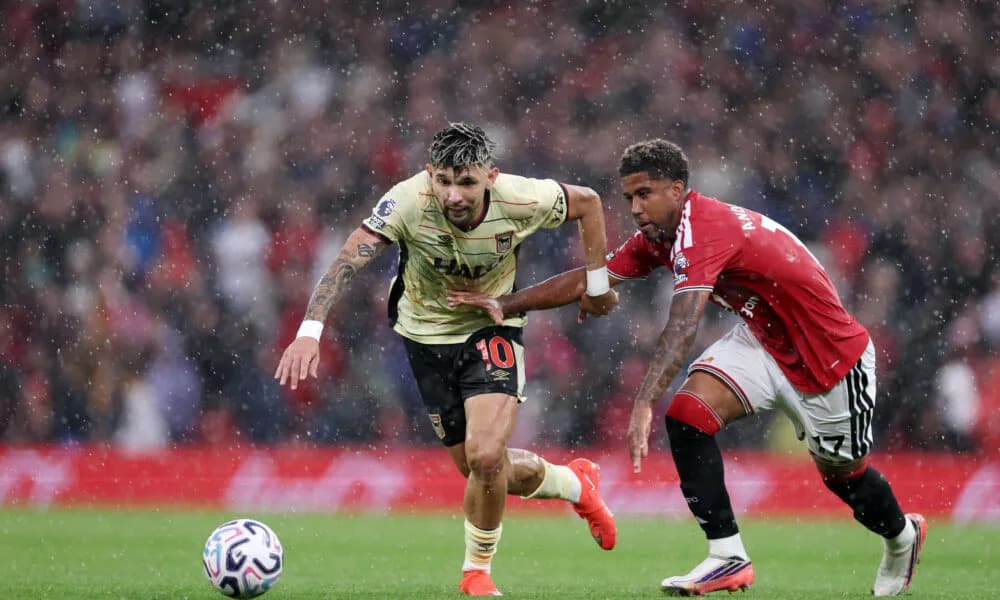
Inside the club, the preferred solution is clear. Barcelona want Julian Alvarez from Atletico Madrid.
The 26‑year‑old Argentina international made it known around the World Cup that he would be open to a move away, a signal that alerted Europe’s elite. Real Madrid also circled. Atletico’s response was blunt.
Chief executive Miguel Angel Gil Marin publicly ruled out a sale and drew a line in the sand: the club would not let Alvarez go, not even for 200m euros (£170.8m). For Barcelona, that stance turns a dream signing into a long shot.
So Flick, ever pragmatic, has had to look inward.
“We know we have to do something,” the German said this month, while stressing the flexibility he already has in his squad. He namechecked Lamine Yamal as an option as a false nine and highlighted the versatility of Gordon and Adeyemi across the front line.
Lamine Yamal: focal point, but not a classic nine
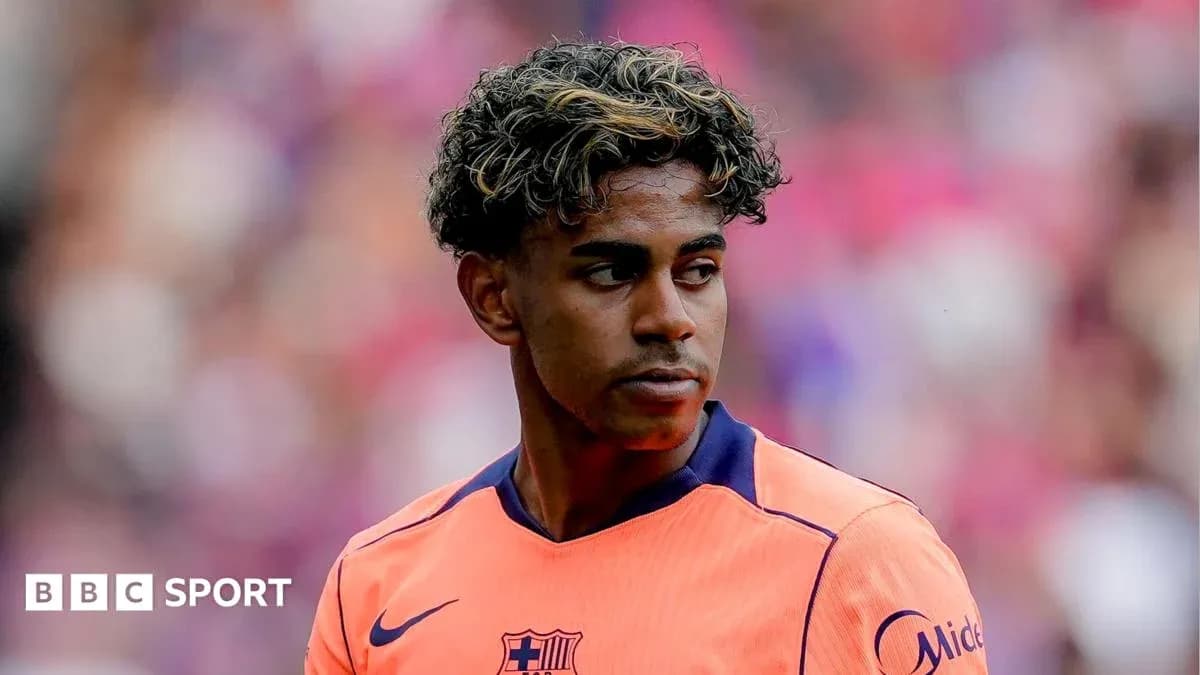
Lamine Yamal is already carrying a burden far beyond his years. The teenager has become Barcelona’s attacking focal point and heads into the new season on the back of a remarkable year: 24 goals and a World Cup trophy with Spain.
His threat, though, comes from the flank. His greatest weapon is that familiar pattern from the right: isolate the full-back, square him up, cut inside and conjure chances from angles that look closed to everyone else.
Flick knows it. His preference is to keep Lamine Yamal starting from the right wing, where he can face play, drift inside and dictate attacks rather than wrestle with centre-backs with his back to goal.
False nines and fluid lines
If Barcelona do not land a striker, Flick will lean on movement and interchanging positions rather than a fixed penalty-box predator.
Dani Olmo can operate as a false nine, dropping between the lines to link play and drag defenders into uncomfortable areas. Raphinha has also been used centrally by Flick, while Fermin Lopez has said he is comfortable stepping into that role as well.
Gordon and Adeyemi bring something different again: raw pace, direct running, the ability to attack space behind defences. Neither, though, is a conventional number nine who lives between the posts and thrives on crosses and cut-backs.
One option is to embrace that reality. Barcelona could build a front line with constant rotation, with no single player stationed between the centre-backs. For defenders, that kind of fluidity can be a nightmare, forcing constant decisions about who to track and when to pass runners on.
On paper, it could make Barcelona one of the most unpredictable sides in Europe.
The missing piece
Yet inside the club there is no doubt about the ideal scenario. Flick and the hierarchy want a specialised striker, someone whose profile matches the way they want to attack, someone who can finish off the intricate work of that star-studded midfield and the chaos created by their wingers.
For now, Barcelona head towards Elche and the start of their title defence with a squad full of talent, variety and imagination – but without the one role that has so often defined their greatest sides.
The window closes on 1 September. Do they bend their system to fit the players they have, or find the number nine who can turn another strong squad into a ruthless champion?