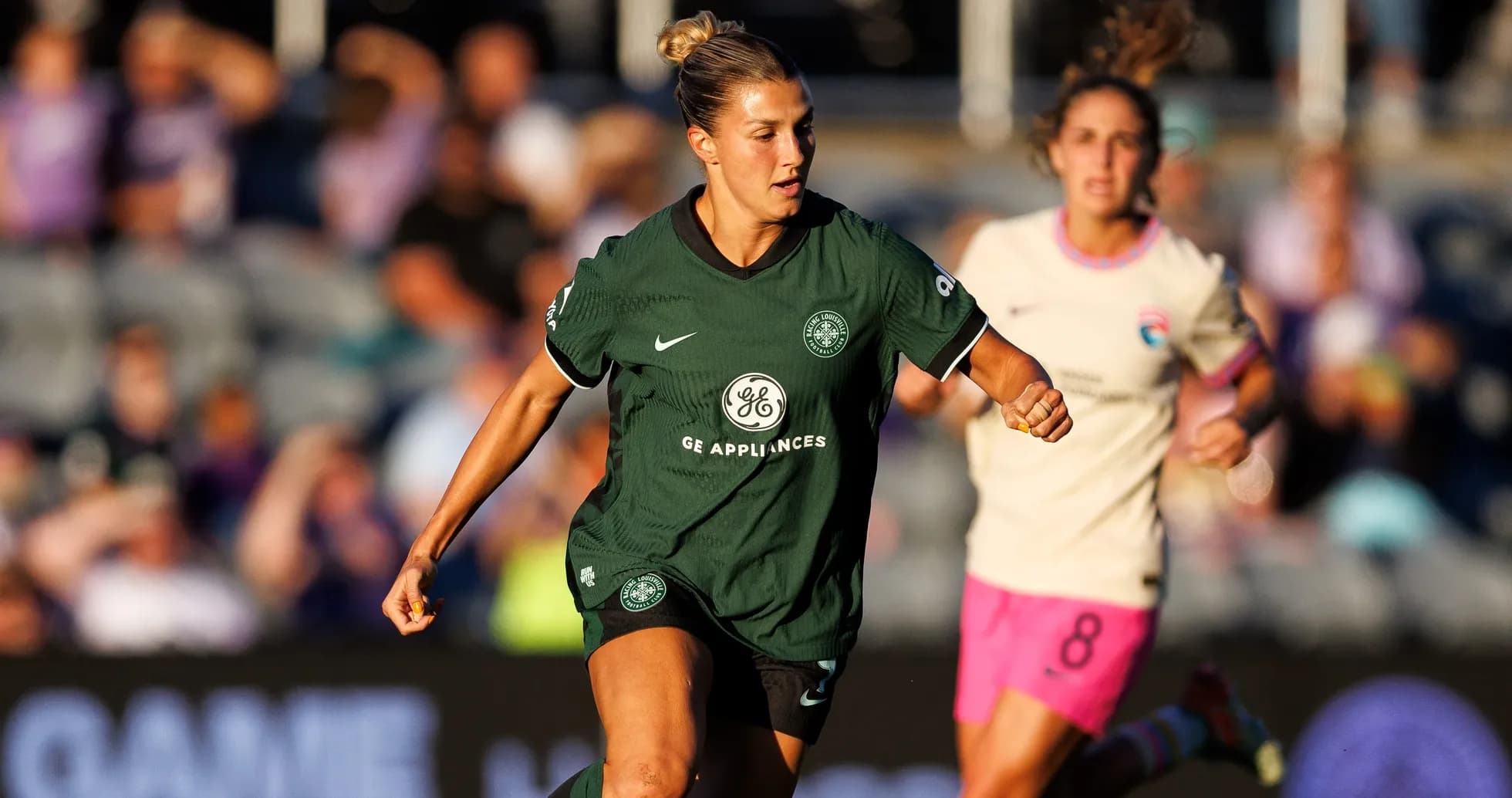
Denver Summit W Dominates Orlando Pride W in NWSL Match
On a cool night at Centennial Stadium, Denver Summit W’s 3–1 win over Orlando Pride W felt less like a one-off result and more like a statement about where these two projects are headed in the NWSL Women season.
I. The Big Picture
Following this result, Denver consolidate their place in the top half. In total this campaign they sit 7th on 12 points, with a goal difference of +4, built from 15 goals for and 11 against across 9 league matches. At home they have been quietly efficient: 3 matches, 1 win, 1 draw, 1 defeat, with 5 goals scored and 4 conceded. Their overall attacking average sits at 1.7 goals per game both at home and on their travels, underlining a side that carries threat regardless of venue.
Orlando, by contrast, leave Colorado with more questions. Overall they are 9th with 11 points from 10 games, their goal difference at -2 (14 scored, 16 conceded). On their travels they have 1 win, 1 draw and 3 defeats, with 7 goals both for and against, and an away average of 1.4 goals scored and 1.6 conceded. It is the profile of a team that can punch, but struggles to protect itself between those punches.
The 3–1 scoreline in Commerce City fits the season-long numbers: Denver leaning into their balanced, 1.7-goals-a-game attack; Orlando again conceding above their scoring rate and failing to control the defensive narrative.
II. Tactical Voids and Disciplinary Undercurrents
Denver’s lineup card is intriguing precisely because of what it hides. There is no listed formation, no named coach, yet the starting XI tells a story: A. Smith in goal behind a defensive core of A. Oke, E. Gaetino and K. Kurtz, with J. Sonis and D. Lynch nominally bridging defense and midfield. Ahead of them, a technical engine of D. Sheehan, Y. Ryan, N. Flint and N. Means supports the lone forward M. Kossler.
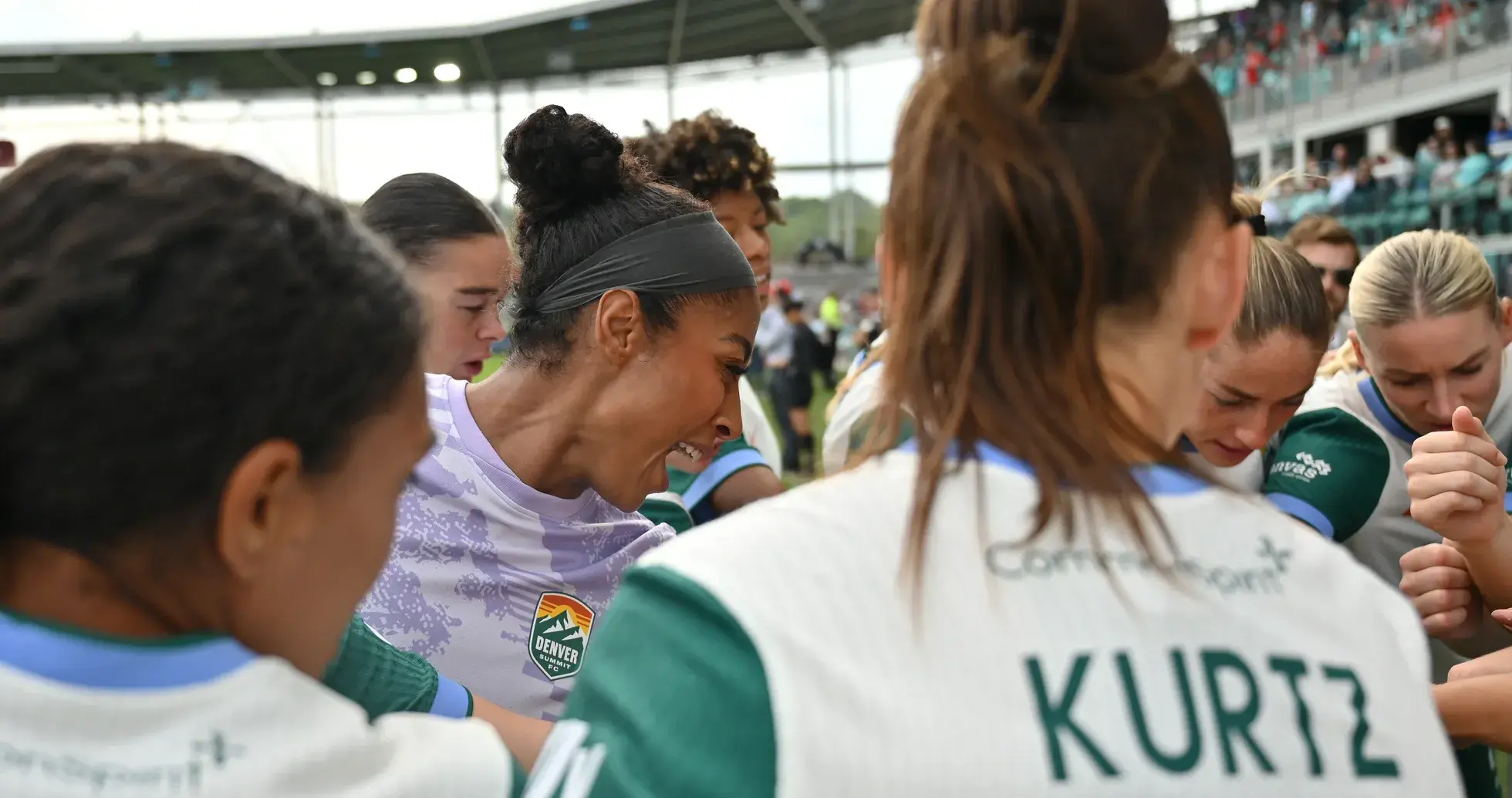
The structural flexibility here is Denver’s quiet weapon. Kurtz, with 769 minutes and 470 passes at an 89% accuracy rate this season, is the stabilizing axis. She has also blocked 13 shots and made 13 interceptions, a defender who reads danger early and steps into it. That allows the likes of Flint and Ryan to occupy more advanced pockets without leaving the back door wide open.
Disciplinary trends add another layer. Heading into this game, Denver’s yellow cards are heavily clustered after half-time: 44.44% between 46–60 minutes and a combined 44.44% from 76–90 and 91–105. There is also a single red card in the 16–30 minute window. This is a side that tends to get stretched and combative as intensity rises, particularly early in the second half. Players like Flint and Kurtz, each already on 3 yellow cards in total this campaign, embody that edge. It is productive aggression when managed; a liability when the game-state turns frantic.
Orlando arrive with far clearer tactical lines. Seb Hines stays loyal to the 4-2-3-1 that has been used in all 10 league outings. A. Moorhouse anchors the back line behind a four of H. Mace, H. Anderson, C. Dyke and O. Hernandez. The double pivot is built around H. McCutcheon and A. Lemos, with S. Castain, S. Yates and J. Doyle operating behind the league’s most devastating runner, B. Banda.
McCutcheon is the hinge of this structure. Across the season she has produced 302 passes at 75% accuracy, 30 tackles and 6 successful blocks, plus 9 interceptions. She is both shield and distributor, the player who allows Banda to stay high and central. Yet Orlando’s card profile hints at a team that increasingly loses control as games wear on: 30.77% of their yellows come between 61–75 minutes, 23.08% between 76–90, and their only red card in total this campaign arrives in the 61–75 band. The second half is where their discipline and structure fray.
III. Key Matchups
Hunter vs Shield
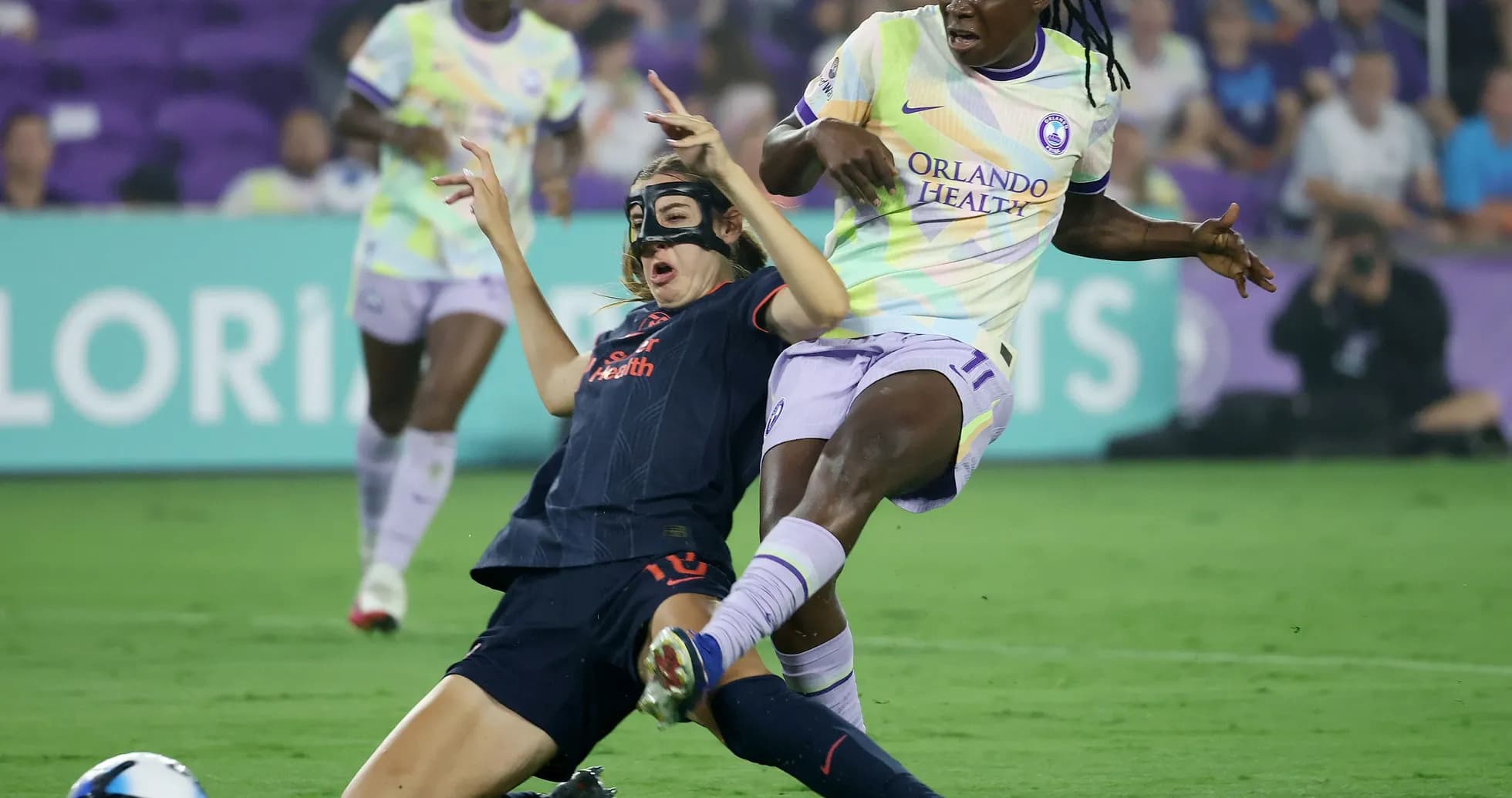
B. Banda is the league’s most prolific finisher in total this campaign: 8 goals from 10 appearances, with 39 shots and 22 on target. She draws fouls (22) and commits them (15), living on the edge of contact and chaos. Her 12 key passes and 24 dribble attempts show a forward who is not just a penalty-box poacher but a constant destabilizer of back lines.
Her primary obstacle in Denver is the Kurtz-led defensive block. With no goals conceded attributed to her in the individual data, 13 blocks and 13 interceptions, Kurtz excels at closing shooting lanes and forcing attackers into less optimal zones. The duel between Banda’s instinct to attack space and Kurtz’s positional discipline is the purest “hunter vs shield” narrative in this matchup. In Commerce City, Denver’s ability to limit Orlando to a single goal while scoring three themselves suggests that the shield largely held.
Engine Room
In midfield, the contest is less about one-on-one duels and more about tempo. For Denver, Y. Ryan and N. Flint are the dual engines. Ryan has 203 passes at 79% accuracy, 15 key passes and 23 dribble attempts, while Flint adds 223 passes at 78% accuracy, 8 key passes and 15 tackles. Together they define Summit’s verticality: Ryan carrying and threading, Flint arriving in the box with 3 goals and 2 assists in total this campaign.
On the other side, McCutcheon and Lemos are tasked with damping that rhythm. McCutcheon’s 30 tackles and 102 duels (50 won) make her Orlando’s primary enforcer, but she also walks a disciplinary tightrope with 1 yellow card and 15 fouls committed. Behind the attacking trio of Castain, Yates and Doyle, her ability to track Ryan’s late runs and close down Flint between the lines is crucial. In a 3–1 defeat, the story is that Denver’s midfield creators found too many pockets between Orlando’s double pivot and back four.
IV. Statistical Prognosis and Tactical Verdict
If we project beyond this fixture, the season-long numbers point towards Denver as the more sustainable outfit. Their total goals against average of 1.2, combined with 3 clean sheets overall and only 2 matches where they have failed to score, describes a balanced side with a relatively high floor. They have also converted their only penalty of the season, maintaining a 100.00% record from the spot, a small but telling indicator of composure in key moments.
Orlando’s profile is more volatile. Overall they concede 1.6 goals per game, exactly matching their away figure, and have failed to score only once in total this campaign. With 3 clean sheets they are capable of shutting opponents out, but the negative goal difference and the late-game card spikes suggest a team whose defensive xG against is likely to remain high unless structural issues in the second half are addressed.
Following this result, the tactical verdict is clear: Denver’s distributed threat, anchored by the control of Kurtz at the back and the creativity of Ryan and Flint in midfield, is better aligned with their defensive solidity. Orlando, powered by the individual brilliance of Banda and the industry of McCutcheon, remain a dangerous opponent on any given night, but their current balance tilts too far towards chaos.
In knockout-style scenarios, the combination of Banda’s finishing and Orlando’s 4-2-3-1 could still produce upsets. Over the course of a league campaign, however, Denver’s structure, discipline (despite those second-half yellows) and ability to consistently hit their 1.7-goal attacking average give them the more convincing statistical and tactical platform to climb.