Minnesota United II vs Houston Dynamo FC II: Tactical Insights and Match Analysis
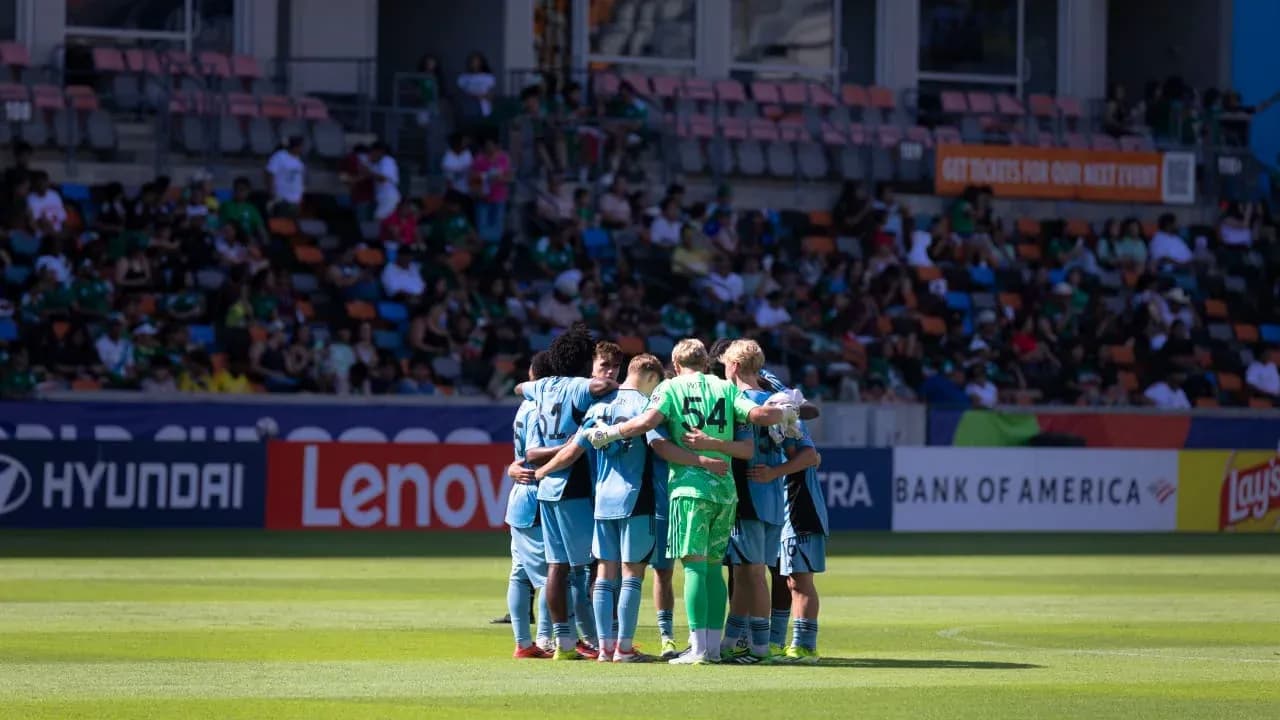
Under the lights at Allianz Field, Minnesota United II pushed the league’s juggernaut to the brink but ultimately watched Houston Dynamo FC II walk away via a 3–1 success in the shootout, the 1–1 draw after 120 minutes crystallising the gap between a plucky mid‑table project and the division’s ruthless frontrunner.
Following this result, the story of these two MLS Next Pro campaigns remains sharply contrasted. Minnesota United II sit 5th in the Frontier Division and 9th in the Eastern Conference, with 15 points from 11 matches and a goal difference of -3, the product of 11 goals for and 14 against overall. Their season has been streaky, their form line of “WLLWLWWWLLL” telling of a side that can catch fire but just as quickly lose its rhythm.
Houston Dynamo FC II, by contrast, have carved out something close to perfection. They top both the Frontier Division and Eastern Conference with 28 points from 10 league matches, 10 wins from 10, and a formidable goal difference of +20 (25 scored, 5 conceded overall). Their attacking output has been relentless: 27 goals in total competitions data, with averages of 3.3 at home, 2.3 on their travels, and 2.7 overall. Defensively, they have allowed only 5 in the league, averaging 0.0 at home and 0.8 away, 0.5 overall.
Against that backdrop, Minnesota’s 120‑minute stand and narrow penalty defeat feel less like failure and more like a stress test that revealed both the promise and the limitations of their current squad profile.
Tactical Voids and Disciplinary Edges
With no explicit injury or suspension list, both coaches had near‑full squads to draw from. For Minnesota, that meant leaning heavily on a youthful core: K. Rizvanovich between the posts; a defensive and midfield spine built around N. Dang, A. Kabia, D. Randell and L. Pechota; and an attacking band featuring the likes of M. Harwood, S. Vigilante, T. Putt, M. Caldeira and J. Farris.
Houston’s XI, anchored by goalkeeper Pedro Cruz, blended structure and flair. The back line and deeper roles were shared among M. Gardner, N. Betancourt, I. Mwakutuya and V. Silva, while the midfield and attacking lanes were patrolled by M. Arana, Gustavo Dohmann, S. Mohammad, J. Bell, R. Miller and A. Brummett. From the bench, names like Arthur Sousa, D. Gonzalez and Alan offered fresh legs and alternative profiles if the match stretched into the kind of long, attritional battle it ultimately became.
Discipline was always going to be a quiet but important subplot. Minnesota’s yellow‑card distribution this season shows clear hot zones: 30.00% of their cautions arrive between 31–45 minutes and another 30.00% from 76–90, with an additional 20.00% in the 61–75 window. They tend to tighten the screws just before the break and again as fatigue and desperation set in late on. Houston, meanwhile, spread their cautions more evenly, but their most combustible periods are also late: 20.83% of yellows between 61–75 minutes and another 20.83% from 76–90, with a notable 16.67% spike in the 91–105 extra‑time band.
In a knockout‑style scenario that went the full 120, those patterns mattered. Both sides were most likely to see cards as legs tired and the tactical screws turned, forcing Minnesota’s young midfielders like Randell and Pechota, and Houston’s enforcers such as Dohmann and S. Mohammad, to walk a fine line between aggression and recklessness.
Key Matchups
This tie was always going to be framed as Minnesota’s fragile attack versus Houston’s elite defensive unit. Heading into this game, Minnesota’s goals‑for profile was modest: 12 in total, with only 3 at home and 9 on their travels. Their scoring averages underline the issue: 0.8 at home, 1.3 away, 1.1 overall. At Allianz Field they have often needed to be perfect defensively to get results.
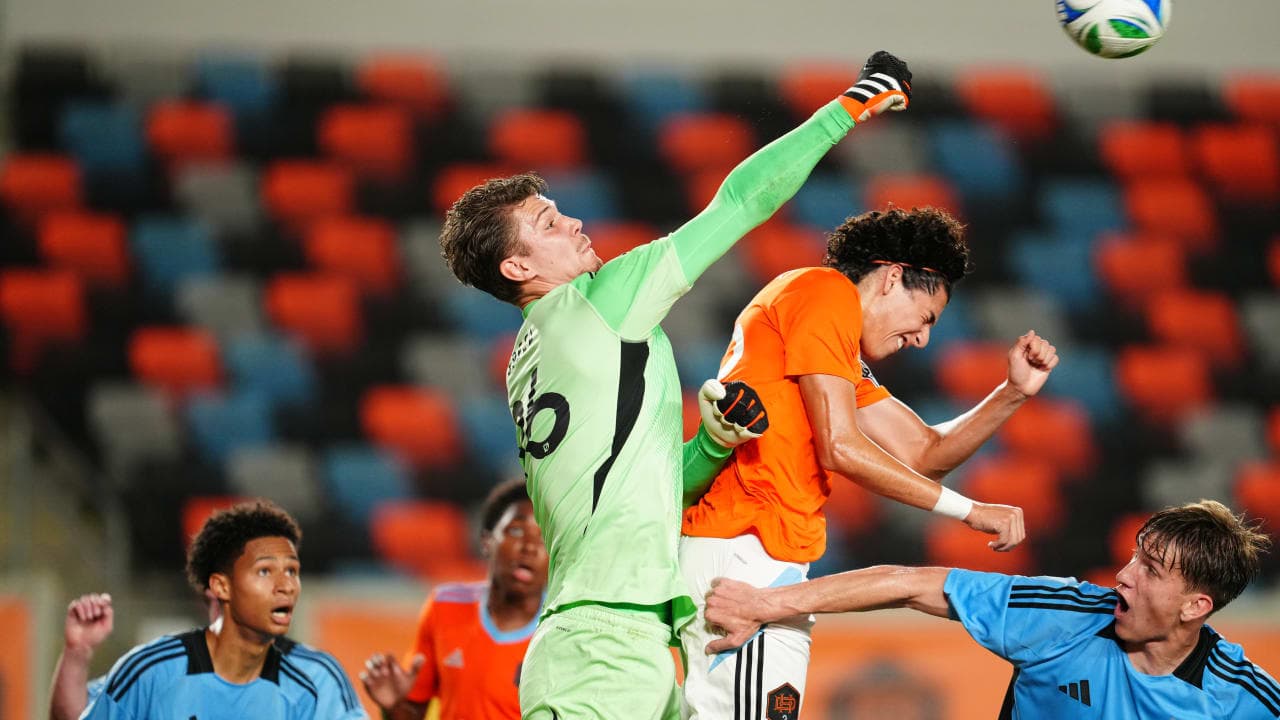
Houston’s shield, by contrast, has been almost impenetrable. On their travels they concede just 0.8 goals on average, 5 in 6 away fixtures, and have kept 5 clean sheets overall, 4 of them at home and 1 away. The central duel, then, pitted Minnesota’s front line of Farris, Putt and Caldeira against a Houston structure marshalled by Pedro Cruz and the defensive core of Gardner, Betancourt and Mwakutuya.
Minnesota did find a way through once, matching their season trend of scraping narrow margins rather than overwhelming opponents. But over 120 minutes, Houston’s underlying numbers told: they bent but did not break again, preserving the 1–1 and backing themselves in the shootout.
The Engine Room
Without explicit assist data, the creative and controlling roles had to be read from the lineups and season patterns. Minnesota’s midfield axis of Randell, Pechota and Harwood carried the burden of both ball progression and defensive screening. Their task was twofold: protect a back line that concedes 1.0 at home and 1.6 on their travels (1.4 overall), and somehow supply enough quality to trouble a side that has not failed to score once this season.
Opposite them, Houston’s engine room revolved around Gustavo Dohmann and M. Arana, with support from wide and advanced operators like S. Mohammad, J. Bell and R. Miller. With Houston averaging 2.3 goals on their travels and 2.7 overall, the expectation was that they would eventually find the spaces between Minnesota’s lines, particularly as the match stretched into extra time.
Yet Minnesota’s central trio, supported by the work rate of Vigilante and Putt, managed to disrupt Houston’s rhythm often enough to drag the contest into penalties. It was a tactical victory of sorts: they turned a free‑scoring machine into a side limited to a single goal over 120 minutes.
Statistical Prognosis and What It Tells Us
From an analytical standpoint, Houston’s progression on penalties aligns with the deeper statistical currents. A team with 10 wins from 10, a +20 goal difference built from 25 goals for and 5 against overall, and scoring averages north of 2.0 on their travels, will almost always generate the better xG profile over 120 minutes, even if they are held to a draw on the scoreboard. Their penalty record this season – 1 taken, 1 scored, 100.00% conversion – also hinted at composure from the spot, a trait that resurfaced as they converted 3 in the shootout.
Minnesota, for their part, exit with their identity clarified. They are a side that lives on fine margins: 12 goals for and 15 against overall, clean sheets in 3 matches but also 3 fixtures where they failed to score. Their biggest away win (2–4) and biggest home win (1–0) underline a team more comfortable in chaos on their travels than in control at home. Yet here, at Allianz Field, they went toe‑to‑toe with the conference leaders and forced them into the lottery of penalties.
Tactically, the lesson is clear for both squads. Minnesota can build around the resilience shown by Rizvanovich, Dang, Kabia and the midfield trio, but must find ways to raise that home scoring average above 0.8 if they are to trouble elite defences again. Houston, meanwhile, will view this as a warning shot: even with a perfect record and a towering goal difference, knockout football can compress margins to a single kick from 12 yards. Their structure held, their mentality in the shootout was flawless, but the narrative of invincibility has been gently, usefully questioned.