Belgium's Tactical Masterclass in 3-2 Victory Over Senegal
Belgium’s 3-2 extra-time win over Senegal at Lumen Field in this World Cup Round of 32 tie was a match of structural shifts and late-game rebalancing rather than sheer dominance. Senegal twice built leads and generated the higher xG (3.54 to Belgium’s 1.8), but Belgium’s control of possession (52%) and passing rhythm eventually bent the game to Rudi Garcia’s plan over 120 minutes.
Belgium started in a 4-2-3-1 with Thibaut Courtois in goal behind a back four of Timothy Castagne, Brandon Mechele, Arthur Theate and Maxim De Cuyper. Youri Tielemans and Hans Vanaken formed a double pivot, with Leandro Trossard, Kevin De Bruyne and Jérémy Doku supporting Charles De Ketelaere up front. The structure aimed for central control through Tielemans and Vanaken, using De Bruyne between lines and Doku’s width to stretch Senegal’s 4-3-3.
Bouna Thiaw Pape’s Senegal set up in a 4-3-3: Mory Diaw in goal, a back line of Krépin Diatta, Pathé Ismaël Ciss, Moussa Niakhaté and Ismail Jakobs, with Habib Diarra, Idrissa Gana Gueye and Pape Gueye in midfield, and an attacking trio of Iliman Ndiaye, Ismaïla Sarr and Sadio Mané. On paper it was a 4-3-3, but in practice Senegal’s front three pressed asymmetrically, Sarr often jumping onto Belgium’s full-back while Mané tucked inside to block central lanes.
First Half
Senegal’s early 1-0 lead through Habib Diarra at 25' reflected their pressing trap on Belgium’s double pivot. By forcing play toward Mechele and De Cuyper, Senegal invited risky progression on the left, then sprang forward once Belgium lost second balls. Belgium’s 19 total shots were matched by Senegal’s 19, but Senegal’s shot quality was clearly higher, underlined by their 3.54 xG and the fact that they produced almost as many shots inside the box (10) as Belgium (11) despite less possession.
Garcia’s first major tactical correction came immediately after half-time: Romelu Lukaku (IN) came on for Charles De Ketelaere (OUT) at 46'. This shifted Belgium from a more fluid false-nine interpretation to a clear reference point. Lukaku’s presence pinned Niakhaté and Ciss deeper, reducing their willingness to step into midfield and slightly freeing De Bruyne between the lines. However, Senegal’s second goal from Ismaïla Sarr at 51' showed that Belgium’s rest defence was still fragile, especially in transition when Castagne or De Cuyper advanced simultaneously.
The double substitution at 56' — Nicolas Raskin (IN) for Kevin De Bruyne (OUT) and Dodi Lukebakio (IN) for Jérémy Doku (OUT) — was a notable tactical gamble. Removing De Bruyne suggested Garcia prioritised vertical energy and counter-pressing over pure playmaking. Raskin offered more defensive bite and second-ball aggression, while Lukebakio brought direct running from wide areas. Belgium’s structure became more 4-2-4 in possession, with Lukaku and Trossard attacking central spaces and wide players making more off-the-ball runs than intricate combinations.
Second Half
At 63', Diego Moreira (IN) replaced Hans Vanaken (OUT), further tilting Belgium toward an attacking, high-tempo shape. The double pivot effectively became Tielemans plus rotating support, with more players ahead of the ball and heavier reliance on counter-pressing to secure transitions. This risk-reward balance showed in the foul count: Belgium committed 22 fouls to Senegal’s 12, reflecting both their urgency and their vulnerability when counters broke through the first line.
Discipline-wise, the game remained under control but tactically revealing. At 64', Brandon Mechele (Belgium) was booked — “Foul” — emblematic of Belgium’s struggles defending Senegal’s direct threats once the midfield was thinned out. Three minutes later, at 67', Lamine Camara (Senegal) received a yellow card — also “Foul” — as Senegal tried to disrupt Belgium’s growing momentum in central zones. Those two cautions, one per side, captured a shift from Senegal’s early control to a more stretched, transitional battle.
Senegal’s substitutions around 66'-73' were attempts to refresh their pressing and maintain vertical threat. Lamine Camara (IN) came on for Pape Gueye (OUT) at 66', adding legs in midfield. Later, Pape Matar Sarr (IN) replaced Habib Diarra (OUT) and Ibrahim Mbaye (IN) came on for Iliman Ndiaye (OUT), both at 73'. These moves aimed to sustain intensity in the half-spaces and protect a 2-0 lead, but they also slightly reduced Senegal’s composure in possession, inviting longer clearances and deeper defending.
Belgium’s late comeback was rooted in their wing and crossing dynamics. At 78', Thomas Meunier (IN) replaced Maxim De Cuyper (OUT), giving Belgium a more experienced and aggressive overlapping option. Meunier’s timing in the final third was decisive: he assisted Lukaku’s 86' goal, attacking the right flank and delivering quality service to the penalty area. That goal crystallised the impact of having a true target striker and a specialist crosser on the pitch.
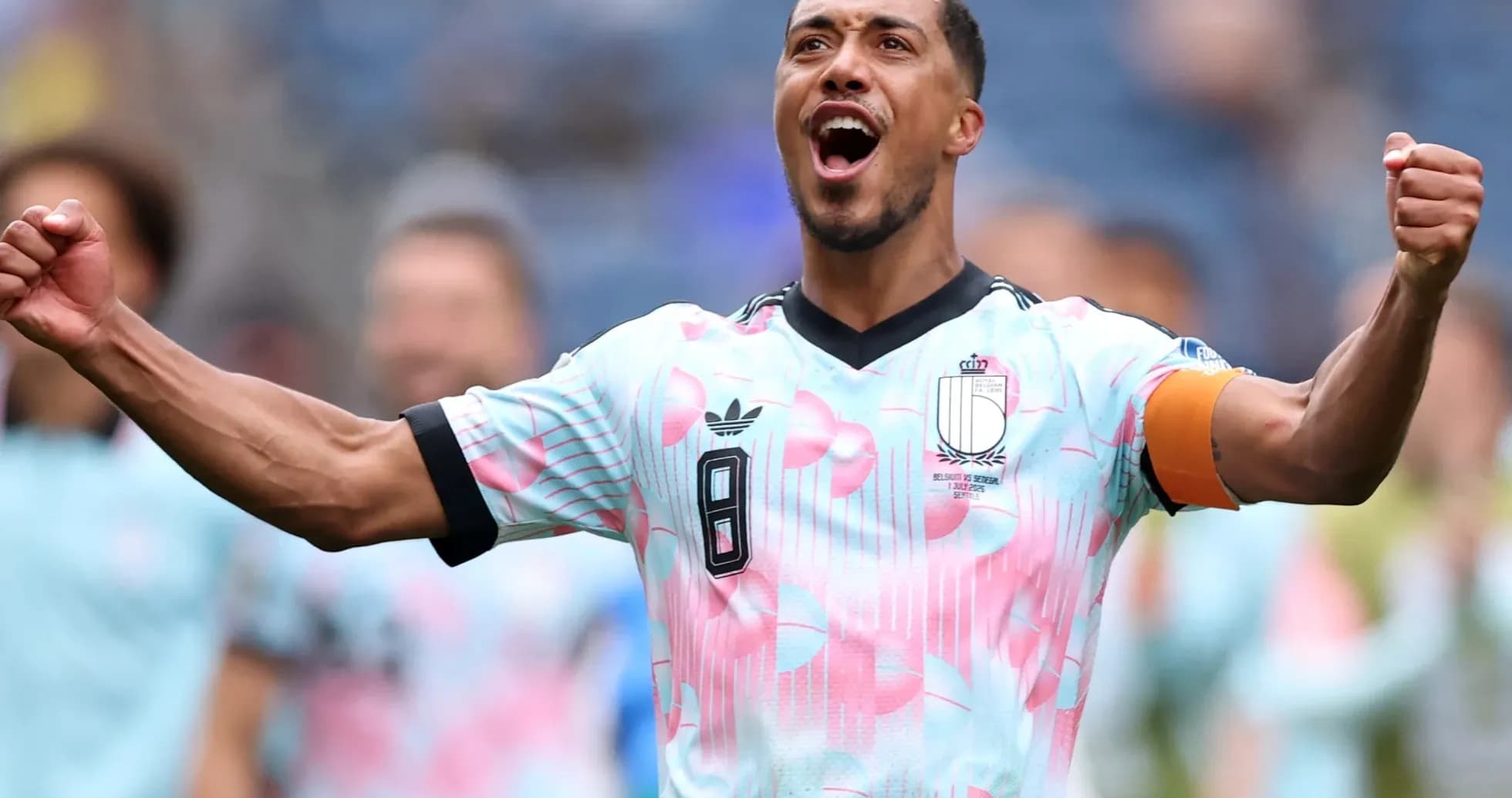
Three minutes later, at 89', Tielemans arrived from deeper midfield to score, assisted by Trossard. Tactically, this was the payoff of Belgium’s overloaded attacking midfield: with Senegal’s back line occupied by Lukaku and the wingers, Tielemans could step into the edge-of-box space untracked. The 2-2 scoreline at full time reflected Belgium’s territorial control and late structural superiority, even if Senegal’s xG advantage suggested they had wasted clearer chances.
Extra Time
Extra time saw both coaches adjust with fatigue in mind. For Senegal, El Hadji Malick Diouf (IN) replaced Ismail Jakobs (OUT) and Nicolas Jackson (IN) replaced Sadio Mané (OUT) at 93', followed by Bara Sapoko Ndiaye (IN) for Idrissa Gana Gueye (OUT) at 96'. These changes sought fresh legs in wide and central areas but also removed some of Senegal’s most experienced game managers. Belgium, for their part, introduced Amadou Onana (IN) for Trossard (OUT) at 109', restoring a more balanced midfield triangle and improving their defensive coverage against counters while still keeping enough presence around Lukaku.
The decisive moment came deep into extra time. With Belgium camped in Senegal’s half and fatigue eroding defensive timing, Tielemans won and then converted a penalty at 120+5', a decision confirmed by VAR at 120'. From a tactical lens, the penalty was less an isolated incident and more the culmination of Belgium’s structural choices: sustained possession, high territorial occupation, and repeated attacks into the box against a tiring, reshuffled Senegal back line.
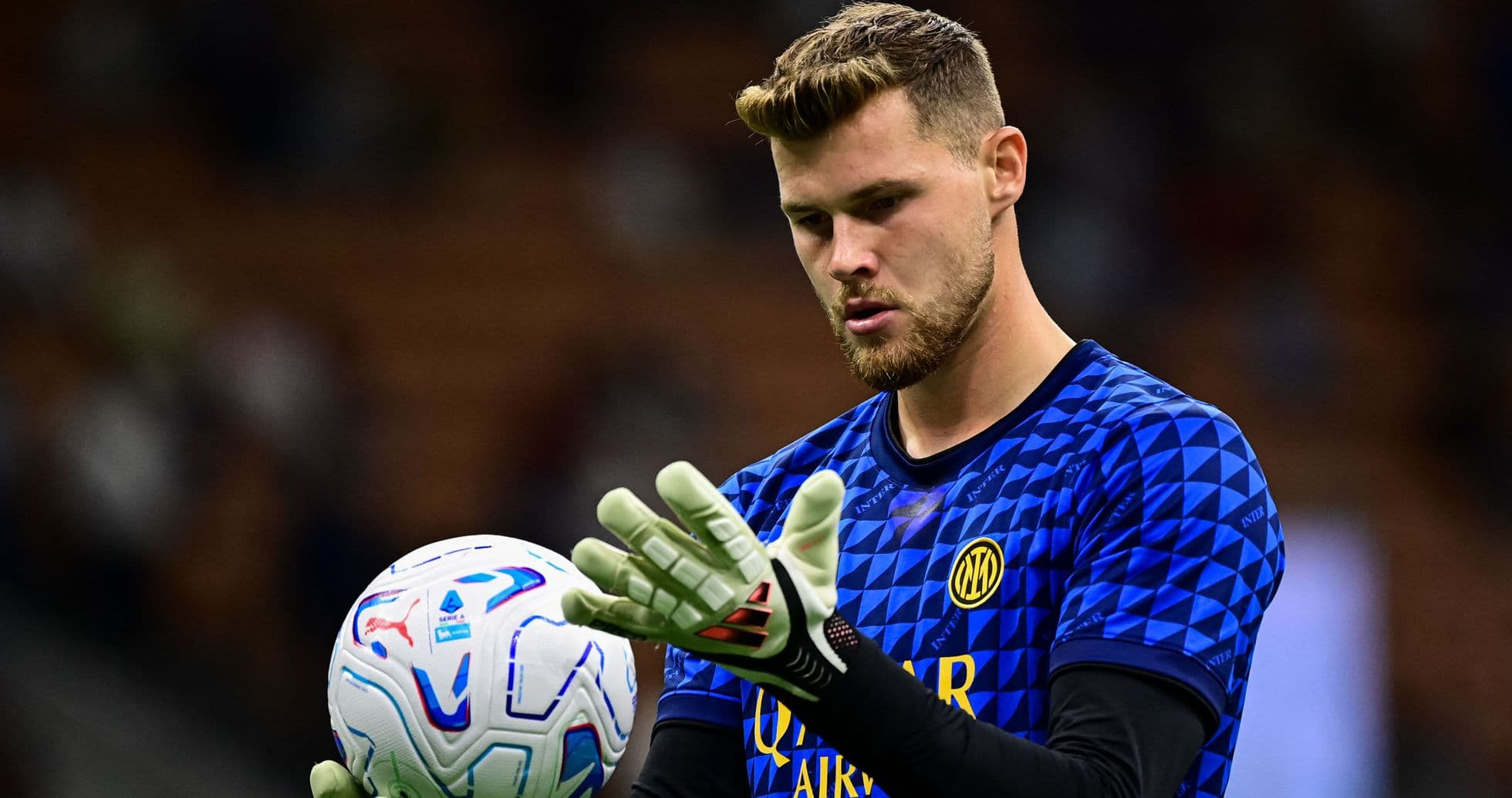
In goal, Thibaut Courtois (Belgium) made 3 saves, but the negative goals prevented value (-0.61) indicates he conceded more than the shot profile suggested he might typically stop. Mory Diaw (Senegal) also made 3 saves with the same goals prevented figure (-0.61), underlining that this was a match where both goalkeepers were exposed to high-quality chances and neither dramatically outperformed expectation.
Statistically, Belgium’s 699 passes, with 602 accurate at 86%, versus Senegal’s 639 passes, 536 accurate at 84%, underline that this was not a low-block smash-and-grab but a relatively even possession game shaded by Belgium. Belgium’s 5 blocked shots to Senegal’s 3 show how often Senegal were forced to shoot through traffic, while Senegal’s superior xG points to more incisive final actions when they did break through.
Ultimately, the tactical verdict is that Senegal’s 4-3-3 game plan and pressing structure were good enough to create the better chances but not resilient enough to withstand Belgium’s wave of attacking substitutions and structural risk-taking. Belgium’s shift from controlled 4-2-3-1 to an aggressive, striker-led, cross-heavy approach, then back toward balance with Onana, allowed them to chase and finally overturn a game that, on chance quality, could easily have gone the other way.