Premier League 2023: Insights on Promoted Teams Coventry, Ipswich, and Hull
The Premier League curtain is about to rise again, and three old names are back on the billing. Coventry City, Ipswich Town and Hull City have fought their way out of a brutal Championship season and into the spotlight. Now comes the hard part: staying there.
Coventry return after 25 years away, champions and full of ideas. Ipswich are back at the first attempt, but with a new man in the dugout and scars from their last visit. Hull? Hull have gatecrashed the party from nowhere, dragging themselves from the brink of League One to the top table in two wild seasons.
Here’s what to expect from the promoted trio.
Coventry City: Smart, sharp and finally back
A quarter of a century after they slipped out of the top flight, Coventry City are back on merit, not sentiment. They didn’t just win the Championship; they ripped it up.
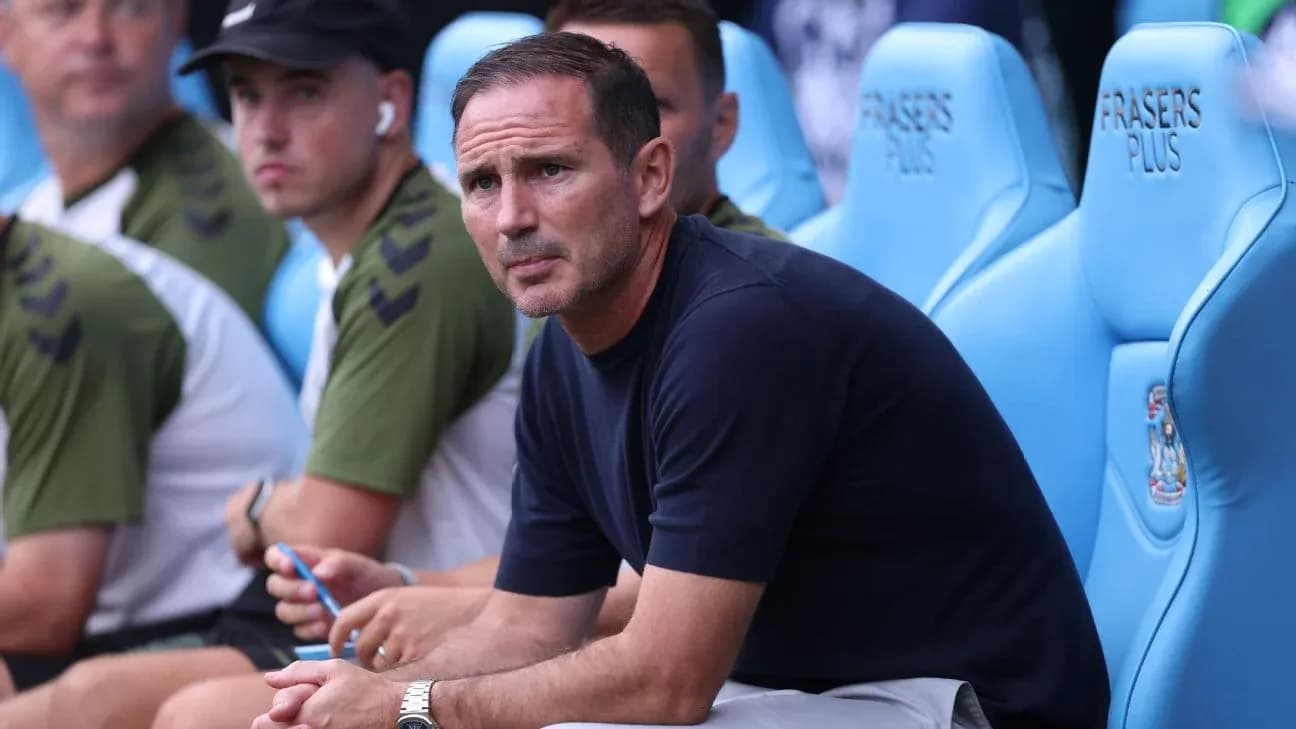
Frank Lampard’s side scored 97 league goals, the fourth-highest tally ever in a 46-game Championship season, and conceded only 45, the fewest in the division. That combination of firepower and control carried them to the title by 11 points, with four games still to play. Promotion was not a late surge. It was a procession.
Lampard has given Coventry a clear identity. They play on the front foot, but not recklessly. The goals are spread around: seven different players reached seven or more league goals, a rare level of balance that makes them harder to shut down. They peppered opposition goalkeepers, finishing with the most shots on target in the league and ranking second for big chances created.
Most of that came from a 4-2-3-1, though Lampard occasionally flipped to a 4-3-3 when the game demanded it. The shape may shift, but the intent rarely does.
The midfield runner with something to prove
Jack Rudoni is the one to keep an eye on. Seven goals, seven assists in the Championship tell part of the story; his movement tells the rest. He has grown into a roaming midfielder who times his bursts into the box, links play and adds punch in the final third. For regular Championship watchers, he has looked ready for this stage for a while. Now he has to show it under the Premier League glare.
A record signing to anchor the chaos
Coventry have not tiptoed into the market. They have broken their transfer record three times this summer, the latest on Caleb Yirenkyi from Nordsjaelland for £23.1 million. The Ghana midfielder, who played in all four of his country’s World Cup games and scored against Panama, is built for the base of midfield.
He wants the ball, but he also wants the fight. Operating as a No. 6, he breaks up play, carries through pressure and starts attacks. Coventry will be under siege more often this season; Yirenkyi is the kind of dynamic shield that stops those waves from becoming floods.
Can they stay up?
Of the three promoted clubs, Coventry look the most ready for the step up. The recruitment has been shrewd for years, the dressing room is aligned behind Lampard, and the style is already Premier League-leaning. Survival won’t be comfortable. It rarely is. But if any of the newcomers edge over the line by a point or two in May, Coventry are the likeliest.
Ipswich Town: Back again, but without their architect
Ipswich Town have taken the express elevator back to the Premier League. Relegated in 2024-25, they bounced straight up last season, adding another chapter to a remarkable rise that had previously seen them earn back-to-back promotions.
Yet the man who masterminded that journey, Kieran McKenna, is gone. After winning only four games in that bruising Premier League campaign and finishing 19th with 22 points, he restored order in the Championship, then departed in the summer. Gary O’Neill now inherits the project and the pressure.
Built on a hard edge
Ipswich’s route back up was based on discipline. They posted the second-best defensive record in the Championship, keeping 17 clean sheets and conceding just 47 goals. They were nowhere near Coventry’s level across the season, but they were stubborn, structured and awkward to beat.
McKenna dialled down the chaos that marked their previous Premier League adventure and went pragmatic. O’Neill, judging from his past jobs, is unlikely to rip that up. He favours compact teams, often in a 4-4-2, and tends to prioritise shape, distances and collective work over flair.
Ipswich will need that rigidity. They are not going to outgun many sides at this level.
The destroyer they need fit
Azor Matusiwa has not featured in pre-season, but once he returns, he could become the heartbeat of that midfield. Ipswich will spend long stretches without the ball. They need someone who relishes the ugly side, who screens, tackles, presses and buys his defenders a breather. That is Matusiwa’s game. If he stays fit, he gives O’Neill a platform.
A record signing under the spotlight
Up front, the questions are louder. Ipswich spread the goals around last season, with four players hitting double figures in the Championship. The Premier League is unforgiving, and that collective output will be harder to replicate.
Enter Emersonn. Ipswich have made the Brazilian forward their new record signing at £24m after a six-goal season with Toulouse. The fee demands impact. The numbers suggest patience. He is young, has flashed real talent, and now has to translate that promise against better defenders, in a team likely to create fewer chances.
If he adapts quickly, Ipswich have a focal point. If he struggles, the margin for error shrinks.
Can O’Neill plug the gap McKenna leaves?
This is the looming issue. McKenna didn’t just coach Ipswich; he reshaped the club’s trajectory. His departure rips out a huge part of their identity and belief. O’Neill is capable and organised, but he is walking into a dressing room built in someone else’s image.
The squad has a decent core, and the defensive base offers hope, yet the sense lingers that McKenna’s exit may be the blow they cannot absorb. Ipswich look set for a season spent clinging on. Right now, the drop feels more likely than the escape.
Hull City: From the brink to the big time
Hull City’s rise feels almost improbable. Two seasons ago they survived relegation to League One on goal difference. Last season they started under a transfer embargo, scrambled into the Championship playoffs with a final-day win, then somehow emerged from the pack as the team heading for the Premier League.
They have done it on grit, resilience and a refusal to accept their limits. They will need all of that again, and then some.
Chaos at the back, steel when it mattered
On paper, Hull did not look like promotion contenders. They conceded 66 goals in the Championship, the fourth-worst defensive record in the division. That usually kills any promotion dream.
Yet they punched up. Against top-10 sides they raised their level, and away from home they showed a stubborn streak that belied those numbers. When the playoffs arrived, the defence transformed. Hull did not concede a single goal across the knockout games, sealing promotion with a 1-0 win over Middlesbrough in a final overshadowed by ‘Spygate’ controversy off the pitch.
When the stakes rose, they held their nerve.
Jakirovic’s flexible blueprint
Sergej Jakirovic arrived as a relative unknown to English fans, but his imprint is now clear. Hull mostly line up in a 4-2-3-1, yet he is not wedded to it. In the playoff semifinal against Millwall he switched to a back three with wing-backs and tilted the tie in Hull’s favour.
He talks constantly about the collective. No stars, no passengers. The unit is the strength. It has to be, because man for man this is not a squad loaded with proven Premier League quality.
The full-back as playmaker
Ryan Giles embodies Hull’s approach. Nominally a left-back, he has become their main creative outlet. His surging runs and precise delivery from open play and set pieces produced eight assists in the Championship last season.
Hull lean heavily on his left flank to generate chances. In a league where they will create less and defend more, his crosses and dead-ball quality could be their most reliable weapon.
A new last line of defence
Recognising the need to tighten up, Hull spent big at the back. Konstantinos Tzolakis arrived from Olympiacos for a club-record fee, tasked with bringing authority and shot-stopping excellence to a porous defence. His performances in goal could define Hull’s season; they are unlikely to dominate games, so he will be busy.
Lucas Gourna-Douath also arrives with intrigue attached. Once tipped for big things, the 23-year-old midfielder has a chance to reboot his career. If he settles and hits his level, Hull might have unearthed a cornerstone for the future.
Are they strong enough?
Strip away the romance of their story and the reality is harsh. Hull look, on paper, like one of the weakest squads to come up in recent years. The defensive record is a red flag, the attacking options lack proven Premier League end product, and the depth and experience simply are not there.
They have spirit and a coach who can adapt. Sometimes that carries a team further than expected. But over 38 games, against sharper forwards and smarter midfields, will that be enough?
The season will answer that, one long, punishing week at a time.