Aston Villa vs Liverpool: Champions League Clash at Villa Park
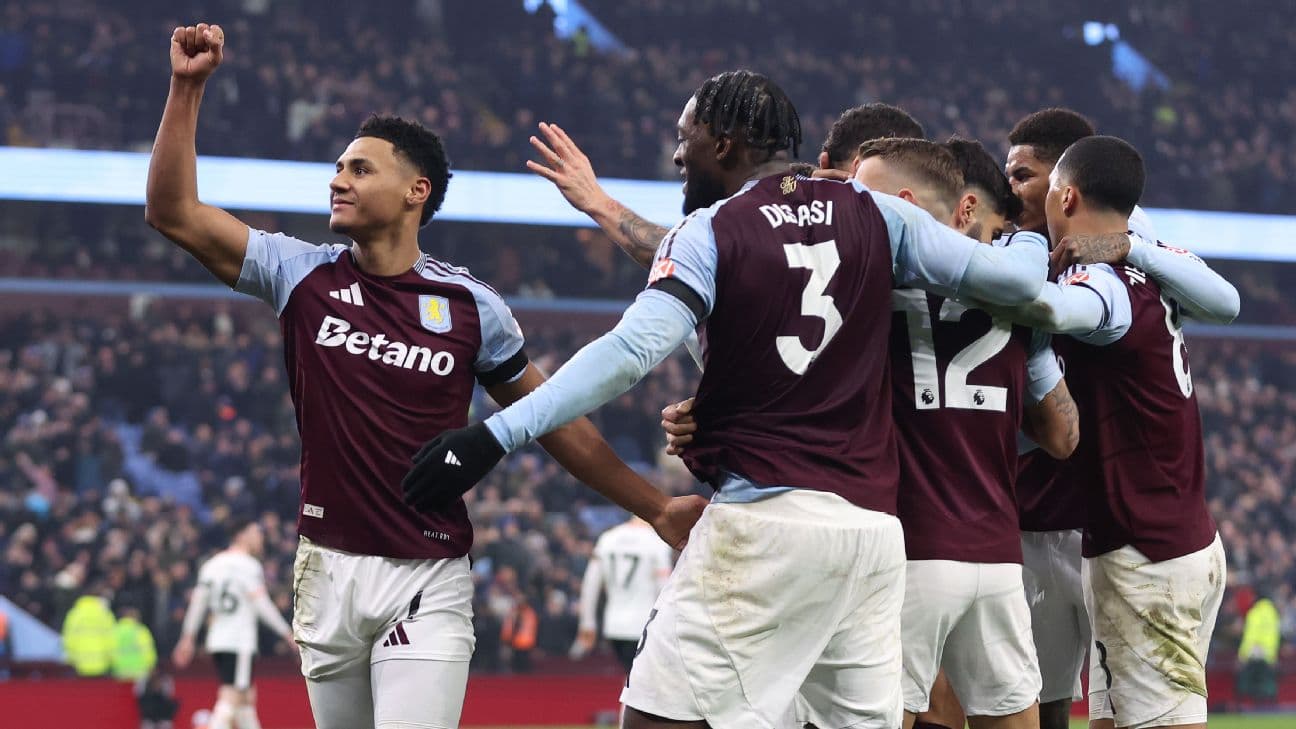
Villa Park sets the stage on 15 May 2026 for a fixture that feels bigger than its “Regular Season - 37” billing. Aston Villa and Liverpool arrive level on 59 points, sitting 5th and 4th respectively in the Premier League table, and both described as in the Champions League “League phase” positions. With just two games left, this is effectively a head‑to‑head for a top‑four finish and all the financial and sporting weight that carries.
Context and stakes
In the league, Villa’s season has been defined by a strong home record and occasional defensive looseness. They have 17 wins, 8 draws and 11 defeats from 36 games, with a goal difference of +4 (50 scored, 46 conceded). At Villa Park they have been formidable: 11 wins from 18, scoring 28 and conceding 20.
Liverpool mirror Villa’s overall record almost exactly: 17 wins, 8 draws and 11 defeats from 36, but with a superior goal difference of +12 (60 for, 48 against). Their away form, however, is less convincing: 7 wins, 3 draws and 8 defeats, with 27 scored and 29 conceded on the road.
Form lines underline the contrast in trajectory. In the league, Villa’s last five read “DLLWD” – only one win in that sequence – while Liverpool’s is “DLWWW”, three straight victories coming into this run‑in. The table says these sides are equals over the season; recent momentum suggests Liverpool are finishing stronger.
Tactical picture: Villa’s structure and threats
Across all phases, Aston Villa have leaned heavily on a 4‑2‑3‑1, using it 32 times, with occasional switches to 4‑4‑2 and 4‑2‑2‑2. The numbers point to a side that wants to control territory, commit numbers forward and accept a degree of risk.
Villa average 1.4 goals scored and 1.3 conceded per league game, but that splits into 1.6 scored and 1.1 conceded at home. Six clean sheets at Villa Park and only four home blanks show a team that usually finds a way to score in front of their own fans.
Ollie Watkins is the obvious focal point. With 12 league goals and 2 assists in 35 appearances, he carries the primary scoring burden. His shot profile – 51 attempts, 31 on target – and 22 key passes suggest he is more than a penalty‑box poacher, linking play and occupying centre‑backs. His duel numbers (271 contested, 108 won) underline the physical dimension he brings to Villa’s front line.
Behind him, Morgan Rogers has emerged as a key creative and scoring threat from midfield. Nine goals and five assists in 36 league games, with 57 shots (31 on target) and 43 key passes, make him Villa’s all‑round attacking hub between the lines. His 117 dribble attempts, 41 successful, show how often he is tasked with progressing the ball under pressure.
Defensively, Villa’s biggest defeats (1-4 at home, 4-1 away) and an overall 46 goals conceded highlight vulnerability when the structure is broken. Yet nine clean sheets and only 10 matches without scoring show resilience and attacking consistency. Card data is revealing: a high concentration of yellow cards from 46-60 and 61-75 minutes, plus a red card in the 61-75 window, hints at a side that can become stretched and resort to tactical fouls as games open up.
Team news complicates Unai Emery’s planning. Alysson and Boubacar Kamara are both listed as “Missing Fixture”, with muscle and knee injuries respectively, removing a depth option in goal and an important midfield screener. André Onana is “Questionable” with a calf injury, potentially limiting rotation or forcing a less settled midfield pairing in a game where controlling Liverpool’s transitions will be crucial.
Liverpool’s approach: high output, fragile away
Liverpool’s statistical profile is that of a high‑ceiling, high‑variance side. They average 1.7 goals scored and 1.3 conceded per league game, with a slight drop in attacking output away (1.5 scored, 1.6 conceded). Ten clean sheets and only four games without scoring show that, like Villa, they almost always carry a threat.
Tactically, they too are predominantly 4‑2‑3‑1 (32 uses), but with occasional switches to 4‑2‑2‑2, 4‑3‑3 and 4‑3‑1‑2, giving flexibility in how they press and overload central spaces. Their “biggest wins” include a 5-2 at home and 0-2 away, while their heaviest away defeat is 3-0 – a reminder that their aggressive style can be punished on the road.
Hugo Ekitike is a central figure in the absence of Mohamed Salah. The French forward has 11 goals and 4 assists in 28 appearances, with 48 shots (19 on target) and 21 key passes. His 72 dribble attempts (38 successful) and 239 duels (92 won) show a forward comfortable running at defenders and engaging physically, ideal for exploiting space in behind Villa’s high line.
Injuries, though, are a major storyline. Alisson, Conor Bradley, Hugo Ekitike, Wataru Endo, Gabriele Leoni and Mohamed Salah are all listed as “Missing Fixture”. That removes the first‑choice goalkeeper, a right‑back option, Liverpool’s top league scorer, a key holding midfielder and their most proven wide goal threat in Salah. Ibrahima Konaté and Florian Wirtz are “Questionable”, further clouding the picture in central defence and attacking midfield.
Losing Alisson forces a change in goal that could affect Liverpool’s build‑up and command of the box, especially against Watkins’ aerial presence. Without Endo, the double pivot may be less secure, increasing the risk of space for Rogers between the lines. The absence of Salah and potentially Ekitike strips Liverpool of a large share of their goals and dribbling threat, putting pressure on secondary scorers to step up.
Discipline‑wise, Liverpool pick up a high proportion of yellow cards late (31.48% between 76-90 minutes), indicating intense, high‑energy finishes that can spill into fouls. A red card in the 91-105 window this season shows that their late‑game aggression sometimes crosses the line.
From the spot, Liverpool as a team are 1/1 on penalties in the league, with no individual taker listed as having scored or missed. Villa have not had a league penalty this season (0 taken).
Head‑to‑head: recent history
The last five competitive meetings, all in the Premier League, show Liverpool with a clear edge:
- 1 November 2025 at Anfield: Liverpool 2-0 Aston Villa – Liverpool win.
- 19 February 2025 at Villa Park: Aston Villa 2-2 Liverpool – draw.
- 9 November 2024 at Anfield: Liverpool 2-0 Aston Villa – Liverpool win.
- 13 May 2024 at Villa Park: Aston Villa 3-3 Liverpool – draw.
- 3 September 2023 at Anfield: Liverpool 3-0 Aston Villa – Liverpool win.
Over these five, Liverpool have 3 wins, Aston Villa have 0, and there have been 2 draws. Notably, Villa have taken points in both of the last two Villa Park meetings (3-3 and 2-2), underlining that this venue narrows the gap significantly.
Tactical keys on the night
Given both sides’ reliance on 4‑2‑3‑1, the double pivots and No.10 roles will likely decide the game.
- Villa’s attacking channels: Expect heavy use of Rogers between the lines and wide rotations to feed Watkins early. Villa’s home average of 1.6 goals and 6 home clean sheets suggest they will back their structure and press high, looking to pin a weakened Liverpool back line and a second‑choice goalkeeper.
- Liverpool in transition: Even without Salah and Ekitike, Liverpool’s system is built to spring quickly once they win the ball. Their away average of 1.5 goals and seven away wins show they can still hurt teams on the break, especially if Villa’s full‑backs push high.
- Midfield balance: Kamara’s absence and Onana’s doubtful status could leave Villa lighter in pure ball‑winning. If Liverpool can field a relatively stable midfield, they may find joy by overloading central zones and drawing those late‑game fouls that Villa are prone to.
- Set‑pieces and late phases: With both teams picking up a significant share of cards in the final half‑hour, control of emotions and concentration in the closing stages could be decisive in a match with top‑four stakes.
The verdict
On paper, Liverpool have the stronger recent form and a superior goal difference, while the head‑to‑head over the last five is clearly in their favour. However, Villa’s home record, their attacking output at Villa Park and Liverpool’s extensive injury list – notably Alisson, Endo, Salah and Ekitike – significantly rebalance the equation.
This looks like a high‑stakes, high‑variance contest between two aggressive 4‑2‑3‑1 sides. Villa’s stability at home and more intact attacking core suggest they are well placed to at least avoid defeat. Liverpool’s quality and momentum mean they cannot be discounted, but with so many key absentees, a share of the points or a narrow Villa edge feels the most logical outcome in what should be a tense, open game with Champions League football on the line.