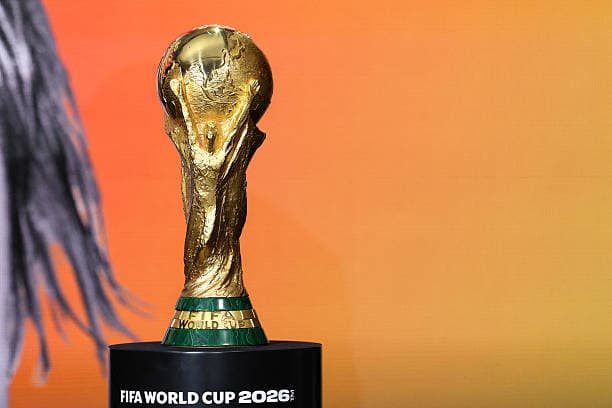
World Cup 2026: The Intersection of Football and Mobile Betting
The 2026 FIFA World Cup will be the biggest football tournament ever staged. Not just in scale, but in noise, money and the sheer volume of data swirling around every kick of the ball.
FIFA’s decision to stretch the competition to 104 matches across the United States, Canada and Mexico guarantees one thing: the World Cup will be almost impossible to escape. Morning, afternoon, late night. Different time zones, different markets, the same global obsession. Broadcasters, sponsors, sportsbooks and streaming platforms now have a month-long conveyor belt of content to sell, package and push.
The numbers already tell the story. The 2022 final between Argentina and France drew an average live audience of 571 million viewers worldwide. That was the high-water mark of the last cycle. In 2026, with more matches and more windows, the commercial tide rises again.
And right at the heart of it sits mobile betting.
Football, Phones and a New Matchday Ritual
For millions of fans, the ritual has changed. It’s no longer just about lineups and formations an hour before kickoff. It’s about odds.
Mobile betting has fused itself into football culture. Supporters scroll through markets as casually as they check team news. Injury updates, tactical tweaks, leaked lineups – every fragment of information nudges prices and prompts decisions.
By the time the referee blows the first whistle, the betting battle is already well underway.
Once the game starts, the pace quickens. Sportsbooks adjust markets within seconds of a goal, a penalty, a red card or a key substitution. Live betting turns every momentum swing into a market movement. From the first minute to stoppage time, the match never really pauses; it just changes shape on the pitch and on the screen.
That’s why interest in downloading betting apps such as Betway has surged in the build-up to 2026. Fans want instant registration, rapid withdrawals, live markets and in-play tools that can keep up with a tournament watched by billions.
America Joins the Party
The World Cup’s return to North America coincides with a transformed betting landscape in the United States.
Since the 2018 Supreme Court ruling that scrapped federal restrictions on sports wagering, state after state has opened the door to legal betting. Licensed operators, mobile apps, wall-to-wall advertising and odds-driven TV segments have become part of the American sports backdrop.
By 2026, that integration will be hard to miss. Pregame shows will dissect not only tactics but prices. Halftime discussions will lean on live odds. Viewers will see betting lines wrapped around graphics, analysis and studio debates.
For casual fans, downloading a sportsbook app may become one of the first steps in “getting involved” with the World Cup, a way to turn a neutral fixture into something personal.
Regulators Tighten the Screws
Governments have not stood still while the industry surges forward.
Across North America, Europe, Latin America and parts of Africa, regulators have spent recent years rewriting gambling laws with global events like the World Cup firmly in mind. Brazil, with its vast and passionate football audience, has moved toward broader online betting regulation, opening the door to licensed operators in a market long seen as a sleeping giant.
With regulation comes a different matchday experience. Users of legal platforms now run into stronger identity checks, stricter payment verification and more visible responsible gambling tools. Advertising rules have hardened. Compliance is no longer a quiet, back-office concern; it is part of the customer journey.
Betting brands lean into that message. The download process, the payment gateways, the security prompts – all are framed as proof of legitimacy and protection. In a tournament watched simultaneously across continents, trust is not a luxury. It’s a necessity.
Regulators face a fresh headache too: prediction markets. Some financial platforms now offer event-forecasting products tied to sports outcomes, blurring the line between investment and gambling. Governments are still arguing over who should police them – financial watchdogs or gambling regulators – and how to tax, license and protect users in a space that looks like both worlds at once.
A Bigger Tournament, A Different Betting Rhythm
The World Cup’s new format doesn’t just change the fixture list. It changes the way people bet.
Twelve groups. A new round of 32. Then the familiar knockout gauntlet. The result is a longer, denser schedule and hundreds of extra betting opportunities.
Player props, live in-play markets, correct scores, corners, bookings, first-half totals, second-half comebacks – every match becomes a layered event rather than a single 90-minute bet. For fans who like to live inside a tournament day after day, this is constant motion: multiple kickoff windows, overlapping storylines, a rolling carousel of markets.
Search traffic around sportsbook downloads typically spikes during major tournaments. With 2026 stretching across three host nations and multiple time zones, that spike is likely to be sharper and more sustained. Many supporters will open an account solely for this World Cup, drawn in by the volume of games and the sense that there is always something happening somewhere.
The expanded qualification pathway also shifts the emotional landscape. More nations, especially those with limited World Cup history, now have a seat at the table. When a country returns after years in the wilderness – or arrives for the first time – the effect at home is electric.
Fans who once watched as outsiders suddenly pore over tactical previews, injury updates and statistical breakdowns. Every training report matters. Every friendly is scrutinized. That curiosity spills naturally into betting markets.
Sportsbooks react in kind. Multilingual apps. Localized promotions. Regional sponsorships. Country-specific content tailored to new audiences experiencing legal betting for the first time. For many of these supporters, downloading a betting app becomes part of the wider build-up, another way to live the tournament more intensely.
Data, Algorithms and the New Language of Risk
Modern football is obsessed with numbers. Betting has followed.
Expected goals. Pressing intensity. Transition speeds. Shot quality. Defensive pressure. Attacking efficiency. These metrics, once the preserve of analysts and data departments, now sit in public view and in broadcast graphics.
Sportsbooks plug directly into this data stream. Live feeds track player movement, possession trends, tactical tweaks and substitution patterns. Algorithms digest the information and spit out new prices almost instantly. A change in formation can move a line. A subtle shift in pressing triggers a swing in live odds.
Betting operators showcase this analytical edge. Dashboards, stat hubs, live trackers – the tools are designed to appeal to a new generation of bettors who don’t just want a flutter; they want to feel like they’re reading the game with the same depth as a professional analyst.
Technology changes the emotional tempo as well. A fan can follow markets on a phone at work, on a tablet at home, on a screen in a bar. Younger audiences already live inside digital ecosystems built around finance apps, digital wallets, streaming subscriptions and interactive entertainment. Sports betting slots neatly into that world, another tap-based habit in a day full of them.
The 2026 World Cup will be sold as a celebration of football’s global reach, and it will be exactly that. But it will also be a live stress test of a new era: record match volume, unprecedented data, surging mobile wagering and regulators racing to keep pace.
When the first ball is kicked in North America, the eyes of the world will be on the pitch. The real question is how many of those eyes will also be fixed on a second screen, chasing the next market in a tournament that never seems to stop.