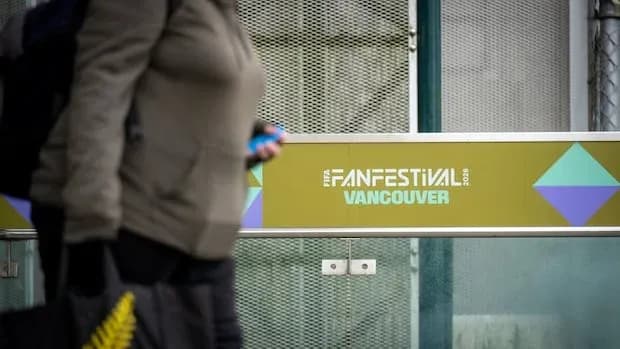
Vancouver Prepares for FIFA World Cup 2026 Changes
Vancouver is bracing for a very different kind of matchday.
On Wednesday, the city steps into what officials are calling the FIFA World Cup 2026 “event period,” a 10-week stretch that will reshape how streets sound, look, and even who gets to use them. The ball won’t roll at B.C. Place until 2026, but the rules of the game around it are already changing.
At the heart of it is the new FIFA World Cup 2026 Bylaw, a sweeping set of temporary powers that runs from May 13 to July 20, 2026. City hall says it needs those tools to help manage an expected 350,000 visitors to B.C. Place alone and to deliver what it calls a “clean, safe, and organized” tournament.
The price tag for that ambition is steep: Vancouver is preparing to spend between $532 million and $624 million to host seven matches, with the city on the hook for up to $281 million. The financial gamble is clear. The social one is only starting to come into focus.
A city remapped for the World Cup
The bylaw redraws the map around the stadium and the FIFA Fan Festival site at Hastings Park. Most of the new rules lock in inside a two‑kilometre “controlled area” around those hubs, turning large chunks of the downtown core into tightly managed event space.
Inside that zone, the city will relax rules for building temporary infrastructure. Fan zones, branded signage, stages and other World Cup installations can go up more easily and faster than normal. The skyline and sidewalks around B.C. Place will change in a hurry.
At the same time, the city is tightening the screws on who can make money and how. Street vending, busking and certain advertising activities will face new restrictions in event areas. Unauthorized commercial signs that clash with FIFA’s branding will be torn down quickly.
Noise rules are being bent as well. Extended allowances will give leeway for late‑night or early‑morning sound to match international broadcast schedules and event operations. The soundtrack of the city—already loud on big game nights—will stretch deeper into the night.
Truck routes and deliveries in busy downtown corridors may be shifted to clear space for security perimeters and tournament logistics. For businesses, that could mean reworked routines. For residents, it could mean a city that feels like it’s constantly under construction for a party not everyone has been invited to.
Bylaw officers will enforce most of these changes with tickets ranging from $250 to $1,000. The City of Vancouver and the Vancouver Police Department will share responsibility for policing the new regime.
Who gets moved for the party?
As the banners go up, so do the questions.
Housing advocates and legal scholars are sounding alarms about what “cleanliness” and “beautification” will mean on the ground for people already living on the margins.
“This is basically the privatization of public space,” said Penny Gurstein, professor emeritus at the University of British Columbia’s School of Community and Regional Planning. She warns that unhoused residents, already pushed to the edges of the city’s prosperity, could be nudged further still as the event period unfolds. “I think people should be worried, especially people who are experiencing homelessness, living on the streets.”
The city insists the bylaw does not rewrite existing protections for unhoused residents. Officials say people experiencing unsheltered homelessness will still be allowed to erect temporary overnight shelters in parks where current bylaws already permit it.
On the question of “beautification,” city staff draw a clear line. They say the term refers to physical fixes—sidewalk repairs, sprucing up construction sites, dressing the city for the cameras—and that this work has “no assessed impact on human rights.”
That assurance has not settled the debate.
Celebration for some, disruption for others
Margot Young, a constitutional law professor at UBC’s Allard School of Law, sees the World Cup as a test of who the city is really for.
“There will be disruption, but that disruption will be different for different groups in the city depending really upon their … social and economic status,” she said.
For wealthier residents and visitors, the tournament offers spectacle. They can buy tickets, flood fan zones, and lean into the party. For those at the bottom of the income and wealth ladder, Young argues, the same event could mean being pushed aside.
“For those with money, they maybe can go to games, they can take part in the parties,” she said. “But for individuals who are at the bottom of our ... income and wealth distribution … they will be moved around by the reordering of city space by FIFA.”
Young also questions how the city’s promises of “trauma-informed” enforcement will play out on the street. The language sounds careful. The machinery behind it, she suggests, is harder to see.
“There's no system in place to sort of monitor what is happening with respect to the vulnerable populations,” she said. In a tournament built on metrics—attendance, TV audiences, economic impact—there is, at least for now, no clear way to measure the human cost for those who don’t hold tickets.
Services under strain, or holding firm?
City officials stress that the safety net will remain in place during the World Cup. They say homelessness services and outreach programs will continue to operate throughout the event period.
On paper, the capacity looks substantial: more than 1,500 shelter beds and about 8,100 supportive housing units across Vancouver, supported by outreach teams, hygiene services and storage programs. The question is whether those systems can absorb the added pressure of a global event while still responding to everyday need.
In a written statement, the city framed the World Cup as a “once-in-a-generation opportunity” to showcase Vancouver to the world. The skyline, the stadium, the fan zones—those will all be on display.
So will the choices the city makes about who gets to stay, who gets moved along, and whose version of Vancouver this World Cup is really built for.