World Cup 2026: From Spectacular Drama to Controversy and Challenges for FIFA
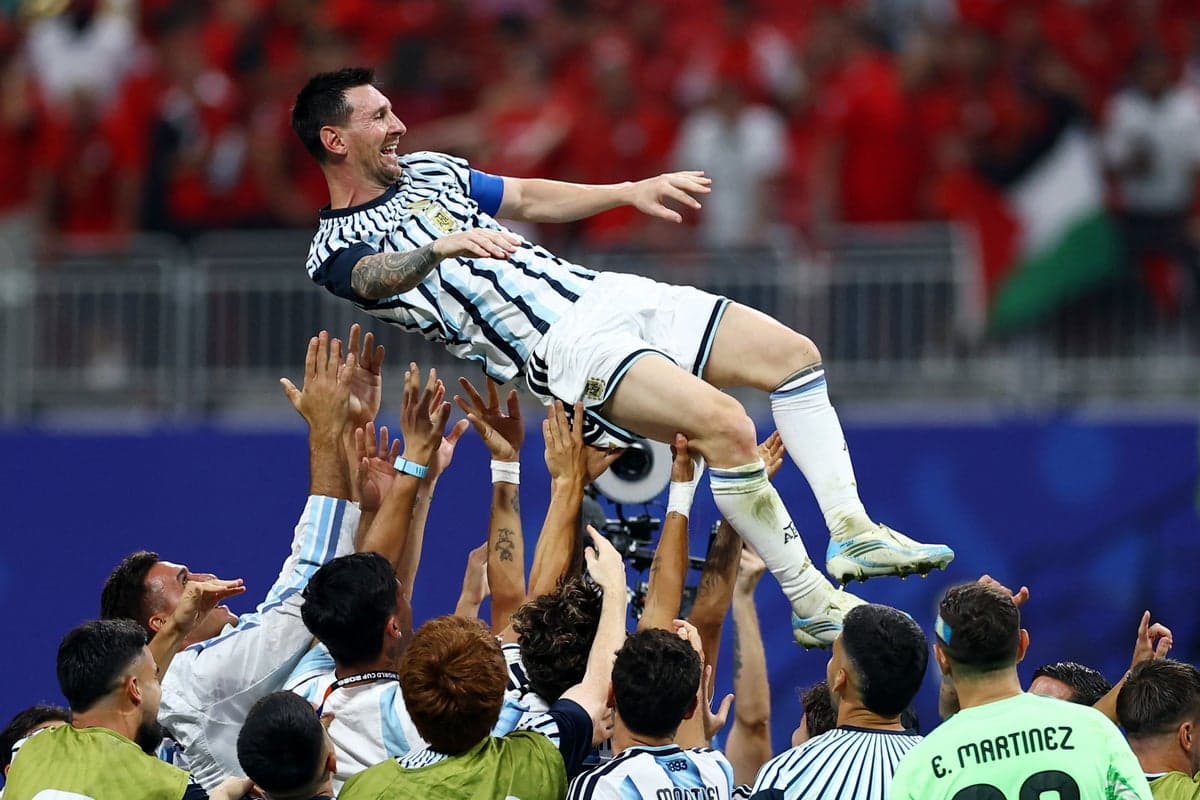
As Lionel Messi was lifted by his Argentina teammates and Egypt's players collapsed in defeat, the scene felt like something out of a gripping film. The atmosphere was electric, with passionate Argentina fans creating a unique soundtrack to this thrilling last-16 match.
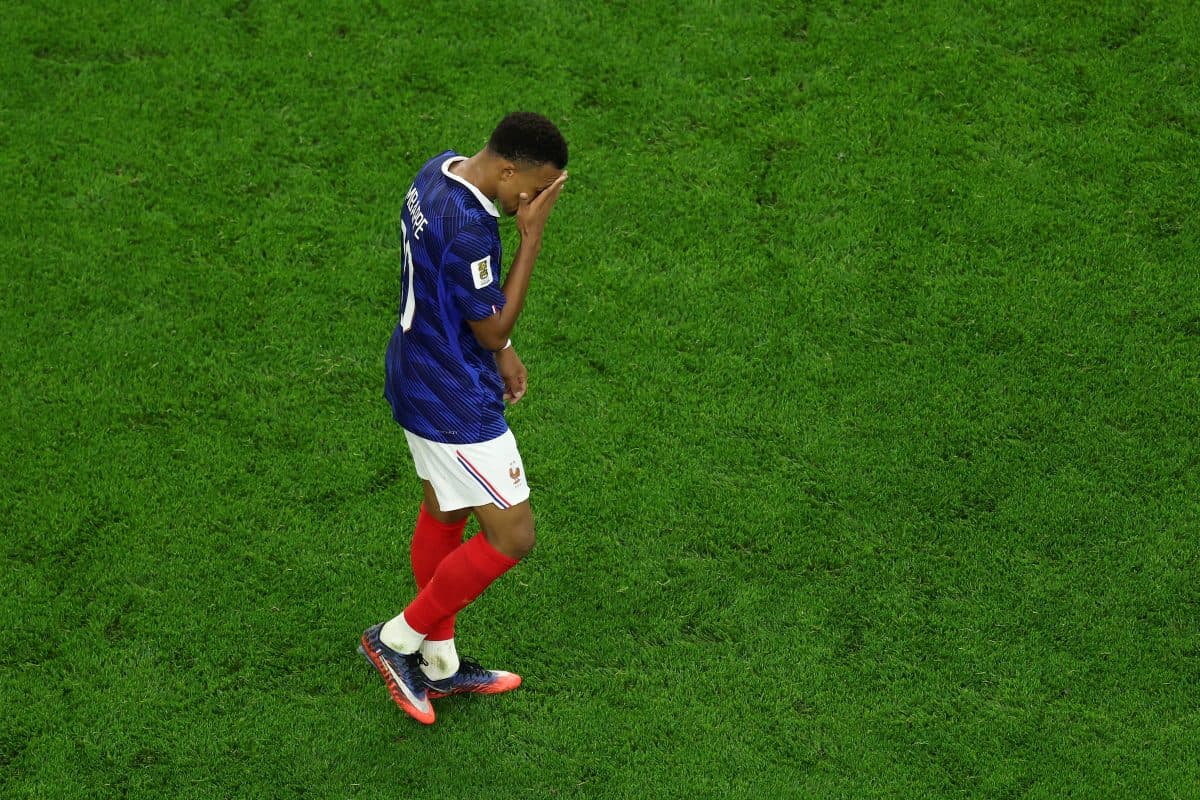
These intense moments have been common throughout this World Cup. Tears flowed not only from Messi but also from his coach Lionel Scaloni, who confessed, "I can’t look at you, I’m too emotional." This display of raw emotion underlines the magnitude of the tournament, even though this was only a Round of 16 game.
Argentina has long been known for their emotional intensity at the World Cup, but now that passion seems contagious, touching teams across the board. England’s rollercoaster win against Mexico showed just how turbulent this tournament has been — no team has advanced without some turmoil, unlike the relatively calm paths seen in past tournaments like Germany 1990 or Brazil 2002.
More Goals, More Drama
The matches have been open and expressive, with 23 goals scored in the last 16 alone, compared to just 15 in 2006. Players appear freed from club tactics, embracing the unique prestige of the World Cup. This openness has produced extraordinary games, including the epic Mexico 2-3 England clash and Argentina’s spectacular comeback two days later.
Controversies Cast a Shadow
Not all emotions have been positive. The case involving Folarin Balogun brought uncomfortable scrutiny, even if the player himself wasn’t involved in any wrongdoing. Egypt’s coach, Hossam Hassan, expressed outrage over refereeing decisions in his team's loss to Argentina, accusing the tournament of bias favoring Messi’s run. He stated bluntly, "We suffered an injustice," claiming Egypt deserved to advance and vowing to stop watching the competition.
Many observers shared this sense of frustration. A disallowed goal for Egypt raised eyebrows because the foul called seemed trivial and distant. It clashed with the generally lenient officiating style seen throughout the tournament. Yet when it came to the global stars, the refereeing appeared less consistent.
Refereeing Inconsistencies and Their Impact
Such calls might simply be part of normal refereeing inconsistencies, especially in an event with officials from diverse countries interpreting situations differently. However, these inconsistencies take on new meaning amid ongoing controversies surrounding FIFA.
The Trump Controversy and Its Fallout
The recent incident involving Donald Trump has damaged FIFA’s image severely. Questions arise about what else might be influenced behind the scenes. Even if accusations of scripted outcomes seem far-fetched, the fact that many people suspect manipulation is troubling. Social media comparisons to scripted entertainment like Wrestlemania only deepen doubts.
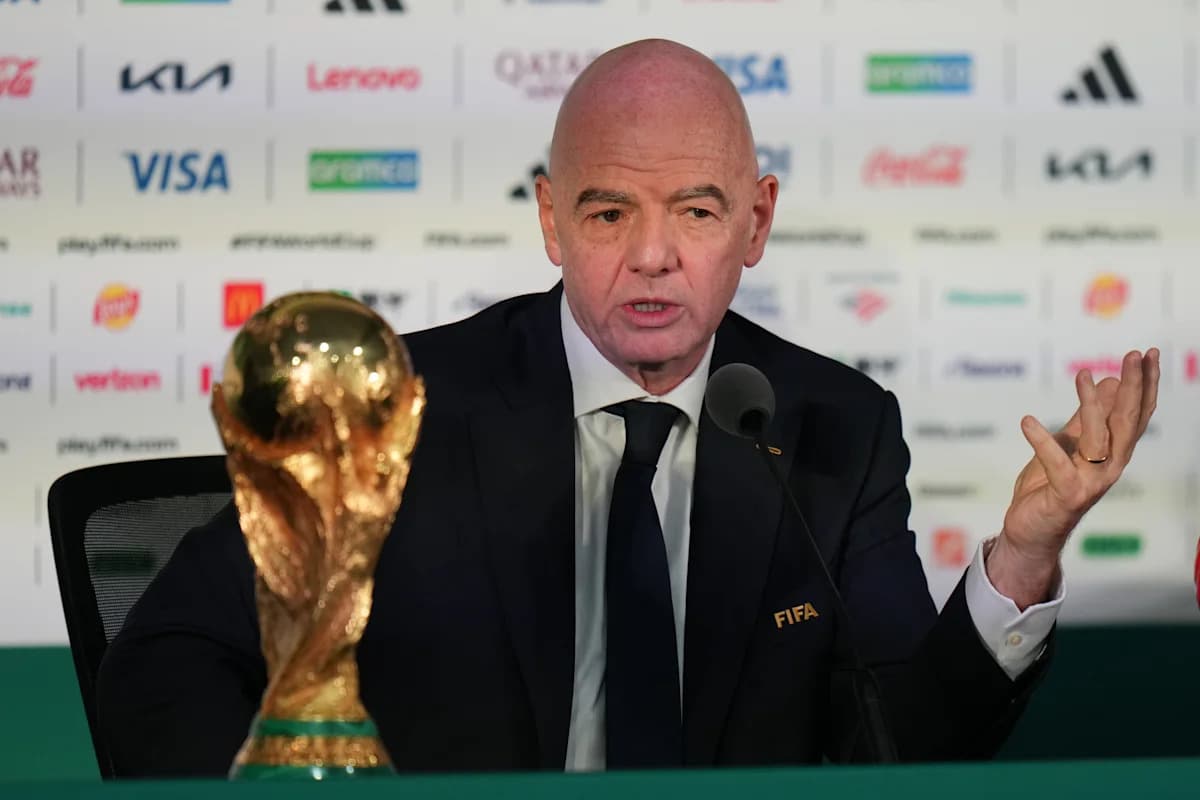
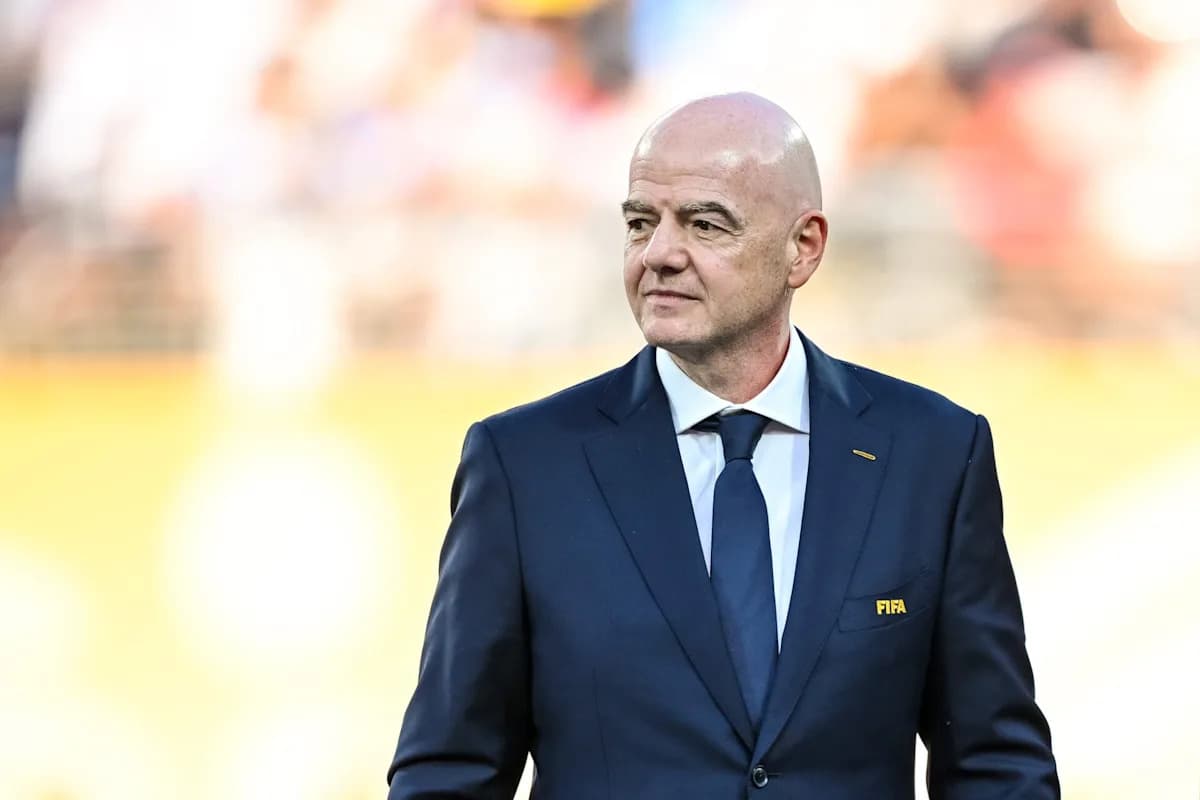
This growing mistrust challenges FIFA’s legitimacy. Calls for President Gianni Infantino to step down highlight the seriousness of the crisis. Similar issues have plagued the Premier League, where banners accusing corruption have become common during a rise in legal battles.
Financial Realities Shape the Tournament
Ironically, while FIFA faces a crisis over sporting integrity, the tournament itself reflects financial inequalities. Six of the eight quarter-finalists are among Europe's richest football nations: France, Spain, England, Switzerland, Belgium, and Norway. This dominance underscores how wealth and investment in coaching infrastructure pay off on the world stage.
Meanwhile, Morocco stands out as a rising power thanks to state-supported football development, drawing parallels to Hungary’s approach under Viktor Orban. The US, despite high youth fees and a 'pay to play' system, has yet to build comparable depth, focusing instead on short-term results.
FIFA’s Wealth Redistribution and Political Complications
One positive aspect is FIFA’s redistribution of resources, led by figures like Arsene Wenger, aiming to raise standards globally. However, this effort often intersects with political agendas, making the whole situation more complex. What might seem like support for the sport sometimes doubles as political leverage.
The drama on and off the pitch gives this World Cup a cinematic quality, blending thrilling sport with intrigue and controversy in ways few tournaments have before.