Watford's Season: A Challenging Start in the Championship
Watford’s season has barely started and already feels like a chase.
For a month, the story has been the same: a squad stretched to breaking point, a head coach trying to juggle the impossible, and a board convinced patience in the market would pay off. On paper, that sounds sensible. On the pitch, it has looked reckless.
At one stage in August, Watford went through games with just two recognised centre-backs in the entire squad. Two. For a Championship season that demands physicality, rotation and resilience, it was a staggering gamble.
Deadline day eventually brought reinforcements, but by then the early damage was done.
The club hierarchy will insist there was a plan. They wanted better, younger targets. They did not want to be pushed into short-term signings that blocked long-term strategy. Now the window is shut, and if everyone were fit, this Watford squad would look respectable enough in most areas – with midfield still clearly light.
And it’s not as if every move has misfired. Far from it. Iker Bravo has exploded into life, a genuine bright spark in attack. Federico Ravaglia already looks an upgrade in goal. Jordan Zemura and Omar Traore offer strong, modern full-back options. Soumaila Coulibaly and Branimir Mlacic have also shown encouraging signs.
The issue isn’t the quality at the top of the squad. It’s the depth underneath it.
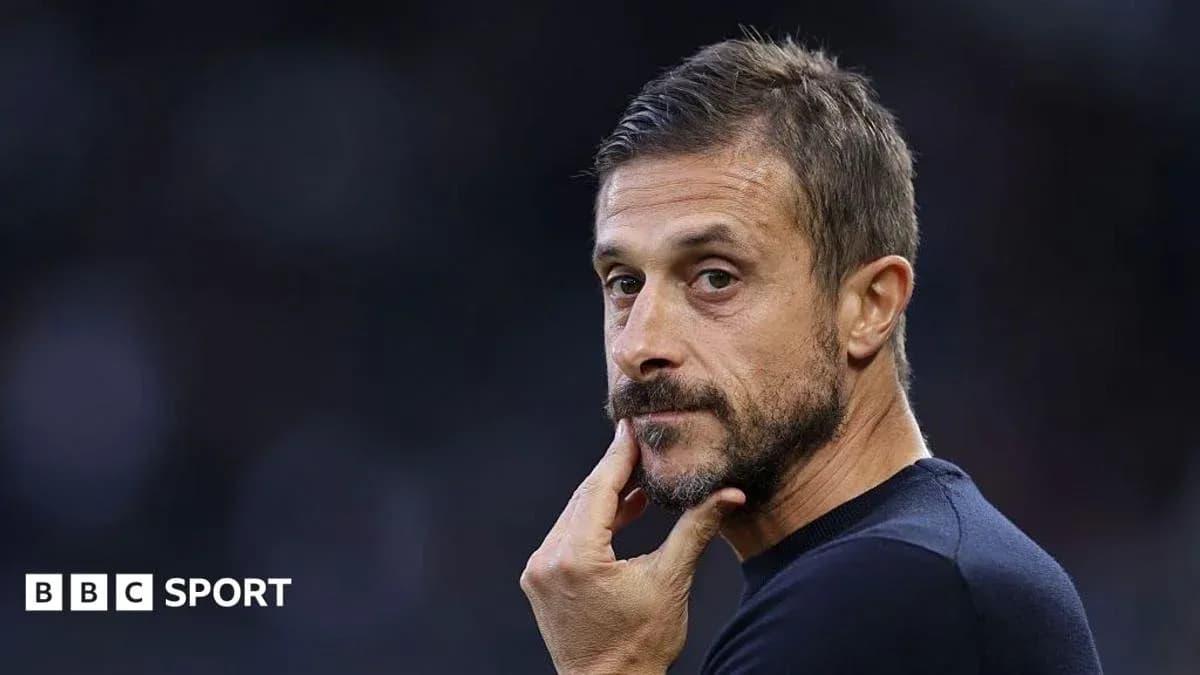
Alessio Dionisi has been forced to lean on the same core of players, game after game, through a schedule that has often meant two matches a week. The result has been predictable: injuries piling up, legs tiring, performances dipping. August form bled into September, and with it the early momentum slipped away.
Those late-window arrivals who were supposed to help? They turned up miles off full match fitness, let alone match sharpness. Some have still had to be thrown into depleted squads simply to fill shirts.
The strain has been obvious on the teamsheet. Watford have failed to name the maximum eight substitutes in each of their last two games. For the last five, they have carried two goalkeepers on the bench – a sight that underlines just how thin the outfield options have become. No wonder Dionisi keeps repeating the same phrase before and after matches: “It’s not easy.”
For him, the international break cannot arrive quickly enough. That, at Watford, carries its own irony. Recent history at Vicarage Road has turned international breaks into nervous checkpoints for head coaches, not windows of calm.
Once Friday’s game against Bristol City is out of the way, the Hornets will finally get three weeks to breathe. Three weeks to get bodies back, integrate the late signings properly, and try to reset a season that already feels like it is slipping into recovery mode.
By that point, though, Watford will almost certainly be playing catch-up. The board’s reluctance to spend early in August, their decision to hold out for better value later in the window, is understandable in theory. On the ground, the policy has backfired.
The squad they wanted is slowly taking shape. It will probably be genuinely competitive. But by the time it’s truly ready, it could be late October.
If the ultimate aim is to challenge for promotion, Watford have chosen a brutal way to start the climb.