Utah Royals W Defeats Racing Louisville W 2–1 in NWSL Clash
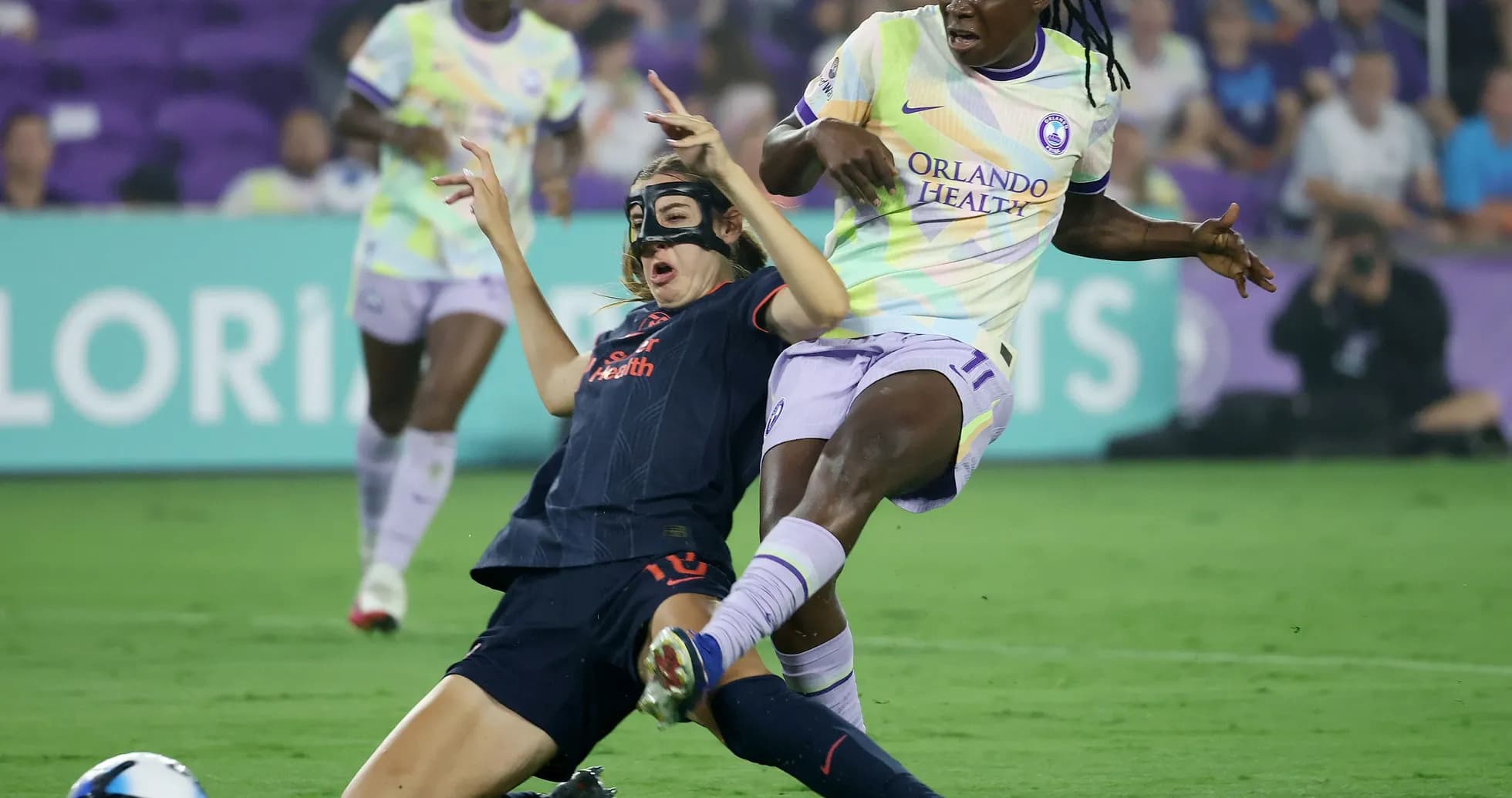
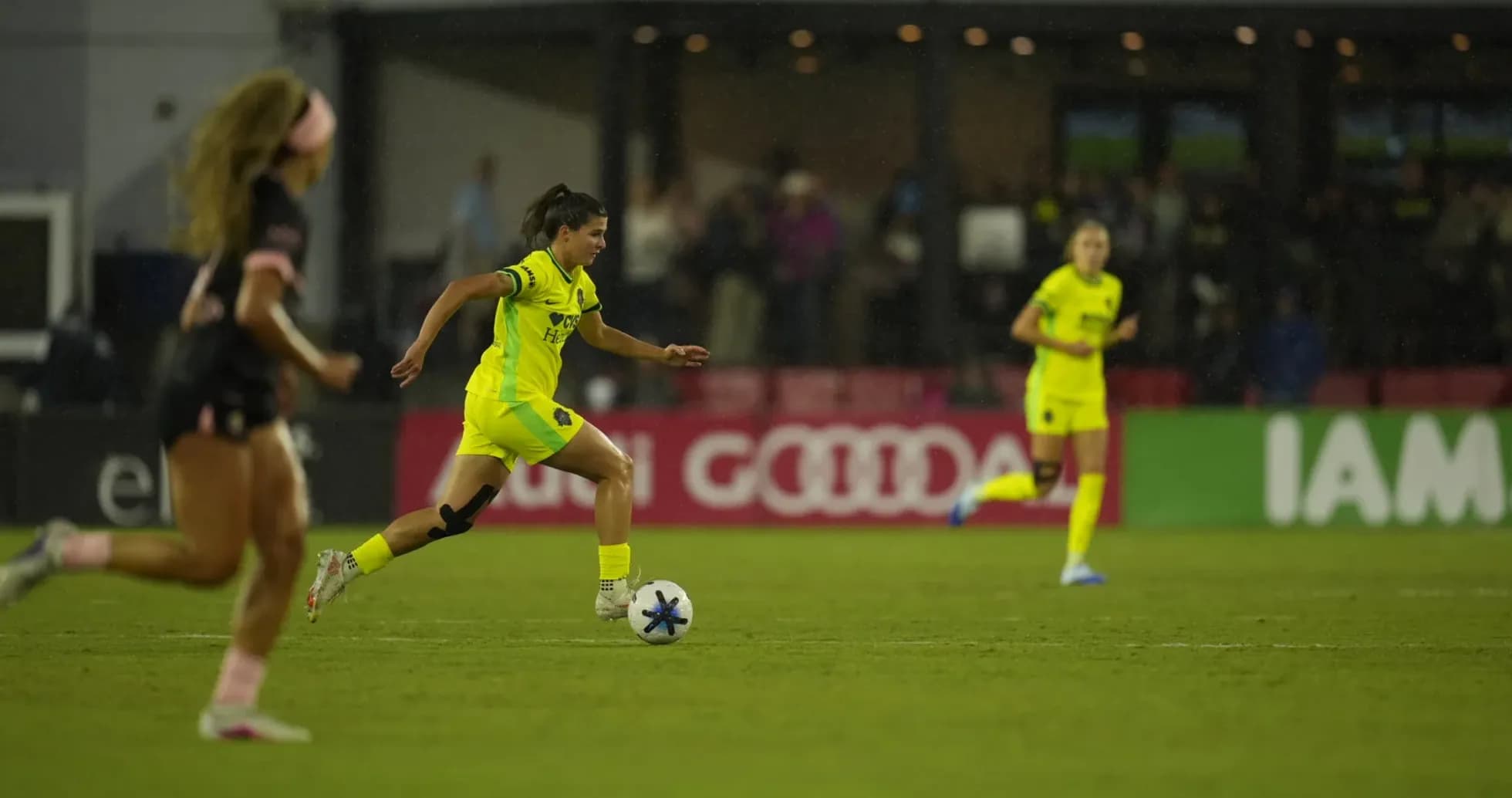
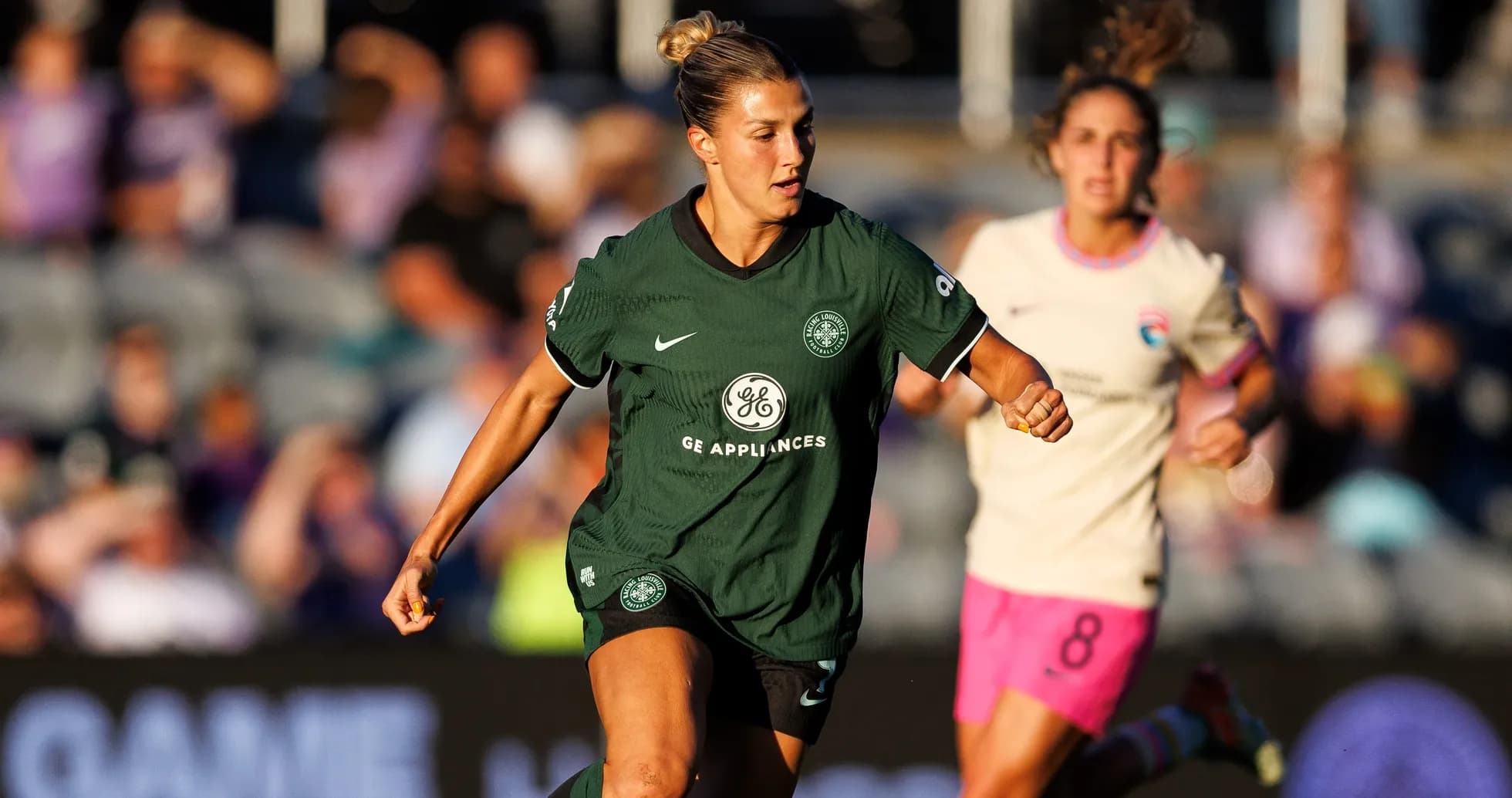
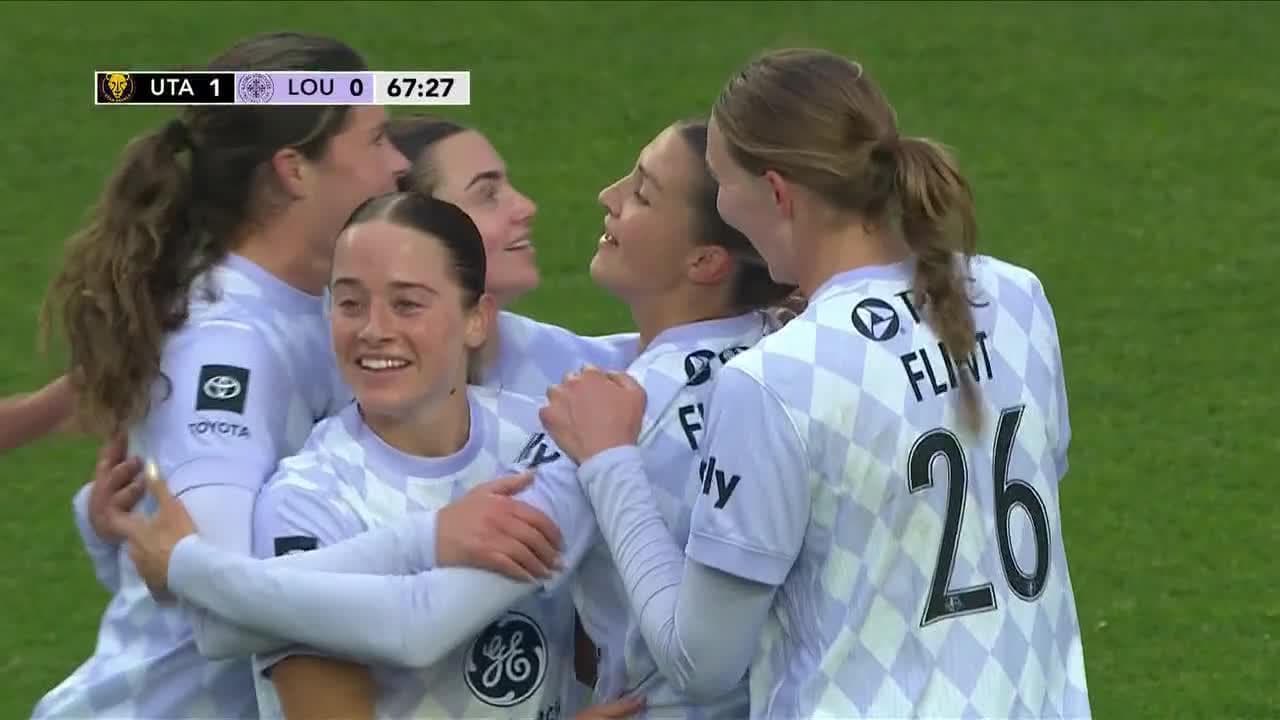
Under the desert lights of America First Field, Utah Royals W and Racing Louisville W met in a Group Stage clash that felt more like a measuring stick than a routine league fixture. By full time, the scoreboard read 2–1 to Utah, a result that reinforced the home side’s growing reputation as one of the NWSL Women’s most balanced outfits and underlined Louisville’s ongoing struggle to translate attacking promise into away points.
I. The Big Picture – Utah’s Structure vs Louisville’s Fragility
Heading into this game, Utah sat 2nd in the table with 20 points from 10 matches, built on a clear defensive identity. Overall this campaign, they had scored 14 and conceded just 7; the goal difference of 7 matched their league standing: efficient rather than explosive. At home, they had been particularly controlled, with 6 goals for and 3 against across 4 fixtures, averaging 1.5 goals scored and 0.8 conceded at America First Field.
Racing Louisville arrived as a paradox. Overall, they had also scored 14 goals, but conceded 17 for a goal difference of -3, and their table rank of 15th reflected that imbalance. At home they were competitive; on their travels, they were unraveling. Away, they had lost all 6 games, scoring 6 and conceding 12, an average of 1.0 goal for and 2.0 against. The tactical story of the night was whether their 4-2-3-1 could withstand Utah’s disciplined version of the same shape in a hostile environment.
Both sides mirrored each other structurally: Utah in a 4-2-3-1 under Jimmy Coenraets, Racing Louisville in the same system under Beverly Yanez. For Utah, the spine of M. McGlynn in goal, a back four led by K. Del Fava and K. Riehl, and a double pivot featuring N. Miura and A. Tejada Jimenez provided the platform. Ahead of them, the creative trio of P. Cronin, Minami Tanaka and C. Lacasse supported lone forward K. Palacios.
Louisville’s version of the 4-2-3-1 had J. Bloomer in goal, a back line marshalled by A. Wright and C. Petersen, with T. Flint and K. O’Kane as the screening pair. The attacking band of E. Sears, M. Hodge and E. Hase sat behind K. Fischer, tasked with unsettling Utah’s compact block.
II. Tactical Voids and Discipline – Edges at the Margins
There were no listed absences, so both coaches could lean into their preferred structures. That continuity particularly suited Utah, a side whose season has been defined by repetition and cohesion: they had already used the 4-2-3-1 in 9 league matches.
Discipline was always likely to be a quiet but decisive subplot. Utah’s season card profile shows a tendency toward second-half edge: 27.78% of their yellow cards arrive between 61–75 minutes and 22.22% between 46–60, with a further 16.67% in the 76–90 window. They even carry a red-card flashpoint late, with 100.00% of their reds coming between 76–90 minutes. Louisville’s yellows are more spread but spike just after the interval (25.00% between 46–60) and again in added time (25.00% between 91–105).
In a tight contest like this 2–1, those windows matter. Utah’s ability to control emotions in the first half, then absorb and manage chaos after the break, dovetailed with their defensive numbers: overall they concede just 0.7 goals per game, and at home only 0.8. Louisville, by contrast, concede 1.9 goals per game overall, and their away record of 12 goals conceded in 6 matches told of a side that too often loses structure under pressure.
III. Key Matchups – Hunter vs Shield, and the Engine Room
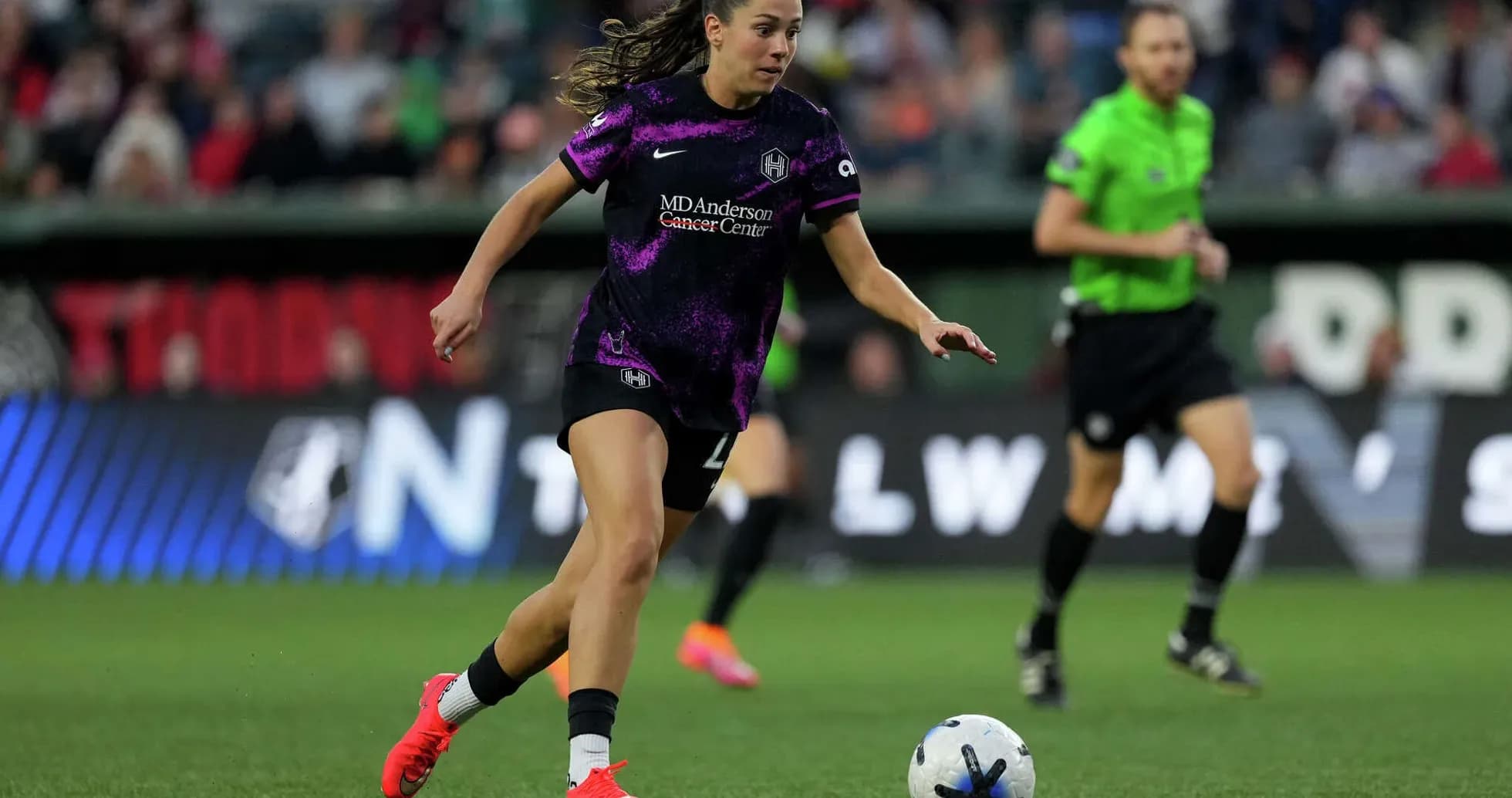
The “Hunter vs Shield” battle was defined by Utah’s attacking tandem of C. Lacasse and Minami Tanaka against a Louisville back line that has struggled on the road. Lacasse arrived as one of the league’s most complete wide forwards: 3 goals and 2 assists overall, 22 key passes, and 74 duels contested with 33 won. She is not just a finisher but a pressing trigger, with 22 tackles and 1 blocked shot underscoring her work rate.
Tanaka, the league’s top assist provider in this dataset with 3 assists and 2 goals, operates between the lines. Her 213 passes at 72% accuracy and 11 key passes illustrate how she knits Utah’s phases together. With 14 dribble attempts and 22 fouls drawn, she is both a ball-progressor and a magnet for contact, ideal for tilting games in the half-spaces.
Louisville’s shield was built around A. Wright and C. Petersen in the back line and, crucially, the presence of T. Flint and K. O’Kane ahead of them. But the true defensive fulcrum in their season has been Taylor Jacklyn Kornieck, whose league-wide disciplinary profile is stark: 3 yellow cards, but also elite defensive numbers – 22 tackles, 12 blocked shots, and 31 interceptions, plus 96 duels with 67 won. Even though she appears in the disciplinary data rather than this specific lineup block, her season-long role as enforcer explains Louisville’s best defensive phases when she anchors midfield.
The “Engine Room” duel, then, was Utah’s Miura–Tejada axis against Louisville’s Flint–O’Kane, with creative operators Tanaka and Sears floating ahead. Tejada’s 255 passes at 73% accuracy and 18 tackles show a defender-turned-pivot comfortable stepping into midfield to compress space. On the other side, Sears has been Louisville’s most balanced attacker: 1 goal, 3 assists, 106 passes, and 16 tackles with 11 interceptions. Her willingness to defend from the front is vital in a system that can otherwise be stretched.
Out wide and up top, Louisville’s attacking threat came from Fischer, whose 2 goals, 2 assists, 13 key passes, and 26 dribble attempts (12 successful) point to a direct, duel-hungry forward. Yet her burden is heavy: away from home, the team has failed to keep a single clean sheet and has already failed to score twice overall.
IV. Statistical Prognosis – Why 2–1 Felt Inevitable
Following this result, the numbers and the narrative align neatly. Utah’s season-long attacking average of 1.4 goals per game overall, combined with Louisville’s 1.9 goals conceded and 2.0 against on their travels, pointed toward the home side generating the better chances and likely edging any xG battle. Utah’s defensive solidity – only 7 goals conceded in 10 matches – made it improbable that Louisville would be allowed to open the game up into a shootout.
Both teams are perfect from the spot this campaign, each scoring 2 of 2 penalties with no misses, so any penalty on the night was always likely to be converted rather than squandered. But in open play, Utah’s layered threat, with Lacasse and Tanaka supported by Cronin and Palacios, was better suited to breaking down a defense that has already conceded 12 away goals.
In tactical terms, this 2–1 home win is the logical expression of the underlying data: Utah’s controlled aggression, second-half resilience, and high-functioning attacking core overcoming a Racing Louisville side that can punch but not yet protect itself on the road. For future fixtures, expect Utah to continue leaning into that 4-2-3-1 structure, with Lacasse and Tanaka as dual creative hubs, while Louisville must find a way to translate Kornieck’s and Sears’ industry into a more stable defensive platform away from home if they are to climb from 15th and turn narrow defeats like this into points.