Uruguay’s World Cup Start Faces Turbulence
Uruguay’s World Cup campaign had not even begun when it veered off script.
Less than a day before their opener, Marcelo Bielsa’s side found themselves grounded in Mexico, trapped in a bureaucratic tangle that turned a routine hop from Cancún to Miami into an embarrassing ordeal.
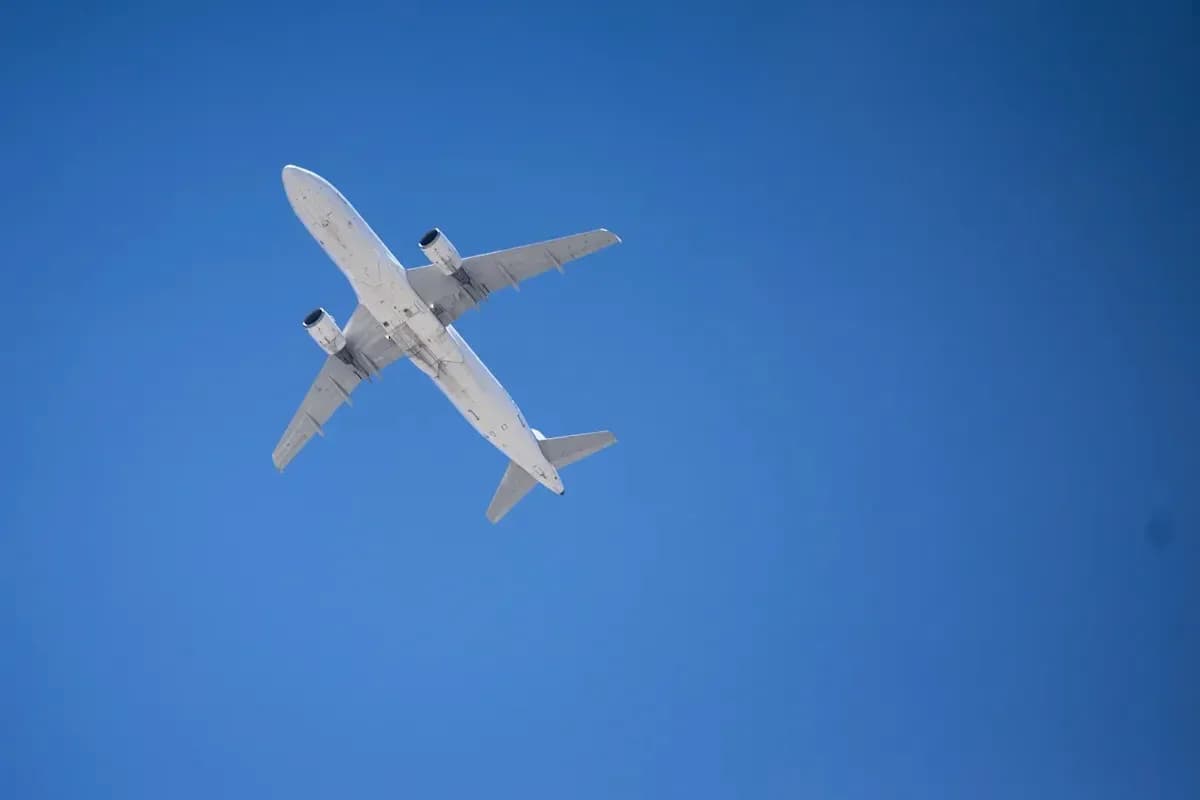
The plan was simple: leave their base camp in Playa del Carmen, fly north, settle in, and lock in on Saudi Arabia. Instead, the flight never took off. Reports indicated that the overland flight permits had not been properly arranged in time, with fingers quickly pointing toward FIFA for failing to secure the necessary documentation.
What should have been a smooth departure became a standstill.
The Uruguayan Football Association (AUF) confirmed the disruption and, crucially, where they believed the blame lay. Asked by The Guardian whether this was a FIFA error, a federation spokesperson did not hesitate, stating that “issues beyond the AUF’s control” had delayed the team’s departure from Mexico. Behind that calm phrasing sat hours of scrambling.
While the players waited, the AUF worked frantically behind the scenes, trying to salvage the schedule. Staff chased alternatives, negotiated options, and pushed for a replacement flight as the clock ticked toward kickoff day.
FIFA, though, offered a very different version of events. Speaking to ESPN, football’s governing body shifted responsibility away from Zurich and onto the tarmac. According to FIFA, the airline had apologized for the “inconvenience caused,” with officials insisting they had stayed in close contact with Uruguay throughout the delay and had cooperated with the airport and other partners to fix the mess as quickly as possible.
Blame bounced between governing body and airline, but for Uruguay the impact was concrete. Time lost. Plans shredded.
For Bielsa’s players, the disruption cut straight across their final preparations. The day-before-match routine — that carefully crafted blend of travel, rest, media duties, and tactical focus — was broken. The scheduled press conference with Bielsa and captain José María Giménez was scrapped, a small but telling sign of how far the schedule had slipped.
Bielsa, characteristically, refused to turn it into a drama. He downplayed the chaos, insisting the circumstances “did not cause a problem.” For a coach who thrives on control and detail, it was a deliberate message: no excuses.
Giménez, though, allowed a little more of the strain to show. He admitted the team had faced “a few complications” and that “it was difficult.” The center-back underlined that the squad had tried to make the best of it, using the extra time at the hotel to rest and recover rather than stew over the delay.
Eventually, a flight was found. Eventually, Uruguay left Mexico. But it was no longer the smooth, low-stress transition they had mapped out weeks in advance. It was a late, patched-together escape from a logistical fiasco that never should have reached a World Cup team in the first place.
Now comes the real test: whether this unwanted detour becomes a footnote in a deep run, or the first sign of a campaign that began with turbulence and never quite settled.