Union Omaha's Dominance Over Fort Wayne in USL League One Cup
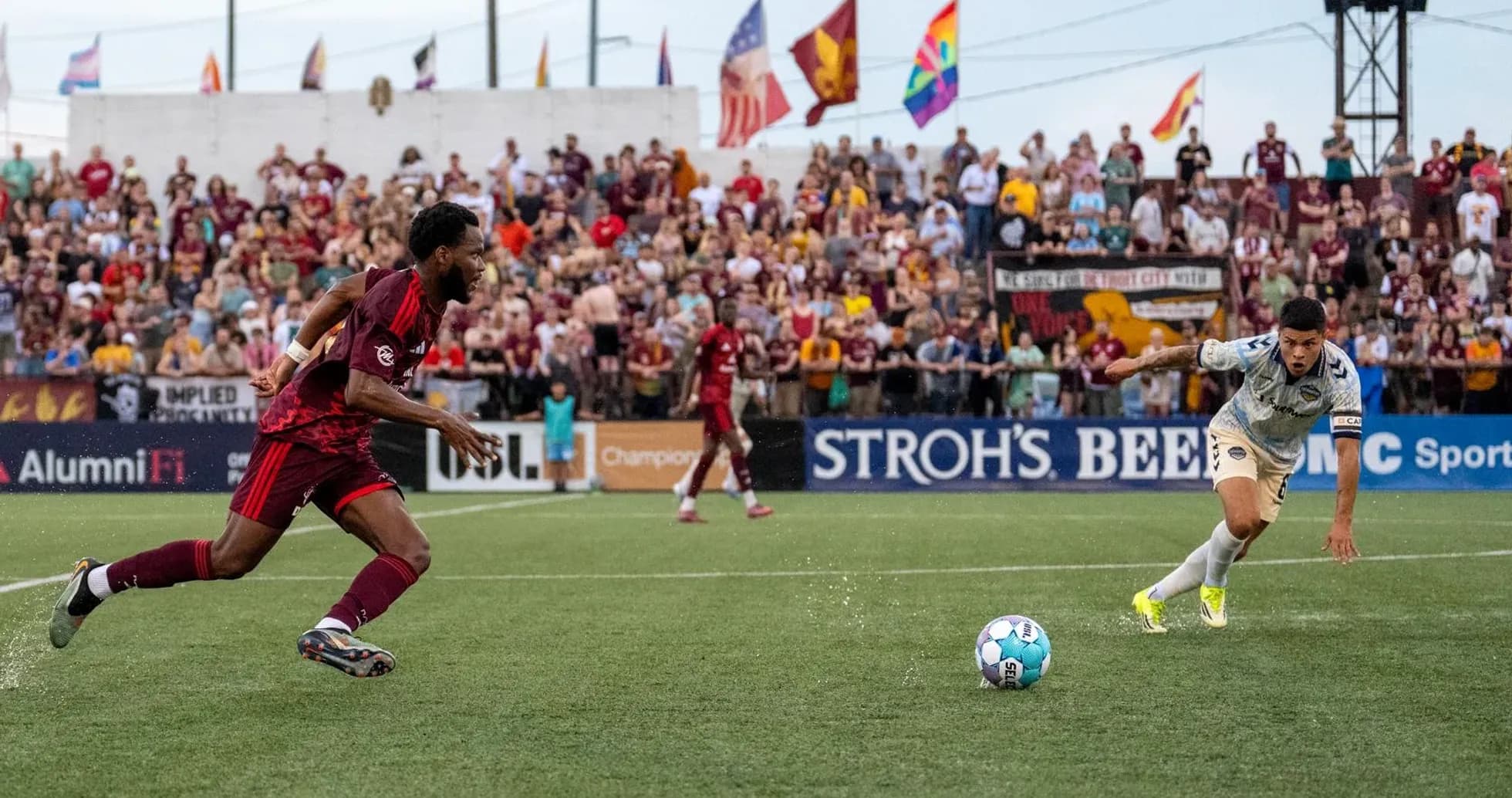
Under the lights at Werner Park, Union Omaha turned a tense group-stage assignment into a statement 4–2 victory over Fort Wayne, a result that crystallizes the contrasting identities of these two sides in the USL League One Cup’s Group 4.
I. The Big Picture – Group Stakes and Structural DNA
Following this result, the table tells a sharp story. Union Omaha sit 2nd in Group 4 with 6 points from 3 matches. Overall they have scored 7 and conceded 8, giving them a goal difference of -1, a curious profile for a side with two wins from three. Their attacking output is undeniable: overall they average 2.3 goals per game, rising to 2.5 at home and 2.0 on their travels. But that comes with risk: overall they concede 2.7 per match, with a particularly wild 3.5 goals against at home.
Fort Wayne, by contrast, are marooned in 6th with 1 point from 3 games and a goal difference of -6. Overall they have scored 5 and conceded 10 (GD = -5 in the raw stats block; the standings round up the group picture to -6 once this defeat is factored in). Their attacking average of 1.7 goals per match is respectable, but it is drowned out by an overall 3.3 goals conceded per game, including 3.5 on their travels. This is a side that can trade punches but cannot yet protect itself.
The match itself mirrored those season-long patterns. A 2–2 half-time scoreline at Werner Park was entirely in keeping with two teams whose defensive structures lag behind their ambition. Omaha’s capacity to accelerate in waves, however, separated them after the break.
II. Tactical Voids – Discipline and Structural Risk
There were no listed absentees in the data, so both coaches were effectively working with full decks. That made the choices more revealing.
Union Omaha’s disciplinary profile across the competition hints at controlled aggression that occasionally spills over. Overall, their yellow cards are clustered in the 31–45 minute window (25.00%), the 61–75 stretch (50.00%), and the final 76–90 phase (25.00%). The red-card data is even more telling: 100.00% of their reds have arrived between 61–75 minutes. This is a side that plays on the edge when the game opens up in the third quarter, and that risk is the shadow side of their high-tempo, front-foot approach.
Fort Wayne’s card map is more chaotic and more sustained. Overall, 22.22% of their yellows come between 16–30 minutes, another 22.22% between 31–45, 11.11% from 46–60, and a striking 44.44% in the 76–90 window. They do not yet take red cards, but their late-game yellow surge speaks of fatigue, chasing games, and desperate defensive interventions. At Werner Park, that pattern played out as they struggled to contain Omaha’s late surges.
III. Key Matchups – Hunter vs Shield, Engine Room vs Enforcer
Without individual scoring charts, the “Hunter vs Shield” duel is framed collectively. Union Omaha’s home attack, averaging 2.5 goals per match at Werner Park, went up against Fort Wayne’s away defence, which concedes 3.5 on their travels. On paper, the home side were always likely to carve out chances in volume; in practice, four goals simply confirmed the structural mismatch.
The inverse matchup was more nuanced. Fort Wayne’s attack on the road averages 1.5 goals per game, facing an Omaha home defence that leaks 3.5. The 2–2 half-time scoreline reflected Fort Wayne’s capacity to exploit space when Omaha over-commits. Players like D. Oyetunde and R. Becher, supported by J. Garay and K. Gafar, had moments where they could threaten in transition and early-phase buildup.
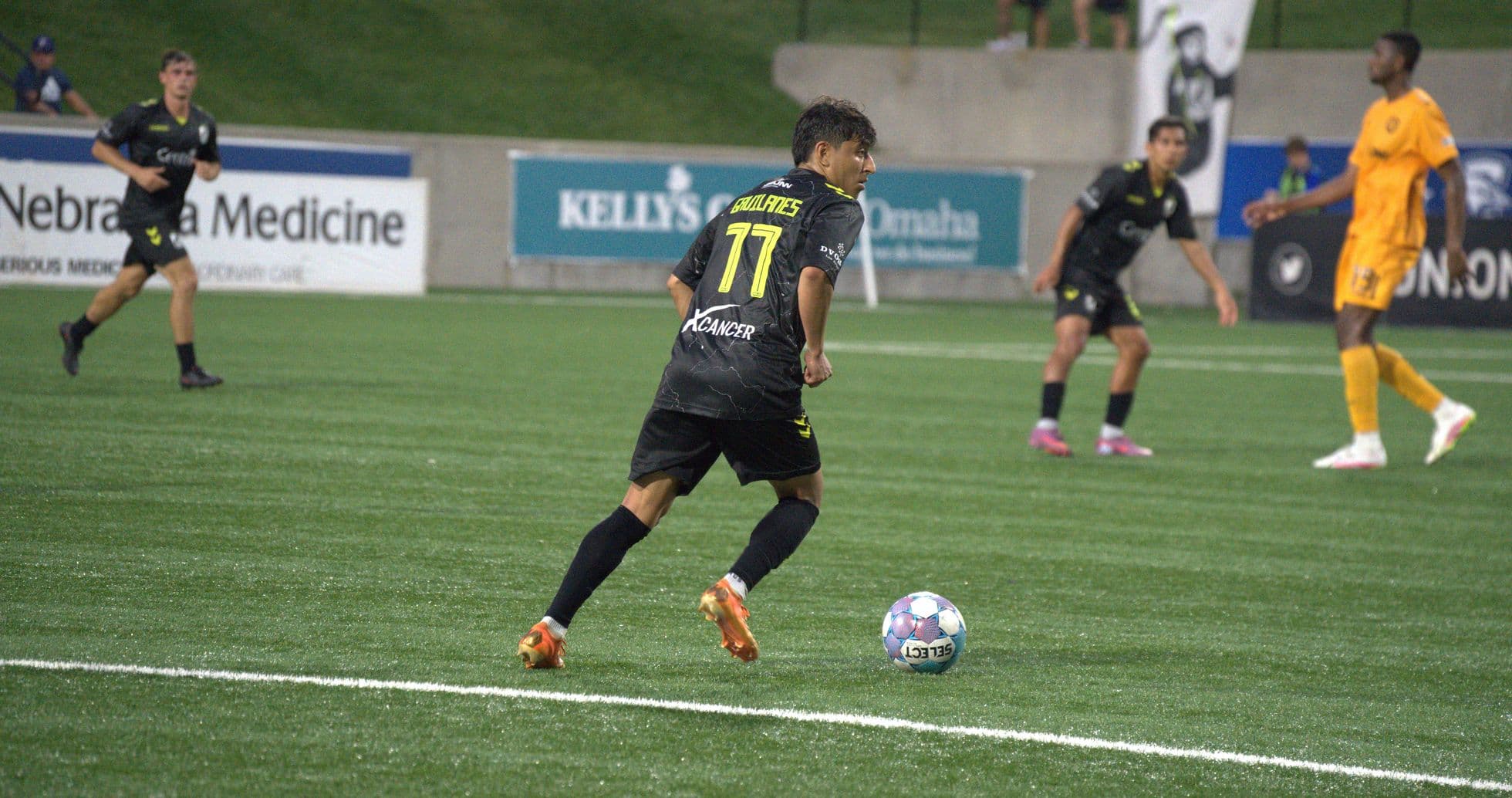
But the real story of the evening lay in the “Engine Room” battle. For Omaha, Gabriel Cabral and S. Ors Navarro formed the heartbeat in central areas, with A. Gavilanes and D. Borczak stretching play and linking into the penalty box. Their task was twofold: feed P. Botello Faz as the central reference point and ensure that the side’s natural attacking tilt did not leave S. Owusu, B. Malone, and R. Jiba constantly exposed.
On the Fort Wayne side, E. Nieto and J. Garay were asked to be both creators and stabilizers, shielding a back line fronted by J. Smith, R. Sproat, J. Solis, and A. Hernandez. The problem was structural rather than individual. With no clean sheets overall and no match in which they have failed to concede, Fort Wayne’s block is too easily pulled apart by rotations between the lines. Omaha’s fluid front four repeatedly dragged them out of shape.
IV. Statistical Prognosis – Where This Leaves Them
From an Expected Goals perspective, all the ingredients were present for a high-xG contest: two sides with no clean sheets overall, both averaging at least 2.0 goals scored at home or away, and both conceding well above 2.5 per match in those same splits. A 4–2 outcome is entirely coherent with those underlying numbers.
For Union Omaha, the prognosis is cautiously optimistic. Their overall attacking averages (2.3 goals for, with no matches where they have failed to score) suggest they will continue to generate high xG and high shot volumes. Their penalty record – 1 taken, 1 scored, 100.00% conversion with no misses – underlines composure in decisive moments. But their overall 2.7 goals conceded per game and the absence of a single clean sheet mean their ceiling in knockout-type scenarios will depend on tightening the defensive spacing in front of the back line and managing the volatile 61–75 minute window where their red-card risk peaks.
For Fort Wayne, the numbers are harsher. An overall 1.7 goals scored is not disastrous, but when set against 3.3 conceded, their xG allowed profile is likely far too high. On their travels, conceding 3.5 per match with no clean sheets and no wins points to systemic issues: distances between units, protection in front of the centre-backs, and an inability to defend the box when the game becomes stretched. Their late yellow-card spike (44.44% between 76–90) suggests that as xG against rises in the final quarter, they are responding with fouls rather than structure.
Following this result at Werner Park, Union Omaha look like a volatile but dangerous contender in Group 4: a side that will drag any fixture into a high-xG shootout and usually back their firepower to win it. Fort Wayne, meanwhile, remain a team whose attacking flashes are undermined by a defensive platform that cannot yet withstand sustained pressure. Until that balance shifts, their story in this competition will continue to be one of brave but ultimately overwhelmed resistance.