Louisville City Edges Detroit City in Penalty Shootout
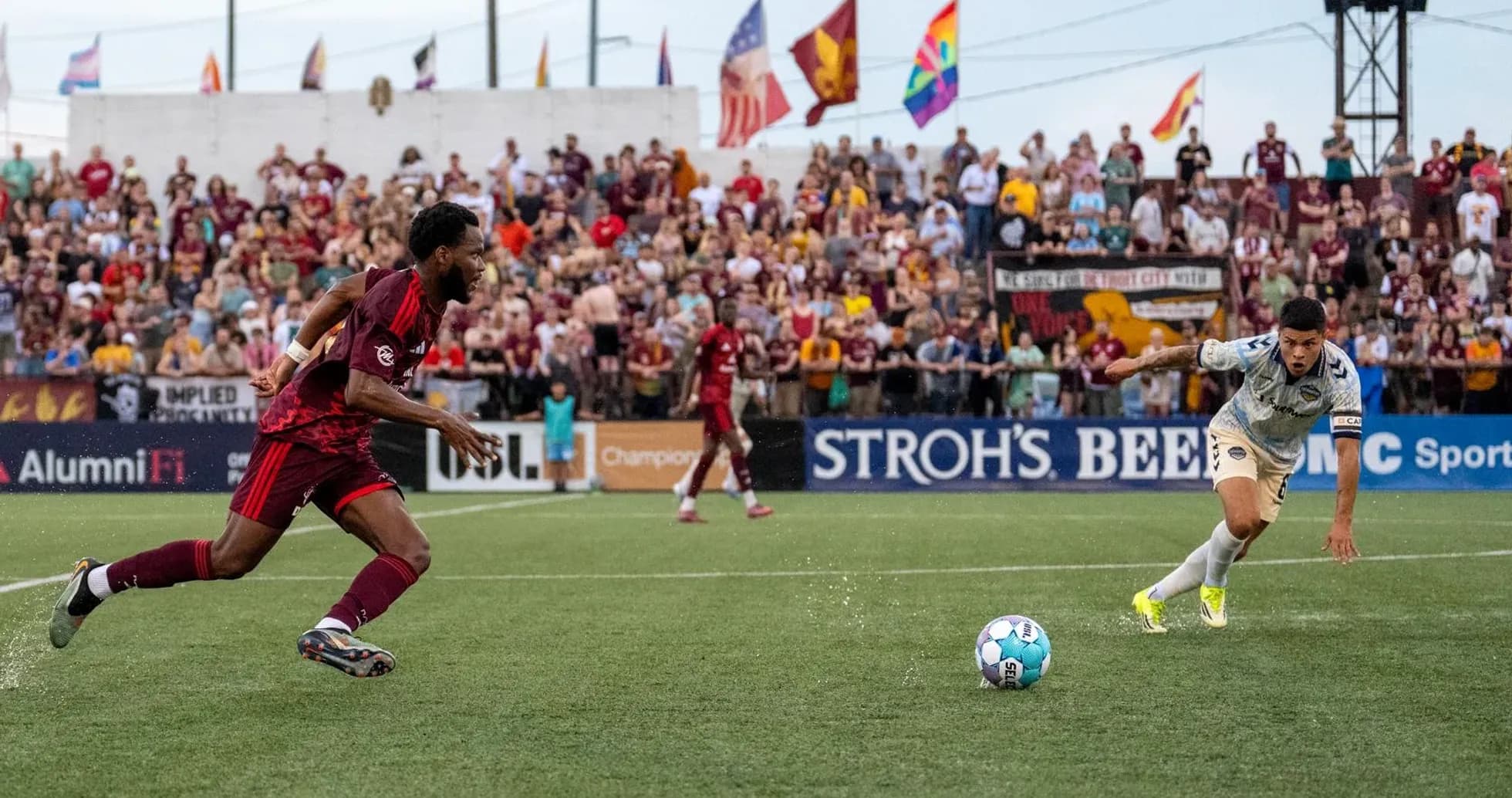
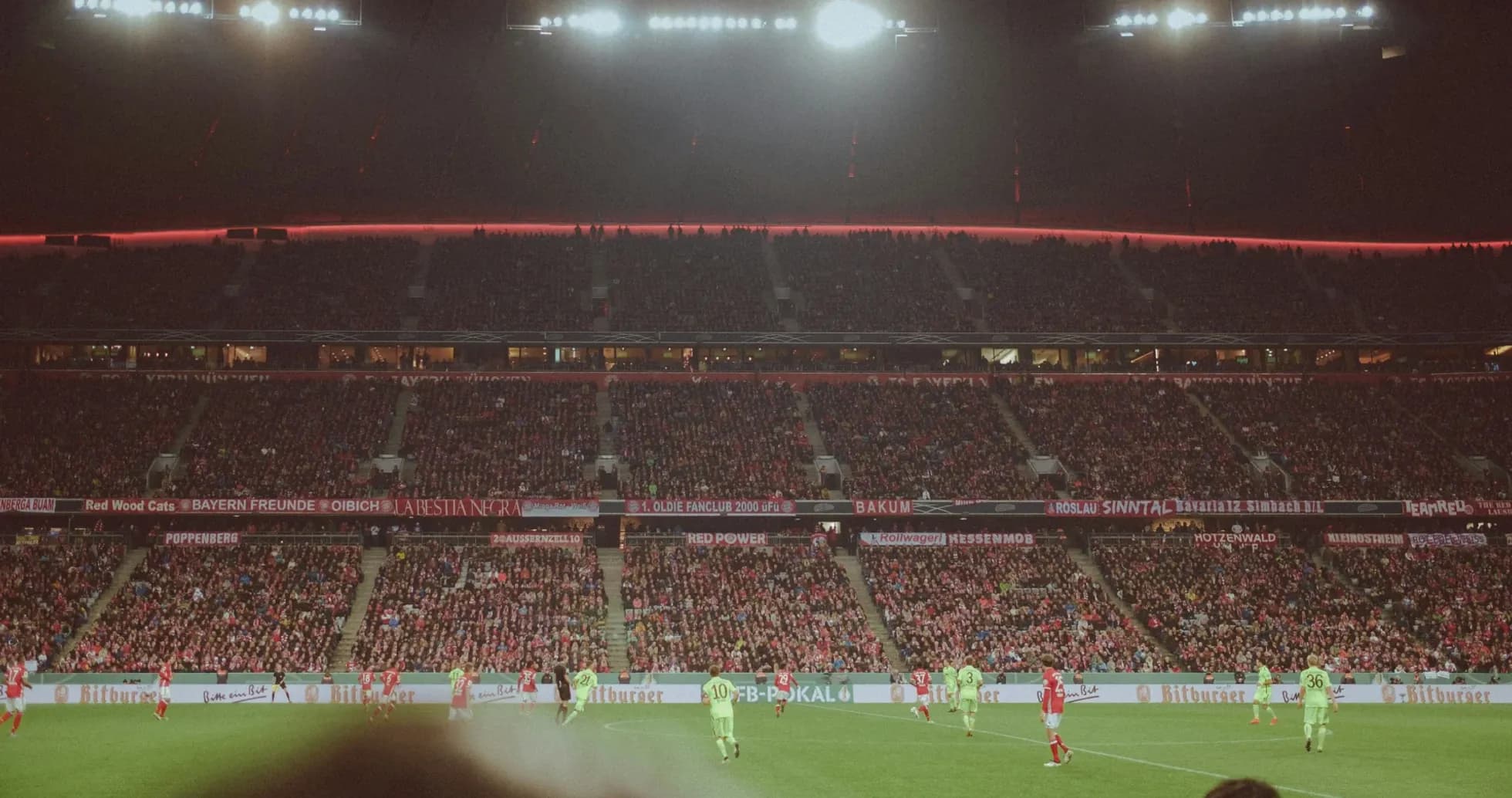
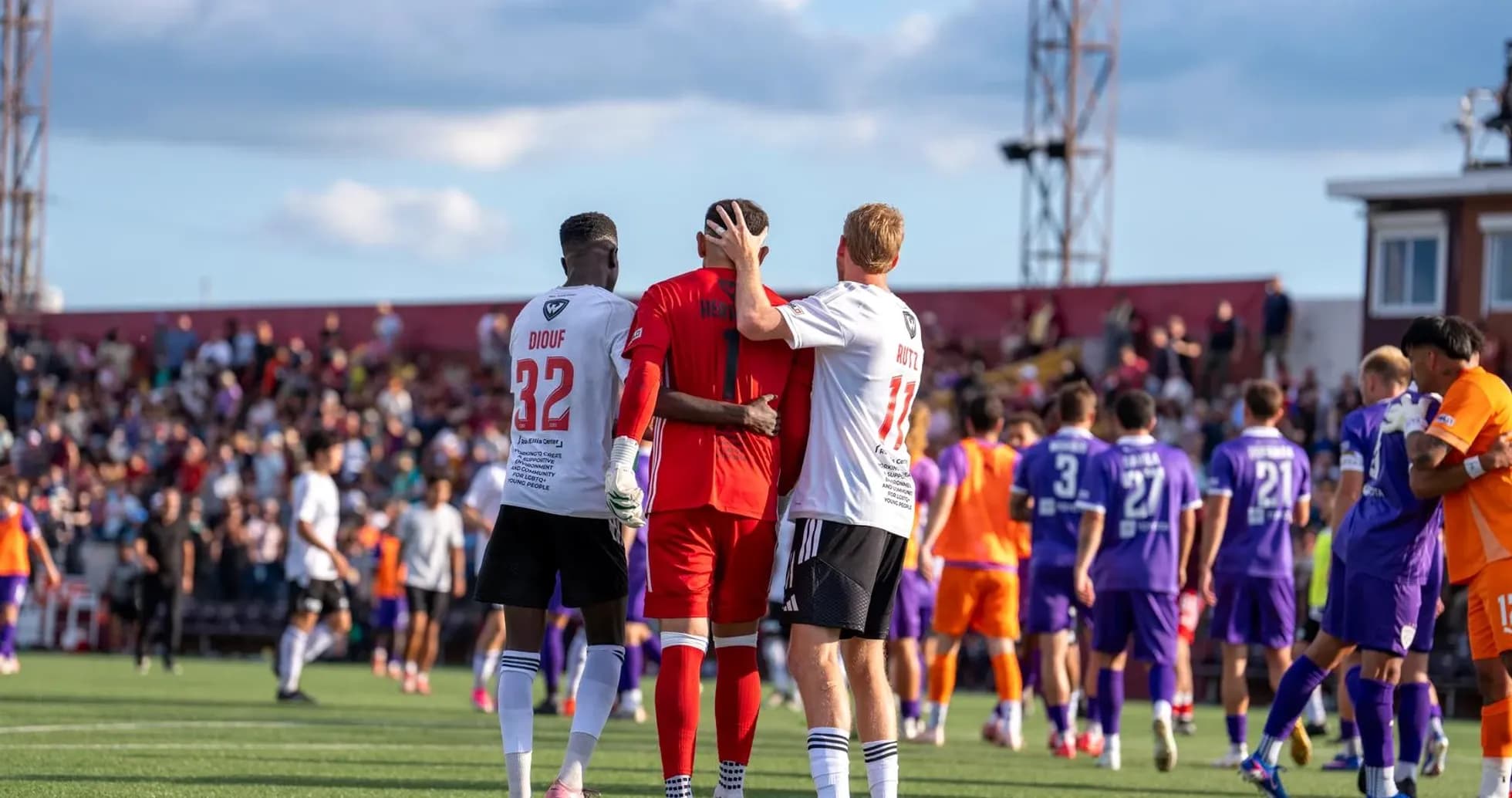
On a tense night at Keyworth Stadium, Detroit City and Louisville City played out 120 minutes of stalemate before the group leaders finally edged it 4–3 on penalties. Following this result, the story of Group 4 in the USL League One Cup sharpened into focus: Louisville, already top with 6 points and a goal difference of 6 heading into this game, showed why they are the group’s standard-bearers, while Detroit’s narrow exit underlined both their structural progress and the limits of their current attacking tools.
I. The Big Picture – Styles Colliding in a Cup Cauldron
Heading into this game, the numbers painted a stark contrast. Detroit City came in as a side still learning the rhythms of cup football: 3 fixtures in total, with 1 win and 2 losses, and a total goalsFor of 2 against 3 conceded. At home they had struggled, with 2 matches played, 0 wins and 2 defeats, scoring just 1 goal and conceding 3. Their total attacking average stood at 0.7 goals per game, dropping to 0.5 at home.
Louisville, by contrast, arrived as a fully formed cup machine. Across 3 fixtures in total they had won all 3, with 9 goalsFor and only 2 goalsAgainst, an attacking average of 3.0 goals per game both home and away. On their travels they were ruthless: 2 away matches, 2 wins, 6 goals scored, just 1 conceded. This is a side used to imposing itself, not surviving.
And yet, over 120 minutes in Detroit, the scoreboard never moved from 0–0. For Detroit, whose total goalsAgainst average had been 1.0 per match, holding Louisville’s 3.0-per-game attack scoreless was a defensive achievement that went far beyond the raw standings, where they sat 5th in the group with 4 points and a goal difference of -1 heading into kickoff. For Louisville, the clean sheet extended a pattern of control: they had allowed just 2 goals in total across the competition, an average of 0.7 per match, and they again protected that defensive standard.
II. Tactical Voids – Discipline, Fatigue, and Margins
With no official list of absentees, both coaches leaned heavily on their core groups. Danny Dichio’s Detroit City XI was built around a resilient spine: C. Herrera in goal, the defensive presence of H. Yamazaki, R. Hope-Gund and D. Amoo-Mensah, and the work rate of K. Hernandez-Foster and A. Stanley. Ahead of them, Rafa Mentzingen and A. Diop were asked to knit together transitions into B. Morris and A. Diouf.
Simon Bird’s Louisville City mirrored that solidity with D. Faundez in goal, a back line anchored by S. Totsch and B. Dayes, flanked by A. Dia and A. McFadden. In midfield, Z. Duncan and B. Niang gave them a platform, while J. Morris, J. Wilson and R. Serrano supported the physical focal point of T. Showunmi.
Discipline has been a subtle but important theme in both teams’ seasons. Detroit’s yellow-card distribution is spread across the heart of games: 25.00% of their cautions in the 31–45 minute window, 37.50% between 46–60, 12.50% from 61–75, and another 25.00% late from 76–90. That profile hints at a side that often has to foul to manage transitions as intensity climbs either side of half-time. Louisville’s own pattern is similarly mid-game heavy: 28.57% of yellows between 16–30 minutes, another 28.57% from 31–45, and a spike of 42.86% from 46–60. Both teams, in other words, tend to walk the disciplinary tightrope just when matches open up.
Over 120 minutes, those tendencies likely shaped the emotional tone: periods of controlled aggression, tactical fouling to break rhythm, and the constant risk of a card tilting the balance. Yet neither side saw red in their season data, and that restraint helped keep this tie on a knife-edge all the way to penalties.
III. Key Matchups – Hunter vs Shield, Engine vs Engine
The most striking duel was conceptual rather than individual: Louisville’s attack versus Detroit’s home defensive record. On their travels, Louisville had been scoring 3.0 goals per game, while Detroit at home had been conceding 1.5 on average. On paper, the Hunter should have overwhelmed the Shield.
Instead, the Shield held. Herrera’s presence behind a committed back line, with Hope-Gund and Amoo-Mensah absorbing pressure and Yamazaki and Silva stretching to cover the wide channels, produced Detroit’s most complete defensive performance of the campaign. The fact that Detroit had managed only 1 home goal in total heading into this match meant they were unlikely to win a shootout-style contest; their only viable path was to drag Louisville into a war of attrition. They succeeded in that aim for 120 minutes.
In the engine room, the battle between Detroit’s ball carriers and Louisville’s midfield core was decisive. A. Diop and Rafa Mentzingen were tasked with breaking lines and relieving pressure, while Stanley and Hernandez-Foster provided the legs to press and recover. Opposite them, Z. Duncan and B. Niang had to balance their usual forward thrust with the need to shield a back line that, on season numbers, had been conceding just 0.5 goals per game away and 0.7 overall.
The result was a midfield stalemate: Detroit blunted Louisville’s usual vertical surges, but in doing so sacrificed some of their own attacking ambition. B. Morris, the nominal spearhead, was often isolated, forced to feed on counter-attacking scraps rather than sustained service.
IV. Statistical Prognosis – xG, Penalties, and What This Tie Told Us
We do not have explicit xG values in the data, but the profiles suggest a familiar cup narrative: Louisville’s season-long attacking averages imply they would normally generate higher-quality chances; Detroit’s low scoring but respectable total goalsAgainst average of 1.0 hints at a side that defends compactly but struggles to convert the few opportunities they create. A 0–0 over 120 minutes, followed by a 4–3 Louisville win on penalties, fits that pattern of Louisville gradually applying pressure without finding their usual cutting edge, and Detroit clinging on through structure and resolve.
From the spot, the season data offered a warning for Detroit. Overall, they had taken 5 penalties, scoring 3 and missing 2, a 60.00% conversion rate. Those 2 missed penalties loom large in any narrative about high-stakes shootouts; this is not a team with a flawless relationship to the spot. Louisville, by contrast, had been perfect from 12 yards: 4 penalties taken, 4 scored, a 100.00% record with no misses. When this tie drifted inexorably toward a shootout, the underlying numbers tilted heavily in Louisville’s favor, and the final 4–3 outcome simply confirmed what the percentages had been whispering all along.
Following this result, the broader tactical verdict is clear. Louisville City remain the benchmark: a side whose total attacking average of 3.0 and defensive average of 0.7 make them legitimate contenders to go deep in this competition, now with the added psychological edge of a pressure-tested shootout win. Detroit City, despite elimination, emerge with a clearer identity. Their home record of 0 wins from 2 and just 1 goal scored underlines the need for more cutting edge, but their ability to hold the group leaders scoreless for 120 minutes suggests that Dichio has a defensive platform worth building upon. In future group campaigns, if they can raise their total goalsFor beyond 0.7 per match without sacrificing that newfound resilience, nights like this may end in celebration rather than regret.