Lexington vs Indy Eleven: A Goalless Battle in the USL League One Cup
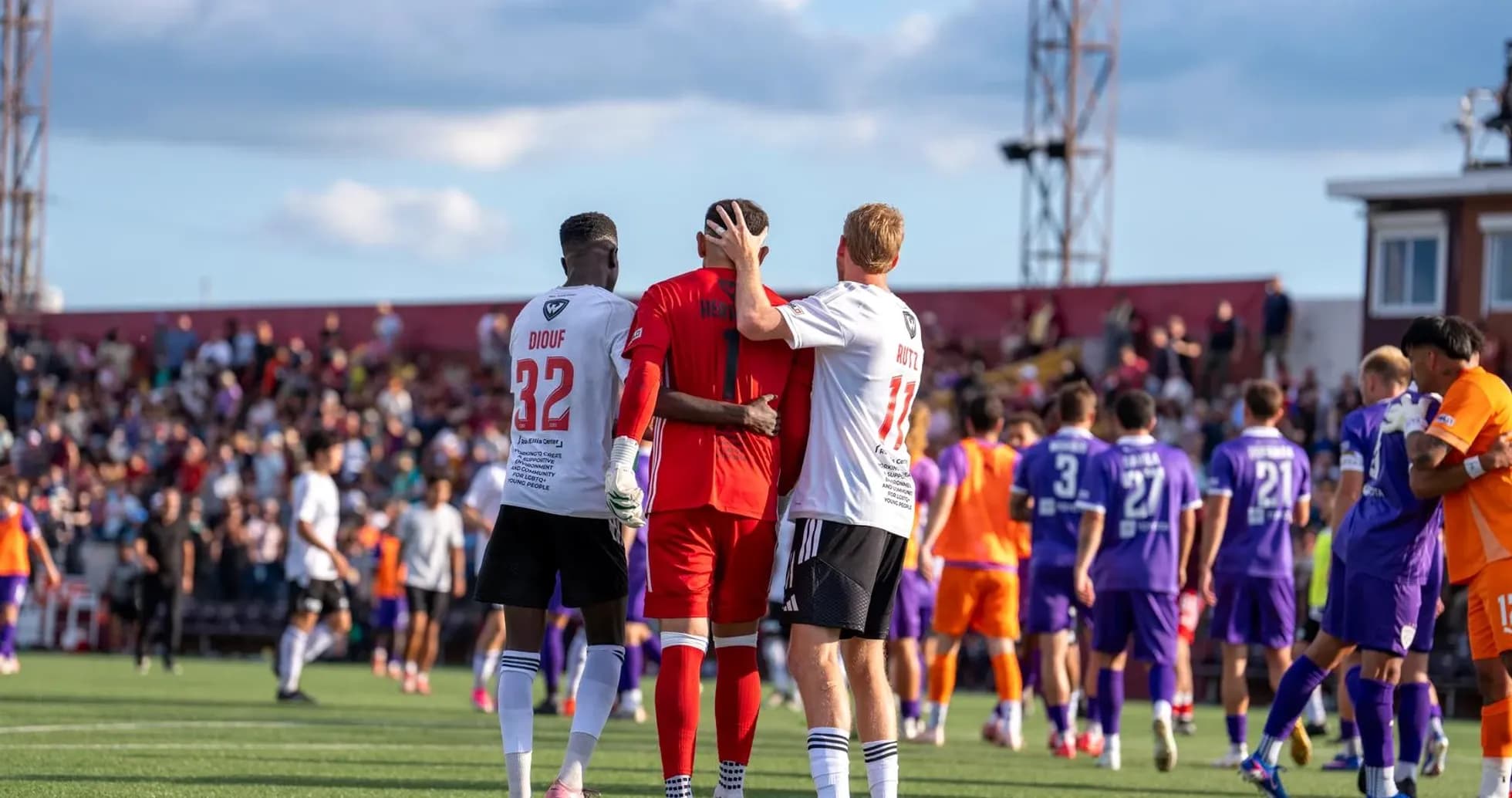
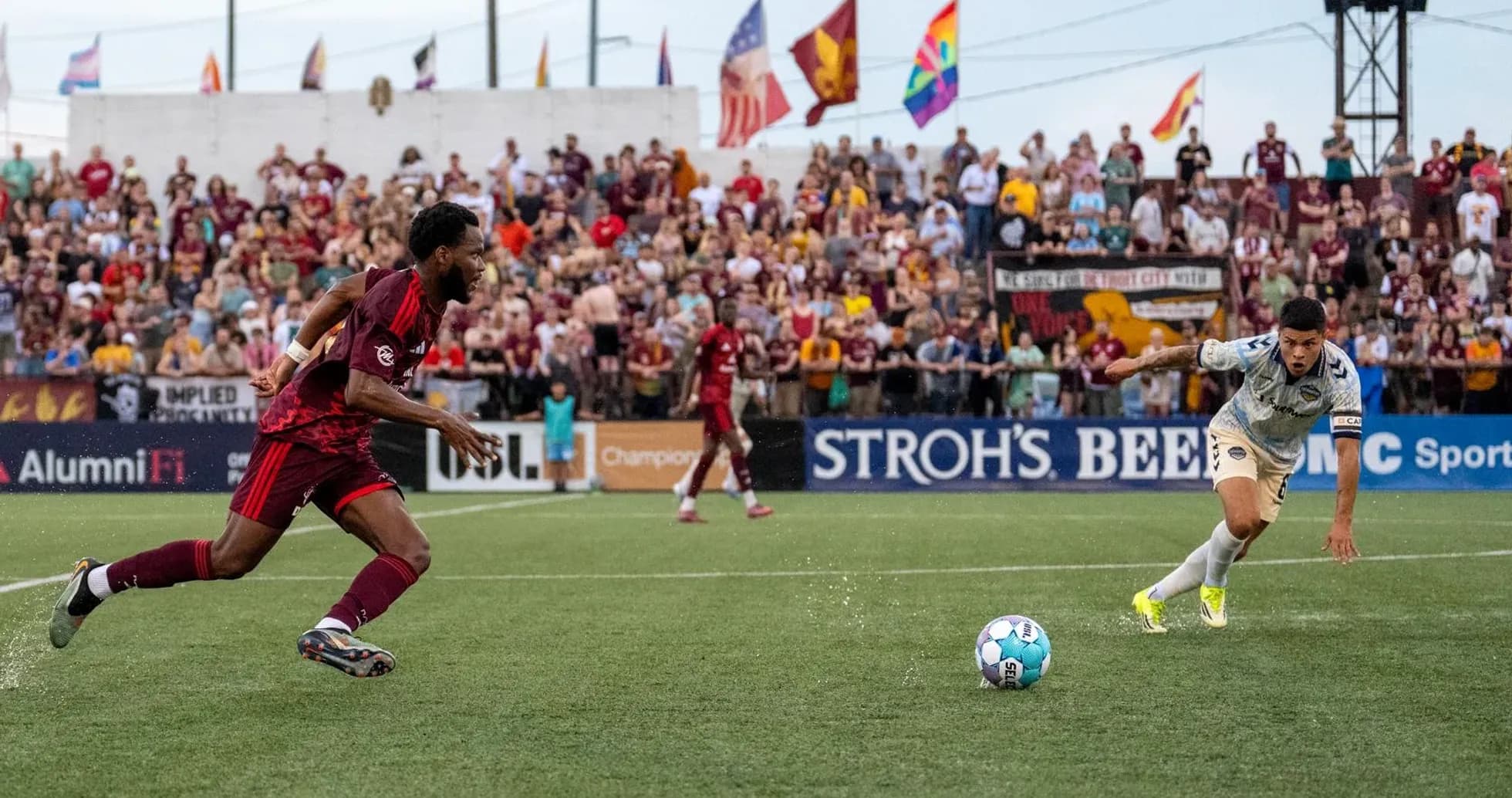
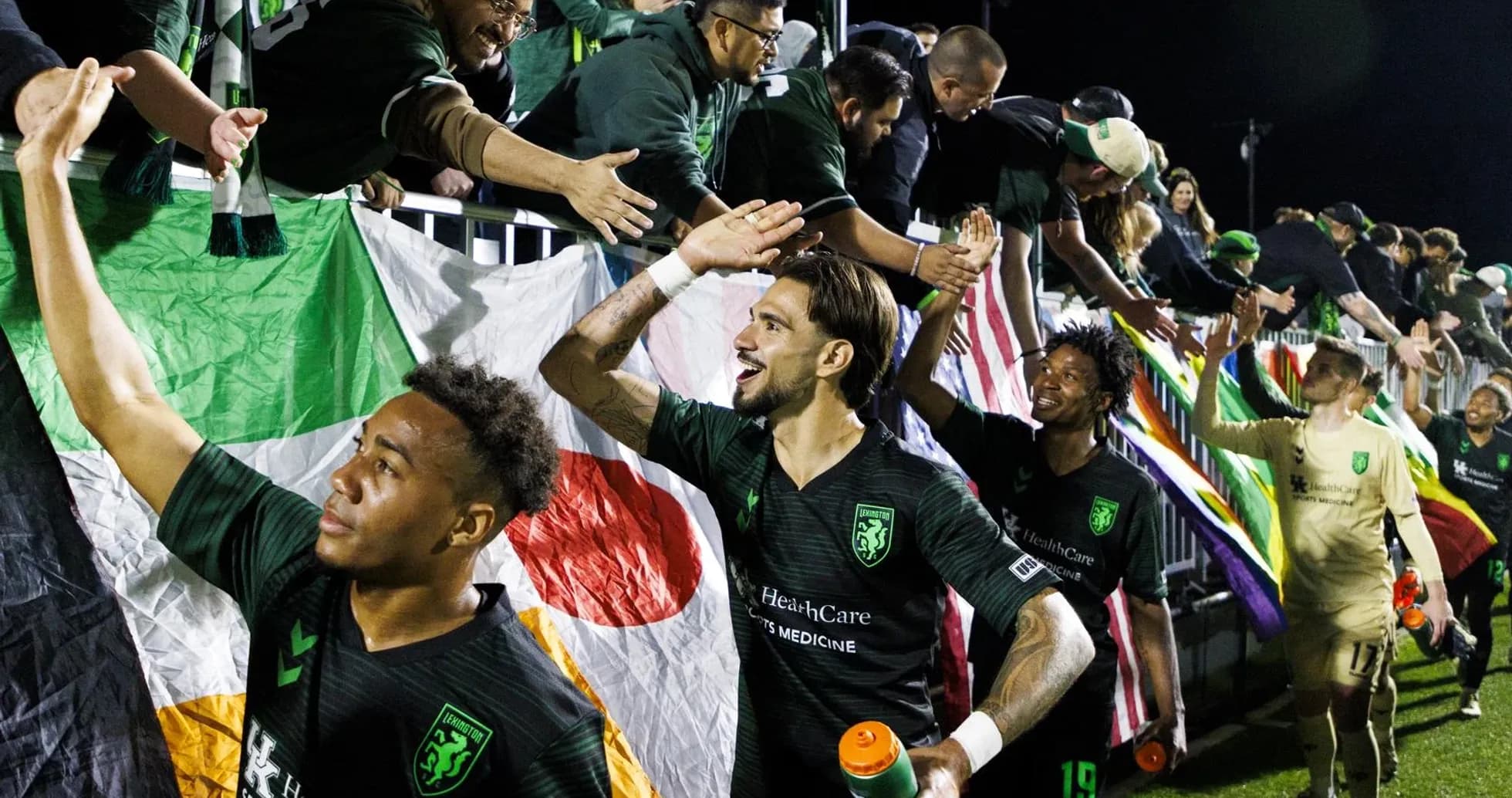
Toyota Stadium under the lights, a Group Stage tie in the USL League One Cup that refused to find a goal in 120 minutes, and then a razor‑thin penalty shootout: Lexington 0–0 Indy Eleven, decided 6–7 from the spot. Following this result, the two squads walk away with very different emotions but a shared sense of how fine the margins are at this level.
I. The Big Picture – Two Attacking Identities, One Goalless Night
Heading into this game, Lexington had been one of the more open, front‑foot sides in the competition. Overall they had played 3 fixtures, winning 2 and losing 1, with 6 goals scored and 4 conceded. At home they were averaging 2.0 goals for and 1.5 against; on their travels they were also at 2.0 goals for but only 1.0 against. The season’s goal difference overall sat at +2, built on attacking intent but with defensive vulnerability.
Indy Eleven arrived with an even stronger overall defensive record. Across 4 fixtures they had 7 goals for and 4 against, for an overall goal difference of +3. At home they were averaging 1.5 goals scored and 1.0 conceded; away from home, 2.0 scored and 1.0 conceded. Clean sheets both at home and away (2 overall) underlined a side comfortable without the ball and confident in their structure.
Yet at Toyota Stadium, those attacking numbers were swallowed by tension. A fixture officially recorded as “Finished after the penalty shootout” told the story: two teams whose seasonal DNA leans toward goals instead produced a chess match, each wary of the other’s capacity to strike.
II. Tactical Voids and Discipline – Where the Edges Were Missing
There were no listed injuries or suspensions in the data, so both coaches, Masaki Hemmi for Lexington and Sean McAuley for Indy Eleven, had close to full decks. The “voids” here were more tactical than personnel‑driven: neither side’s usual attacking rhythm quite translated into clear chances.
Lexington’s season‑long disciplinary pattern hints at a side that plays on the edge. Overall, their yellow cards are spread but with notable spikes: 22.22% of their cautions come between 31–45 minutes, another 22.22% between 46–60, and a further 22.22% between 76–90. That late‑game band, from 76–90 minutes, is especially telling: they often end matches in a high‑intensity, high‑risk mode.
Indy Eleven’s yellows are similarly front‑foot but slightly more controlled. Overall, 22.22% of their cautions come in the 16–30 window, 22.22% between 31–45, and another 22.22% from 61–75. Only 11.11% fall in the 76–90 period, suggesting that while they compete aggressively in the middle phases, they tend to manage the closing stages with a touch more composure.
In a knockout‑style environment where penalties loom, that discipline matters. Over the season, Lexington have taken 8 penalties overall, scoring 6 for a 75.00% success rate and missing 2. Indy Eleven have also taken 8, scoring 7 for an 87.50% success rate and missing 1. Those margins, small on paper, loomed large when the shootout arrived—and ultimately aligned with the outcome: Indy’s slightly surer record from the spot translated into a 7–6 edge.
III. Key Matchups – Hunter vs Shield, Engine Room vs Enforcer
Without top‑scorer and assist tables, the “Hunter vs Shield” narrative here is collective rather than individual. Lexington’s attack is built around a fluid front line: M. Epps and B. P. Rodrigues flanking the creative presence of Nick Firmino and M. Adedokun, with A. Molloy and B. Ferri providing the links from midfield. This group underpins that 2.0 overall goals‑per‑game figure, especially at home where their biggest win has been 4–2.
Indy’s “Shield” is a unit anchored by R. Charles‑Cook in goal and a defensive line of L. Neidlinger, M. Rasheed, P. Craig, and H. Barry. Heading into this fixture, Indy had conceded just 4 goals overall across 4 matches, with an overall average of 1.0 against both home and away and 2 clean sheets. Their back line is supported by a hardworking midfield including M. Omar, B. Rendon, J. O’Brien, and N. Okello, capable of compressing space and slowing Lexington’s combinations between the lines.
In the “Engine Room,” Lexington leaned on Molloy and Ferri to dictate tempo, recycle possession, and spring the attacking quartet. Indy responded with the physical and positional presence of Okello and the intelligence of O’Brien, looking to disrupt Lexington’s build‑up before it could feed the front three. That duel in central zones went a long way toward explaining the stalemate: Lexington could not consistently break lines, and Indy rarely managed to transition those regains into sustained pressure.
On the flanks, X. Zengue and J. Greene were tasked with containing Indy’s wide threats and supporting Lexington’s own wingers. For Indy, K. Williams and D. Sing offered vertical runs and pressing triggers, but they were largely kept at arm’s length by A. Ordonez, J. Brown, and the rest of Lexington’s back line, marshaled by O. Semmle in goal.
IV. Statistical Prognosis – What This Shootout Tells Us
From an analytical standpoint, this was an outlier: two sides averaging 2.0 and 1.8 goals scored overall, respectively, locked at 0–0 over 120 minutes. In xG terms, one would expect both to generate enough to score at least once, but the defensive structures and the context of a decisive group‑stage tie pushed the match toward caution.
Indy Eleven’s overall defensive solidity—1.0 goals against on their travels, 2 clean sheets in 4 fixtures—and their superior penalty conversion rate provided the edge in the margins. Lexington’s season‑long failure to keep a clean sheet before this night (0 overall) makes this shutout a positive defensive step, but their 2 missed penalties overall foreshadowed the cruel twist of a 6–7 defeat from the spot.
Following this result, the narrative is clear: Lexington remain an expansive, high‑ceiling side that must sharpen both their penalty execution and late‑game discipline, while Indy Eleven confirm their identity as a compact, resilient cup team whose calm from 12 yards can tilt finely balanced ties in their favor.