Tuchel Reflects on England's World Cup Collapse
Anthony Gordon’s goal was supposed to be the moment. The one that launched England towards a World Cup final. Instead, it became the high point before everything fell apart under a blue-and-white storm.
Argentina’s late surge ripped through the Three Lions and, in the days that followed, the inquest began. At first, the England manager pointed to an old national flaw: an inability to keep the ball when it mattered most. It sounded like a diagnosis of English football’s DNA.
Now he says he was wrong.
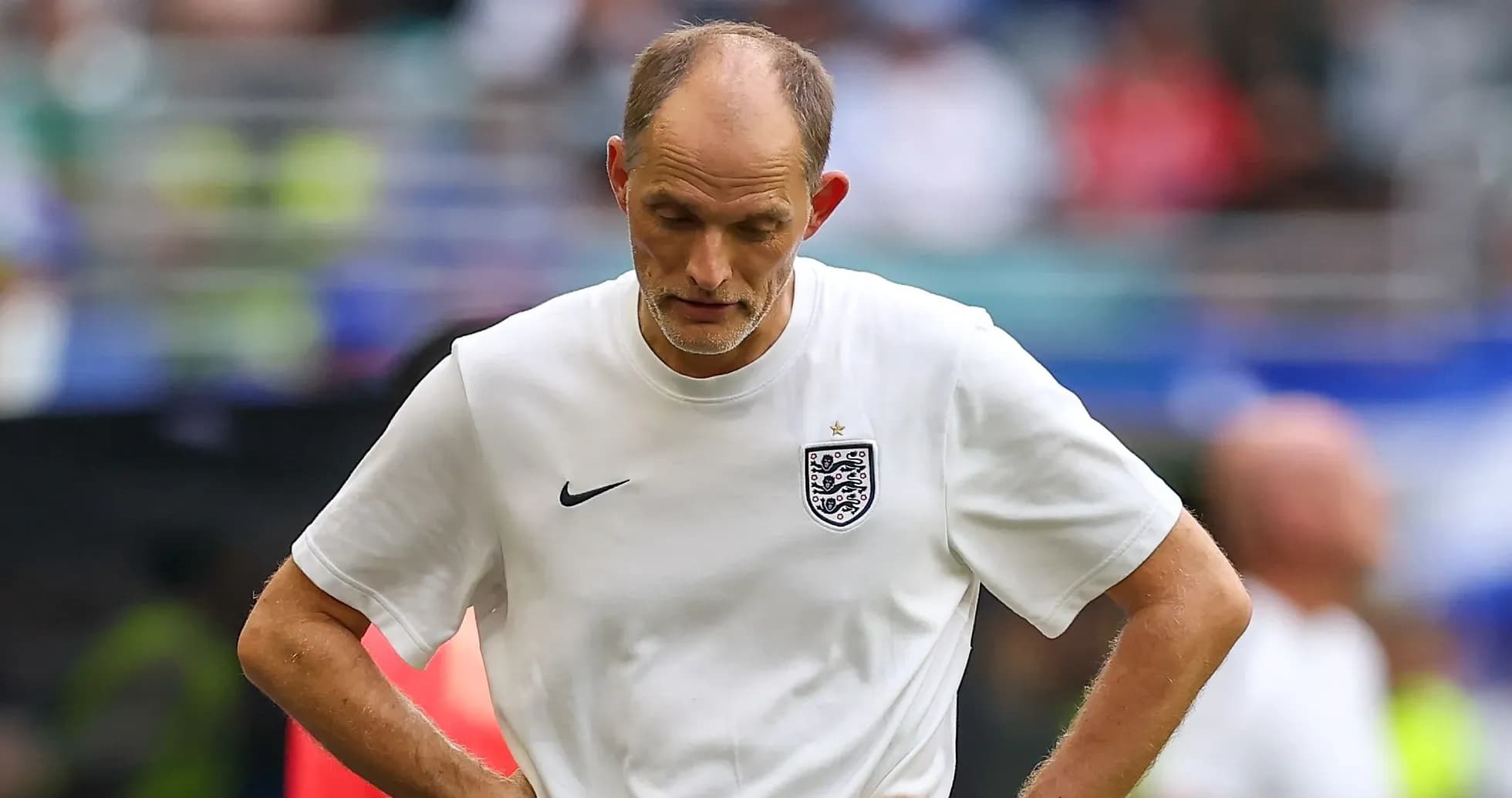
On the FA’s documentary Reflections: England's World Cup Journey, Thomas Tuchel lays the blame squarely at his own feet. Not on the culture. Not on the players. On a decision made in the heat of a game that was slipping away.
He remembers the moment the fear set in.
“We conceded a chance just before the water break. I thought we will not survive. This is death,” Tuchel recalled. “I thought: ‘OK, let’s change to a back five, a 5-4-1.’ It was too early for that mindset.”
That shift – a retreat into a defensive shell – handed Argentina the initiative and, with it, England’s fate.
‘It’s my scar, the players’ scar’
Time has not dulled the pain. Tuchel admits he still cannot bring himself to sit through the full 90 minutes.
Speaking from St George’s Park, he described finally forcing himself to watch only brief clips of the collapse with his staff.
“Agony of epic proportions. I watched the clips with my coaches just last week when we were at SGP,” he said. “My mind always works forward, forward. Painful. I see it now for the first time from the commentators’ point of view. It’s my scar, the players’ scar, I have to live with it. No-one is hurt more than me. It is torture.”
The word hangs there: torture. Not just the defeat, but the knowledge that his own hand tightened the noose.
Tuchel spoke of a squad drained by a brutal schedule that had taken them across continents and climates – “It was Congo, Miami and Norway and then Mexico and altitude. We were super tired.” That fatigue fed the fear. The fear drove the change. The change invited Argentina on.
Once the back five went on the pitch, the tone of the night shifted.
The tackle that changed everything
Tuchel insists England were in the game. For 45 minutes, they traded blows with Argentina and held their own.
“You have to have football quality. We prepared so well. I think we did quite well in the first half, it was quite an even match and I felt we were there,” he said.
Then came the second half, and with it a single moment he cannot shake.
“The famous tackle of Djed Spence. And it did something to me, it did something to the players and it was a shift in the mindset. We played like we had four minutes left but there was half an hour left.”
From that point, England no longer played the game in front of them. They played the scoreboard. They played their nerves. They played the clock.
Tuchel’s decision to pull his side into a 5-4-1 only amplified that panic. England dropped off, lines sank, and Argentina sensed blood. A team built on brotherhood and mentality suddenly had to defend deep against a side that lives for chaos.
“We relied on our brotherhood, our mentality. Individual quality,” Tuchel said. “Argentina have that as well – brotherhood, mentality, they bring it all to the table and it means the world to them. Argentina played very, very quickly. They had nothing to lose.”
England, by contrast, had everything to lose and started playing like it.
Lessons from the wreckage
The comeback shattered England’s World Cup dream, but it did not end their tournament. Tuchel is quick to point out what came next: a response, not a surrender.
Despite the psychological blow of the Argentina defeat, England regrouped to claim third place with a win over France. It did not erase the trauma, but it did show something about the group he is building.
“You learn as a coach. You have to play as if it is 0-0. That includes me as well,” he said. “I have a lot of people who want to see my medal. We did not achieve what we wanted. But I am still very proud of what we achieved. These players will come back hungry.”
The scar will stay. So will the medal. One a reminder of what slipped away, the other of how far England still came.
The real question now is simple: when this team returns to the biggest stage, will that night against Argentina haunt them – or harden them?