Tottenham 1–1 Leeds: Premier League Struggle Continues
Tottenham 1–1 Leeds at the Tottenham Hotspur Stadium leaves both sides largely treading water in the lower half of the Premier League table. Tottenham, starting the night in 17th, take a point that edges them away from immediate danger but does little to ease relegation concerns, while mid‑table Leeds, 14th before kick-off, miss the chance to create more daylight between themselves and the pack below.
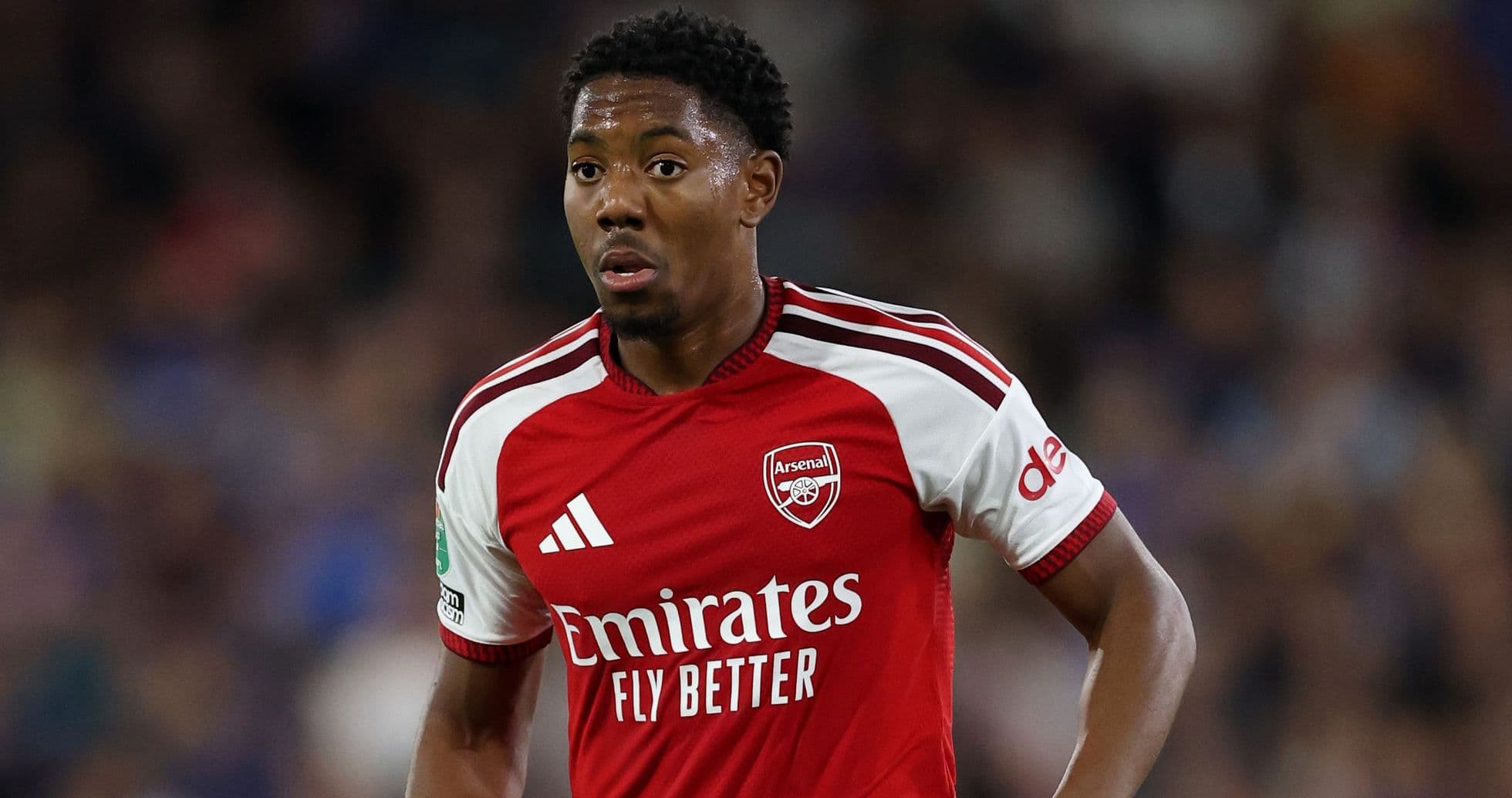
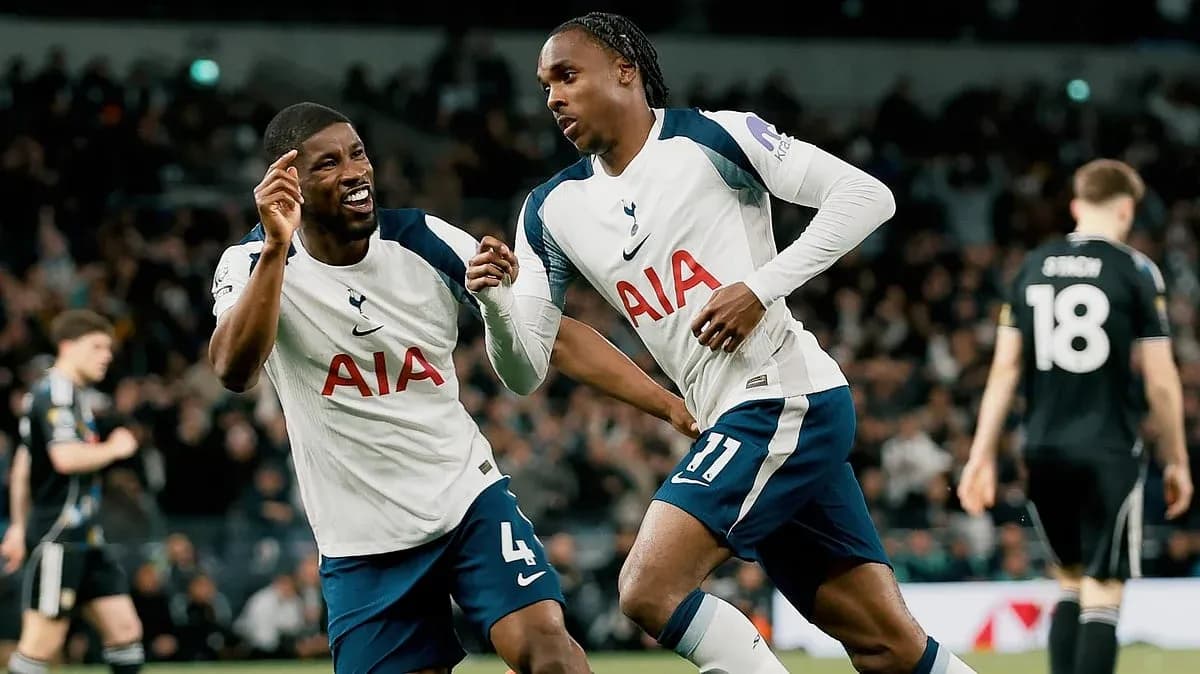
Tottenham’s first flashpoint came on 41 minutes when Kevin Danso was booked for tripping, a sign of the home side’s increasing desperation to disrupt Leeds transitions after an even opening period. Five minutes after the interval, Spurs finally found a breakthrough: in the 50th minute Mathys Tel struck with an unassisted effort, capitalising on space around the Leeds box to put the hosts 1–0 up.
Leeds responded by reshaping their back line. In the 56th minute, Sebastiaan Bornauw replaced Pascal Struijk, adding fresh legs to the visitors’ defence. On 63 minutes Daniel Farke doubled down on the attacking adjustment with a double change: Lukas Nmecha replaced Brenden Aaronson to provide a more direct presence up front, while Wilfried Gnonto replaced Daniel James to inject pace and dribbling threat on the flanks.
Tottenham’s grip on midfield loosened as the game became more stretched, and Joã o Palhinha was booked for roughing in the 66th minute, underlining Leeds’ growing pressure. That pressure told in the 74th minute when Leeds won a penalty, converted by Dominic Calvert-Lewin for 1–1; it was a solo, unassisted strike from the spot that restored parity and shifted the momentum towards the visitors.
Leeds then had their own disciplinary issue when Joe Rodon was shown a yellow card for holding in the 79th minute, a necessary foul to halt a Tottenham break. Roberto De Zerbi sought to regain control in midfield on 81 minutes as Lucas Bergvall replaced Rodrigo Bentancur, adding energy in the centre of the pitch.
Two further Spurs changes followed in the 85th minute, both aimed at refreshing wide areas and creativity. James Maddison replaced goalscorer Mathys Tel, offering more passing range between the lines, while Djed Spence replaced Destiny Udogie to provide fresh legs at full-back. Leeds made their final change deep into stoppage time, with Sean Longstaff replacing Ao Tanaka in the 90+3rd minute to add late midfield security. The final notable incident came in the 90+5th minute when Tottenham head coach Roberto De Zerbi was shown a yellow card on the touchline, reflecting the tension of a contest that neither side could ultimately force their way to win.
Fixture Statistics & Tactical Audit
- xG (Expected Goals): Tottenham 1.32 vs Leeds 1.26
- Possession: Tottenham 57% vs Leeds 43%
- Shots on Target: Tottenham 3 vs Leeds 4
- Goalkeeper Saves: Tottenham 3 vs Leeds 1
- Blocked Shots: Tottenham 6 vs Leeds 1
The underlying numbers point to a broadly fair draw. Tottenham edged xG (1.32 vs 1.26), had more of the ball (57% possession) and generated a higher volume of attempts, especially through blocked efforts in and around the box (6 blocked shots vs 1), which suggests Leeds spent long spells defending their area. However, Leeds actually forced more efforts on target (4 vs 3), demanding three saves from Antonín Kinský compared with just one from Karl Darlow, indicating that the visitors fashioned the clearer, more efficient chances when they did attack (4 shots on target from 11 total). Spurs’ territorial dominance and set-piece volume (14 corners vs 2) did not translate into a decisive superiority in chance quality, which aligns with the 1–1 scoreline being a reasonable reflection of the balance of play.
Standings Update & Seasonal Impact
Tottenham began the night on 38 points with a goal difference of -9, having scored 46 and conceded 55 across 36 matches. The 1–1 draw moves them to 39 points, with 47 goals for and 56 against, leaving their goal difference unchanged at -9. They remain in 17th place, still hovering just above the relegation zone, and the single point does little to open a decisive gap to the clubs below in the survival battle.
Leeds started on 44 points with a goal difference of -5 (48 scored, 53 conceded). The draw lifts them to 45 points, with 49 goals for and 54 against, maintaining their goal difference at -5. They stay 14th and consolidate their mid-table status, but the failure to turn a marginal xG deficit and a slight edge in shots on target into victory means they miss an opportunity to push closer to the upper mid-table pack and fully remove themselves from any lingering mathematical relegation concerns.
Lineups & Personnel
Tottenham Actual XI
- GK: Antonín Kinský
- DF: Pedro Porro, Kevin Danso, Micky van de Ven, Destiny Udogie
- MF: Joã o Palhinha, Rodrigo Bentancur, Randal Kolo Muani, Conor Gallagher, Mathys Tel
- FW: Richarlison
Leeds Actual XI
- GK: Karl Darlow
- DF: Joe Rodon, Jaka Bijol, Pascal Struijk
- MF: Daniel James, Anton Stach, Ethan Ampadu, Ao Tanaka, James Justin
- FW: Dominic Calvert-Lewin, Brenden Aaronson
Expert's Post-Match Verdict
This was a match defined by Tottenham’s territorial control against Leeds’ more selective but incisive attacking. De Zerbi’s Spurs side imposed themselves with higher possession (57%) and a flurry of set-pieces and blocked efforts (16 total shots, 6 blocked), but they struggled to convert that pressure into truly high-quality chances, as reflected by an xG of 1.32 and only three shots on target. The decision to introduce James Maddison and Djed Spence late on was a logical attempt to add creativity and width, yet by then Leeds had adjusted their structure and were largely comfortable defending their box.
Daniel Farke’s Leeds executed a pragmatic away game plan. Their mid-game substitutions — Bornauw for Struijk to stabilise the back three, followed by Nmecha and Gnonto to sharpen the counter-attacking edge — helped tilt the contest after falling behind. Generating four shots on target from just 11 attempts and matching Tottenham’s xG almost exactly (1.26 vs 1.32) points to efficient, well-constructed attacks rather than sustained pressure. Defensively, conceding only three shots on target despite Spurs’ volume of entries and corners indicates a compact, disciplined block (Tottenham 16 shots, but many from congested zones). Overall, it was neither a clinical attacking performance nor a defensive collapse from either side; instead, it was a controlled, cagey contest where both managers’ adjustments broadly cancelled each other out, and a draw was the logical outcome based on the balance of chances (xG 1.32–1.26, shots on target 3–4).