Sunderland and Manchester United Battle to a Stalemate at the Stadium of Light
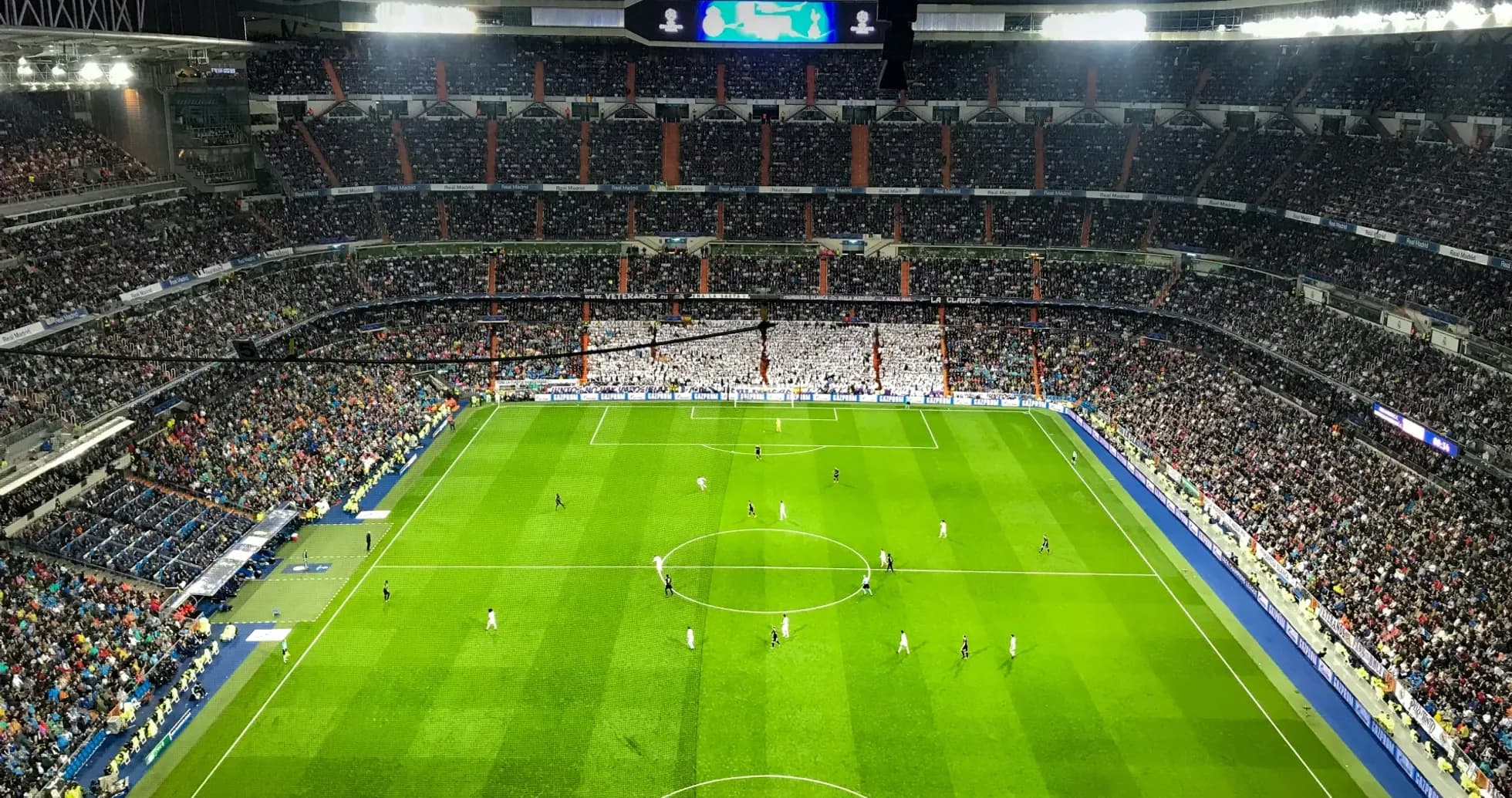
The Stadium of Light felt like a crossroads as Sunderland and Manchester United walked out under the grey May sky. Heading into this game, the table framed the narrative with brutal clarity: Sunderland in 12th on 48 points, United in 3rd with 65 and eyeing Champions League security. One side fighting to cement an impressive return to the Premier League, the other trying to prove their resurgence is more than a late-season flourish. Over 90 minutes, the 0-0 that followed was less a stalemate and more a tactical arm-wrestle between two clearly defined footballing identities.
Sunderland’s seasonal DNA is that of a stubborn, structurally disciplined mid-table side. Overall, they had scored 37 and conceded 46, a goal difference of -9 that speaks to competitive balance rather than collapse. At home they have been quietly efficient: 23 goals for and 19 against, with an average of 1.3 goals scored and 1.1 conceded at the Stadium of Light. Eleven clean sheets overall underline a team comfortable in long, attritional matches, and this fixture followed that script.
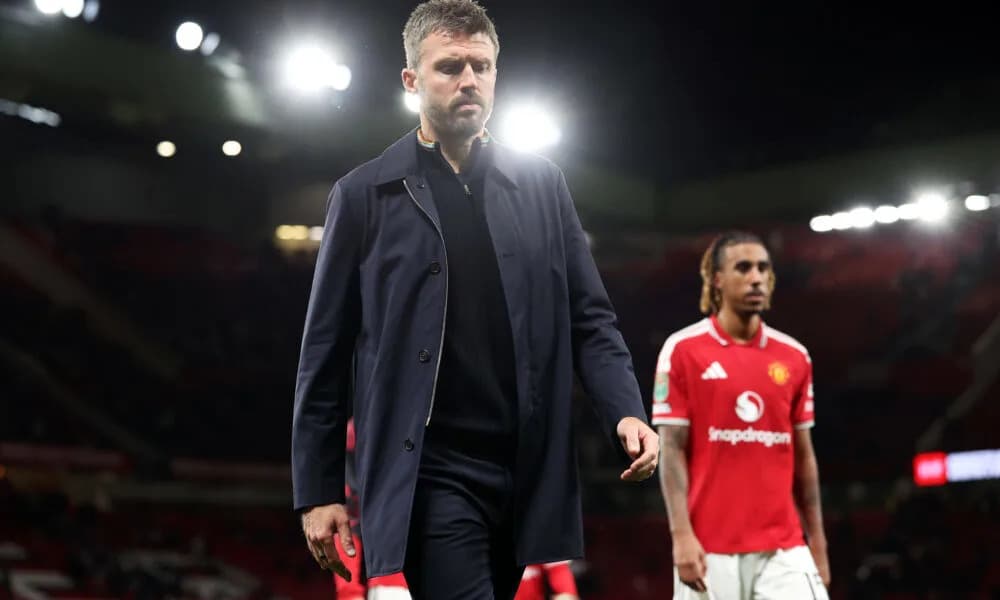
Manchester United arrived with a different profile: a top-end attack and a defence that can be got at. Overall they had 63 goals for and 48 against, a goal difference of 15. On their travels they averaged 1.5 goals scored and 1.4 conceded, a side that tends to open games up rather than close them down. Yet here, Michael Carrick’s team were dragged into Sunderland’s rhythm, their usual away cutting edge blunted by the home side’s structure and physicality.
The tactical voids created by absences were significant on both sides. Sunderland were without Daniel Ballard through suspension after a red card, and without the direct threat of R. Mundle due to a hamstring injury. That forced Regis Le Bris to lean fully into a back line built around Lutsharel Geertruida, Nordi Mukiele, Omar Alderete and Reinildo Mandava. Reinildo, who has already seen red this season, brought his trademark aggression to the left, while the absence of Ballard’s aerial dominance demanded cleaner positional play rather than pure duelling.
For United, the missing spine pieces were equally telling. Benjamin Šeško, their 11-goal striker in the league, was out with a leg injury, and Matthijs de Ligt’s back problem removed a first-choice organiser from the back line. In Šeško’s absence, Joshua Zirkzee led the line, supported by a band of technicians in Mason Mount, Kobbie Mainoo, Amad Diallo, Bruno Fernandes and Matheus Cunha. It was a front unit built more for combination play than penalty-box brutality, and Sunderland’s centre-backs were happy to defend space rather than survive an aerial bombardment.
Disciplinary trends also hovered over the contest. Sunderland’s season-long yellow-card distribution shows a pronounced spike between 46-60 minutes at 23.38%, a warning that their intensity after half-time often tips into rashness. United, too, peak in that same 46-60 window with 21.31% of their yellows, and carry a genuine red-card risk there: 66.67% of their reds have come in that period. This fixture, then, always threatened to hinge on who managed that post-interval storm better. The fact it ended 0-0 owed as much to controlled aggression as it did to defensive organisation.
On the pitch, the “Hunter vs Shield” duel was subtly redefined by absences. Without Šeško, United’s top scorer on the season, the burden of penetration shifted to Cunha and the wide forwards. Cunha, with 9 league goals and a reputation for relentless dribbling, drifted between the lines, probing a Sunderland defence that, at home, concedes on average only 1.1 goals. Sunderland’s shield was collective rather than individual: Mukiele’s athletic recovery work, Alderete’s penalty-area defending, and Geertruida’s calm interventions formed a compact block that never allowed Zirkzee or Cunha consistent touches in prime zones.
Engine Room Battle
The “Engine Room” battle, however, was where the game truly lived. For Sunderland, Granit Xhaka and Enzo Le Fée orchestrated the tempo. Xhaka, with 6 assists this season and 1,684 completed passes at an 83% accuracy rate, played as the metronome, switching play and absorbing United’s press. Le Fée, with 5 assists and 48 key passes, added verticality, looking to thread early balls into Brian Brobbey’s feet or into the channels for Chemsdine Talbi and Trai Hume to attack.
Opposite them, Bruno Fernandes was the undisputed conductor of United’s attacking ideas. Heading into this game he led the league’s assist charts with 19, backed by a remarkable 125 key passes and 1,881 total passes at 82% accuracy. Every United attack seemed to pass through his boots, whether dropping deep alongside Mainoo to escape Sunderland’s first line, or drifting into the right half-space to combine with Amad Diallo and Mazraoui. Yet Sunderland’s midfield triangle tracked him relentlessly, often forcing him to shoot from distance rather than slide runners in behind.
Casemiro’s absence from the XI reshaped the dynamic. His season numbers – 9 goals, 2 assists, 88 tackles, 27 blocked shots – mark him as both destroyer and late-arriving threat. Without him, United’s midfield had more technical fluency but less bite. Sunderland, who already know how to live on the edge of the disciplinary line with Trai Hume’s 9 yellows and Reinildo’s red, were emboldened to step higher and contest second balls aggressively, confident that there was no pure enforcer to bully them physically.
From a statistical prognosis point of view, this was a meeting between a home side that often struggles to score freely but defends well, and an away side that usually finds goals but concedes almost as often. Sunderland have failed to score in 13 matches overall this season; United have only 7 clean sheets overall. The goalless outcome, then, represents a tilt toward Sunderland’s preferred game-state rather than United’s. In xG terms, one would expect United’s 1.8 goals per game overall and Sunderland’s 1.0 to produce a narrow away edge, but the structural context – Sunderland’s home solidity, United’s missing striker, and the tactical discipline of Le Bris’s block – likely compressed the xG gap.
Following this result, the story is not of missed penalties or wild swings, but of two systems cancelling each other out. Sunderland proved again that their mid-table status is built on organisation and a fiercely competitive engine room. United, for all their attacking talent and Bruno Fernandes’s creative brilliance, were reminded that without their primary finisher and with a slightly softer midfield core, their xG superiority can be neutralised by a well-drilled, emotionally controlled opponent in a hostile stadium.