Sunderland Breaks Premier League Hoodoo with Late Victory
Álvaro Arbeloa stood still at the end, staring into the middle distance, replaying it all in his head. On the opposite touchline, Régis Le Bris simply exhaled. Relief, more than joy. A tight, anxious game had been cracked open not by a grand tactical masterstroke, but by two substitutes seizing a moment Sunderland had been threatening – and failing – to grasp all afternoon.
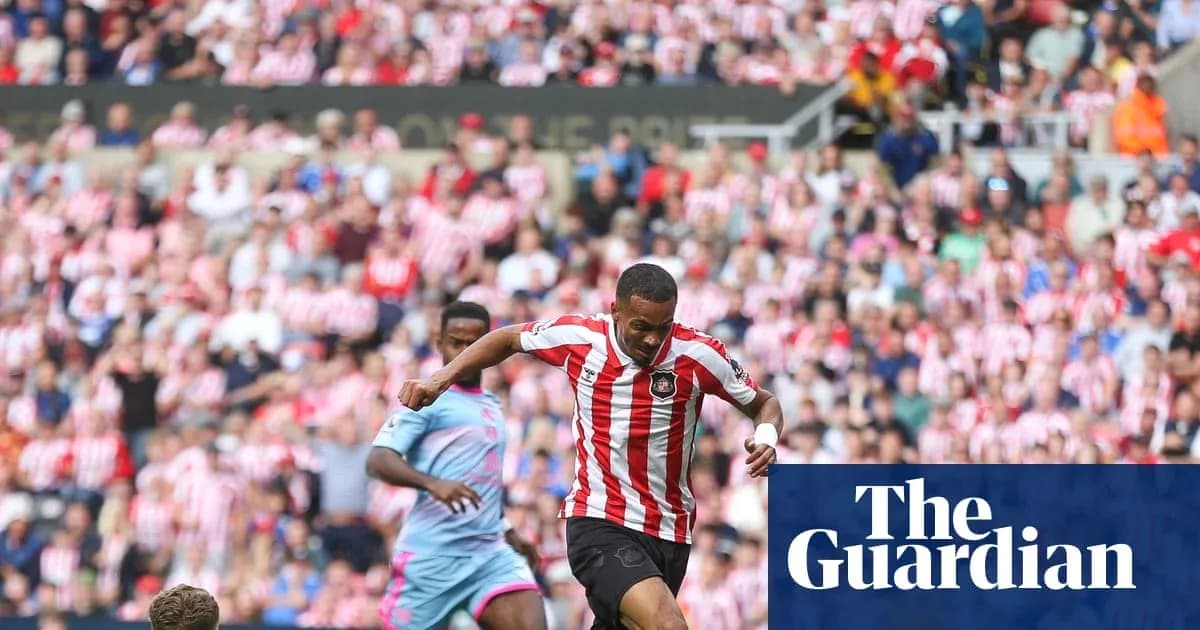
Habib Diarra and Wilson Isidor stepped off the bench and changed the mood of a stadium. One cross, one ruthless finish, and Sunderland finally had their first win of the season. Fulham, still pointless, trudged away. A 17-year Premier League hoodoo against this opponent was gone in a flash of pace and precision.
Sunderland’s slow burn
The first half was not one for the showreel. Caution hung over the contest. Both sides seemed more worried about losing than eager to win, and the football reflected it.
What quality there was came from the middle of the pitch, and from one man in particular. Noah Sadiki ran the game. The Sunderland midfielder read danger early, snapped into tackles, and repeatedly shut down Fulham’s attempts to break. Every time the visitors thought they had found a pocket of space, Sadiki appeared to close it.
Fulham created almost nothing. Their one clear opening came when Alex Iwobi slipped Josh King into a tight angle. King tried to squeeze a shot inside the post but misjudged it, undone by the geometry. Robin Roefs barely had to move in the Sunderland goal.
Sunderland, for all their possession, were no more incisive. They moved the ball, probed, circled the box – and left Bernd Leno largely unemployed. The pattern was clear: plenty of control, very little threat. By half-time, the stalemate felt entrenched, and both managers walked down the tunnel with more questions than answers.
For Kyril-Louis Dreyfus, watching on, the evidence was stark. Le Bris wants a specialist right-winger and another striker before the window closes. This 45 minutes underlined exactly why.
Mukiele’s warning shot
At least Sunderland had one major positive: Nordi Mukiele back in central defence. His return after injury instantly stiffened the back line, and early in the second half he produced the game’s first real jolt.
Sander Berge split the defence with a superb through ball, Gonzalo García raced clear, and it looked a certain goal. Then Mukiele arrived, sliding in with perfect timing to smother the chance. It was a tackle that said as much about Sunderland’s resolve as any team talk.
García, who had scored in his first two competitive matches since joining from Real Madrid, suddenly found this back four far less accommodating. His runs were tracked, his space restricted. Fulham began to edge forward, though, sensing that Sunderland’s early control had ebbed away.
Le Bris saw it too. Rather than sit and hope, he rolled the dice.
The substitutes seize control
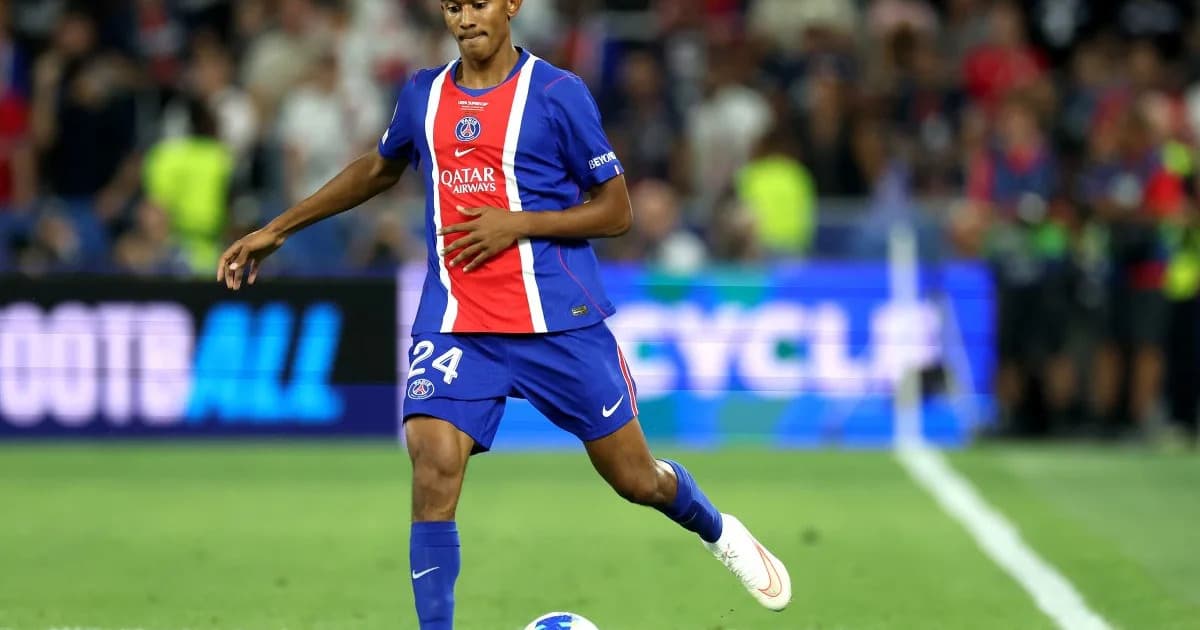
Nilson Angulo and Brian Brobbey had offered little. On came Diarra and Isidor, and with them a different tempo. Sunderland, flat for so long, suddenly played with urgency.
The first big chance fell almost immediately. Enzo Le Fée, quiet but always capable of a moment, whipped a glorious first-time ball across the face of goal. Isidor charged in. It looked harder to miss than score. Somehow, he clipped his shot against the base of the post. Le Bris sank to his knees. The stadium groaned.
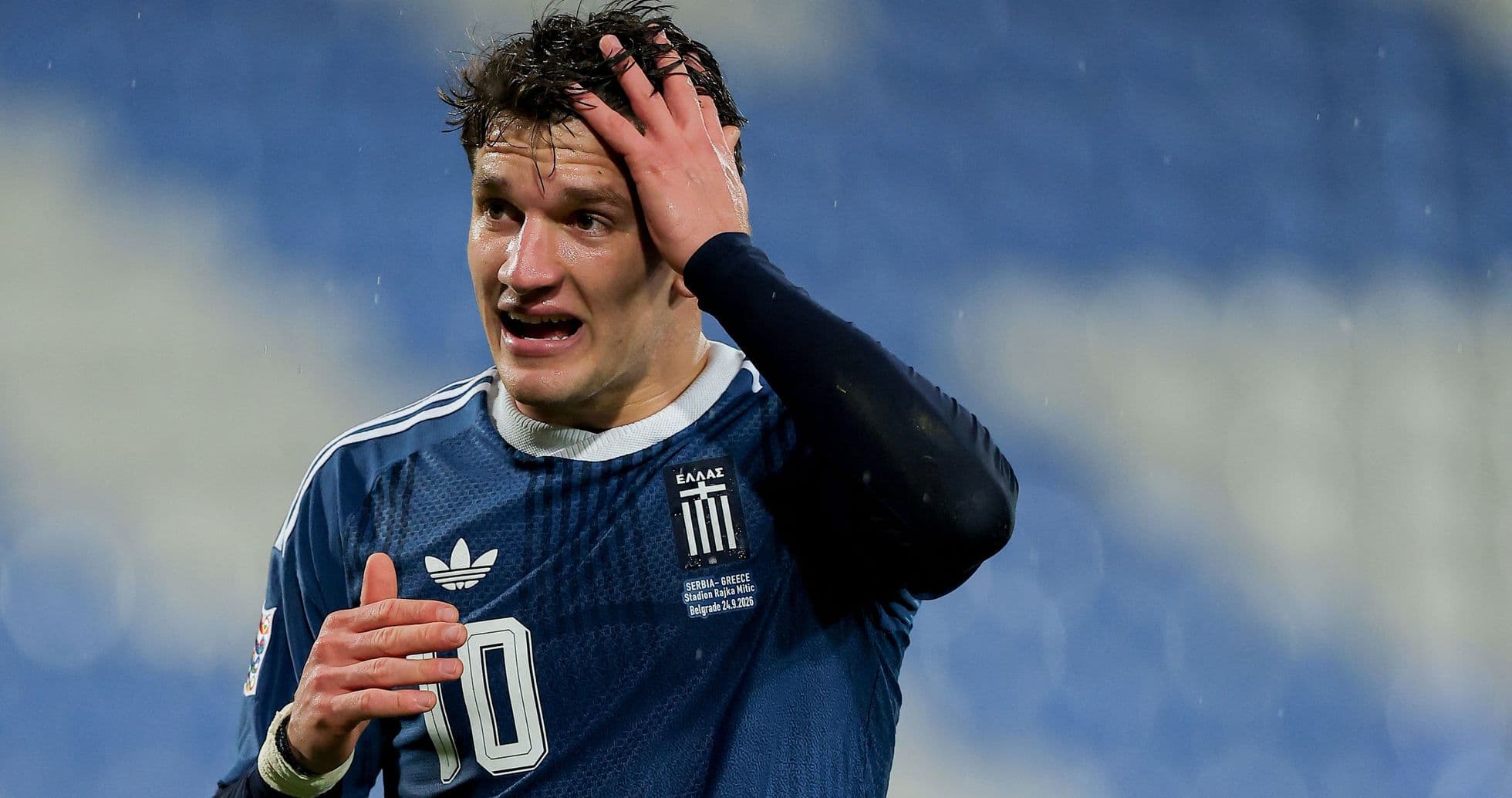
Isidor’s reaction told its own story. Head in hands, stunned, already living with the miss. But the game did not wait long to offer him a second chance.
Diarra, drifting into space and reading the gaps in Fulham’s high line, delivered another superb ball across the box. Isidor attacked it again. This time there was no hesitation, no doubt. He lashed a fierce, rising shot beyond Leno, the ball flashing past the goalkeeper before he could set himself.
One miss, one moment of redemption. Sunderland were in front. Fulham, punished for their aggressive line, had no immediate answer.
Job done, at a cost
Diarra and Isidor had turned the contest on its head, injecting life into a game that had threatened to drift into nothingness. Their energy and movement stretched Fulham in ways the starting forwards never had.
Diarra’s night, though, ended abruptly. An injury cut short his cameo and brought Chris Rigg into the fray. The momentum, by then, was already established. Sunderland had their lead, their belief, and a crowd suddenly alive to the possibility that this might be the day the long, frustrating run against Fulham finally ended.
By the final whistle, it had. No flourish, no avalanche of goals. Just one precise finish, one clean sheet, and three points that felt heavier than the scoreline suggested.
Diarra and Isidor had already done enough. Now the question is whether this is a one-off release of pressure, or the moment Sunderland’s season truly starts to move.