Spalletti Takes Blame as Juventus Lose Shape Against Sassuolo
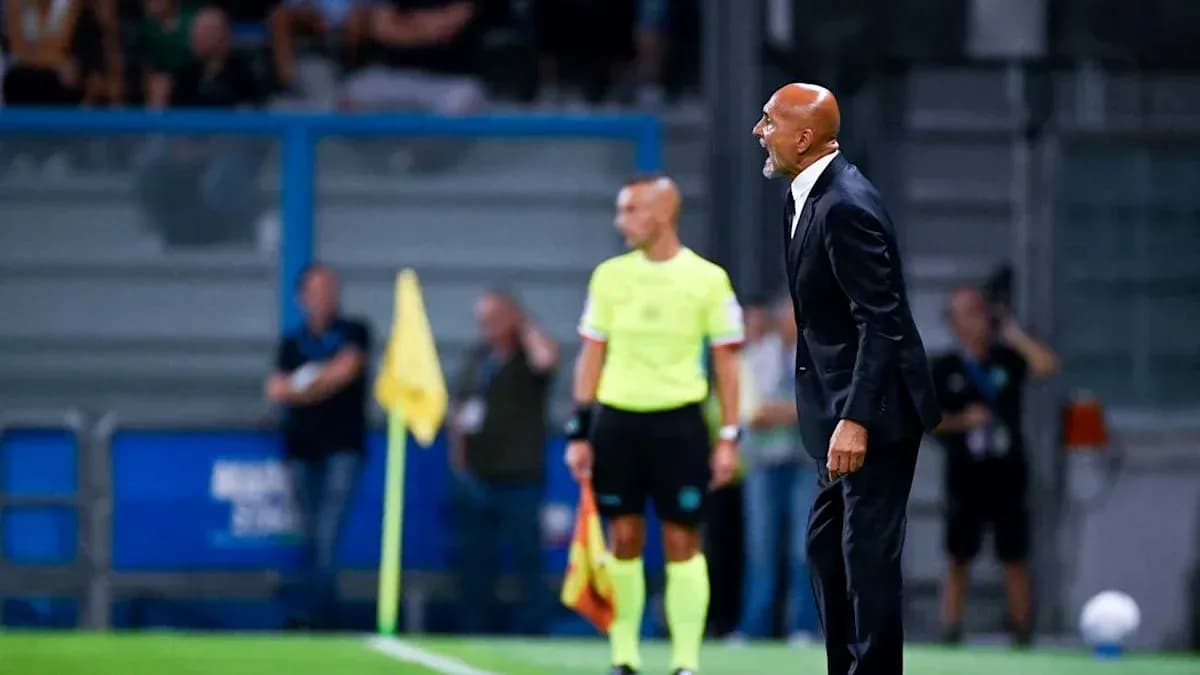
Luciano Spalletti did not hide. Not after a game like that.
Juventus had dragged themselves back into the contest at Sassuolo, wrestled control, and looked ready to leave with all three points. Then, in the closing stages, the structure that had underpinned the comeback simply vanished. Sassuolo pounced, and Juventus walked away with nothing.
“It hurts a lot because the guys deservedly turned the game around,” Spalletti admitted afterwards. “We lost our balance, and that's something you can't do.”
That word again: balance. It framed the entire post-match inquest.
Spalletti revealed he had urged his players to chase the win, to keep pushing, to refuse the safety of a draw. They listened. Maybe too much.
“The players tried to go and win it,” he said. “I was the one who pushed them to go and win this game, and perhaps they followed what I asked a little too literally, because in the end we had too many players pushing into the Sassuolo box.”
Juventus flooded forward, bodies streaming into the area, space opening up behind them. The intent was admirable. The outcome was brutal.
Spalletti, though, refused to criticise the mentality of his squad. He circled back to the motivation behind the collapse, insisting the defeat was born from ambition, not fear.
“You also have to take the positive intention from the team: we lost because we were giving all we could to win it and not draw,” he said. “Of course, there's definitely some responsibility on our part, but it all came from the desire to go and win the game.”
Between the lines, the coach was clear: he wanted courage, he got it, and he will carry part of the blame for how far his players pushed that instruction.
Vicario Echoes the Warning
Guglielmo Vicario stood in the same tunnel, sharing the same frustration. The goalkeeper’s words ran parallel to his coach’s, but with a sharper edge of regret.
“We're really disappointed,” he said. “I understand the desire to go and win the game because Juventus have an obligation to do that, but we lost our balance and it's something we'd spoken about during the week.”
That last part will sting inside the dressing room. This was not a new problem. It was a known risk, flagged in preparation, and still it surfaced when the game tilted their way.
The anger was not just about the defeat. It was about the timing of it, the sense that Juventus had done the hard part and then let it slip.
“There's regret and anger because the game had turned in our favour,” Vicario admitted. “We need to be a little more careful because we're a team with a lot of quality.”
Quality is not in doubt. The question now is whether Juventus can harness that attacking instinct without tearing holes in their own shape the next time a game hangs in the balance.