Sacramento Republic vs Monterey Bay: USL League One Cup Clash
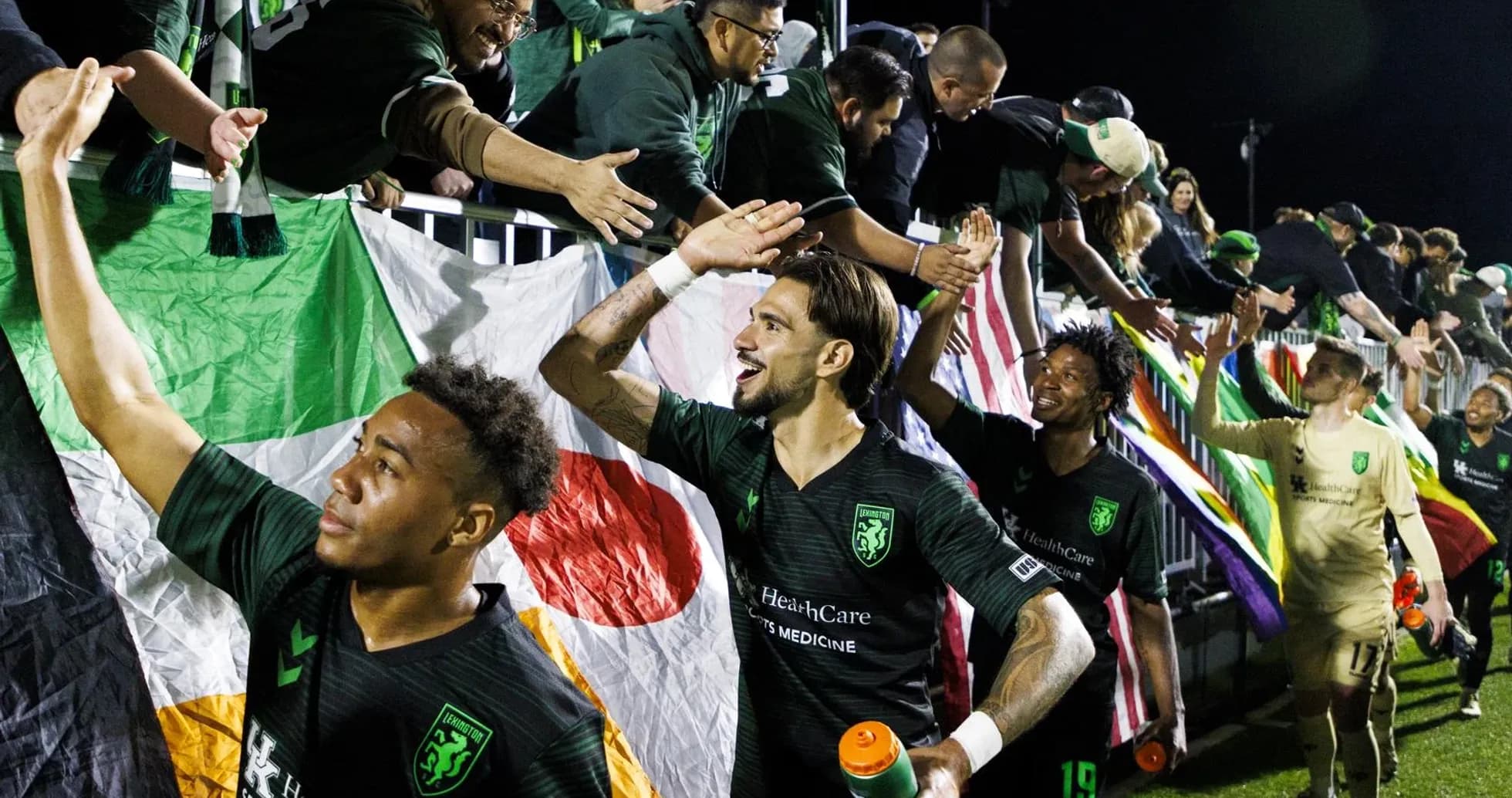
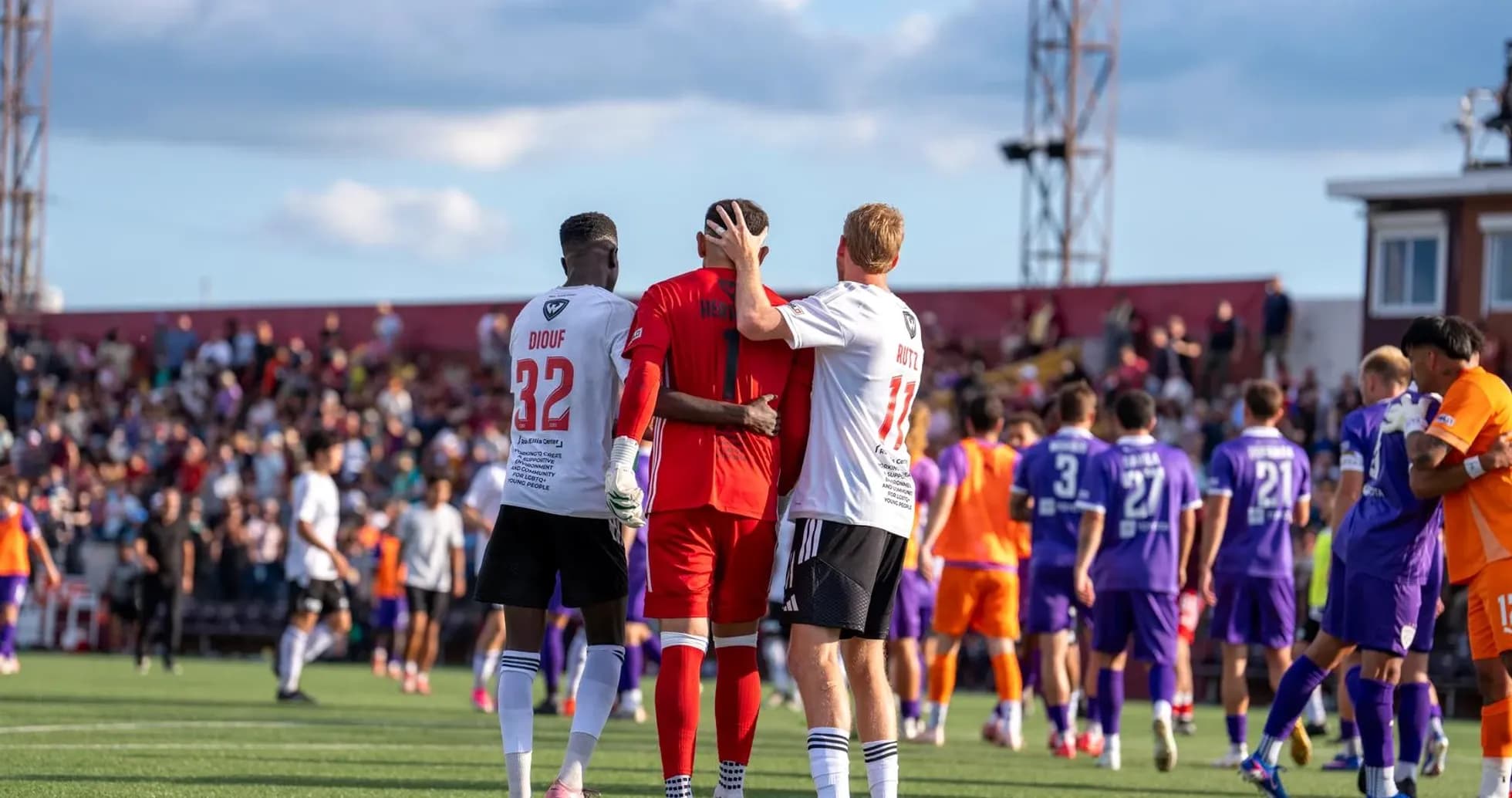
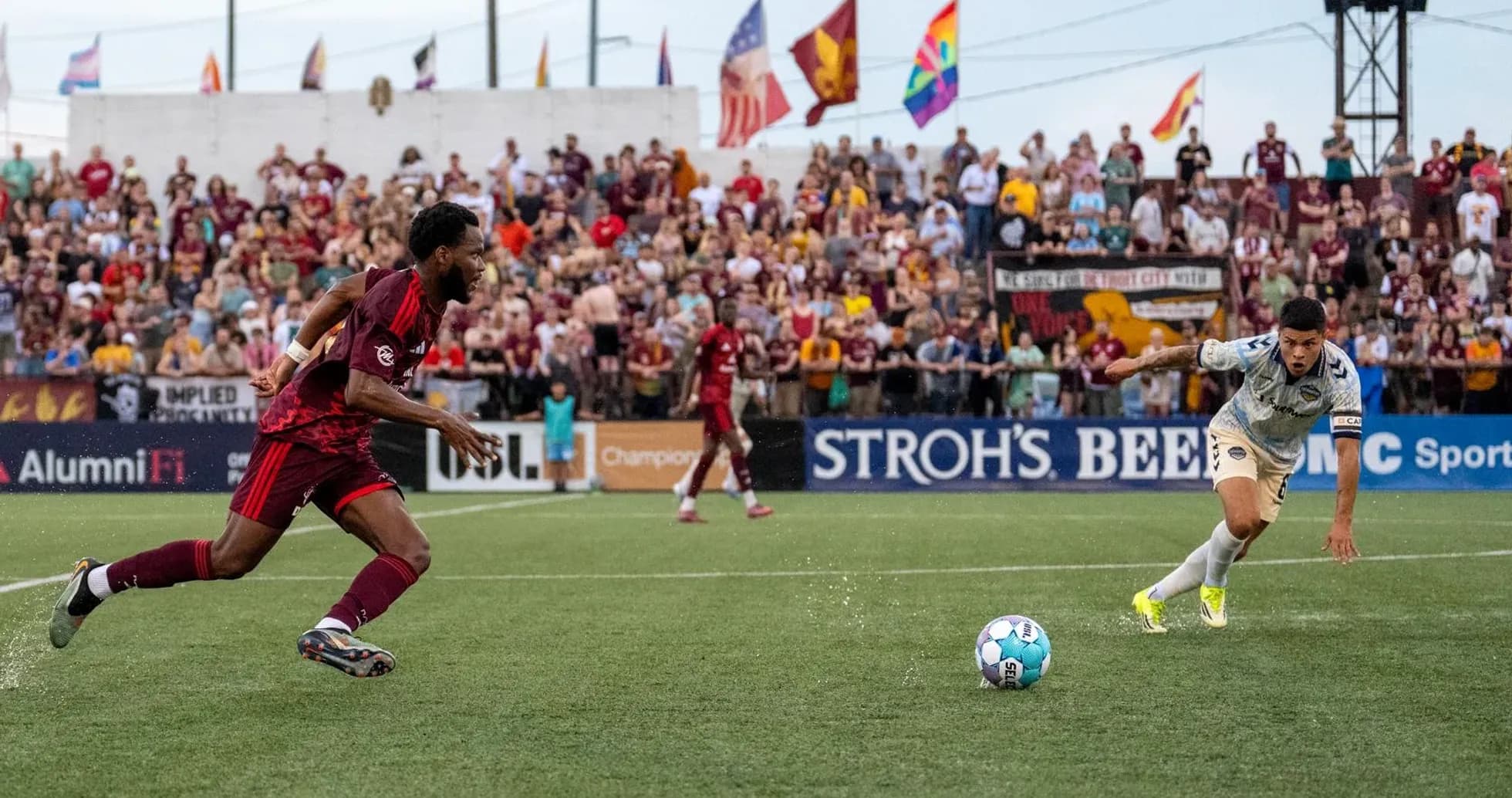
Under the lights at Heart Health Park, Sacramento Republic and Monterey Bay played out the kind of Group Stage tie that felt more like a knockout, decided only from the spot after 120 minutes and a 1–1 draw in normal time, with Sacramento prevailing 5–3 on penalties. Following this result in the USL League One Cup, the contrast in each club’s seasonal identity was sharpened rather than blurred: Sacramento as the ruthless, structured group leaders; Monterey Bay as the volatile, high-event outsiders.
I. The Big Picture – contrasting DNAs
Heading into this game, Sacramento were top of “USL Cup 2026, Group 1” on 8 points with a goal difference of 7, forged from 11 goals for and 4 against. That +7 overall goalDiff checks out cleanly: 11 scored minus 4 conceded. Their broader season numbers underline a side built on control. Overall, they had played 3 fixtures, winning all 3, with 7 goals for and just 1 against. At home, Sacramento were devastating: 2 matches, 2 wins, 6 goals scored and only 1 conceded, an average of 3.0 goals for and 0.5 against at Heart Health Park.
Monterey Bay arrived as something closer to chaos merchants. In their group table snapshot, they sat 5th with 3 points and a goalDiff of -2, rooted in 12 goals for and 14 against; again, 12 minus 14 gives that -2 precisely. Across 3 fixtures, they had won 1 and lost 2, scoring 6 and conceding 7 in the season stats set. On their travels, they were all-or-nothing: 2 away games, 0 wins, 0 draws, 2 defeats, with 4 goals scored and 6 conceded, an away average of 2.0 goals for but 3.0 against. Monterey’s football was open, risky, and often expensive.
This match, finishing level at 1–1 after 90 minutes and then decided 5–3 on penalties, felt like the meeting of a side accustomed to managing margins against one that thrives in disorder.
II. Tactical Voids and Discipline – where the cracks could have appeared
There was no explicit injury or absence list, so both coaches, Neill Collins for Sacramento and Jordan Stewart for Monterey Bay, appeared to have near-full decks. That made selection choices themselves the tactical voids: who would control tempo, who would stretch, who would absorb?
Sacramento’s season-long disciplinary pattern suggested a team that lives on the edge in the middle and late phases of halves. Their yellow-card distribution peaked between 31–45 minutes and again from 76–90 minutes, both windows accounting for 28.57% of their cautions. They also carried a red-card flashpoint early, with 100.00% of their reds coming between 16–30 minutes. Structurally disciplined, yes, but with emotional spikes when contests become most intense.
Monterey Bay’s card map was more evenly spread but no less telling. Overall, 25.00% of their yellows fell in each of the 0–15, 16–30, and 31–45-minute ranges, with 12.50% in both 46–60 and 61–75. The crucial red indicator came between 61–75 minutes, where 100.00% of their dismissals occurred. That framed a clear narrative: as matches enter the decisive third, Monterey’s aggression can tip into jeopardy.
In a 120-minute contest that required mental endurance, these disciplinary fingerprints mattered. The longer the tie stretched, the more likely Monterey were to flirt with self-damage, while Sacramento’s risk window clustered around late-half surges.
III. Key Matchups – Hunter vs Shield, and the Engine Room
Without explicit top-scorer data, the “Hunter vs Shield” duel in this fixture is best understood as collective profiles rather than individual headliners.
On one side stood Sacramento’s attack at Heart Health Park: 6 home goals from 2 games, at an average of 3.0. On the other, Monterey Bay’s away defence: 6 conceded in 2, an average of 3.0 against. The numbers aligned almost too neatly. Heading into this game, every 90 minutes in this competition projected Sacramento to score 3.0 at home and Monterey to concede 3.0 away. That made the battle between Sacramento’s forward line and Monterey’s back four the central axis of the night.
Collins’ starting XI hinted at a fluid, technically secure attacking structure. With M. Rodriguez (shirt 8), T. Wolff (16), D. Wanner (17), and K. Edwards (71) all in from the start, Sacramento had multiple lanes of progression between lines, supported by the double pivot presence of D. Crisostomo (27) and M. Kaye (18). Behind them, J. Gurr (2), J. Timmer (5), L. Desmond (4), and M. Benitez (22) formed a back line in front of goalkeeper D. Vitiello (1) that had conceded just 1 goal in 3 fixtures overall.
Monterey’s response was to crowd the central band and trust their own offensive volatility. S. Lletget (88) and G. Lomtadze (8) offered control and line-breaking passes, with N. Ross (4) anchoring. Ahead, J. Belmar (18), C. Nadje (19), and R. Bidois (9) gave Jordan Stewart pace and direct threat. The “Engine Room” battle between Sacramento’s Kaye–Crisostomo axis and Monterey’s Lletget–Lomtadze triangle was always likely to decide who dictated rhythm.
In pure “Hunter vs Shield” terms, Monterey’s attack – 2.0 goals per game both at home and away – was dangerous enough to test even Sacramento’s defensive record of just 0.3 goals against per match overall. That 0.3 figure, drawn from 1 conceded in 3 fixtures, underscored how rarely Vitiello’s line is breached.
IV. Statistical Prognosis – xG shadows and defensive solidity
We do not have explicit xG values, but the shot and goal profiles allow a reasoned projection. Sacramento’s overall goals-for average of 2.3 and goals-against average of 0.3 painted a picture of a side that consistently creates more than it concedes, particularly at home where they marry 3.0 goals for with 0.5 against. Monterey, by contrast, lived in high-variance territory: 2.0 goals for and 2.3 against overall, and on their travels, 2.0 for with 3.0 against.
In xG terms, Sacramento’s pattern suggests they tend to generate multiple high-quality chances while restricting opponents to low volumes or low-value shots. Monterey’s away numbers imply open contests where both sides get looks, but the defensive structure leaks too many big opportunities.
Overlaying the card distributions, the tactical forecast for future meetings between these squads is clear. Sacramento’s best attacking windows – when they push the tempo late in halves and lean into their home dominance – coincide with Monterey’s most fragile defensive and disciplinary phases, especially between 61–75 minutes, where Monterey are prone to red-card risk, and 31–45, where both sides historically flirt with cautions.
Following this result, Sacramento’s identity as the group’s benchmark is reinforced: a side whose defensive solidity and penalty composure (1 penalty taken in the season set, scored at 100.00%, plus a 5–3 shootout win here) make them formidable in tight, high-stakes games. Monterey Bay remain the wild card – capable of scoring in any stadium, but still searching for a defensive and emotional structure sturdy enough to survive nights like this without the margins finally turning against them.