Roberto Mancini's Ambitious Return to Italy's National Team
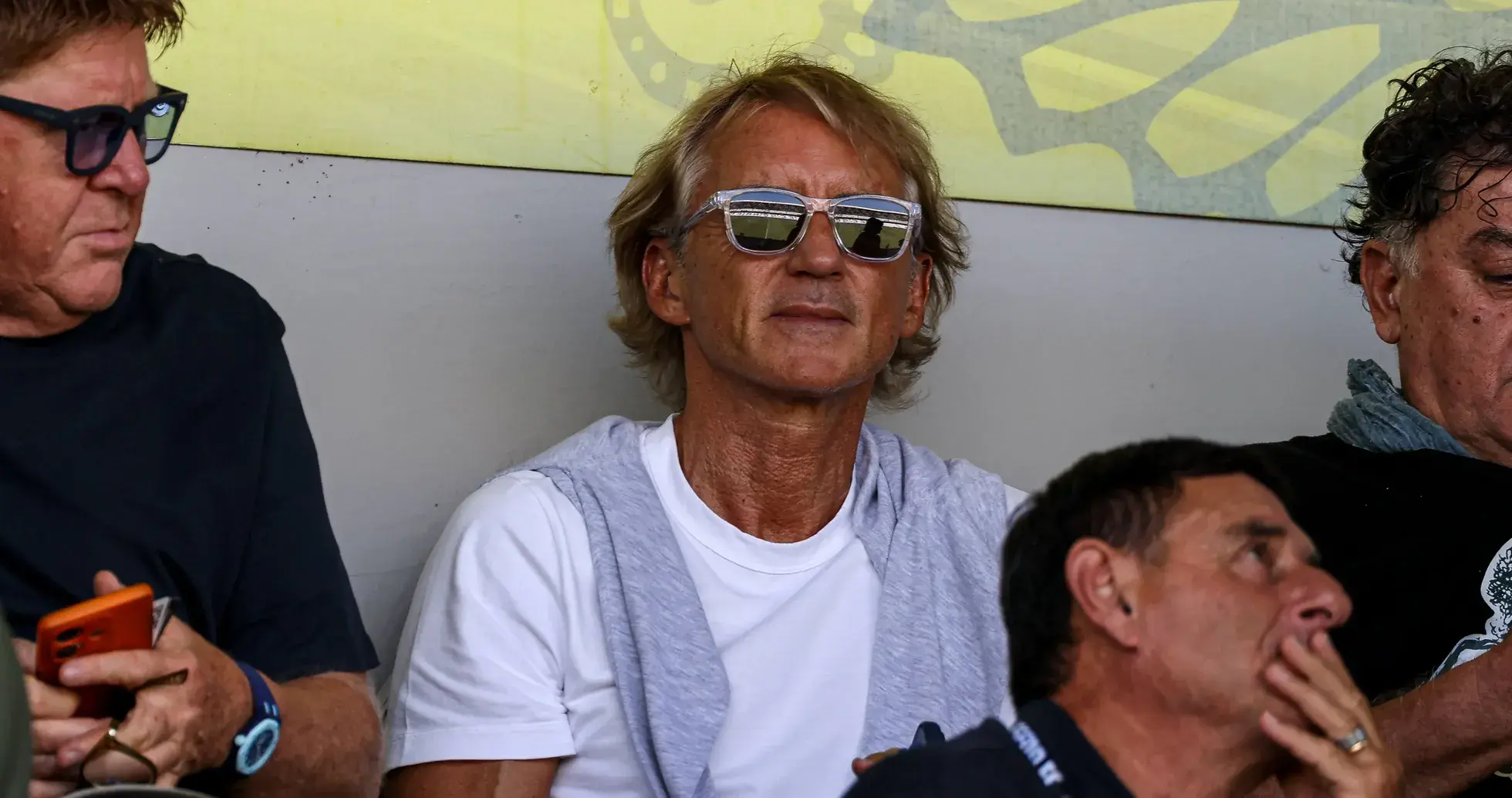
Roberto Mancini is back. And he is not thinking small.
According to La Gazzetta dello Sport, the returning Italy coach is preparing to name a supersized squad of up to 35 players for the upcoming international window, as he begins his second spell in charge of the Azzurri more than eight years after his first appointment in May 2018.
A brutal schedule, a massive squad
The logic is clear: four Nations League games in 11 days. Belgium in Rome on 25 September, then away to Turkey, on to France, and finally back home to face Turkey again in Bologna. It is a sprint crammed into less than two weeks, and Mancini wants numbers, options, and fresh legs.
Squad rotation will not be a luxury. It will decide whether Italy can hit their target of a top-two finish in Nations League Group A and book a place in the quarter-finals. Those results will also feed directly into the Euro 2028 qualification draw in Belfast, raising the stakes on every selection.
New faces on the Azzurri radar
The leaked names hint at a coach ready to experiment without tearing everything up.
Uncapped talents Romano, Zoma, and Samuel Inacio are among the potential surprise inclusions. Doumbia and Ahanor are also in the frame, as Mancini tests the depth of Italy’s next generation.
Romano’s emergence in midfield has caught the eye at the right moment. With limited options in central areas, his recent form has pushed him into serious contention.
Up front, German-based forward Zoma is being lined up to add something Italy have been chasing for a while: width and direct running in the attacking third. An area of long-standing concern now has a fresh candidate.
Between the posts, Bologna’s Pessina could be rewarded with a call-up, joining an already strong goalkeeping group of Gianluigi Donnarumma, Marco Carnesecchi, and Guglielmo Vicario.
Euro 2020 spine still intact
For all the new names, this is not a revolution. It is a recalibration.
Key figures from the Euro 2020 triumph are expected to remain central to Mancini’s plans. Nicolò Barella, Giovanni Di Lorenzo, Bryan Cristante, and Alessandro Bastoni are all tipped to feature, preserving the core that knows what it takes to win at the highest level.
There could also be a blast from the past. Federico Bernardeschi, a hero of that European title run, is under consideration for a surprise recall, as is midfielder Rolando Mandragora. Both would bring experience and tactical flexibility to a squad that will be stretched by the schedule.
Injury setbacks and one eye on the future
Not everyone is available. Injuries have already stripped away several important names: Federico Chiesa, Nicolò Zaniolo, Manuel Locatelli, and Alessandro Buongiorno are all set to miss out, forcing Mancini to rethink parts of his plan.
Mateo Retegui remains on holiday in Argentina, but his situation is being monitored and he could still be summoned if needed.
Mancini has also chosen not to raid the Under-21s en masse. Keen to avoid weakening Bernardo Baldini’s side ahead of crucial European qualifiers, he has postponed any full-scale generational overhaul. Cher Ndour, Niccolo Pisilli, and Luca Koleosho are expected to stay with the Under-21 squad, underlining how carefully Italy are managing the pathway between youth and senior levels.
A second era, a different kind of test
This second Mancini era begins in a very different landscape to 2018. Then, Italy were rebuilding from failure. Now, they carry the weight of being recent European champions, but with questions over depth, consistency, and identity.
A 35-man squad for a four-game burst says plenty about the challenge. It also says something about the coach: he wants competition, he wants discovery, and he wants to see who can handle the pressure of a packed, high-stakes window.
The names will soon be official. The real question is which of these new faces will still be there when Euro 2028 qualifying comes around—and which of the old guard can hold their ground as the next Azzurri takes shape.