Portugal vs Croatia: World Cup 1/16 Final Preview
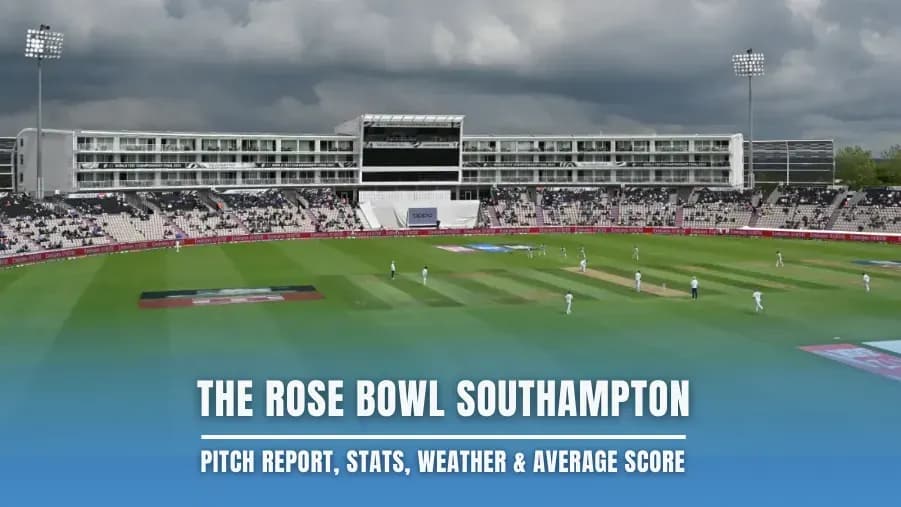
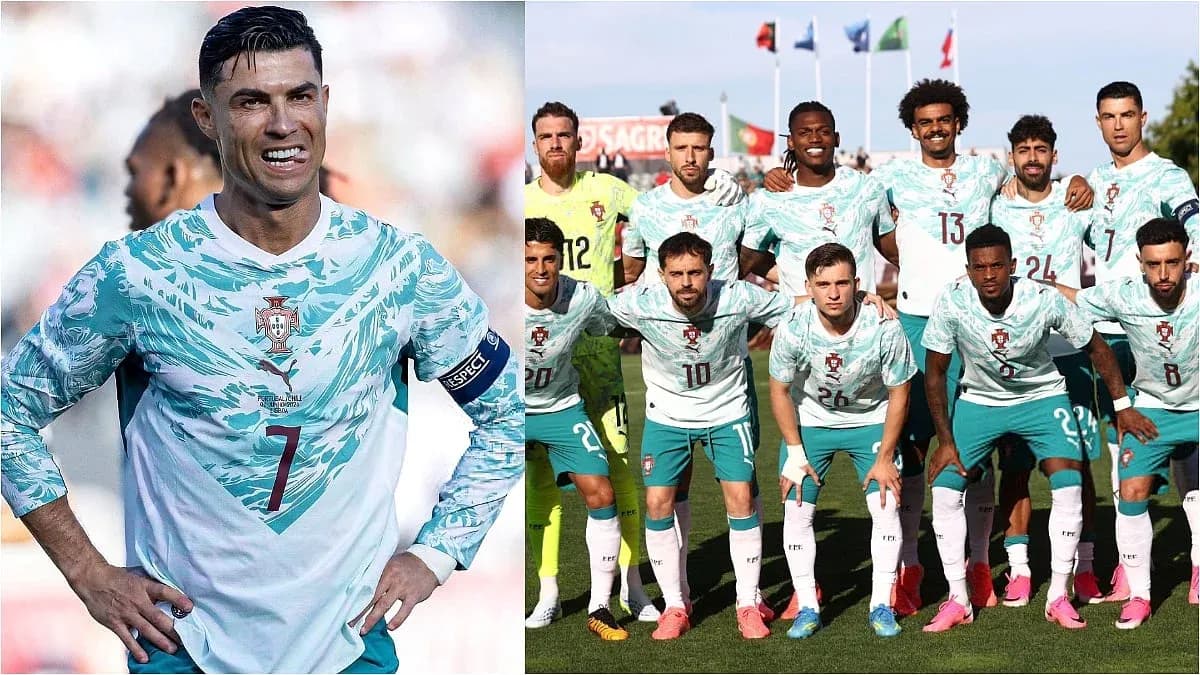
Portugal face Croatia at BMO Field in Toronto in a high-stakes World Cup 1/16 final. Both arrive as group runners-up — Portugal from Group K with 5 points and a +5 goal difference, Croatia from Group L with 6 points and a neutral goal difference — so this knockout carries major weight for their 2026 campaign trajectories, with the winner keeping a realistic path toward the latter stages and the loser suffering an early exit.
Head-to-Head Tactical Summary
The recent head-to-head record is dense and competitive. On 18 November 2024 in Split (Stadion Poljud) in the UEFA Nations League, Croatia drew 1-1 with Portugal, turning a 0-1 half-time deficit into a 1-1 full-time result. On 5 September 2024 in Lisbon (Estádio da Luz), Portugal beat Croatia 2-1, having led 2-1 at half-time and holding that score to full time. On 8 June 2024 in Jamor, Oeiras (Estádio Nacional) in a friendly, Croatia won 2-1 away, leading 1-0 at half-time and closing it out 2-1. Going back to the 2020 Nations League, on 17 November 2020 in Split, Portugal came from a 1-0 half-time deficit to win 3-2. Earlier that cycle, on 5 September 2020 in Porto (Estádio Do Dragão), Portugal dominated 4-1, leading 1-0 at half-time and accelerating after the break. Overall, Portugal have three wins, Croatia one, and one draw, with both sides repeatedly showing the capacity to score and to swing games after the interval.
Global Season Picture
- League Phase Performance: In the group stage, Portugal finished 2nd in Group K with 5 points from 3 matches (1 win, 2 draws, 0 losses), scoring 6 goals and conceding 1, for a +5 goal difference. Croatia finished 2nd in Group L with 6 points from 3 matches (2 wins, 0 draws, 1 loss), scoring 5 goals and conceding 5, for a 0 goal difference.
- Season Metrics: In the league phase, Portugal’s attack has been efficient (6 goals in 3 matches, 2.0 per game) with a very tight defense (1 goal conceded, 0.3 per game). They have used a 4-2-3-1 in all three fixtures and shown good control without excessive indiscipline, taking a small cluster of yellow cards spread across early (0–15 minutes) and late phases (61–90 and 91–105). Croatia, also leaning on 4-2-3-1 in two games and 3-4-2-1 once, have produced 5 goals (1.7 per game) but allowed 5 (1.7 per game), pointing to a more open, higher-variance style. Their card profile is concentrated in the 61–75 and 91–105 minute windows, suggesting increased aggression as matches reach decisive phases.
- Form Trajectory: Portugal’s group-stage form string “DWD” indicates an unbeaten path: a draw, then a win, then another draw. That pattern reflects stability and defensive control but also hints at occasional difficulty turning superiority into victories. Croatia’s “WWL” sequence shows two early wins followed by a loss, a trajectory that combines momentum with a recent setback and underlines their volatility at the back (5 conceded in 3 games).
Tactical Efficiency
Across all competitions, Portugal’s numbers point to a balanced, controlled game model. In the league phase they average 2.0 goals for and only 0.3 against, which aligns with a high attack index and strong defense index profile: a compact 4-2-3-1, consistent clean sheets (2 in 3 matches), and only one match without scoring. Croatia’s 1.7 goals scored and 1.7 conceded per game reflect a more unstable defensive efficiency, even if their attacking output is respectable. Their biggest away defeat (4-2) and a lack of clean sheets at home show that when they open up, the back line can be exposed. In a comparison of attack and defense indices, Portugal’s metrics suggest a more reliable two-way structure — capable of controlling game tempo and limiting chances against — while Croatia’s indices are more polarized, with an attack that can threaten but a defense that can be dragged into high-event, chaotic scenarios.
The Verdict: Seasonal Impact
This 1/16 final is a clear inflection point for both World Cup campaigns. For Portugal, elimination here would turn an excellent group-stage defensive record into a footnote and raise questions about their capacity to translate control into deep-tournament runs. Progress, by contrast, would validate their compact 4-2-3-1 structure and set them up as a credible candidate for the quarter-finals and beyond, especially given their head-to-head edge over Croatia. For Croatia, advancing would confirm that their more volatile profile can still deliver knockout success and would reframe their leaky group-stage defense as a manageable risk in exchange for attacking threat. A defeat, however, would reinforce the narrative that defensive instability at this level is costly over 90 minutes. In seasonal terms, this match is a gateway: the winner moves into the World Cup’s decisive arc with momentum and tactical identity reinforced; the loser sees a 2026 project abruptly capped at the first knockout hurdle.